The best time to visit Chitral is from May to October. May brings green fields and the Chilam Joshi festival in the Kalash valleys, June to September is the only reliable window for Shandur and the high roads of Upper Chitral, and late September and October give clear, mild days after the summer heat in the town. Winter trips are possible now that the Lowari tunnel keeps the road open, but they suit the Chaumos festival and a quiet week, not touring.
Chitral is not one climate. The town sits at about 1,500 metres and is hot in July; the Kalash valleys are higher and cooler; Shandur and Broghil are high enough to stay snowbound for half the year. This guide goes month by month, then covers the festival dates and how road and flight access changes through the year.
| At a glance | |
|---|---|
| Best overall | May to October |
| Upper Chitral and Shandur roads | Roughly June to October, snow permitting |
| Chilam Joshi (Kalash spring) | Around 13 to 16 May |
| Uchal (Kalash summer) | Around 20 August |
| Chaumos (Kalash winter) | 7 to 22 December; outsiders in the second week |
| Shandur Polo Festival | June or July; 11 to 13 June in 2026 |
| Chitral town in July | Average daytime high close to 36°C |
| Lowari tunnel | Open all year, but operating hours are sometimes restricted |
Chitral month by month
January and February
The coldest months. Chitral town averages around 9°C by day and drops below freezing at night, and snow is normal in the town and heavy in the side valleys. The Lowari tunnel means the road from Dir stays open through winter, which it did not before 2017, but snow on the approach roads can still stop traffic for a day or more.
This is not the time for sightseeing. The Kalash valleys are cold and quiet, Upper Chitral beyond Booni is hard going, and Shandur is out of reach. Go only if you have a reason: family, a winter photography trip, or simply wanting the town to yourself.
March and April
The wettest part of the year in Chitral. March averages close to 100 mm of rain in the town, mostly from spring storms, and April is not far behind. Fruit blossom comes to the lower valleys, and days warm up quickly through April.
Late April is a reasonable time for Chitral town, Garam Chashma and the lower Kalash valleys if you can accept some rain. The high ground is still under snow. The Qaqlasht festival near Booni, with polo and local games on the meadow above the town, is usually held in spring.
May
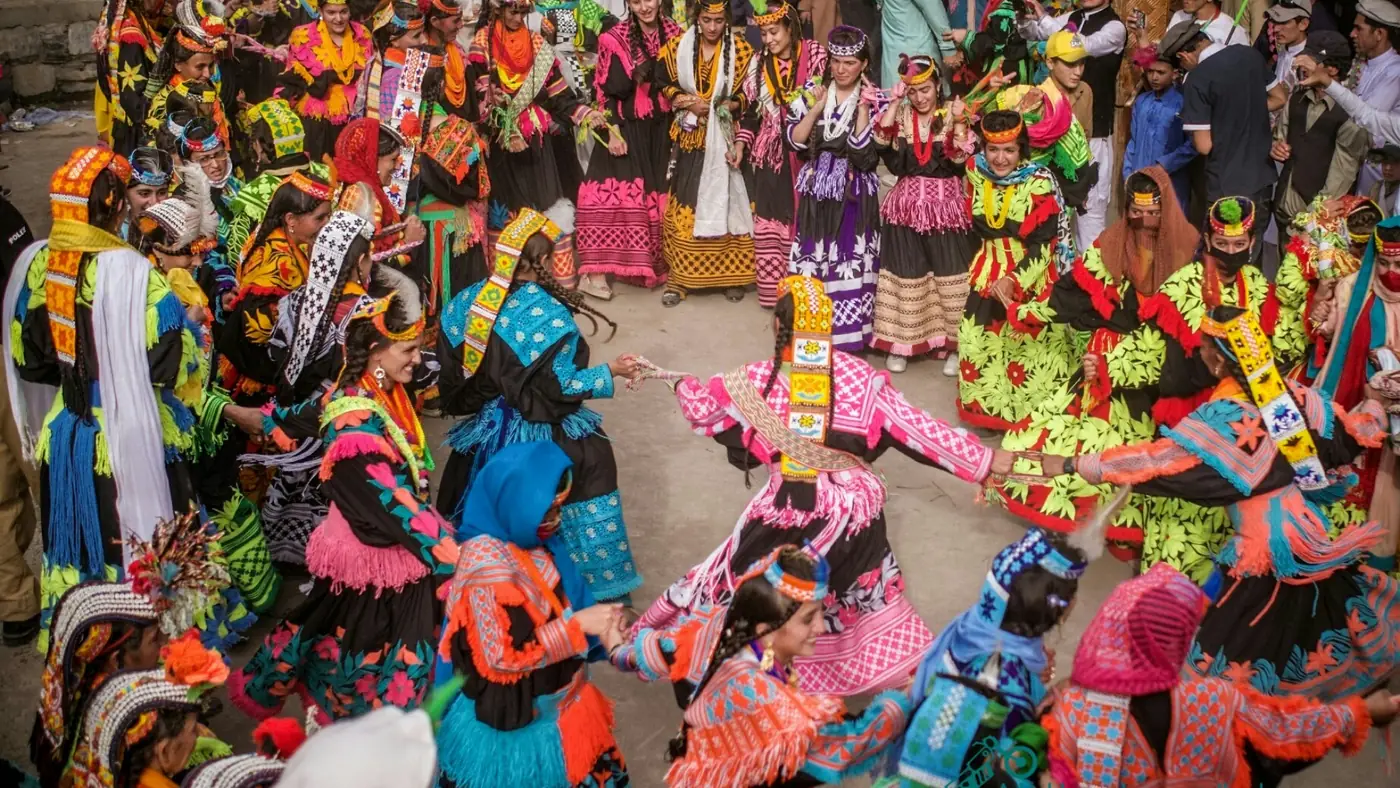
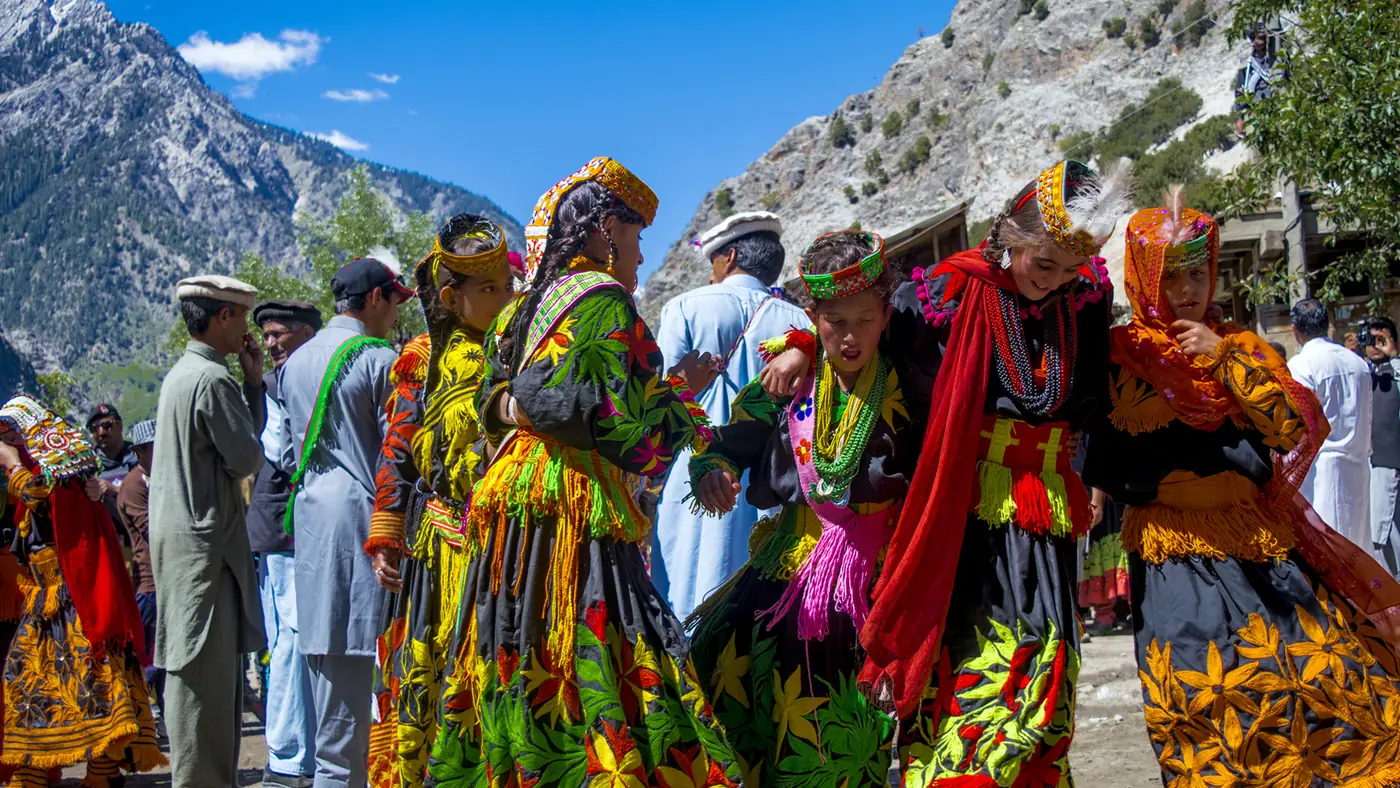
The first properly good month, and for many people the best. Fields are green, the orchards have finished blossoming, and the heat has not yet arrived. The Kalash spring festival, Chilam Joshi, is held in mid-May, usually from around 13 to 16 May, across all three valleys.
The catch is that festival week is also the busiest week of the year in Bumburet, so rooms fill early. Upper Chitral is opening up, but Shandur may still have snow.
June
Everything is open or about to be. The road over Shandur generally opens in June, the meadows at Shandur and Laspur turn green, and the Kalash valleys are at their fullest. In recent years the Shandur Polo Festival has also moved into June: it was held on 20 to 22 June in 2025 and on 11 to 13 June in 2026.
Chitral town is hot by late June, with average highs in the mid-30s. Plan to spend the middle of the day in the Kalash valleys or higher up, not in the bazaar.
July and August
The high season for Upper Chitral, Broghil and the treks. July is the hottest month in the town, with average highs close to 36°C, but the valleys above 2,500 metres are pleasant and the passes are open. The Kalash summer festival, Uchal, falls around 20 August.
Chitral gets very little monsoon rain compared with the rest of the country, but it is not safe from floods. Glacier melt and summer storms have caused flash floods more than once, including in Bumburet in 2015 and around Booni in 2024. Keep a spare day in July and August plans, and follow local news before driving up the Mastuj road.
September and October
The best months for many travellers, and the quietest. The heat breaks in September, the air clears, and October brings autumn colour to the poplars and walnuts. The Kalash valleys are busy with the grape and walnut harvest, and Birir holds its Phool harvest festival in autumn, usually in October.
Upper Chitral stays open through September and usually most of October, but cold comes quickly at Shandur and Broghil. If you want both the Kalash valleys and Shandur in one trip without the summer crowds, September is the month.
November and December
November is cool, clear and nearly empty of visitors. The high roads start to close with the first heavy snow, and nights drop close to freezing in the town.
December is for Chaumos, the Kalash winter festival held from about 7 to 22 December around the winter solstice. The first week is kept for the Kalasha themselves, and outsiders are welcome only in the second half. Snow can block the valley roads, and very few visitors make it, which is part of the point.
Kalash festival dates
The three Kalash valleys, Bumburet, Rumbur and Birir, keep their own calendar. The dates below are the usual ones; they can shift by a day or two, and individual villages celebrate on slightly different days.
| Festival | When | What it marks |
|---|---|---|
| Chilam Joshi | Around 13 to 16 May | Spring, and blessings for the flocks and fields |
| Uchal | Around 20 to 22 August | The wheat and barley harvest |
| Phool | Autumn, usually October, in Birir | The grape and walnut harvest |
| Chaumos | About 7 to 22 December | The winter solstice and the new year |
Chilam Joshi is by far the most visited. If you go, stay in the valleys for at least two nights so you are there for the dancing rather than stuck in traffic on the Ayun road, and ask before you photograph anyone, particularly women. Our guide to the Kalash valleys explains how the three valleys differ and which suits which kind of visit.
When is the Shandur Polo Festival?
For years the festival was held on 7 to 9 July. It has moved recently, largely to keep clear of Muharram: it was held on 20 to 22 June in 2025 and on 11 to 13 June in 2026. The governments of Khyber Pakhtunkhwa and Gilgit-Baltistan announce the dates each year, usually a few weeks ahead, so watch for the announcement from spring onwards.
The polo ground sits at about 3,700 metres, a long day's drive from Chitral town. Our Shandur Polo Festival guide covers getting there, where to stay and what the three days are like.
How road and flight access changes through the year
Access sets the season in Chitral more than weather does.
- The Lowari tunnel keeps the main road from Dir open all year, but the National Highway Authority has restricted its hours at times, most recently with a plan in August 2026 to close it for 12 hours a day that caused an outcry in Chitral. Check the current timings before you set out.
- The old Lowari Pass, at 3,118 metres, is no longer the main route and is closed by snow in winter.
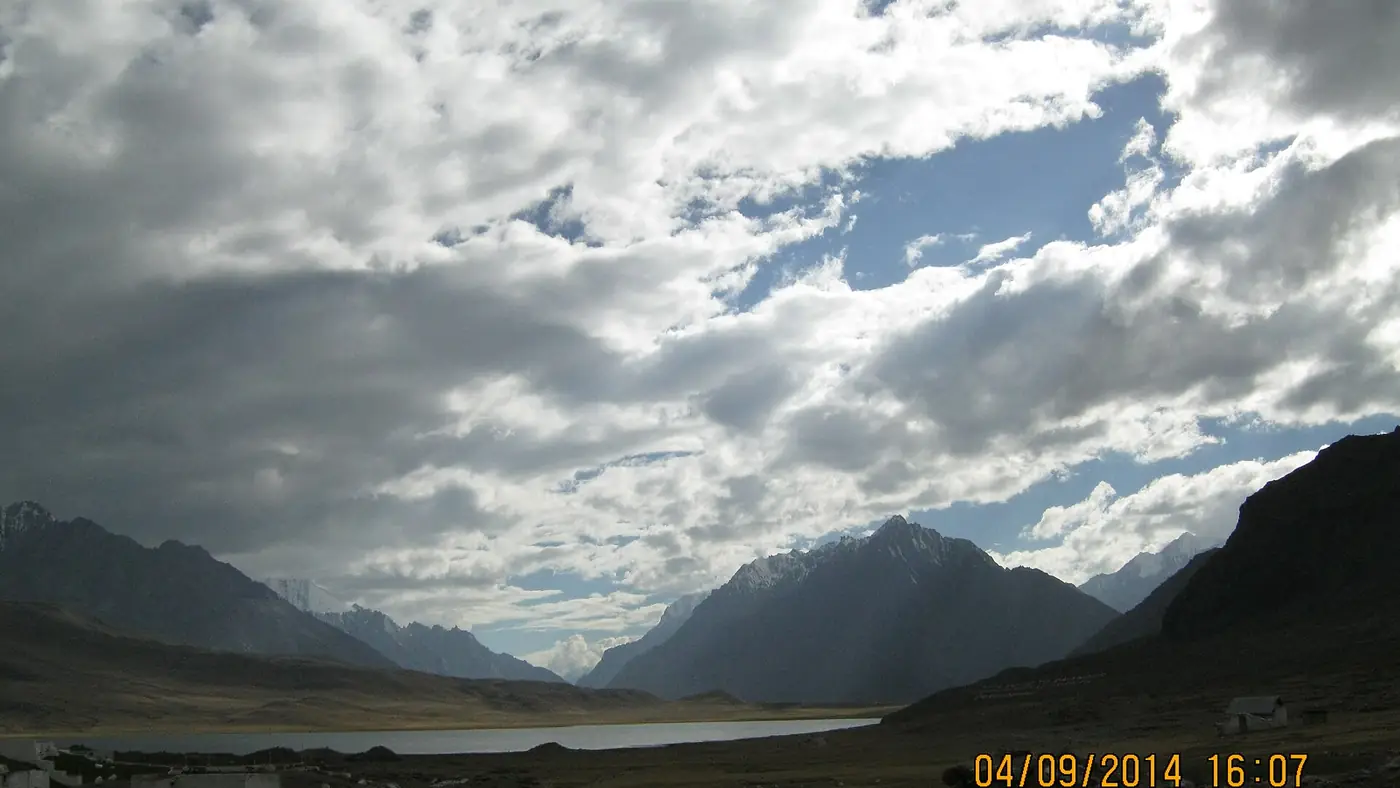
- Shandur and the high valleys of Upper Chitral are snowbound from late autumn to late spring. Treat June to October as the window for Shandur, Broghil and the high meadows.
- The Chitral–Shandur road is being rebuilt, with completion targeted for the end of 2026. Until it is finished, expect roadworks and dust on the way to Mastuj.
- Flights from Islamabad are not running at present. PIA planned a weekly flight from April 2025, but it never ran for lack of bookings, and any future service would depend heavily on the weather.
Our page on planning a trip sets out how we think about road time, spare days and seasons across the north.
When not to go, and what to do instead
If you want Kalash culture without crowds, avoid Chilam Joshi week and the Eid holidays. Go in late May, early June or September, when the valleys are working villages again and there are rooms.
If you are travelling with young children or older parents, avoid July in Chitral town, when the heat is harder going than most people expect from the north. June and September are gentler, with the Kalash valleys and Garam Chashma as the main outings.
If Shandur and Upper Chitral are the point of the trip, go between late June and September, and keep a spare day for the road.
If you only have a winter window, Chitral works for Chaumos and a quiet stay, but not as a sightseeing trip. For snow and easier roads in winter, Swat is the better choice; our guide to the seasons covers where to go in each part of the year.
Frequently asked questions
Which month is best for Chitral?
May, June and September are the best all-round months. May has Chilam Joshi, June opens Shandur and Upper Chitral, and September is clear and quiet with the passes still open.
Is Chitral open in winter?
Yes. The Lowari tunnel keeps the main road open all year, and Chitral town and the Kalash valleys can be visited in winter. The Shandur Pass and the high valleys of Upper Chitral are closed by snow until late spring.
When is the Kalash festival?
There are four: Chilam Joshi in mid-May, Uchal around 20 August, Phool in Birir in autumn and Chaumos from about 7 to 22 December. Chilam Joshi is the best known and the busiest.
When is the Shandur Polo Festival held?
Traditionally 7 to 9 July, but recent editions have been in June: 20 to 22 June in 2025 and 11 to 13 June in 2026. Dates are announced each year by the KP and Gilgit-Baltistan governments.
Is Chitral very hot in summer?
The town is. July averages highs close to 36°C at about 1,500 metres. The Kalash valleys, Garam Chashma and Upper Chitral are higher and noticeably cooler.
Can I see snow in Chitral?
From December to February, snow is usual in the town and heavy in the side valleys. Spring and autumn show snow on Tirich Mir and the high ridges from the valley floor.