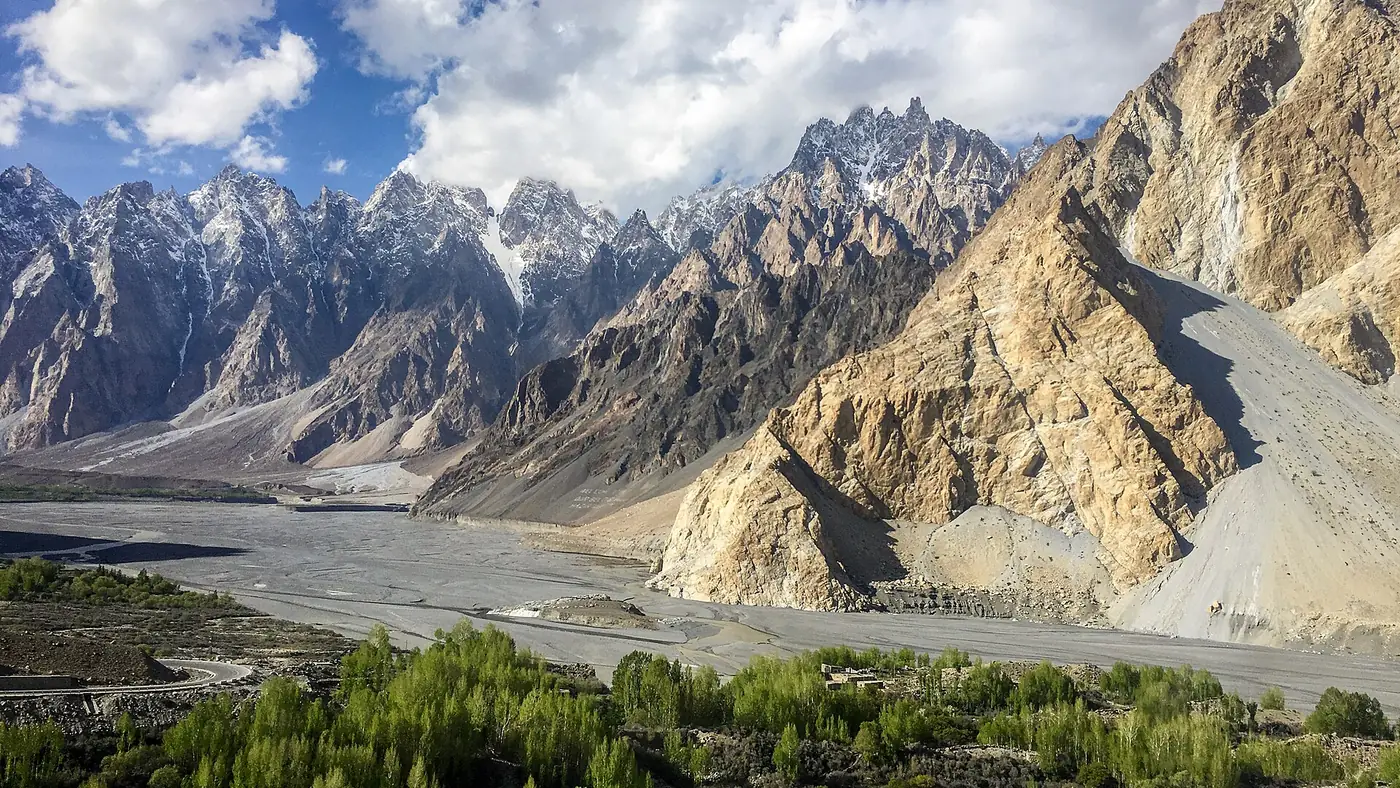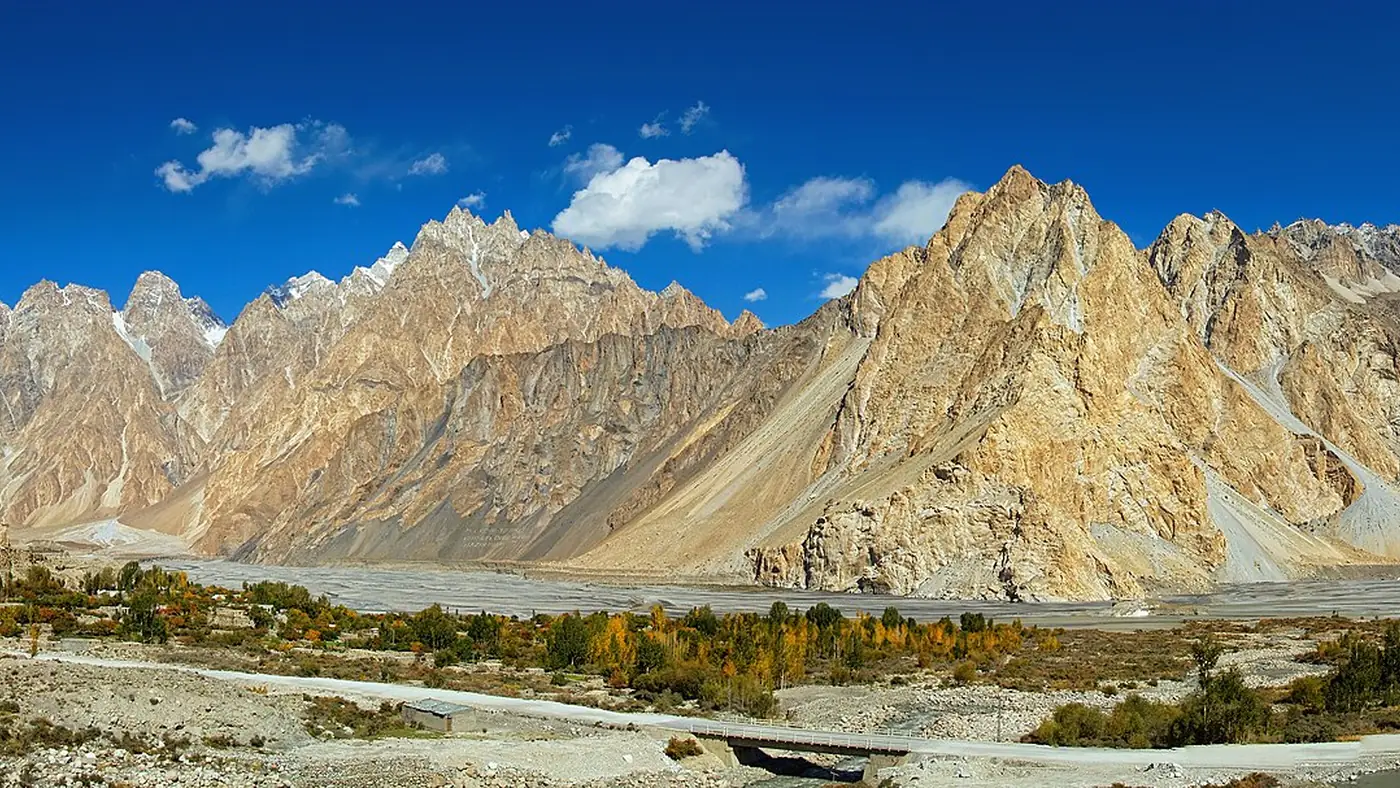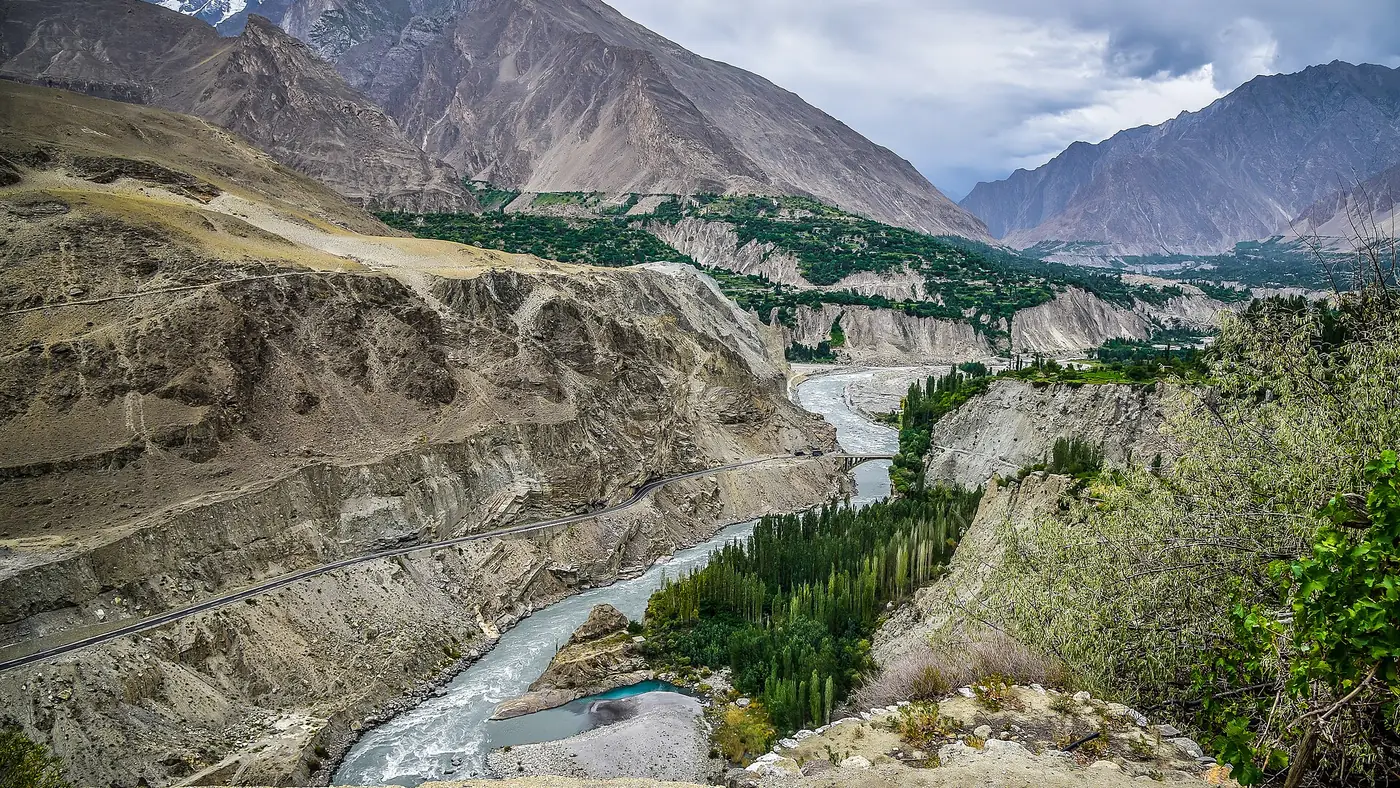
Solo female travel in Pakistan is manageable across most of the country, with the biggest difference being between the northern valleys, where women are visible in daily life and solo travellers are generally left to get on with their trip, and the big cities, where the streets are busier, the traffic worse, and a woman alone draws more attention. Most of what actually keeps a trip safe is ordinary: arriving before dark, using a known transport option rather than the cheapest one, and telling someone your plan for the day.
This guide is for Pakistani women, and overseas Pakistanis, travelling alone anywhere in the country: the cities, the northern areas, and everything in between. For Gilgit-Baltistan specifically, our solo female travel in Gilgit-Baltistan guide goes into more depth on Hunza, Skardu and the drive up.
| At a glance | |
|---|---|
| Easiest region | Hunza and Gojal in Gilgit-Baltistan |
| Cities, generally manageable | Islamabad, Lahore for a woman used to South Asian cities |
| More caution needed | Crowded bazaars, unlit streets after dark, unfamiliar rickshaw or bus routes at night |
| Getting around | Ride-hailing apps, hotel-arranged cars, women's train coaches on some routes |
| Dress | Loose shalwar kameez with a dupatta, more modest outside the north |
| Punjab women's helpline | 1043, 24 hours |
| Areas with current travel advisories | Parts of KP, Balochistan and Azad Kashmir; check before you go |
Is Pakistan safe for a woman travelling alone?
For most solo women, yes, with the usual awareness any woman travelling alone anywhere brings. Street crime against tourists is low compared with the risks people commonly imagine, and Pakistani hospitality toward guests, including solo women, is genuine. What you will get more of than a man travelling the same route is curiosity: questions about where your family is and why you are alone, almost always well meant, and a short, confident answer usually ends it.
The real risks for any solo traveller are road safety, and in specific districts, the security picture the UK and other governments publish current advice on. Our is Pakistan safe for tourists guide sets out the wider picture region by region. On top of that, a woman alone should think about two things that matter more for her than for a man travelling the same route: where she will be after dark, and who knows her plans for the day.
The cities: Lahore, Islamabad and Karachi
Islamabad is the most straightforward of the three: wide roads, a smaller and more orderly bazaar scene, and a large expatriate and diplomatic community that means solo travellers, including women, are a familiar sight. Lahore has more to see and a livelier street life, and the Walled City and food streets are busiest, and most fun, with a companion or in a group, though solo women visit regularly by day. Karachi is the largest and most spread out, with traffic that makes distances feel longer than they are; stick to known neighbourhoods and arrange transport in advance rather than hailing whatever is nearest on a dark street.
In all three cities, a headscarf is not required, but modest dress draws less attention, and a dupatta is useful to have to hand. Avoid walking through unfamiliar or empty streets after dark, and prefer a known car service over an unmarked taxi.
The northern areas
Hunza is often described as the easiest part of the country for a solo woman to travel, because women there are visibly part of daily life: running cafés, working in shops, moving about freely. Skardu and Gilgit town are calmer and more conservative, and Chilas and other parts of Diamer more conservative again, so dress more modestly and plan to pass through rather than explore alone after dark. Our Gilgit-Baltistan guide covers getting there, where to stay and the tourist police number for the region in full.
Beyond Gilgit-Baltistan, Swat and the Kaghan valley in Khyber Pakhtunkhwa are visited by solo women too, though parts of KP carry current security advisories, so check the latest guidance for your specific route before you travel. Azad Kashmir has also had periods of unrest and internet shutdowns in recent years; check the current situation there as well.
What to wear
Loose shalwar kameez with a dupatta is comfortable and appropriate almost everywhere in the country, and it is also practical: layers you can adjust, and a dupatta doubles as a headscarf for a mosque or shrine, a scarf against dust or cold, and modest cover on a hot day. Islamabad and the north are the most relaxed about exactly how it is worn; smaller towns and more conservative areas expect more coverage. Jeans with a long kameez or tunic are fine in the bigger cities. Keep a shawl or light jacket to hand, useful for both modesty and the evening cold in the hills.
Getting around
Ride-hailing apps such as Careem and inDrive operate in the major cities and are generally the easiest way to move around without negotiating a fare in person. Share your trip details with someone before you get in, and check the driver and plate match the app.
Rickshaws and local taxis are cheap and common but unmetered outside app bookings; agree the fare before you get in, and prefer daylight hours if you are travelling an unfamiliar route.
Trains are a comfortable way to cover long distances, and some services run reserved ladies' coaches; ask for one when you book if it is available on your route. Booking through the Pakistan Railways app or a travel agent in advance is more reliable than turning up at the station.
Buses and coaches to the north, run by NATCO and private operators, are widely used by solo women; ask for a seat near the front or beside another woman when you book, and choose a service that arrives in daylight.
Between towns in the north, a car and driver arranged through your hotel is the most reliable option; the driver knows the hotel and the hotel knows the driver, which matters more than any discount.
Where to stay
Established hotels and guesthouses, particularly ones with other women staying or working there, are the easiest choice. You will usually be asked for your CNIC, or passport if you are an overseas visitor, at check-in; this is standard registration, not scrutiny of a solo woman specifically. If you are considering a hostel, ask directly whether it has a women-only dorm or private rooms before you book, and read reviews from other women where you can find them.
Everyday safety habits
- Arrive somewhere new before dark, whether that is a hotel, a bus stop or a friend's house.
- Share your plans daily with someone at home: where you are staying and where you are heading next.
- Keep cash and a charged phone on you, and note down the local emergency numbers for wherever you are.
- Use the Punjab women's helpline, 1043, a 24-hour service with women call agents for advice or to report an incident while in Punjab; other provinces have their own women's helplines and police numbers, so check what applies where you are travelling.
- If someone crosses a line, say so clearly and in public. Shopkeepers and nearby families will usually back you up, and you can report anything serious to the police.
- Ask before photographing local women, and decline a stranger's selfie request if you would rather not.
Alone, or with company?
Travelling alone suits women who are comfortable negotiating transport and hotels, and who will spend most of their time in easier regions such as the north or the main cities in daylight. It is the cheapest and most flexible option.
A women's group or a guided trip suits a first solo trip, or a route through more conservative areas, without the logistics falling entirely on you. Several Pakistani operators run women-only departures north in summer; check that the operator is licensed and ask about the room-sharing arrangement. Our tours to Skardu and Deosai and Gilgit, Hunza and Khunjerab include a driver and guide for the whole route, and we can arrange a female guide if you tell us when you plan the trip.
Our travel guide has more on money, signal and packing for a trip anywhere in the country.
Frequently asked questions
Is it safe for a woman to travel alone in Pakistan?
For most solo women, yes, with the same awareness any woman travelling alone would use anywhere. The north, especially Hunza, is often described as the easiest region; take more care with road safety, after-dark travel and areas under current security advisories.
Which part of Pakistan is easiest for solo female travel?
Hunza and Gojal in Gilgit-Baltistan are widely considered the most comfortable, followed by Islamabad among the major cities. Skardu, Gilgit town and Chilas are more conservative, and dress and behaviour should adjust accordingly.
What should a solo female traveller wear in Pakistan?
Loose shalwar kameez with a dupatta works almost everywhere and is practical as well as appropriate. Dress a little more modestly in smaller towns and conservative areas than you might in Islamabad or Hunza.
Can a woman stay alone in a hotel in Pakistan?
Yes. Established hotels and guesthouses take solo women as a matter of course, and you show ID, a CNIC or passport, at check-in like any other guest.
What number should a woman call for help in Pakistan?
The Punjab women's helpline, 1043, operates 24 hours with women call agents. Other provinces and Gilgit-Baltistan have their own numbers, including the tourist police in Gilgit-Baltistan, so note the relevant number for wherever you are.