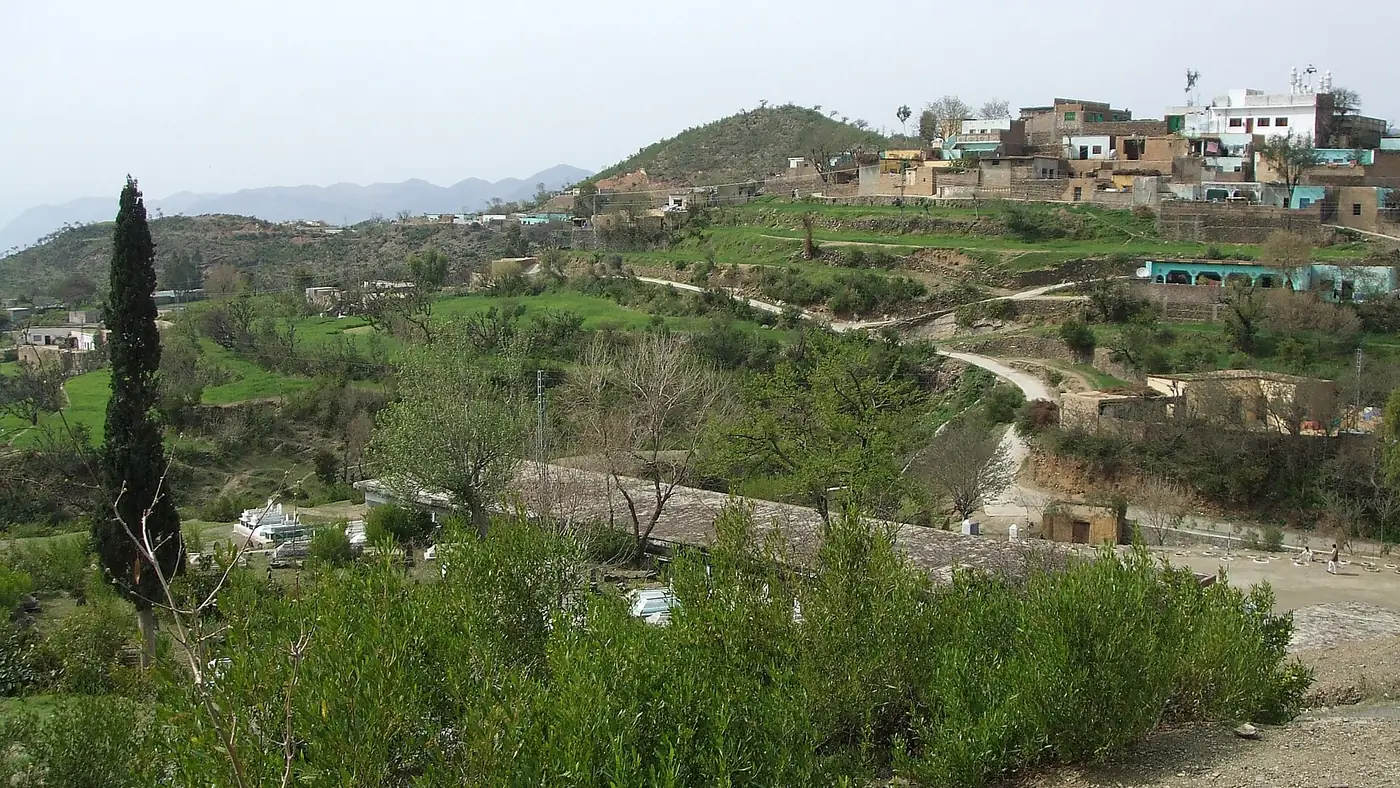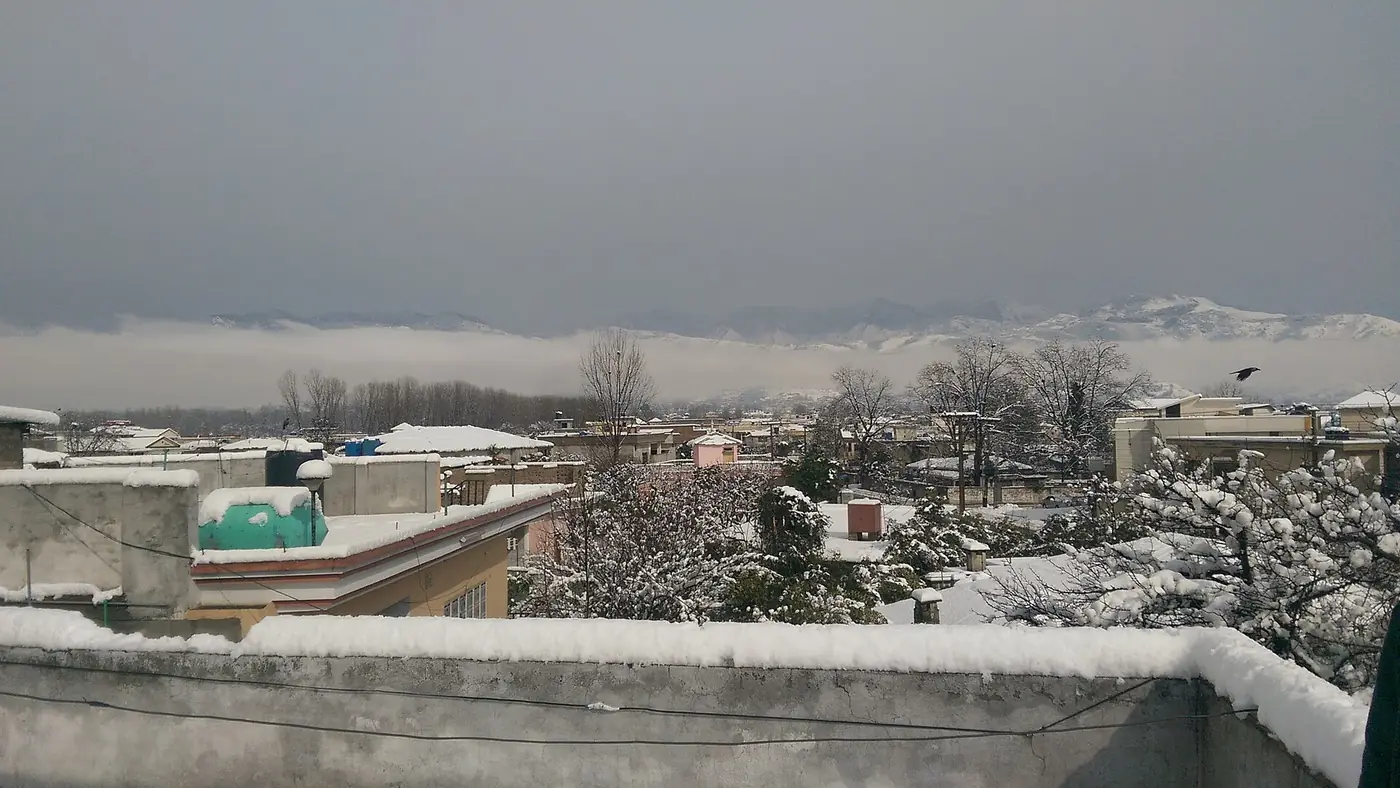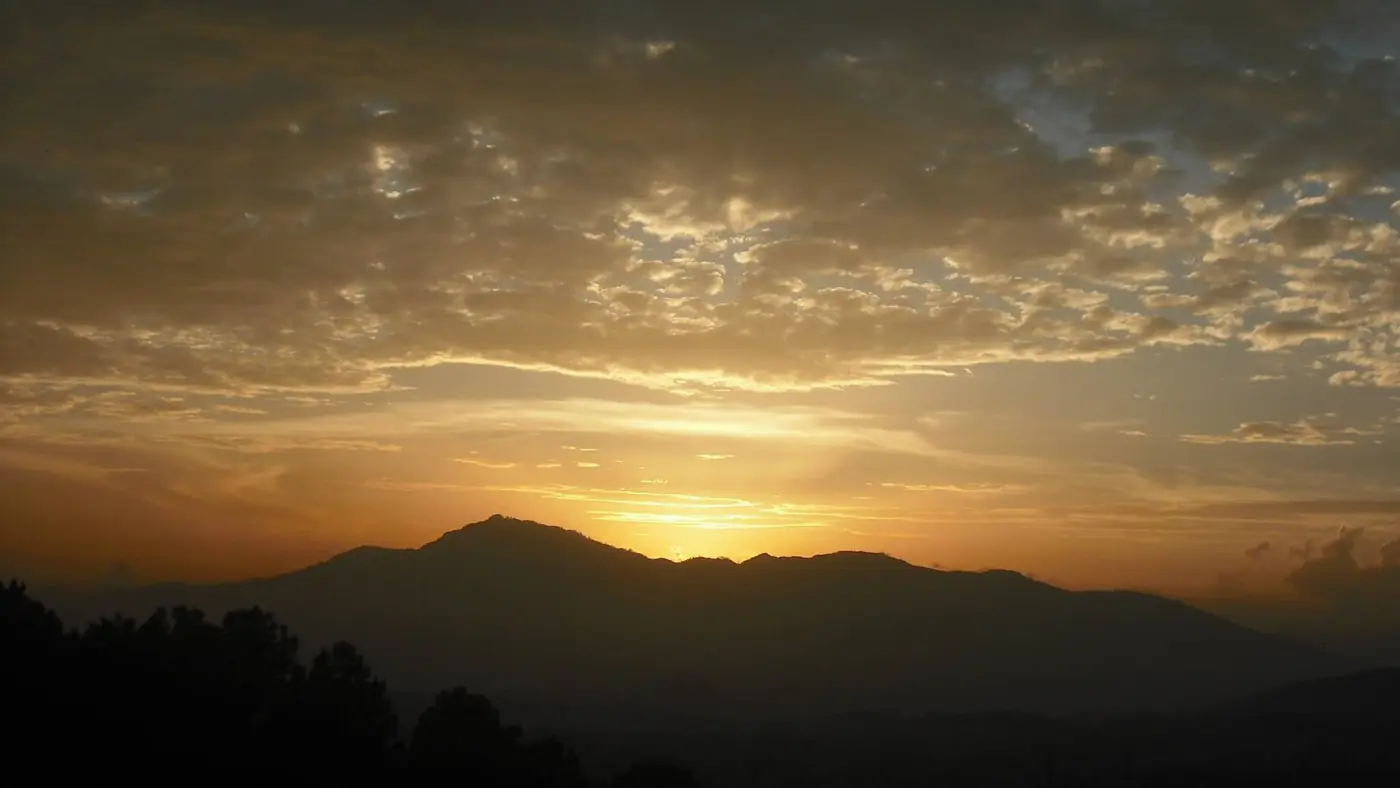
Siran Valley is the stretch of forest, meadow and high pasture that runs up from Jabori in Mansehra district, following the Siran River towards peaks over 4,000 metres. It has none of the built-up tourism of Naran or Kaghan next door: no chairlifts, few proper hotels, and trekking that still runs largely on hired jeeps, local guides and rest houses rather than marked trails.
| At a glance | |
|---|---|
| Area | Pakhli region, Mansehra district |
| Gateway town | Jabori |
| River | Siran River, rising from Mandagucha Glacier |
| Valley altitude | Around 2,500 m, rising to over 4,000 m at the peaks |
| Highest peak | Churko, about 4,265 m |
| Best season | Summer, roughly June to September |
| Accommodation | Homestays, camping and a small number of guesthouses; no resort hotels |
Where Siran Valley is and what it covers
The valley sits in the Pakhli area of Mansehra district, watered by the Siran River, which rises from the Mandagucha Glacier in the upper valley and eventually joins the Indus near Tarbela Dam. It takes in several union councils, including Bhogarmang, Sacha Kalan and Jabori, and the valley floor itself sits at roughly 2,500 metres, with the surrounding ridgelines and peaks going considerably higher. Churko Peak, at around 4,265 metres, is the highest point in the area, followed by Musa ka Musala at about 4,100 metres.
Dense forest of deodar, blue pine, oak and fir covers the lower and middle valley, giving way higher up to alpine meadows locally called "galis". The best known of these is Khandagali, sometimes called the valley of flowers for its wildflowers in early summer, along with Baleja and Aram Gali. Golden eagles and Himalayan monal pheasants are among the wildlife recorded in the forests.
Getting to Jabori
Jabori is the usual starting point, reached from Mansehra town via Shinkiari on a road that climbs steadily into the hills. Coming from Islamabad, the route runs up the Hazara Motorway to the Mansehra exit, then on through Shinkiari to Jabori, a drive of roughly four to five hours depending on traffic on the motorway. Beyond Jabori, the road toward villages like Mandagucha, Mundi and Baleja gets rougher, and a 4x4 or a hired local jeep is the practical way to continue; a normal car is not well suited to the upper valley roads.
Trekking from Jabori
The treks here are genuinely unmarked and physical rather than a gentle walk. A typical route from Jabori runs first by hired minivan to Mandagucha, roughly 19 km further up, then on foot through villages such as Jacha and Dhor before climbing steeply towards meadows like Aram Gali and Khanda Gali. Khanda Gali sits at around 4,300 metres and is reached by a demanding ascent that trekkers consistently describe as steep, with donkeys or porters usually hired to carry gear.
This is not a route for first-time trekkers without a guide. Local guides are hired in Jabori or Mandagucha, and hikers should expect multi-day trips with basic rest houses or camping rather than hotels along the way. A longer option, the Munro Hiking Trail, is a roughly 66 km route connecting Kund Bangla to Kamal Ban in the neighbouring Naran valley, reopened in 2022 and passing through the Siran valley's forests and historic rest houses; this is a serious multi-day trek, not a day hike.
Where to stay
There are no resort hotels in Siran Valley. Most visitors either camp at spots like Baleja and Mundi or stay in homestays with local families, arranged informally or through a guide. A small number of basic guesthouses have appeared near Shinkiari and Jabori in recent years, but availability and standards vary, so it is worth confirming a booking by phone before travelling rather than assuming a room will be waiting.
Is Siran Valley worth the trip?
For trekkers who want meadows and forest without crowds, yes, and it compares well with the more built-up valleys to the north. It suits people prepared for a physically demanding walk, basic accommodation and arranging a guide locally rather than booking everything in advance. Families wanting an easy scenic drive with a comfortable hotel at the end of it will be better served by nearby Shogran or the Galiyat hill towns, which our guide to places to visit in Mansehra also covers.
Frequently asked questions
How far is Jabori from Islamabad?
By road via the Hazara Motorway and Mansehra, the drive to Jabori takes roughly four to five hours, depending on traffic and where exactly in the valley you are headed.
Do I need a guide to trek in Siran Valley?
Yes, in practice. The higher routes to meadows like Khandagali and Aram Gali are unmarked and steep, and trekkers typically hire local guides and porters in Jabori or Mandagucha.
What is the best time to visit Siran Valley?
Summer, roughly June to September, when the snow line has retreated from the higher meadows and the trekking routes are passable. Spring brings wildflowers to the lower valley but the high passes may still be under snow.
Is there hotel accommodation in Siran Valley?
Only a small number of basic guesthouses near Shinkiari and Jabori. Most visitors camp or arrange a homestay with a local family rather than book a conventional hotel.
Can a normal car reach the trekking trailheads?
A car can usually reach Jabori itself, but the roads beyond it towards Mandagucha, Mundi and Baleja are rough, and a 4x4 or hired local jeep is the practical way to continue.