Karimabad's bazaar is small enough to walk in an hour but worth setting aside longer, since most of what's genuinely worth buying here — gemstones, handwoven textiles and dried fruit — is sold in small, family-run shops rather than one central market. This guide covers what to look for and how to buy it.
The bazaar itself
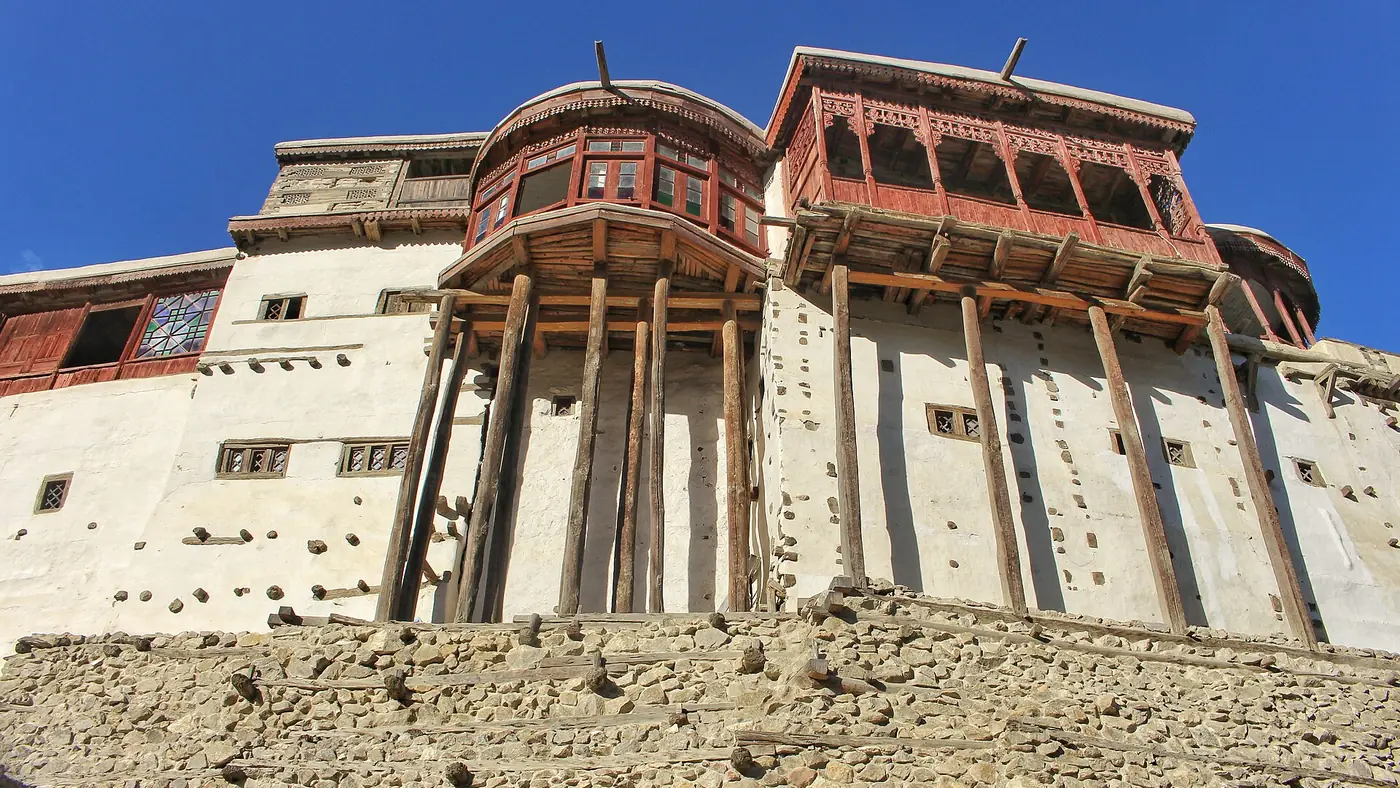
Karimabad's main shopping street runs along the old bazaar road through the centre of town, a cobbled lane lined with small shops rather than a formal covered market. It sits within walking distance of both Baltit Fort and Altit Fort, so shopping is easy to combine with sightseeing rather than needing its own separate trip; our post on things to do in Karimabad covers the rest of the town, and our guide to Gilgit and Hunza covers the wider valley.
Gemstones
Hunza and the wider Gilgit-Baltistan region sit on mineral-rich ground, and Karimabad's shops sell semi-precious and precious stones mined locally and elsewhere in the north: ruby, aquamarine, topaz, emerald, spinel, morganite and several less common stones such as pollucite and rutile quartz. Some shops sell rough, uncut stones; others sell cut and set jewellery. Quality and authenticity vary a great deal between shops, so buy from a shop that will show you the stone in daylight, and don't assume a low price means a bargain rather than a lower-grade or synthetic stone. If a stone matters to you, treat it as a souvenir bought for the story rather than a graded investment piece, unless you know enough to judge it yourself.
Handicrafts and textiles
Embroidery is the craft most associated with Hunza's women, traditionally taught from mother to daughter and worked into caps, shawls and cushion covers using cross-stitch patterns. You'll find shops selling finished embroidered pieces, handwoven woollen fabric known locally as paffu, and carpets, alongside knitted socks and gloves useful if you're heading further up the valley or to Khunjerab.
Some of this work is sold through organisations set up specifically to support Hunza's women artisans, notably KADO (the Karakoram Area Development Organization), a Hunza-based non-profit that grew out of a 1995 handicraft promotion initiative and now works with several thousand home-based women artisans, including women with disabilities, across the valley. Buying through an outlet connected to this kind of programme is a reasonable way to know your money is reaching the people who made the piece, though ordinary bazaar shops selling similar work also support local families directly.
Dried fruit and local produce
Dried apricots are Hunza's best-known export, sold loose by weight in the bazaar along with dried mulberries, walnuts and apricot kernels. Apricot oil, pressed from the kernels and used locally for cooking, is sold in small bottles and travels well. Local honey and Hunza-grown walnuts are also worth looking for, and if you want something ready-made rather than raw ingredients, the valley's walnut cake, sold at cafés rather than the bazaar, is covered in our post on Hunza walnut cake.
When shops are open
Most shops in Karimabad open mid-morning and stay open into the evening through the main travel season, roughly April to October, though hours are informal rather than posted. Outside that season, particularly December to February, a number of shops close or reduce hours as the town quietens down for winter; if you're visiting off-season, don't assume the bazaar will be as fully open as it is in July. Friday afternoons can also see shorter hours around prayer time.
Bargaining etiquette
Prices in Karimabad's bazaar are rarely fixed, but bargaining here is understated rather than theatrical. A reasonable approach:
- Ask the price, then offer a genuinely lower but not insulting figure, rather than starting absurdly low.
- Expect to settle somewhere in between after a short back-and-forth.
- For dried fruit and nuts sold by weight, the price per kilo is usually less flexible than for craft items and jewellery.
- If a shopkeeper won't move on price at all, that's a normal outcome, not a sign you're being cheated; walk on if the price doesn't work for you.
- Cash is the norm in most small shops; don't assume card payment will be available.
Frequently asked questions
What is Karimabad best known for buying?
Gemstones (ruby, aquamarine, topaz and others mined locally), embroidered textiles and shawls, and dried apricots, walnuts and mulberries.
Are the gemstones sold in Karimabad genuine?
Quality varies between shops. Buy where you can inspect the stone properly, and treat cheaper pieces as souvenirs rather than assuming they are graded, investment-quality stones.
Is bargaining expected in Karimabad's bazaar?
Yes, for handicrafts and jewellery, though it's understated rather than aggressive. Prices for dried fruit sold by weight tend to move less.
Can I buy handicrafts that support local women directly?
Yes. Organisations such as KADO work with home-based women artisans across Hunza, and buying through outlets connected to programmes like this is one way to know the work supports local families.
Does Karimabad's bazaar take card payments?
Assume cash only in most small shops, and carry enough rupees for the day rather than relying on being able to pay by card.