Shogran's weather by month runs from a snow-covered winter, when the resort is quiet and hard to reach, to a mild summer with days around 20°C and nights as low as 3°C even in the peak season of June to August. At 2,362 metres, Shogran is one of the cooler hill stations reachable from Islamabad, and Siri Paye, the meadows above it at close to 3,000 metres, is colder again, with nights that can dip close to freezing in any month.
This guide sets out what each season is actually like, month by month where the record allows, so you know what to pack and when to go.
| At a glance | |
|---|---|
| Altitude | 2,362 m at Shogran; about 3,000 m at Siri Paye |
| Warmest months | June to August: days around 20°C, nights around 3°C |
| Coldest month | January: days around 3 to 4°C, nights well below freezing |
| Wettest month | March, the wettest month on record for the area |
| Driest month | November |
| Snow season | December to March, with the road often blocked by landslides at the change of seasons |
| Best months to visit | June to September |
Shogran's climate in outline
Shogran sits high enough, and far enough into the mountains, to feel noticeably cooler than Islamabad at any time of year. Its climate is classified as subarctic, with a short, mild summer and a long, cold winter. During the peak season of June to August, days reach a maximum of around 20°C while nights fall to around 3°C, a spread that catches out visitors who pack only for the daytime warmth.
Rainfall follows its own pattern rather than the temperature. March, in the transitional weeks between winter snow and spring melt, is the wettest month on record for the area, and November is the driest. The monsoon in July and August adds a second wet period in the middle of summer, usually as afternoon showers and occasional thunderstorms rather than the steady rain of March.
Winter: December to February
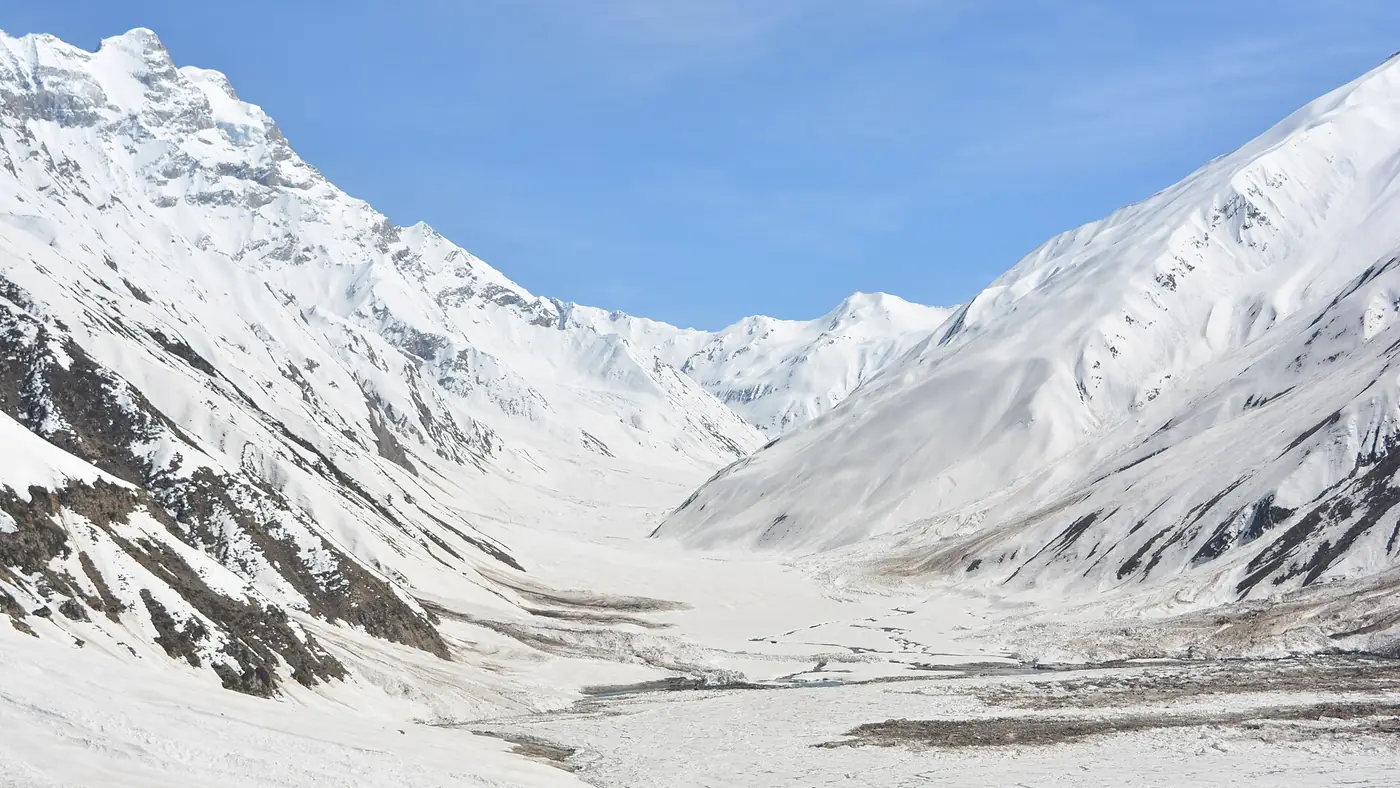
Winter closes in properly by December, and the valley stays under snow into February. January is the coldest point in the record, with daytime highs of only around 3 to 4°C and nights well below freezing, commonly down toward -7°C or colder.
The road from Kiwai up to Shogran is prone to landslides and blockages when snow starts to melt, which happens at both ends of winter, so access in December and January depends entirely on what the Kaghan Development Authority has managed to clear. Shogran does stay reachable more often than Naran further up the valley in winter, which is part of its appeal for people who want to see snow without a long drive, but it is not guaranteed. Our guide to Shogran in winter covers what to expect and how the road is kept open.
Spring: March to May
March is the wettest month of the year here, with rain lower down and heavy snow still falling higher up. It is also when snowmelt starts to loosen the road surface and increase the risk of landslides on the Kiwai to Shogran climb.
April and May bring a gradual thaw. Days warm steadily and the meadow starts to green, but nights stay cold and snow can still lie on the higher ground around Siri Paye well into May. Pack for a proper winter evening even if the forecast for the day looks mild.
Summer: June to August
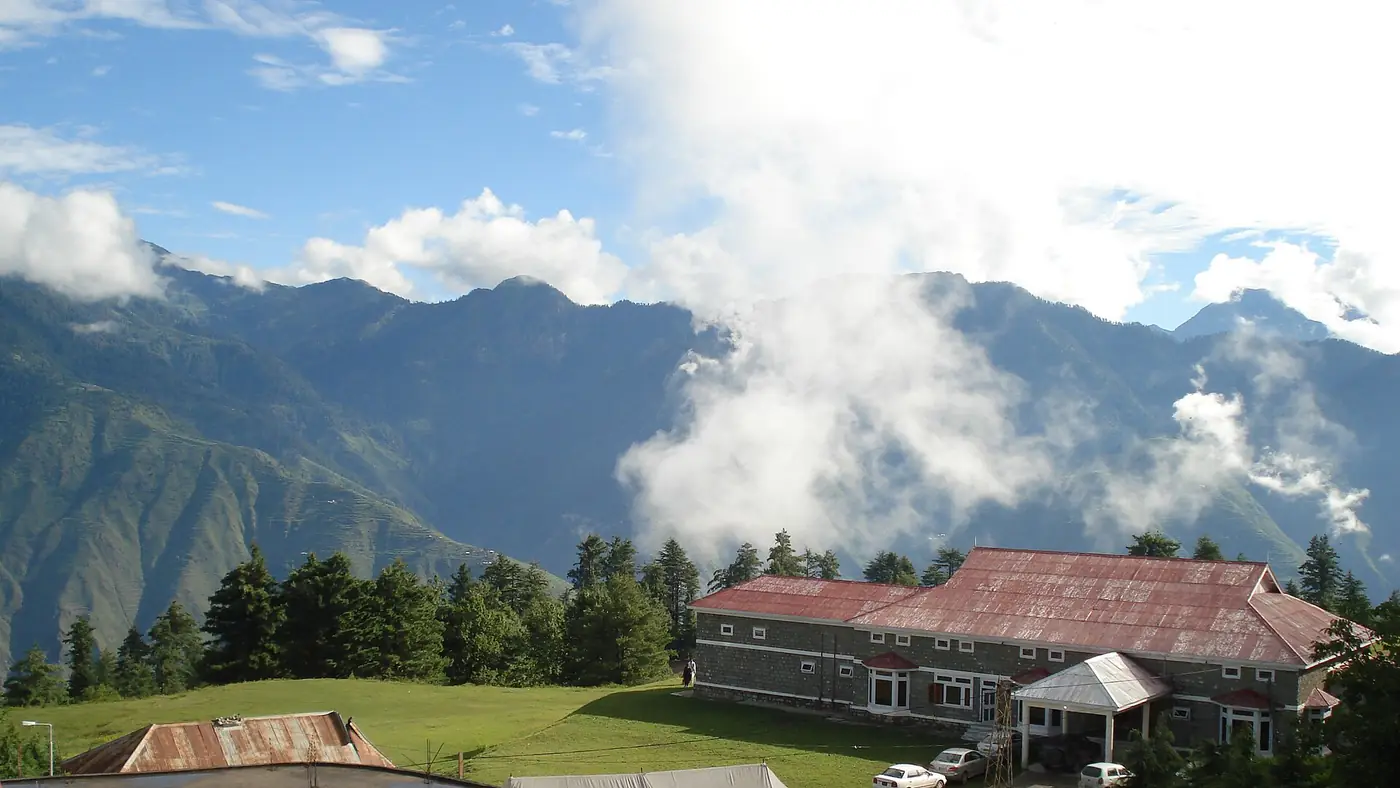
This is the main season, and for good reason. June is usually the most settled month, with warm days, cool nights and less rain than July or August. July and August are a little warmer again but wetter, as the monsoon reaches this part of the valley in afternoon showers and occasional thunderstorms.
Even at the height of summer, nights fall to around 3°C in Shogran itself, and Siri Paye, some 600 to 650 metres higher, is colder still; some visitors have reported temperatures dropping close to or below freezing there even in July. Pack layers for the evening regardless of how warm the drive up felt.
Autumn: September to November
September is often the clearest month of the year, with the monsoon past and the air settled, though nights cool quickly as the month goes on. October brings crisp days and frosty mornings, with the first snow of the season possible on the higher ground around Siri Paye.
November is the driest month on record, but also cold, with winter beginning to close in by the end of the month. This is a good stretch for clear photographs of the peaks, provided you are prepared for near-freezing nights.
What to pack, by season
- June to August: light layers for the day, a warm fleece or jacket for the evening, and a proper jacket for any trip up to Siri Paye.
- April, May, September, October: a genuine winter layer for the evenings and mornings, even though the daytime sun can feel warm.
- November to March: full winter kit if you are travelling at all, with the road status checked in advance rather than assumed.
When should you go?
For most visitors, June to September gives the best balance of green meadows, open roads and manageable nights, with June and September the driest of those four months. If your priority is snow rather than green meadows, December to February is the season, but only with a flexible plan and a willingness to turn back if the road is blocked.
Our Shogran valley guide covers what there is to do once you arrive, and our trip planning page can help fit a Shogran stop into a longer trip up the Kaghan Valley.
Frequently asked questions
What is the coldest month in Shogran?
January, with daytime highs of only around 3 to 4°C and nights commonly well below freezing.
Does it snow in Shogran?
Yes, heavily from December to February, with snow possible into March and again from November. Siri Paye above Shogran can hold snow later into spring than the meadow itself.
What is the best month to visit Shogran?
June to September gives the most reliable combination of open roads, green meadows and manageable weather, with June and September the driest of the four.
How cold does it get at Siri Paye compared to Shogran?
Siri Paye is roughly 600 to 650 metres higher than Shogran, and nights there can fall close to or below freezing even during the summer months, so pack a warm layer regardless of how the day feels.
Is Shogran wetter than Naran?
Both sit in the same valley system and share a similar pattern, with a wet spell around March and a second one during the July and August monsoon. Shogran's driest month on record is November.