There are three real options for sleeping near the Shandur Polo Festival: a tented camp at the ground itself, a guesthouse in Mastuj on the Chitral side, or one in Phander or Gupis on the Gilgit-Baltistan side. Nothing at 3,700 metres is glamorous, and nights are cold whichever you choose. This guide covers what each option is actually like and how far ahead to book.
For festival dates and how the event runs, see our guide to the Shandur Polo Festival; this post covers only where to sleep.
| At a glance | |
|---|---|
| Altitude at Shandur | About 3,700 m |
| Camping at the ground | Tents set up by tour operators and the district administration; bring or hire warm bedding |
| Nearest towns with rooms | Mastuj (about 40 km) and Phander/Gupis on the Gilgit-Baltistan side |
| Night temperature | Can fall below freezing even in June and July |
| Booking window | Weeks ahead for festival dates; rooms and tents sell out |
Camping at the polo ground
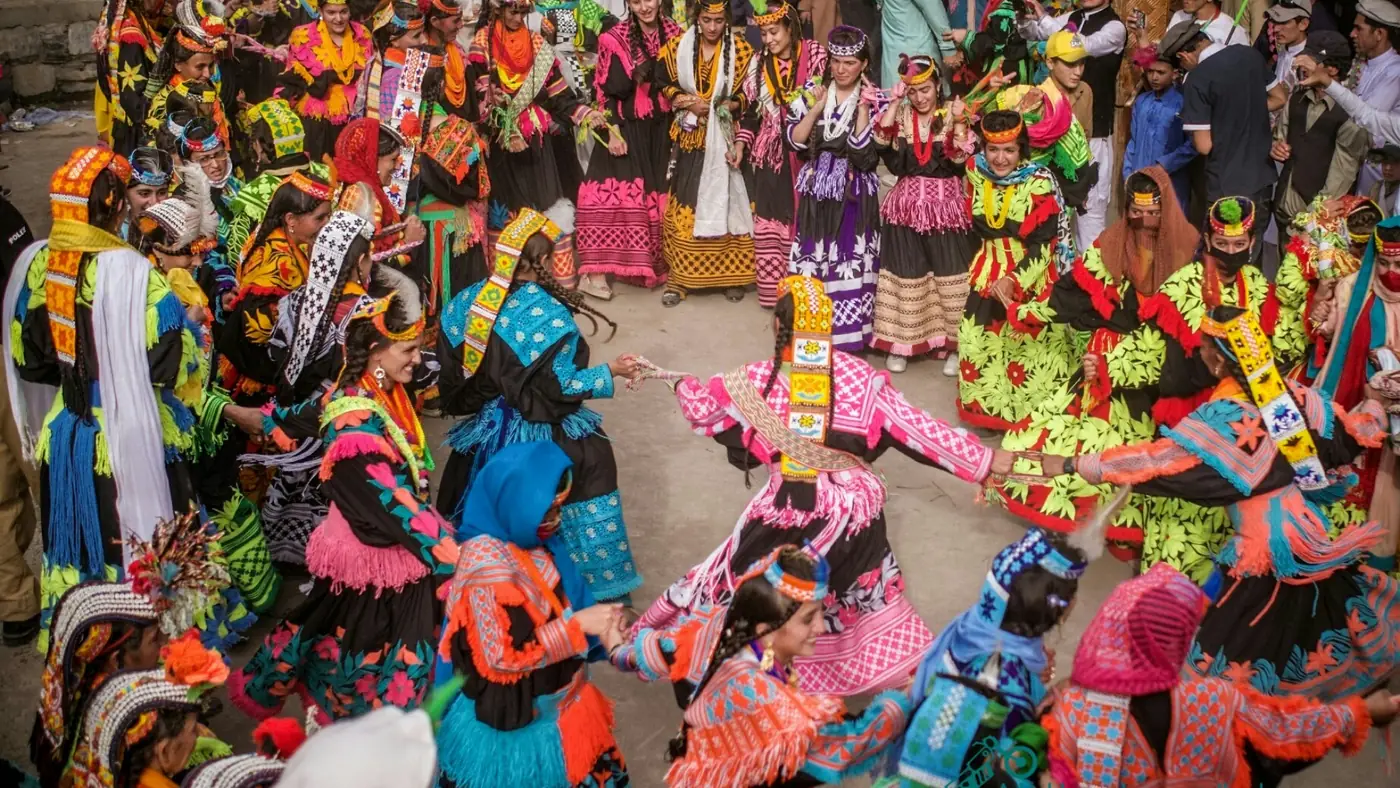
A tented village goes up around the ground for the festival, run partly by tour operators who bring their own equipment and partly by the local administration. Most visitors on an organised trip sleep in two-person tents, with a mess tent for meals and separate toilet tents, all put up and struck by camp crew rather than guests. If you are travelling independently, some tour operators sell tent space or full camping packages without requiring you to book their whole trip; ask before you arrive rather than expecting to find spare capacity on the day.
The advantage is obvious: you wake up steps from the ground on match days, with none of the early-morning traffic that clogs the road from Mastuj or Phander. The disadvantage is the cold. At 3,700 metres, even a clear summer day drops sharply after sunset, and a poorly insulated tent or a thin sleeping bag makes for a miserable night. Bring more warm layers than you think you need, or confirm exactly what bedding a booked package includes before you rely on it.
Staying in Mastuj
Mastuj, on the Chitral side, is roughly 40 km from Shandur and the nearest town with any real choice of rooms. It has a small number of guesthouses, including a heritage stay built into the old fort's orchard, but capacity is limited and every bed in town is in demand for festival weekend. Our guide to Mastuj covers the town and its fort in more detail.
Staying in Mastuj means an early start on match days, since the road up to the ground gets busy with festival traffic, and a comfortable retreat to an actual bed and a hot meal each evening.
Staying in Phander or Gupis
On the Gilgit-Baltistan side, Phander and Gupis offer a similar trade-off: real rooms, a longer drive to the ground each day, and a green, lake-side setting that is more comfortable to relax in than a windswept camp. The road from Gilgit to Phander is paved and straightforward; the final stretch up to Shandur from Phander is not, and is slow going in festival traffic.
Either side works logistically. Which one suits you mostly comes down to which direction you are travelling from, Chitral or Gilgit, since backtracking to the other side after the festival adds a long day to the trip either way.
Booking and what to expect
Rooms in Mastuj, Phander and Gupis, and tented packages at the ground, are booked out well ahead of the festival once dates are announced, and prices rise accordingly for the few days around it. If you are planning around the festival specifically, book as soon as dates are confirmed rather than waiting.
A few practical points wherever you sleep:
- Bring cash. There is no reliable banking or card payment at Shandur itself, and limited facilities in Mastuj and Phander.
- Expect very little or no mobile signal at the ground and patchy coverage in the nearby towns.
- Pack for winter, not summer, regardless of the month. A warm sleeping bag or extra blankets, a proper jacket, and something for your head and hands after dark.
- Toilets and washing facilities at camp are basic. This suits people used to trekking or camping better than those expecting hotel standards.
Who this suits
Camping at the ground suits people who want to be part of the festival atmosphere in the evenings and mornings, and who don't mind a cold, basic night for it. A guesthouse in Mastuj or Phander suits families, older travellers, or anyone who wants a proper bed and a hot shower at the end of the day, at the cost of a longer drive to and from the ground.
Our Gilgit, Hunza and Khunjerab tour can be adapted around festival dates for travellers approaching from the Gilgit-Baltistan side, with logistics for the drive up to Shandur built in. Our trip planning notes cover how to fit a festival trip like this into a wider itinerary.
Frequently asked questions
Can I just turn up and find a tent or a room at Shandur?
It is risky. Rooms in Mastuj and Phander and tented packages at the ground fill up once festival dates are confirmed, and arriving without a booking during the festival can mean nowhere to sleep.
Is it very cold at night during the festival?
Yes. Shandur sits at about 3,700 metres, and nights can fall below freezing even during the June or July festival dates, regardless of how warm the day was.
Is Mastuj or Phander a better base?
Neither is clearly better; it depends which side you are travelling from. Mastuj suits those coming from Chitral, Phander or Gupis those coming from Gilgit, and both involve a drive to and from the ground each day.
Are there toilets and washing facilities at the campsite?
Basic ones are provided in the tented village, but standards are simple. This suits travellers used to trekking or camping conditions better than those expecting hotel-level facilities.
Do I need to bring my own camping gear?
Not necessarily. Several tour operators supply tents, bedding and meals as part of a festival package, but confirm exactly what is included before you travel, since standards and warmth vary between operators.
Is Chitral safe for overseas visitors?
Pakistani tourists visit Chitral throughout the season, but as of September 2026 the UK government advises against all travel on the N45 from Mardan to Chitral city, which is the main road in through Dir and the Lowari Tunnel, and within 10 miles of the Afghan border. If you hold a foreign passport, check your own government's advice before you go, because travelling against it can void your insurance. Everyone should check local news and current police advice before setting out.