
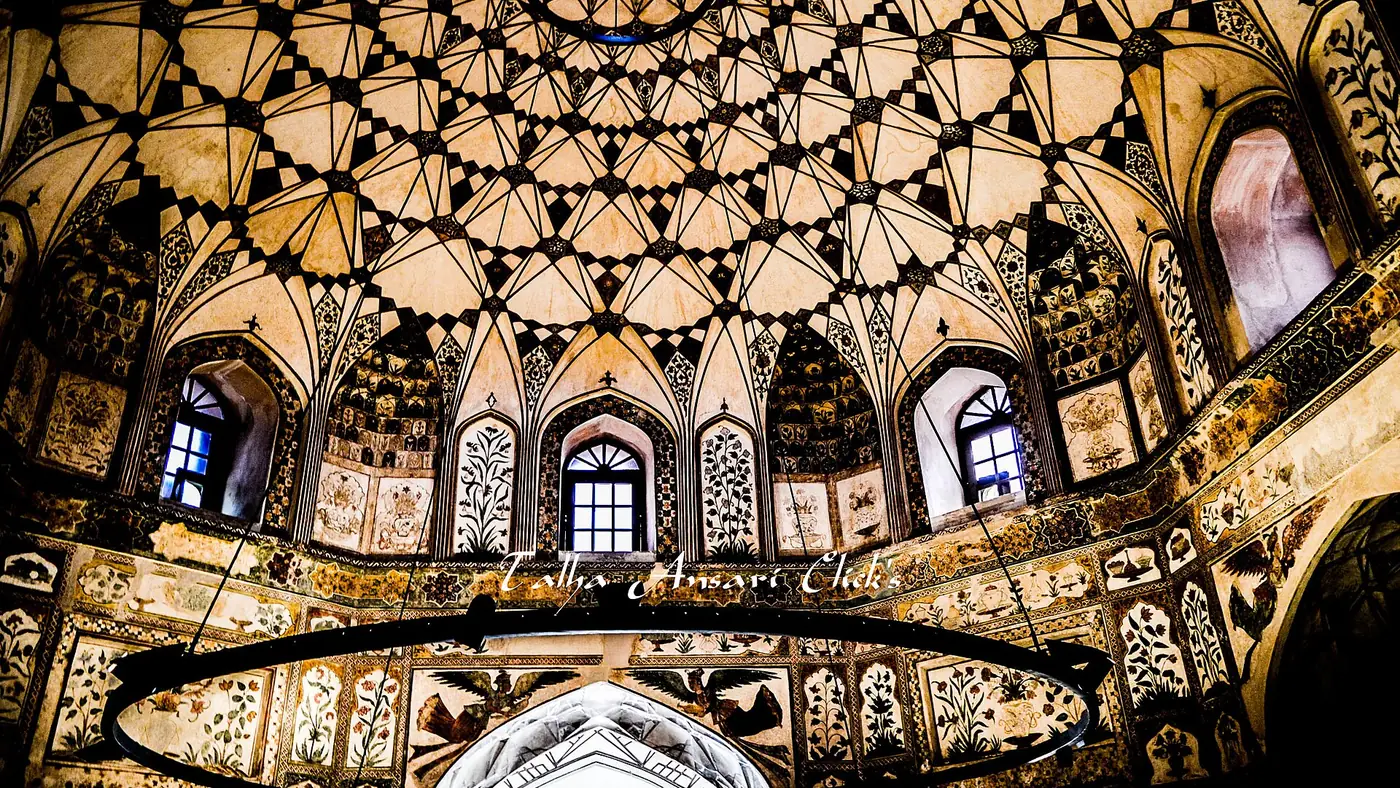
The Shahi Hammam, just inside Delhi Gate in Lahore's Walled City, is a Mughal-era bathhouse from 1635 that was restored between 2013 and 2015 and now operates as a small, ticketed museum. It opens daily from around 8 am to 8 pm, with a modest entry fee, and takes twenty to thirty minutes to see properly. Most visitors combine it with Wazir Khan Mosque, a two-minute walk away.
| At a glance | |
|---|---|
| Also known as | Wazir Khan Hammam |
| Built | 1635, under Shah Jahan |
| Restored | 2013–2015, by the Aga Khan Trust for Culture and the Walled City of Lahore Authority |
| Hours | Roughly 8 am to 8 pm daily |
| Entry fee | A small charge for Pakistani visitors, higher for foreign nationals |
| Time needed | 20–30 minutes |
What the Shahi Hammam is
The Shahi Hammam, or Wazir Khan Hammam, was built in 1635 by Hakim Ilm-ud-din Ansari, known as Wazir Khan, the same Mughal-era physician and governor of Lahore who commissioned the mosque that bears his name nearby. It served as a public bathhouse in the Persian and Central Asian hammam tradition, with a sequence of heated and unheated chambers, an underfloor heating system and a network of water channels, all built to serve the Walled City's residents rather than just the elite.
By the twentieth century the building had fallen into disrepair and lost most of its original function. Between 2013 and 2015, the Aga Khan Trust for Culture, working with the Walled City of Lahore Authority and with funding from the government of Norway, carried out a major conservation project that exposed and restored the original waterworks, drainage and heating systems, the historic floor level, and the Mughal-period frescoes on the walls and ceilings. The project won a UNESCO Asia-Pacific Award of Merit for Cultural Heritage Conservation in 2016, and it was one part of a wider effort that also restored Wazir Khan Chowk and the surrounding Shahi Guzargah, the historic route through this part of the old city.
What you see inside
The hammam is laid out as a sequence of domed chambers, moving from cooler outer rooms to the hotter inner chambers that once held the bathing pools. Restored sections show the original brickwork, the underfloor flue system that carried heat through the building, and painted ceiling panels with floral and geometric motifs typical of Mughal-era decoration, similar in style to the frescoes at Wazir Khan Mosque nearby. Information panels through the building explain the restoration process alongside the history, useful if you want context rather than just the visuals.
The scale is modest compared with the mosque or the fort, which is part of the appeal: it is an intimate, quiet stop rather than a large monument, and rarely crowded even when the rest of the old city is busy. One of the restored chambers, sometimes referred to as the "cold room," gives a particularly clear sense of the original layout, with its domed ceiling and side niches largely intact, and is worth pausing in rather than walking straight through.
How the bathhouse actually worked
The hammam was built around 21 interconnected rooms, following the hot-warm-cold sequence typical of Persian and Central Asian bathhouses: travellers and residents moved from a cold entry room through a warm chamber into the hottest inner rooms, where furnaces burned wood beneath the floor and channelled hot air and steam through brick hypocausts, a network of under-floor passages, to heat both the floor and the water in the reservoirs above. Alongside bathing, the hammam offered massage and what would now be called spa and sauna facilities, serving travellers arriving in the Walled City as much as its residents. Restoration work exposed sections of this heating system, and some are left visible today so visitors can see how it functioned rather than only the decorated surfaces above it.
Tickets and timings
Entry is charged in tiers: a small fee for students with a valid ID, a modest fee for Pakistani visitors with a CNIC, and a considerably higher fee for foreign visitors. Prices at heritage sites in the Walled City change from time to time, so treat any specific figure as a guide and check the ticket counter on the day. The hammam is generally open all seven days from around 8 am to 8 pm.
Getting there
The Shahi Hammam sits just inside Delhi Gate, on the route most walking tours of the Walled City follow. From Delhi Gate it is a short walk in; from Wazir Khan Mosque, it is about two minutes back toward the gate. There is no dedicated parking at the site itself; visitors typically park near Delhi Gate and walk the old city on foot, since the surrounding lanes are narrow and largely pedestrian.
Combining it with the rest of the old city
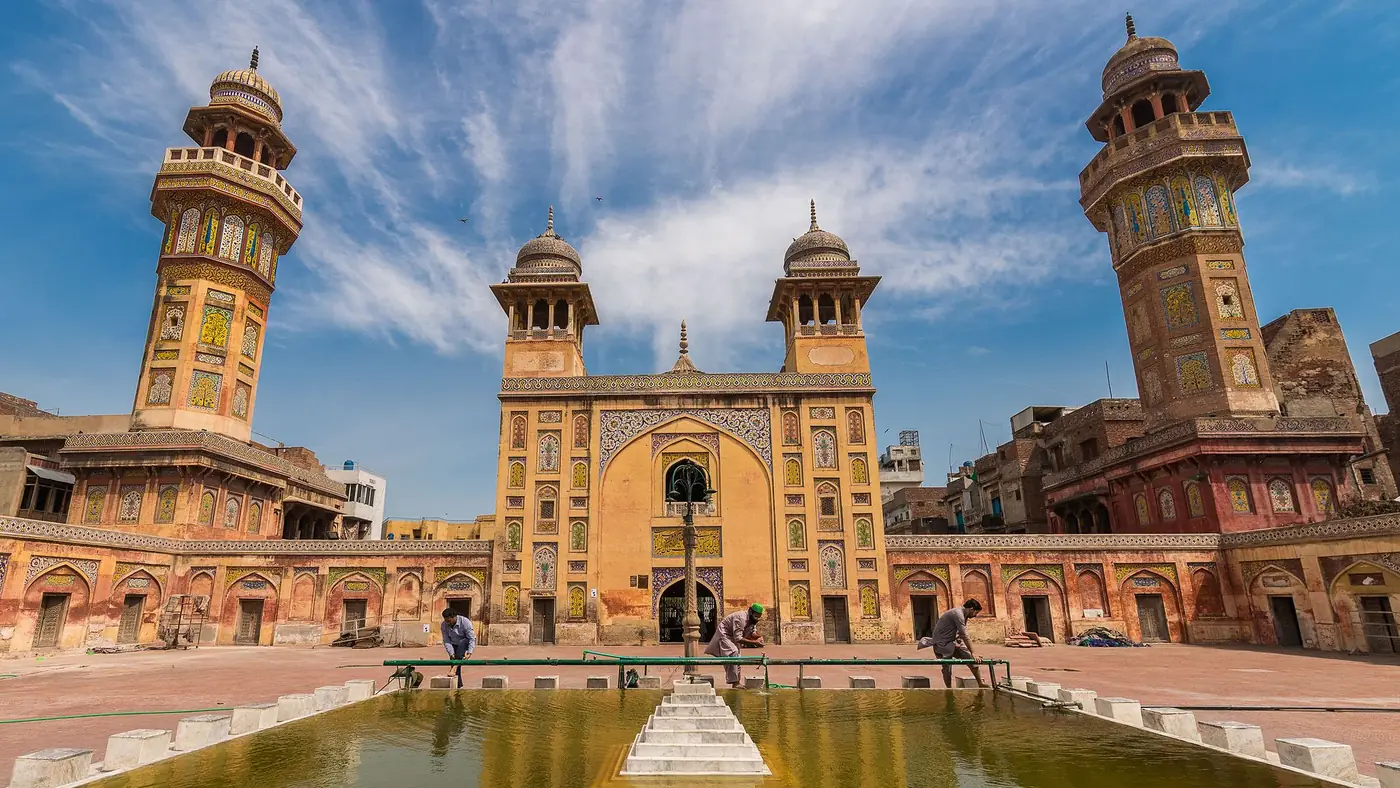
The hammam fits naturally into the Royal Trail walk through the Walled City: in at Delhi Gate, the hammam first, then Wazir Khan Mosque and Wazir Khan Chowk, through Kashmiri Bazaar to the Sunehri Masjid, and on to the Lahore Fort and Badshahi Mosque. Our guide to Wazir Khan Mosque covers the next stop in detail, and our Walled City of Lahore guide sets out the full route with timings.
When to visit
Any time within opening hours works, since the hammam is an indoor stop unaffected by heat or light in the way an open courtyard is. It makes a good midday break during a hot-weather walk through the old city, since the thick walls keep the chambers noticeably cooler than the lanes outside.
Is it worth the stop?
Yes, particularly if you are already walking the old city between Delhi Gate and the fort. It is a short visit, so there is little cost to adding it, and the restoration work is a rare chance to see Mughal-era engineering, not just decoration, up close.
Frequently asked questions
How much does it cost to enter the Shahi Hammam?
There are tiered rates: a small fee for students, a modest fee for Pakistani visitors, and a higher fee for foreign nationals. Rates change periodically, so check at the ticket counter.
What are the opening hours?
Roughly 8 am to 8 pm, seven days a week, though it is worth confirming locally as hours can shift around public holidays.
How long does a visit take?
Twenty to thirty minutes is enough to walk through the chambers and read the information panels at an unhurried pace.
Is the Shahi Hammam still used as a bathhouse?
No, it now operates as a restored heritage site and small museum rather than a functioning bathhouse.
Is the Shahi Hammam near Wazir Khan Mosque?
Yes, it is about a two-minute walk away, just inside Delhi Gate, and the two are usually visited together as part of a Walled City walk.
Is the site suitable for a quick visit if I am short on time?
Yes. Because it is small, it fits easily into a Walled City itinerary without needing a dedicated half-day, unlike the fort or the mosque.
.jpg)