
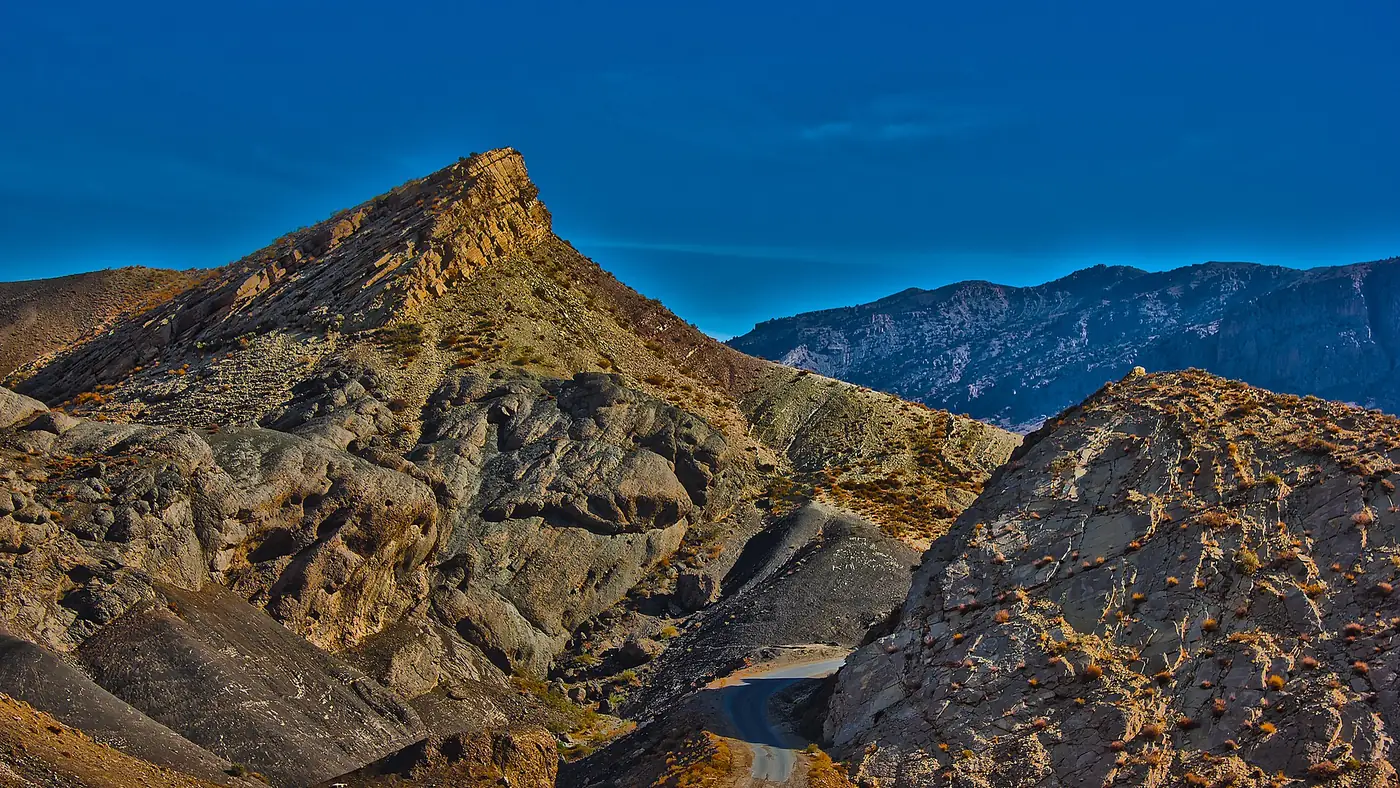

The Quaid-e-Azam Residency in Ziarat is the wooden hill-station house where Muhammad Ali Jinnah, gravely ill with tuberculosis, spent much of the last summer of his life in 1948. Built in 1892 as a British sanatorium, it is now a museum, rebuilt after militants destroyed it with rockets in 2013. It sits in the town of Ziarat, in the hills north-east of Quetta, and is usually the first stop on any visit to the town.
This guide covers what happened here in 1948, how the building survived an earthquake and an attack, and what to expect if you visit.
| At a glance | |
|---|---|
| What it is | The house where Jinnah spent his final months, now a museum |
| Built | 1892, as a British-era sanatorium |
| Jinnah's stay | Around July to 13 August 1948 |
| Rebuilt | After a 2013 attack; reopened 14 August 2014 |
| Where | Ziarat town, about 125 km north-east of Quetta |
| Documents | Original CNIC; foreign nationals need a No Objection Certificate |
| Check first | The security situation in Ziarat district |
Why Jinnah came to Ziarat in 1948
By mid-1948 Jinnah's tuberculosis, kept secret from almost everyone outside his own doctors, had worsened badly. On his doctors' advice he was moved from Karachi to Quetta on 6 July 1948 and shortly afterwards to the cooler, higher retreat at Ziarat, where the house had earlier served as a summer residence for the region's British administrators.
He did not simply rest. He continued to receive government dispatch boxes and held meetings with visitors, including the prime minister, Liaquat Ali Khan, and the cabinet secretary. His sister, Fatima Jinnah, stayed in the room next to his on the upper floor and nursed him through his final weeks. He left Ziarat for Quetta on 13 August 1948, then flew to Karachi on 11 September 1948, where he died that night.
Inside the Residency
The building is a two-storey wooden structure with deep verandas, the kind of hill-station architecture the British built across the subcontinent for its cool air rather than for scenery. After Partition it was converted into a museum and declared a national monument, and it appears on the back of Pakistan's 100-rupee note.
Inside, the rooms display furniture, personal effects and photographs from Jinnah's stay, including items used by him and his sister. Room labels and captions are mostly in Urdu and English, and the layout is simple enough to see everything in half an hour to an hour, longer if you read every caption. The building also survived, and was damaged by, the earthquakes of October 2008 that struck the Ziarat area, before the far more serious damage of 2013.
The house sits in its own grounds, with lawns and juniper trees around it, and the wider setting is as much a part of the visit as the rooms themselves. Photographs of the building from before 1948, when it was still a summer residence for British officials, show the same deep verandas and steep wooden roof that were rebuilt after the fire, so the Residency you see today looks close to how Jinnah himself would have seen it.
The 2013 attack and the rebuild
In the early hours of 15 June 2013, gunmen belonging to the Balochistan Liberation Army attacked the Residency, firing rockets into the wooden building and setting it alight. Much of the structure, including original furniture and fittings connected to Jinnah's stay, was destroyed. It was one of the more shocking acts of the long conflict in Balochistan, aimed squarely at a symbol of the state.
The federal government announced a rebuild within days, and the Balochistan government funded reconstruction using original photographs, drawings and surviving material as a guide. Work was carried out with national and international conservation expertise, and the rebuilt Residency was inaugurated on 14 August 2014, Pakistan's Independence Day.
Visiting hours, entry and photography
The Residency is open to visitors as a museum, with a security check at the gate, as at any high-profile monument in Balochistan. Opening times are not published in a single official source and have changed in the past, so ask locally in Ziarat or Quetta on the day, and don't plan to arrive right at dusk.
Personal photography inside the grounds is generally allowed, but follow whatever the staff or security personnel on duty tell you, and don't photograph the security posts around the site. There is no reliably published entry fee; carry some cash in case one is charged at the gate.
The quietest time to visit is on a weekday morning, before groups arrive from Quetta on a day trip; weekends and holidays bring more visitors and a longer wait at the security check. Allow a little extra time in your schedule if you are combining the Residency with the juniper forest or Prospect Point on the same day, since the security check at the gate is not always quick.
Getting there
The Residency is in Ziarat town itself, an easy walk or short drive from wherever you are staying. Ziarat is about 125 km from Quetta by road, roughly two and a half to three hours' drive via Kuchlak and Kach; our guide to the Quetta to Ziarat drive covers the road in detail, and our Karachi to Ziarat guide covers the longer journey by air or road. Most visitors combine the Residency with the rest of the town in a single day; our round-up of places to visit in Ziarat covers the juniper forest and the viewpoints nearby.
Is it worth visiting?
For anyone with an interest in Pakistan's founding, yes, and it is the reason many Pakistanis first come to Ziarat at all. Standing in the rebuilt rooms where Jinnah spent his last working weeks, and knowing what happened to the building in 2013, gives the visit a weight that photographs of the exterior don't convey.
If history isn't the draw for your trip, the Residency is still worth the half hour it takes to see, since it sits in the town centre and asks little of your day. The rest of Ziarat's appeal, the juniper forest above the town and the viewpoints around it, is what fills the rest of a one or two day visit. Before travelling, read our guide to whether Ziarat is safe to visit, since the district has had serious security incidents in recent years.
Frequently asked questions
Why is the Quaid-e-Azam Residency famous?
It is where Muhammad Ali Jinnah, Pakistan's founder, spent much of his final summer in 1948 while seriously ill with tuberculosis, before he was moved to Quetta and then Karachi, where he died in September that year.
What happened to the Residency in 2013?
Militants from the Balochistan Liberation Army attacked it with rockets on 15 June 2013, destroying much of the original wooden structure. It was rebuilt by the Balochistan government and reopened on 14 August 2014.
Is the Residency open to the public now?
Yes, it operates as a museum with exhibits from Jinnah's stay. Expect a security check at the gate, and check locally for the current opening hours, since these are not published in one official source.
Is there an entry fee?
No fee is reliably published online. Carry some cash in case one is charged at the gate on the day.
How far is the Residency from Quetta?
About 125 km, usually two and a half to three hours by road via Kuchlak and Kach, the same route used to reach the rest of Ziarat.
Can I take photographs inside?
Personal photography is generally allowed in the grounds, but follow instructions from staff and security personnel, and avoid photographing the security posts around the site.
Is Balochistan safe for overseas visitors?
Pakistani travellers do visit, but as of September 2026 the UK government advises against all travel to Balochistan. If you hold a foreign passport, check your own government's advice before you go, because travelling against it can void your insurance. Everyone should check local news and current police advice before setting out.