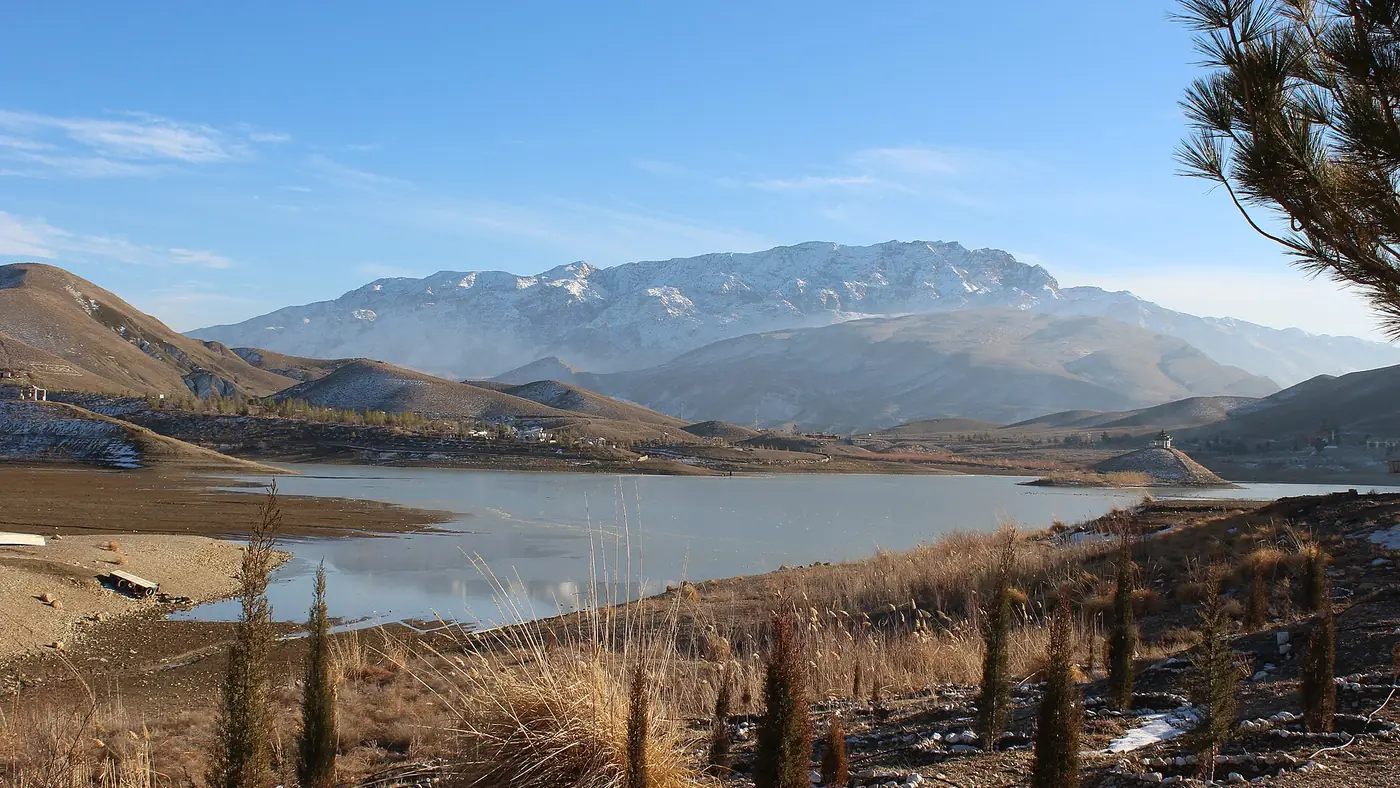
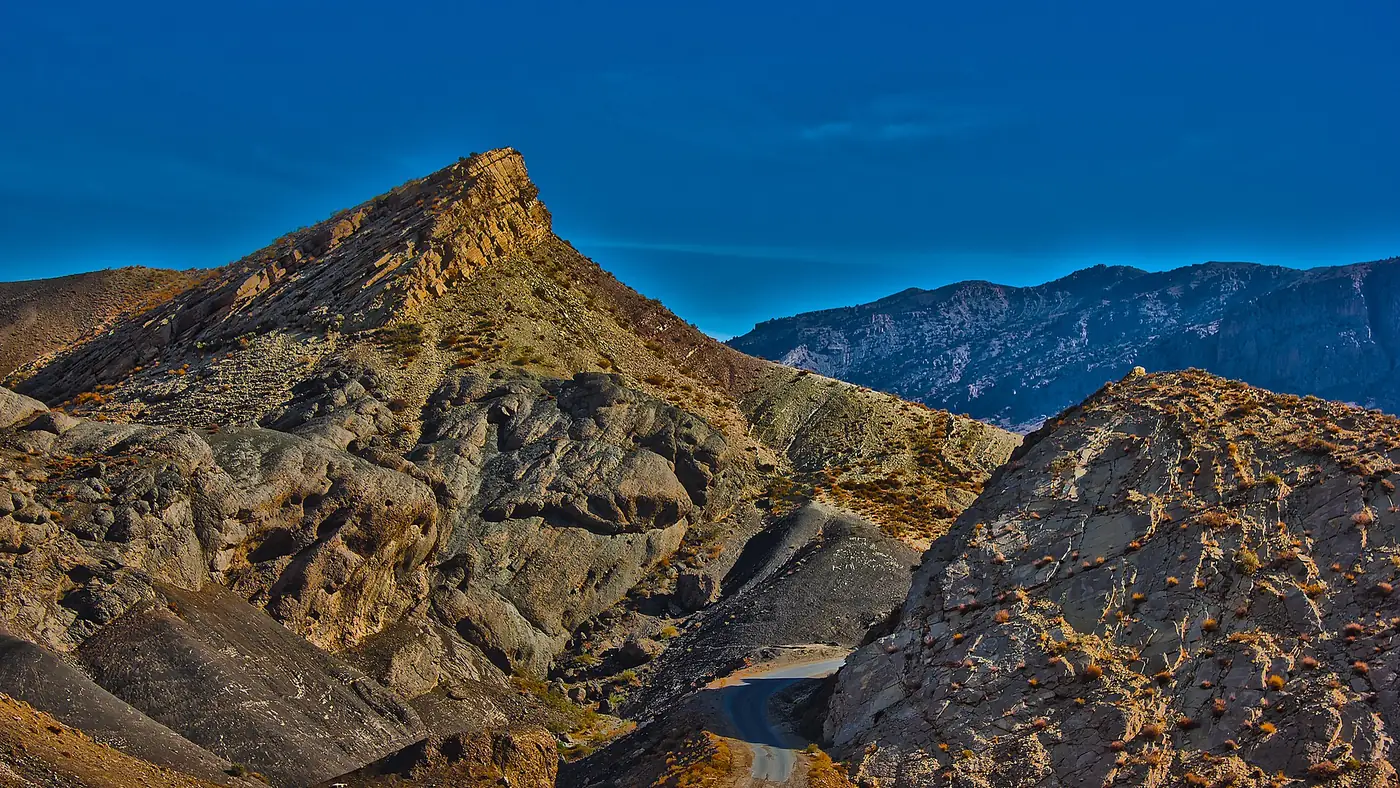
The main places to visit in Ziarat are the Quaid-e-Azam Residency, where Jinnah spent some of his last weeks; the juniper forest that covers the hills around the town; Prospect Point, a viewpoint about 6 km out; Sandeman Tangi, a gorge with a waterfall about 4 km away; the shrine of Kharwari Baba; and the gorges along the road from Quetta, such as Fern Tangi. They are all within a short drive of each other, and two unhurried days cover them. Ziarat is about 125 km from Quetta, and the security situation in the district needs checking before you go.
This guide describes each place, how far it is from town, and how to fit them together.
| At a glance | |
|---|---|
| Where | Ziarat district, Balochistan, about 125 km north-east of Quetta |
| Altitude | Around 2,500 m |
| From Quetta | About 2.5 to 3 hours by road, via Kuchlak and Kach |
| Time needed | 1 full day for the essentials; 2 days to see it properly |
| Main season | May to September; December to February for snow |
| Nearest sights | Residency in town; Sandeman Tangi 4 km; Prospect Point 6 km; Kharwari Baba 8 km; Fern Tangi 10 km |
| Documents | Original CNIC; foreign nationals need a No Objection Certificate |
| Foreign government advice | The UK advises against all travel to Balochistan |
Quaid-e-Azam Residency
The Residency is the reason most Pakistanis first hear of Ziarat. It is a two-storey wooden building with deep verandas, built by the British in 1892 as a sanatorium. Jinnah was brought here in July 1948, already seriously ill with tuberculosis, and stayed until 13 August; he died in Karachi the following month. The building appears on the back of the 100-rupee note.
After Partition it became a museum and a national monument. On 15 June 2013 militants attacked it with rockets and the fire destroyed much of the wooden structure. It was rebuilt and reopened on 14 August 2014. Inside are furniture and photographs from Jinnah's stay, and the building stands in its own gardens.
Opening times are not published online and have changed in the past, so ask in town before you go, and expect a security check at the gate.
The juniper forest
The hills around Ziarat carry one of the largest juniper forests in the world, about 110,000 hectares of it, known locally as sanobar. UNESCO declared the forest a biosphere reserve in 2013. The trees grow extremely slowly, and some are thought to be thousands of years old, though no proper study has confirmed their ages.
You don't need to go anywhere special to see the forest; it begins at the edge of the town. The pleasure is in walking among the gnarled, twisted trunks on the slopes above the Residency, or along the quieter roads towards Prospect Point and Sandeman Tangi. The forest has been thinned by cutting for fuel over the decades, so don't break branches or light fires with juniper wood. UNESCO's page on the Ziarat juniper forest biosphere reserve has more on why it is protected.
Prospect Point
About 6 km from town, Prospect Point is a ridge-top viewpoint well above the town, looking out over juniper-covered hills and the valley below, with Khalifat, the high mountain above Ziarat, in view. A road goes up, and there is a rest house near the top.
Go in the late afternoon, when the light on the slopes is warm and the crowds of the morning have gone. It is colder and windier than the town, so take a jacket even in summer. Walking part of the way up is the best way to see the forest at close quarters; allow a couple of hours if you walk both ways.
Sandeman Tangi
Sandeman Tangi is a narrow gorge about 4 km from Ziarat where a spring-fed stream spills over rocks in a small waterfall. It was once known as Droond Tangai and was renamed after Sir Robert Sandeman, the British officer who administered Balochistan in the late 19th century.
The road gets you close; the last part is a short walk into the gorge. It is a favourite picnic spot, busy on summer weekends, and at its best in spring and early summer when the water is flowing well. The rocks by the water are slippery, so keep children close.
Kharwari Baba, Fern Tangi and the other gorges
The shrine of Kharwari Baba
Ziarat means shrine, and the best known here is that of Kharwari Baba, a Sufi saint whose tomb lies in a valley below Prospect Point, about 8 km from town. Devotees come to pray and make offerings, and families come for the spring water beside it. Dress modestly, remove your shoes where others do, and be quiet around the shrine.
Fern Tangi and the gorges on the Quetta road
The road from Quetta passes several gorges, or tangis, cut into the hills: Fern Tangi, about 10 km before Ziarat, and further out Chutair, Kawas and others. Each is a short diversion from the main road and makes a good stop on the way in or out. Their water depends on the season; after a dry winter some are little more than damp rock.
How to see Ziarat in one or two days
The sights are close together, and the order matters mostly for light and crowds.
One full day
- Leave Quetta early and stop at Fern Tangi on the way in.
- The Residency in the late morning.
- Lunch in town, then a walk in the juniper forest above the Residency.
- Prospect Point for the late afternoon light.
That is a long day if you are returning to Quetta the same evening. Leave Ziarat with at least three hours of daylight in hand.
Two days
- Day one: arrive by midday, the Residency, then a walk towards Prospect Point for the sunset.
- Day two: Sandeman Tangi in the morning, Kharwari Baba, then the drive back to Quetta by early afternoon, with a stop at one of the other gorges.
Ziarat has a limited choice of hotels and rest houses, so arrange a room before you arrive, especially in July and August and over long weekends.
When to go
May to September is Ziarat's main season, when it is far cooler than Quetta, let alone Karachi or Sukkur, and the tangis have water. December to February brings snow in most years, which changes the trip completely; our guide to Ziarat in the snow covers the months, the road and how to avoid getting stuck. Spring and autumn are quiet, cool and often the most pleasant time for walking.
Is Ziarat safe to visit?
Pakistani families from Quetta, Punjab and Karachi do still holiday in Ziarat. But the district has seen serious violence recently, and you should plan with that in mind.
- July 2026, Mangi Dam. Militants attacked a police post guarding the Mangi Dam water project in Ziarat district, killing nine police officers on the spot and abducting others who were later killed. Dawn and other papers covered the attack and the inquiry that followed.
- Holiday closures. Over Eid in 2025, the district administrations of Quetta, Ziarat and Harnai closed recreational spots to visitors under Section 144 on security grounds, and tourist entry to Ziarat and Harnai was curbed again in 2026.
Before you set out, check the news and ask whether visitors are being allowed in, especially around Eid, and drive the Quetta road in daylight only. For overseas visitors, the UK's Foreign Office travel advice for Pakistan advises against all travel to Balochistan, which can void travel insurance, and foreign nationals need a No Objection Certificate from the provincial government.
Is Ziarat worth visiting?
If you live in Quetta, or are already in Balochistan, yes: it is the obvious escape from the summer heat and the best snow within reach in winter. The Residency is a genuinely moving place for anyone with an interest in the country's history, and the juniper forest has no equal in Pakistan.
If you are coming from Karachi or Lahore just for Ziarat, weigh it honestly. It means a flight or a long road journey to Quetta, then the drive on, in a province under a heavy security advisory, for a small hill town with a handful of sights. For cool air and forest walks, the Galiyat or the valleys of the north are easier to reach; for snow, our round-up of where to see snow in Pakistan compares Ziarat with the alternatives. If you are already in Quetta with only half a day, Hanna Lake is the easy outing on the city's doorstep. If you would like help deciding, our trip planning page is a good place to start.
Frequently asked questions
What is Ziarat famous for?
The Quaid-e-Azam Residency, where Jinnah spent his last weeks in 1948, and its ancient juniper forest, one of the largest in the world and a UNESCO biosphere reserve since 2013.
How far is Ziarat from Quetta?
About 125 km by road via Kuchlak and Kach, usually two and a half to three hours. Snow can close or slow the road in winter.
How far is Prospect Point from Ziarat?
About 6 km from the town, reached by road. Walking part of the way up takes you through the juniper forest.
Is the Ziarat Residency open to visitors?
It has been open as a museum since it was rebuilt in 2014. Opening times are not published online, so ask locally before you go, and expect a security check.
How many days are enough for Ziarat?
One full day covers the Residency, a forest walk and Prospect Point. Two days let you add Sandeman Tangi, Kharwari Baba and the gorges without rushing.
What is the best time to visit Ziarat?
May to September for cool weather and walking, and December to February if you want snow. Check the security situation and any holiday closures before travelling.