
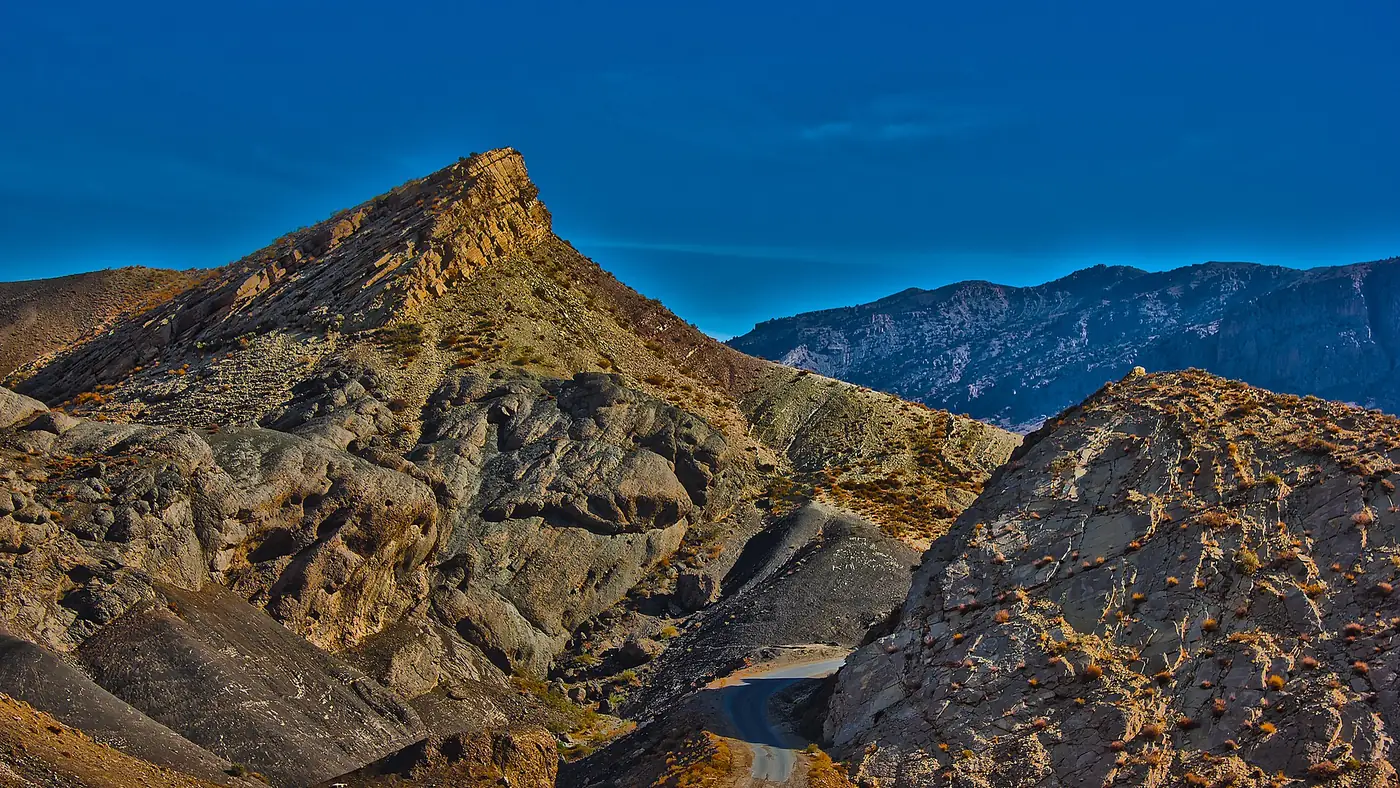

Ziarat's weather swings a long way between seasons: summer days reach the high twenties Celsius with cool nights, while winter nights fall well below freezing and the town gets snow most years. Sitting at around 2,400 to 2,500 metres in the hills north-east of Quetta, it is consistently cooler than Quetta itself and much cooler than the plains of Sindh and Punjab.
This guide goes through the year month by month, so you can match the weather to what you want from the trip.
| At a glance | |
|---|---|
| Altitude | About 2,400 to 2,500 m |
| Hottest months | June and July, highs around 27 to 28°C |
| Coldest month | January, lows around -8°C |
| Wettest months | Winter and early spring, with snow the main form of precipitation |
| Snow season | Late November to March, heaviest in January and February |
| Best for walking | May to September |
| Best for snow | January |
Ziarat weather month by month
- January: The coldest month. Daytime highs average around 5°C, with nights regularly down to about -8°C. This is the most reliable month for snowfall; our guide to Ziarat snowfall covers timing the trip around a forecast.
- February: Still cold, with highs around 7°C and nights near -5°C. This is typically the snowiest month of the year, and snow already on the ground can linger in shaded parts of the juniper forest.
- March: Milder, with highs climbing to around 13°C and nights still below freezing at roughly -1°C. A late snowfall is possible but rarely lasts.
- April: Spring arrives properly, with highs around 19°C and nights above freezing for the first time since autumn, at about 4°C.
- May: Warm and pleasant, highs around 25°C, nights around 9°C. One of the more comfortable months for a first visit, though some seasons still carry a chance of a late cold snap.
- June: One of the two hottest months, with highs around 28°C and nights around 13°C. Long, clear days and the forest at its greenest.
- July: The other hottest month, highs also around 28°C, with slightly warmer nights near 15°C. This is also when Ziarat sees its heaviest rainfall of the warmer months, though totals are modest compared with the monsoon further east.
- August: Still warm, highs around 26°C and nights near 13°C, with occasional rain.
- September: Cooling begins, highs around 24°C and nights around 8°C, generally dry and clear.
- October: Autumn proper, highs around 19°C and nights close to 2°C. This is when the forest and orchards around Ziarat take on autumn colour, and days are often sunny with little rain.
- November: Cold returns fast, highs around 13°C and nights around -4°C. Snow becomes possible from late in the month.
- December: Highs around 7°C and nights around -7°C, with snow likely in the second half of the month in most years.
These are typical figures built from long-run averages; any single year can run warmer, colder, wetter or drier, and a western disturbance can bring snow or a cold snap outside the months listed here.
Choosing a month by what you want
For walking and the juniper forest at its most comfortable: May, June or September. July and August are also fine but carry a small chance of rain; June is usually the driest and clearest of the warm months.
For families and an easy day trip from Quetta: April, May, September or October, when the weather is mild enough that neither heat nor cold shapes the day, and the roads are normally clear.
For snow: January is the safest bet, with February a close second. Neither is guaranteed; some winters are drier than others, and you should watch a short-range forecast rather than book around the calendar alone. See our Ziarat snowfall guide for how to time that specifically.
For quiet and clear light, without cold: October is often the best-kept secret, with autumn colour, dry weather and fewer visitors than the summer peak.
What to pack by season
Ziarat's altitude means the sun is stronger than the air temperature suggests, and the gap between day and night temperatures is large in every season, so pack for both ends of the day rather than just the daytime high.
- Summer (May to September): light layers for the day, a jacket or fleece for the evening, sunscreen and sunglasses, since the sun at 2,400 metres burns faster than it feels.
- Spring and autumn (March to April, October to November): proper warm layers, since mornings and evenings can be cold even when the afternoon is pleasant, plus a windproof layer for the viewpoints above town.
- Winter (December to February): full winter clothing, including a warm coat, hat, gloves and proper footwear for snow and ice underfoot, whether or not you plan to be outdoors for long.
What the weather means for the roads
Ziarat's weather affects more than comfort; it affects whether you can get there and back. In summer the road from Quetta via Kuchlak and Kach is straightforward in an ordinary car; in winter, snow and ice can slow or close it. Our Quetta to Ziarat drive guide covers the road itself, and it is worth checking conditions before setting out at either end of the snow season, when a clear morning in Quetta can still mean ice on the climb into Ziarat.
Is Ziarat's weather worth planning a trip around?
Yes, more than most places in Pakistan, because the contrast with Quetta and the plains is exactly what draws people here. A trip timed for June heat relief or January snow gets you something genuinely different from a random date in between.
If your dates are fixed rather than chosen around the weather, don't worry too much: Ziarat is workable for a day trip in most months, with only the depths of a heavy snowstorm or, at the other extreme, an unusually hot spell in high summer really changing the plan. For where to stay whatever the season, see our guide to Ziarat hotels, and for wider trip planning, our trip planning page.
Frequently asked questions
What is the coldest month in Ziarat?
January, with average highs around 5°C and nights down to about -8°C. It is also the most likely month for snow.
What is the hottest month in Ziarat?
June and July are both the warmest, with average highs around 27 to 28°C and cool nights, generally in the low teens Celsius.
Does it rain a lot in Ziarat?
No. Rainfall is modest year-round, with a little more in the warmer months and snow rather than rain in winter. It is a dry mountain climate, not a monsoon one.
When is the best time to visit Ziarat for good weather?
May, June, September and October are the most comfortable months, with mild days and little chance of extreme heat, cold or heavy snow disrupting the trip.
Is Ziarat colder than Quetta?
Yes, noticeably. Ziarat sits several hundred metres higher than Quetta and is consistently a few degrees cooler in every season, which is why it has long been a summer retreat from the city.
Can it snow in Ziarat outside winter?
It is unusual but not impossible for a late snowfall in March or an early one in November. The reliable snow season runs from late December to February.
Is Balochistan safe for overseas visitors?
Pakistani travellers do visit, but as of September 2026 the UK government advises against all travel to Balochistan. If you hold a foreign passport, check your own government's advice before you go, because travelling against it can void your insurance. Everyone should check local news and current police advice before setting out.