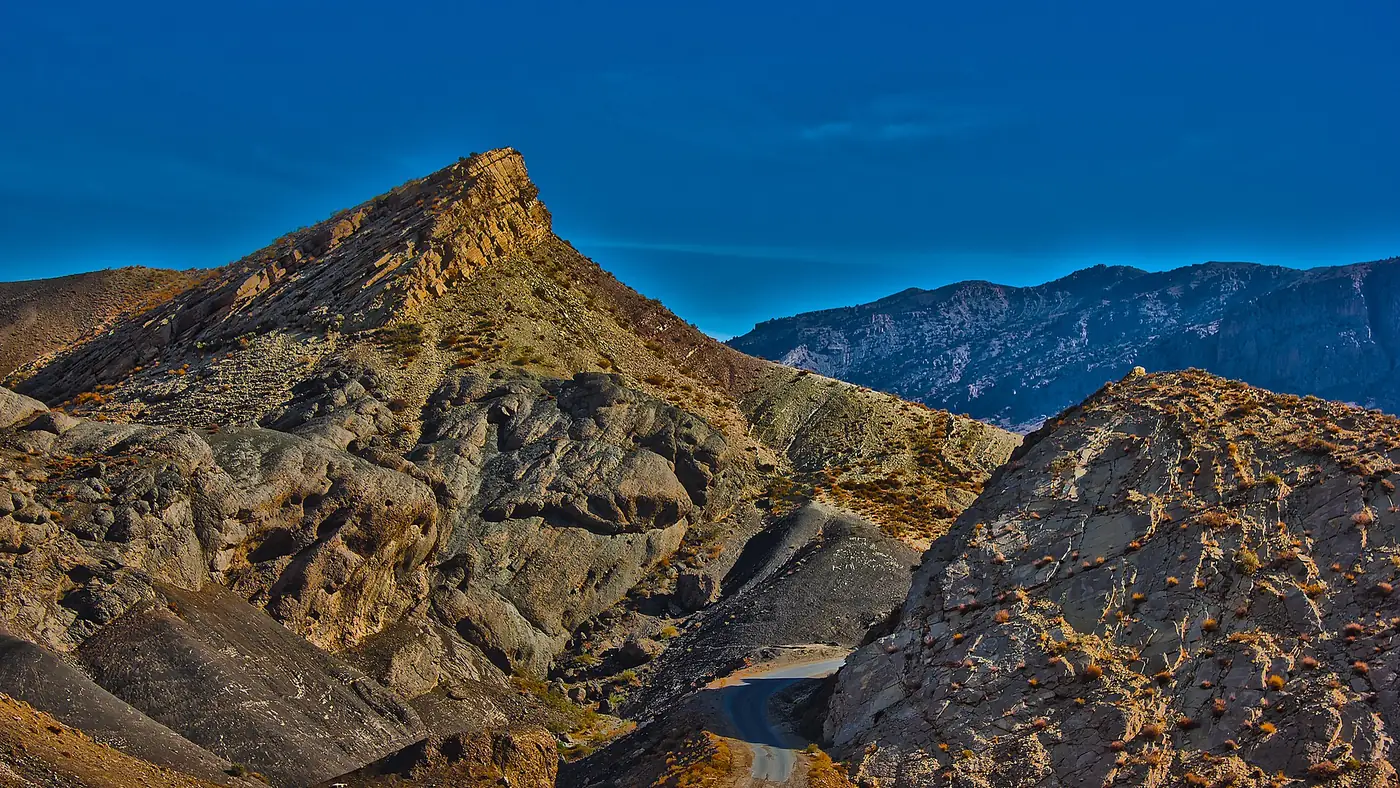
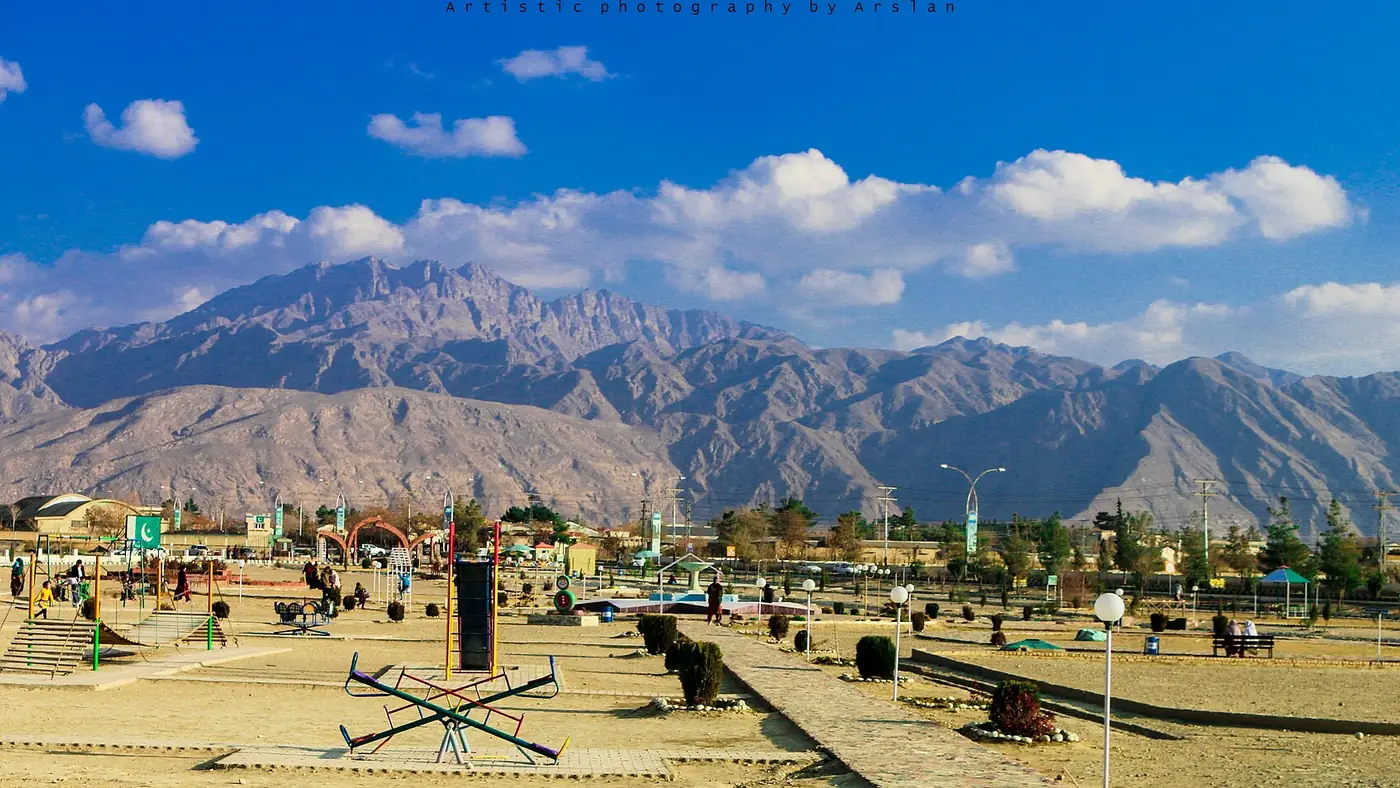
The main places to visit in Quetta are Hanna Lake and the Urak valley on the city's edge, Hazarganji-Chiltan National Park a short drive out, the old bazaars in the city centre, and a couple of small museums. Quetta itself sits at around 1,700 metres, ringed by the bare, dramatic hills of the Sulaiman and Toba Kakar ranges, and most of what draws visitors is just outside the city rather than in it. Balochistan carries a heavier security advisory than most of Pakistan, so check the current situation before you plan a trip around these places.
This guide covers each place, how far it is from the city, and what to know before you go.
| At a glance | |
|---|---|
| Where | Quetta, capital of Balochistan, about 1,700 m |
| Hanna Lake | About 17 km east of the city, 20 to 40 minutes' drive |
| Urak valley | About 20 to 25 km, beyond Hanna Lake |
| Hazarganji-Chiltan National Park | About 20 km south-west of the city |
| Bazaars | Central Quetta, walkable between several |
| Best season | April to October; cold and sometimes snowy in winter |
| Check first | Current security situation and any Section 144 closures |
Hanna Lake
Hanna Lake, a reservoir built by the British in 1894 at the mouth of the Urak valley, is Quetta's most popular picnic spot: boating, a lakeside restaurant, and turquoise water against bare brown hills. How much water is in the lake depends heavily on the previous winter's rain and snow, since it has dried out completely in past droughts, and the district administration has at times closed it to visitors on security grounds. Our full guide to Hanna Lake covers boating, the entry fee and how water levels change through the year.
Urak valley
Beyond Hanna Lake, the road continues up the Urak valley, known for its apple, peach and apricot orchards and a small waterfall near Wali Tangi Dam. It is a quieter extension of the Hanna Lake trip rather than a separate destination, best combined with it in the same half day out. Road conditions in the valley have been affected by past flood damage, so ask locally about the current state of the road before heading up.
Hazarganji-Chiltan National Park
About 20 km south-west of Quetta, on the slopes of the Chiltan mountains, this park was established in 1980 to protect the Chiltan ibex, a markhor subspecies found only in this part of Balochistan and nowhere else in the wild. It covers a large area of dry mountain and forest habitat, and beyond the ibex it supports leopards, wolves and a range of birds, though sightings of the larger animals are uncommon for casual visitors.
The park suits people interested in wildlife and open, empty landscape rather than a resort-style day out; there are no significant visitor facilities, so bring your own water and food. As with other picnic and recreation spots around Quetta, access has occasionally been restricted at short notice on security grounds, so check before you go.
Bazaars
Quetta's bazaars are as much a reason to visit as any single sight. Kandahari Bazaar is known for dried fruit, nuts and goods brought across the Afghan border. Liaquat Bazaar is the place for Balochi embroidery, wool shawls and traditional caps. Suraj Ganj Bazaar specialises in carpets and mirror work. They sit close together in the city centre and reward an unhurried walk, though as anywhere busy, keep valuables secure and agree prices before buying.
Museums
Quetta has a small Archaeological Museum, with artefacts connected to the region's ancient history, including material linked to the early Mehrgarh civilisation, Gandhara-era pieces and local tribal jewellery and ethnographic displays. It is a modest collection rather than a major national museum, worth an hour if you have an interest in the region's archaeology. There is also a smaller geological museum run by the Geological Survey of Pakistan, with fossils and mineral specimens from across the country. Opening days and hours for both are not consistently published online, so confirm locally before making a special trip.
How to fit Quetta into your time
- Half a day: Hanna Lake, if it has water, is the easiest and most rewarding single outing.
- A full day in the city: the bazaars in the morning, one of the museums, and Hanna Lake or Hazarganji-Chiltan National Park in the afternoon, depending on your interest in wildlife versus a lakeside picnic.
- Two or three days: add a trip out to Ziarat, about two and a half to three hours away, for the Residency and the juniper forest; our guide to places to visit in Ziarat covers it, along with the Quetta to Ziarat drive.
Is Quetta safe to visit?
Check current advice before you travel. Balochistan has seen serious security incidents in 2026, including a bombing that targeted a train near Quetta in May, and district authorities have at times closed recreational spots around the city, including Hanna Lake and Hazarganji-Chiltan National Park, on security grounds around holidays and high-profile events. Pakistani families do still visit these places, but check recent news and any local advisories in the days before your trip rather than assuming the situation matches an earlier visit. For overseas visitors, the UK's Foreign, Commonwealth and Development Office advises against all travel to Balochistan, which can affect travel insurance, and foreign nationals need a No Objection Certificate to travel in the province.
Is Quetta worth visiting?
For anyone in Balochistan or passing through on the way to Ziarat, yes: the mix of desert-edged hills, bazaars and a lake close to the city gives Quetta more to offer than a purely functional stopover. It suits travellers with a day or two to spend and an interest in a part of Pakistan far fewer tourists reach than the north.
As a destination chosen purely on its own merits from elsewhere in the country, it asks more of you, in travel time and in checking the security situation, than the Galiyat, Murree or the northern valleys do. If Quetta is part of a wider Balochistan or Ziarat trip already, it earns its place easily; our trip planning page can help fit it in.
Frequently asked questions
What is Quetta best known for?
Its setting among dry, dramatic hills, its bazaars, and as the gateway to Ziarat and the Balochistan hill country. Hanna Lake is the single most visited spot close to the city.
How far is Hanna Lake from Quetta?
About 17 km east of the city centre, a 20 to 40 minute drive depending on traffic.
Is Hazarganji-Chiltan National Park worth visiting?
Yes, for anyone interested in wildlife and open mountain landscape. It was set up to protect the Chiltan ibex, found nowhere else in the wild, though sightings of larger animals are uncommon for casual visitors.
What can you buy in Quetta's bazaars?
Kandahari Bazaar is known for dried fruit and nuts, Liaquat Bazaar for Balochi embroidery and wool shawls, and Suraj Ganj Bazaar for carpets and mirror work.
Is Quetta safe for tourists right now?
Check recent news before travelling. Balochistan has had serious security incidents in 2026, and some recreational spots around Quetta have been closed at short notice on security grounds, particularly around holidays.
How many days do you need in Quetta?
A full day covers the main sights in the city and Hanna Lake. Two or three days let you add Hazarganji-Chiltan National Park or a trip out to Ziarat without rushing.