The places to visit in Punjab, Pakistan fall into five regions. Lahore has the Mughal monuments and the old city. The Murree hills are the province's hill station. The Pothohar, around Islamabad, has Taxila and Rohtas Fort. The Salt Range has Khewra, Katas Raj and the lakes of Kallar Kahar and the Soon Valley. The south has Multan's shrines, Bahawalpur's palaces, Uch Sharif and the Cholistan desert. Each region makes a trip of two to five days, and most of the province is best from October to March, except the hills, which are best in summer.
Punjab is often treated as the place you drive through on the way north. This guide is the opposite: a region-by-region map of what is worth stopping for, how long each part takes, and how to string them together.
| At a glance | |
|---|---|
| Lahore | 2 to 3 days; October to March |
| Murree hills | 1 to 3 days; April to June and September to November, or winter for snow |
| Pothohar: Taxila, Rohtas | Day trips from Islamabad; October to April |
| Salt Range | 1 to 2 days; October to March |
| Multan | 1 to 2 days; November to February |
| Bahawalpur, Uch Sharif, Cholistan | 3 to 4 days; November to February |
| Fort Munro | 1 to 2 days from Multan or Dera Ghazi Khan; summer |
| Main roads | M-2 Lahore–Islamabad; M-3 and M-4 to Multan; M-5 Multan–Sukkur |
Lahore: the Mughal city
Lahore is the province's capital and its richest city for history, food and street life. The essentials are grouped around the old walled city:
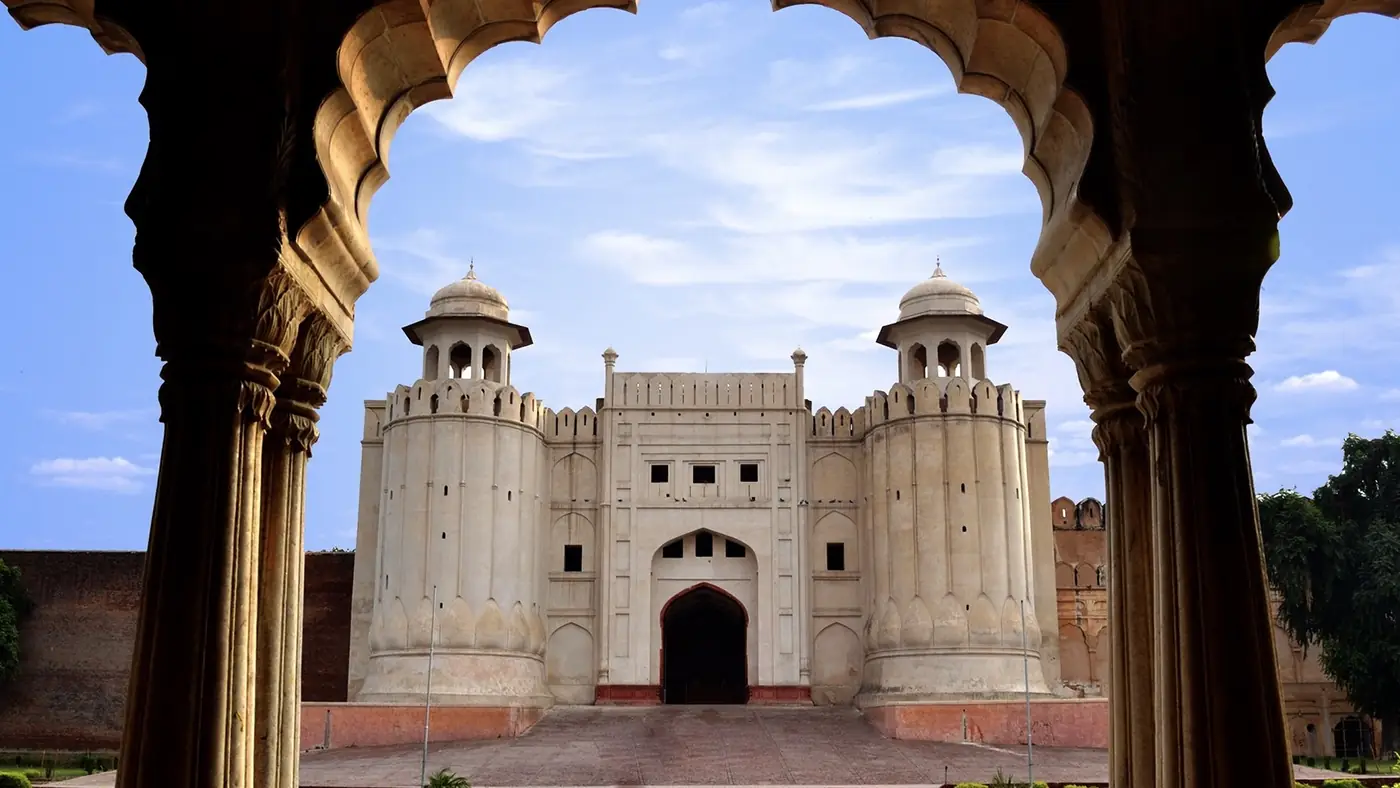
- Lahore Fort and the Shalimar Gardens, together a UNESCO World Heritage Site since 1981.
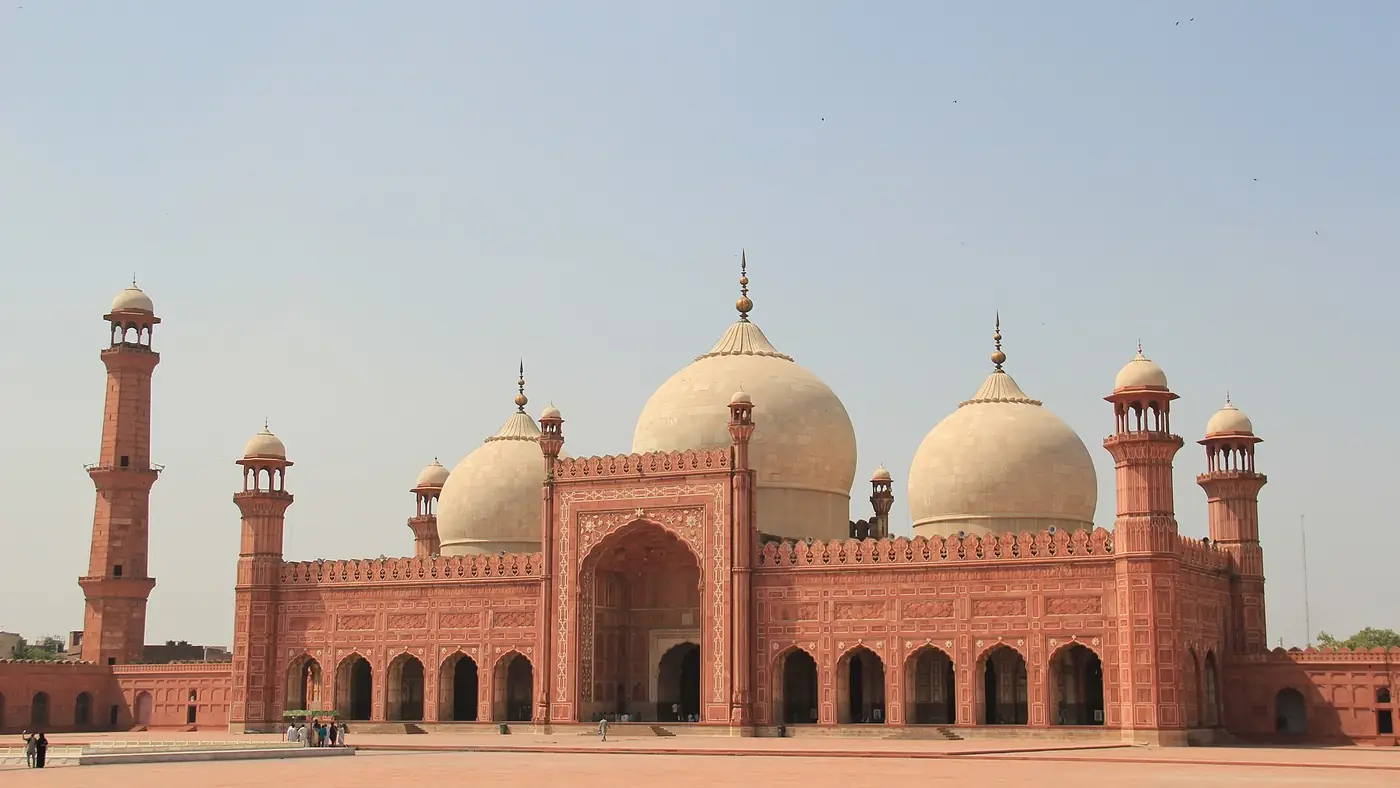
- The Badshahi Mosque, built by Aurangzeb in 1671–73, one of the largest mosques of the Mughal era, facing the fort across the Hazuri Bagh.
- The Wazir Khan Mosque, from the 1630s, covered in some of the finest tile and fresco work in the subcontinent.
- The walled city's lanes and bazaars, best walked with time to spare.
- The flag-lowering ceremony at Wagah, on the Indian border east of the city, held daily in the late afternoon.
Trip length: two full days for the monuments and the old city, three with Wagah and time for food. Best time: October to March; Lahore summers are very hot. Lahore is about four and a half hours from Islamabad by the M-2 motorway.
The Murree hills
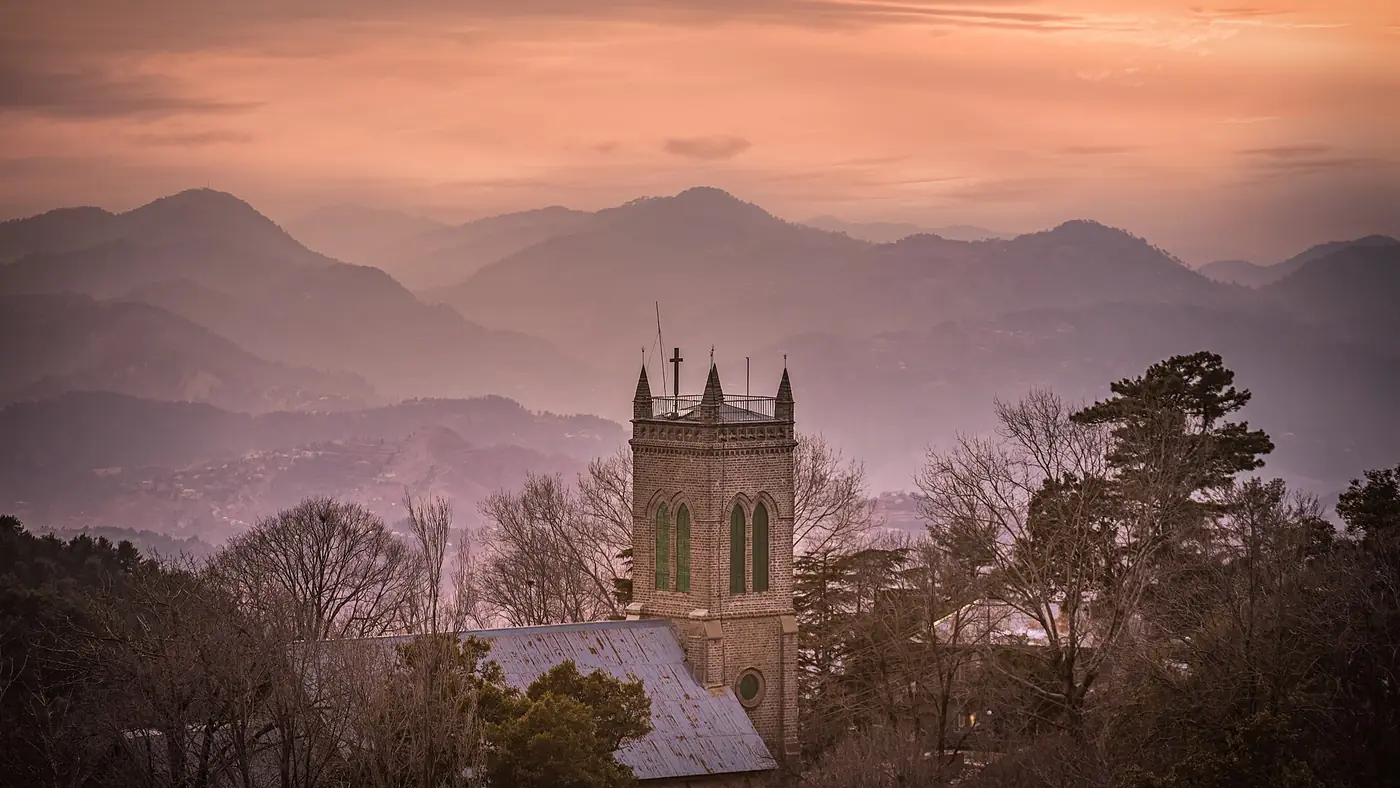
Murree, at about 2,291 metres, is Punjab's hill station and the easiest cool escape from the plains. The town's Mall Road and its viewpoints fill a day; the Patriata chairlift and the quiet resort ridge at Bhurban fill another.
Trip length: a day trip from Islamabad at a push; one to three nights to see it properly. Best time: April to June and mid-September to November for the weather, or December to February for snow, with care. Murree is about an hour and a half from Islamabad in normal traffic, far longer on summer weekends.
Our guide to places to visit in Murree covers each sight with the time it needs, and our guide to the best time to visit Murree sets out the seasons and the weekends to avoid.
The Pothohar: Taxila and Rohtas Fort
The plateau around Islamabad and Rawalpindi holds two of Punjab's three UNESCO World Heritage Sites, both easy day trips from the capital.
- Taxila, west of Islamabad, is the ancient city of the Gandhara civilisation, with excavated cities, Buddhist monasteries and stupas, and a museum of Gandharan sculpture. It became a World Heritage Site in 1980.
- Rohtas Fort, near Dina in Jhelum district, was begun by Sher Shah Suri in 1541 to control the road through the region. Its walls run for kilometres over the hills, with massive gates, and it became a World Heritage Site in 1997.
Trip length: half a day to a day each from Islamabad. Best time: October to April.
The Salt Range
Between the M-2 motorway and the Jhelum river, the Salt Range is Punjab's most varied landscape: low, rugged hills, salt, springs, lakes and ancient temples. It is a good weekend from either Islamabad or Lahore.
- Khewra Salt Mine, in Jhelum district, is the world's second-largest salt mine. Visitors ride a narrow-gauge train into the tunnels to see chambers, a small mosque built of salt bricks and illuminated salt carvings. It is about 30 km from the Lilla interchange on the M-2, roughly 160 km from both Islamabad and Lahore.
- The Katas Raj temples, near Choa Saidan Shah in Chakwal district, are a complex of Hindu temples, the oldest from around the 6th century, around a sacred pond. They have been restored since 2006.
- Kallar Kahar, also on the M-2, has a lake, the Takht-e-Babri associated with the emperor Babur, and a long history as a place of peacocks.
- The Soon Valley, in Khushab district, has the Uchhali, Khabeki and Jahlar lakes, together a protected wetland for migratory birds, and Sakesar, at about 1,527 metres the highest point in the Salt Range.
Trip length: one day for Khewra and Katas Raj together; two days to add Kallar Kahar and the Soon Valley. Best time: October to March. The Soon Valley is about 230 km from Islamabad, so it is best as an overnight trip.
Multan: the city of saints
Multan is the great city of south Punjab and one of the oldest in the region. Its blue-tiled Sufi shrines, above all the 14th-century tomb of Shah Rukn-e-Alam and the shrine of Bahauddin Zakariya on the old fort mound, are among the finest buildings in Pakistan. Below them are the walled city, the colonial Ghanta Ghar and the Hussain Agahi bazaar, and the city is famous for sohan halwa, blue pottery and mangoes.
Trip length: one to two days. Best time: November to February; summers are fierce. Multan is about 343 km from Lahore by the M-3 and M-4 motorways, around four and a half hours. Our guide to places to visit in Multan has a one-day route and the shrine etiquette.
Bahawalpur, Uch Sharif and the Cholistan desert
South of Multan, about 100 km away, Bahawalpur was the capital of a princely state, and the region around it has some of Punjab's most distinctive sights.
- Noor Mahal, a 19th-century palace completed in 1875, owned by the army and open to visitors.
- Lal Suhanra National Park, about 35 km east of Bahawalpur, where desert, forest and wetland meet.
- Uch Sharif, 84 km from Bahawalpur, an ancient town of Sufi shrines whose tiled tombs, including the tomb of Bibi Jawindi from 1494, are on UNESCO's tentative list.
- Derawar Fort, deep in the Cholistan desert about 95 km south of Bahawalpur, a square fort of 40 huge bastions. It still belongs to the family of the former rulers of Bahawalpur, and entering it needs their permission; most visitors see it from outside.
- The Cholistan Desert Rally, held every February by Punjab Tourism, starting near Derawar. In 2026 it ran from 11 to 15 February.
Trip length: three to four days from Multan, or a week with Multan included. Best time: November to February. Go into the desert only with a local driver and a four-wheel-drive vehicle, and carry water.
Fort Munro
Fort Munro is south Punjab's hill station, at about 1,970 metres in the Sulaiman range near the border with Balochistan, around 85 km from Dera Ghazi Khan. The road climbs in dramatic switchbacks, and in summer it is a cool escape for families from Multan and Dera Ghazi Khan.
Trip length: a day trip or one night from Dera Ghazi Khan or Multan. Best time: summer, when it is cool while the plains below bake. The surrounding border districts are quieter and more remote than the rest of Punjab, so check the current situation locally before driving beyond Fort Munro itself.
Putting it together: sample trips
- A long weekend from Islamabad: Taxila one day, then Murree or the Salt Range for two.
- Four days from Lahore: Lahore for two days, then Rohtas Fort and the Salt Range on the way north to Islamabad.
- A week in the south: Multan for two days, Uch Sharif and Bahawalpur for two, a day in Cholistan, and a day for Lal Suhanra or the drive back.
- Ten days across the province: Lahore, the Salt Range, Islamabad and Murree, then fly or drive south for Multan and Bahawalpur.
In winter, dense fog can close the motorways across central and south Punjab for hours, especially at night and in the early morning. Drive in daylight between December and February and leave slack in the plan.
Where should you start?
For a first trip, start with Lahore. It has the most to see in the least time, and it sets the rest of Punjab in context. If you live in Islamabad or Rawalpindi, the Salt Range and Taxila are the most overlooked weekends on your doorstep, and far quieter than Murree.
The south rewards those who make the effort: Multan, Uch and Bahawalpur together make one of the most interesting weeks of travel in Pakistan, and in winter the weather is perfect. The honest caveat is summer. From May to August the plains are extremely hot, and the comfortable places in Punjab are the hills: Murree, Patriata and Fort Munro.
If you want to combine Punjab with the mountains, our tours start in Islamabad and head north, and for a custom route through the province, tell us your dates. Event dates are published by Punjab Tourism.
Frequently asked questions
What is the most famous place in Punjab, Pakistan?
The Badshahi Mosque and Lahore Fort in Lahore are the most famous, alongside the Shalimar Gardens. Murree is the most visited hill station, and Multan's shrines are the best known sights in the south.
How many UNESCO World Heritage Sites are in Punjab, Pakistan?
Three: Lahore Fort and the Shalimar Gardens, Taxila, and Rohtas Fort. Uch Sharif's monuments are on the tentative list, as is the tomb of Shah Rukn-e-Alam in Multan.
What is the best time to visit Punjab?
October to March for the plains, from Lahore to Multan and Bahawalpur. For the hills of Murree and Fort Munro, summer is the season, and Murree also draws crowds for snow in winter.
Which hill stations are in Punjab?
Murree, with Patriata and Bhurban nearby, in the north, and Fort Munro in the south, in the Sulaiman range. The Soon Valley in the Salt Range is also cooler than the plains.
How many days do you need to see Punjab?
A week covers one or two regions properly, for example Lahore and the Salt Range, or Multan and Bahawalpur. Ten days to two weeks covers the highlights of the whole province.
Is south Punjab safe to visit?
Multan, Bahawalpur and Uch Sharif are regularly visited, and the Cholistan rally draws big crowds every year. In the remote border areas beyond Fort Munro, check current advice locally before travelling.