
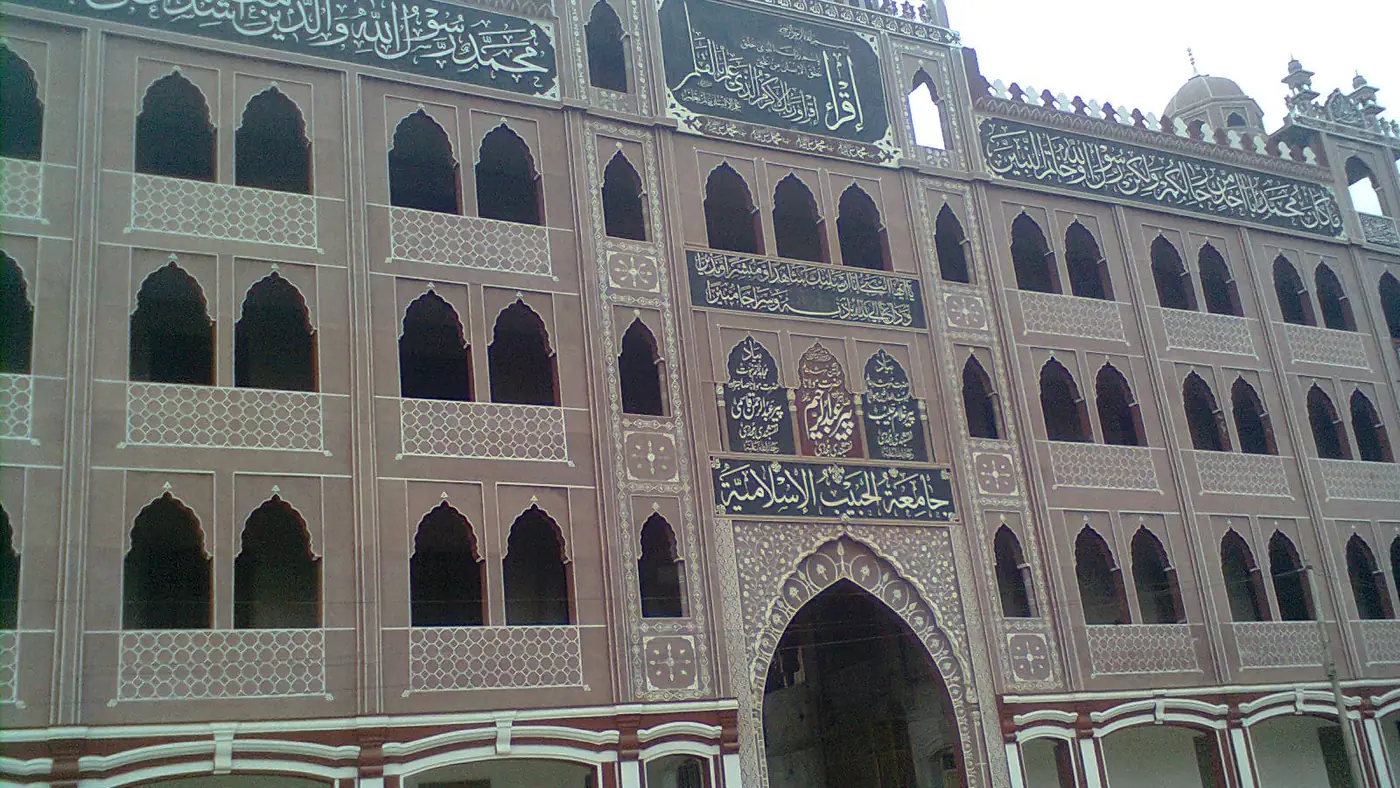
The best places to visit in Chakwal district are the Katas Raj Hindu temple complex, the lake and Mughal-era throne at Kallar Kahar, a 10th-century temple-fortress at Malot, a hike to the blue pools of Neela Wahn, and a wildlife park at Chinji, all within a stretch of the Salt Range between the M-2 motorway and the Jhelum river. This guide takes them in a workable order and gives the distances between them.
| At a glance | |
|---|---|
| Where | Punjab, between the M-2 and the Jhelum river, capital Chakwal city |
| From Islamabad | About 90 to 155 km depending on the site, 1.5 to 2.5 hours |
| Main sites | Katas Raj, Kallar Kahar, Malot Fort, Neela Wahn, Chinji National Park |
| How to get around | By car; there is no public transport between the sites |
| Time needed | A full day for Katas Raj and Kallar Kahar together; two days to add Neela Wahn, Malot or Chinji |
About the district
Chakwal sits on the Potohar plateau, its landscape shaped by the Salt Range hills that run across its southern half, and it has long been better known within Pakistan for its agriculture and its contribution of soldiers to the armed forces than for tourism. That is changing: the M-2 motorway cuts straight through the district, putting Kallar Kahar and Katas Raj within easy reach of both Islamabad and Lahore, and weekend visitor numbers at both sites have grown accordingly. The district's other sites, further from the motorway, still see far fewer visitors and keep a quieter, more local character.
Katas Raj
The Katas Raj temples, a group of Hindu shrines built around a pond Hindus believe formed from Shiva's tears, are the district's most historically significant site, dating from roughly the 6th to 10th centuries AD with later Sikh and Hindu additions. The complex sits about 24 km off the M-2 at the Kallar Kahar interchange, and entry is free. Our guide to Katas Raj covers the legends, the individual temples and what to expect on a visit.
Kallar Kahar
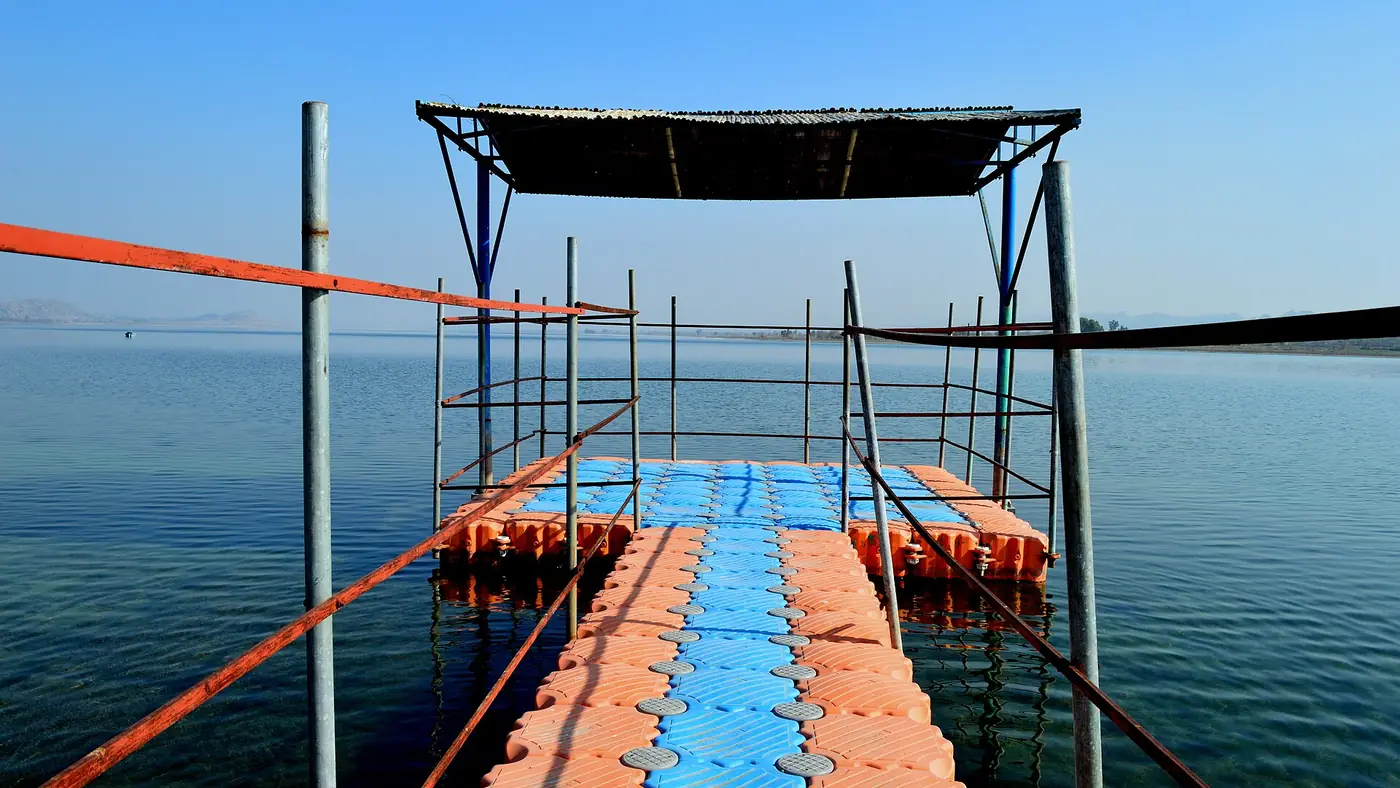
Kallar Kahar sits directly on the M-2 at its own interchange, making it the easiest stop in the district to reach. It combines a saltwater lake with boating, Takht-e-Babri (a throne cut into rock for the Mughal emperor Babur), the garden he laid out beside the lake, and a shrine where peacocks gather in the early morning. Our Kallar Kahar guide covers the lake, the throne and the best times to see the peacocks.
Malot Fort
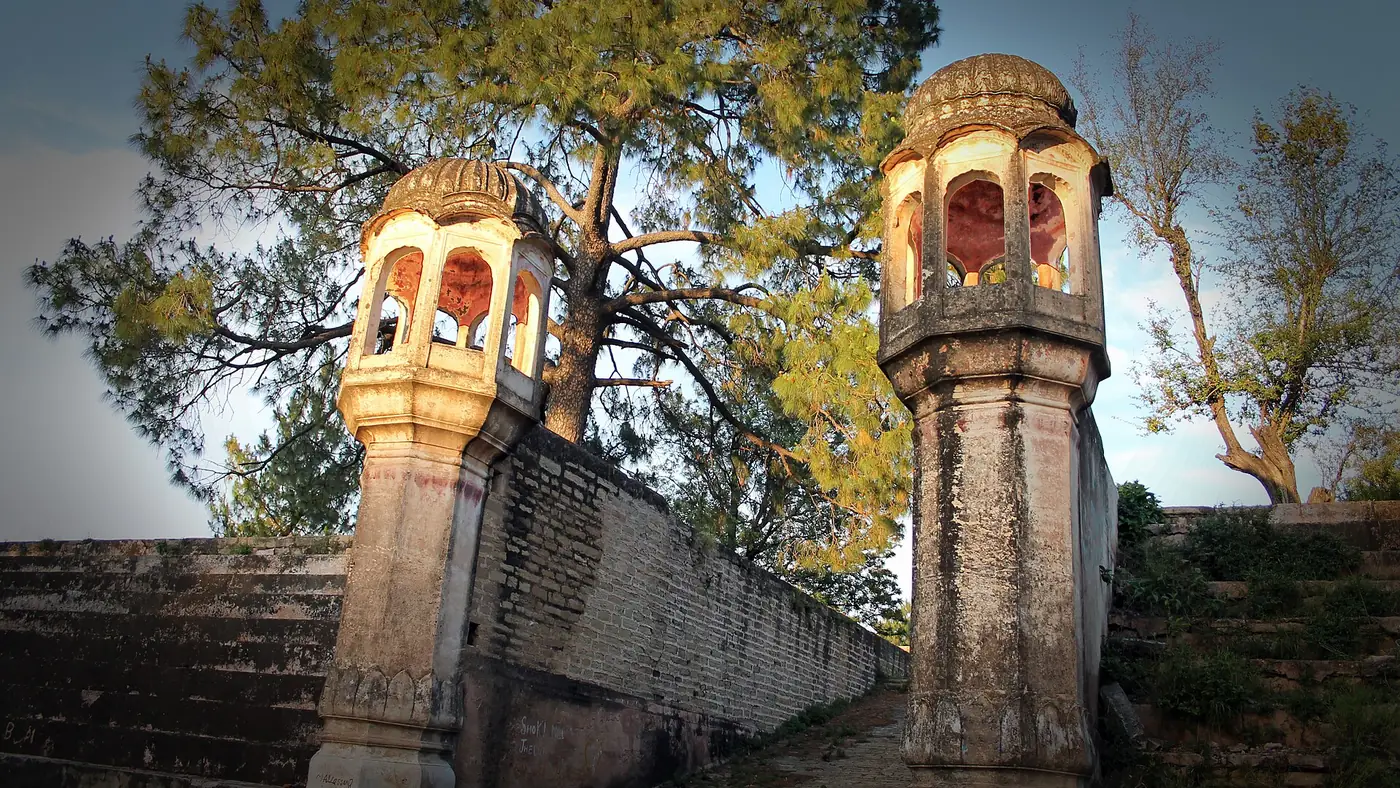
Malot is a 10th-century temple-fortress about 12 km from Kallar Kahar, built of red sandstone in a style that mixes Kashmiri and Greek influences. Tradition holds it is where the last Hindu Shahi ruler in the region converted to Islam. It sees far fewer visitors than Katas Raj, and the site is unmanaged, with no ticket booth or facilities, so go with your own water and expect an exposed, hilltop ruin rather than a developed heritage attraction.
Neela Wahn
Neela Wahn is a series of blue-green pools reached by a roughly 1.5 km rocky trail near Nurpur village, about 20 km from Kallar Kahar. It runs fullest in July and September after the monsoon, and the descent is genuinely rough, with no railings or formal safety infrastructure, so it suits a fit visitor over a family outing. Our Neela Wahn guide covers the trail, the seasons and the safety points worth knowing before you go.
Chinji National Park
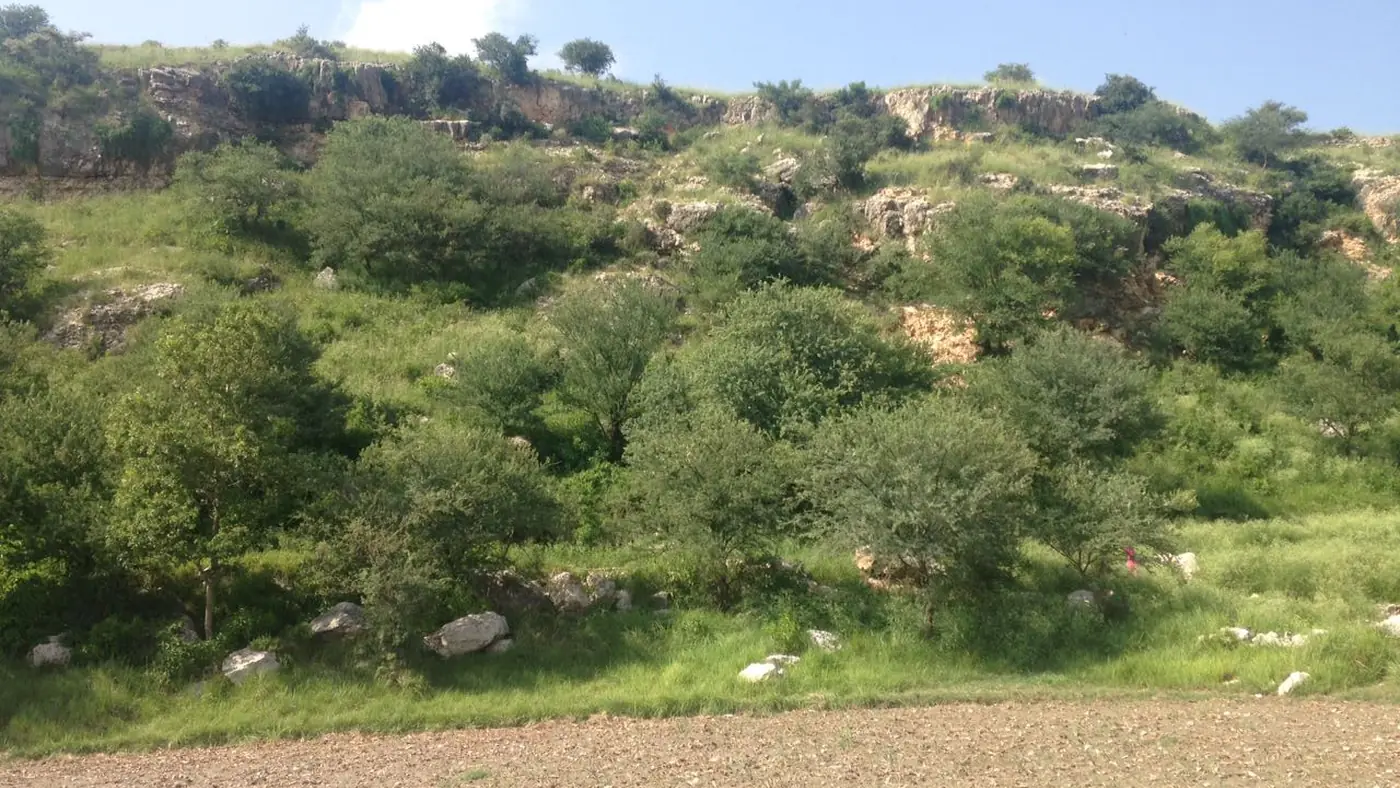
Chinji, in Talagang tehsil towards the district's northern edge, is a 61 km² protected area of eroded, semi-arid hill country, established in 1987 and home to more than 250 recorded bird species alongside mammals including the urial, Indian pangolin and, occasionally, leopard. It is a wildlife and landscape stop rather than a heritage site, with rough tracks rather than paved roads, and is best visited with a guide or ranger who knows the terrain.
A two-day route through Chakwal district
Day one: Leave the M-2 at the Kallar Kahar interchange, spend the morning at Kallar Kahar's lake, throne and peacock shrine, then continue about 24 km to Katas Raj for the afternoon.
Day two: From Katas Raj or Kallar Kahar, add either Neela Wahn (about 20 km from Kallar Kahar, best done with an early start given the trail) or Malot Fort (about 12 km from Kallar Kahar), depending on whether you want a hike or a ruin. Chinji National Park sits further north and suits its own dedicated half-day if wildlife and landscape interest you more than history.
Trying to fit all five into a single day is possible only by cutting time short at each stop; a single full day realistically covers Kallar Kahar and Katas Raj well, or three of the five sites at a fast pace.
Getting around Chakwal district
There is no public transport network connecting these sites to each other, so a private car, your own or hired with a driver, is necessary for anything beyond a single stop near the M-2. Kallar Kahar and Katas Raj are both close to the motorway and simple to combine; Malot, Neela Wahn and Chinji involve more local road driving and are easier with a driver who knows the area.
Which sites suit which visitors
Katas Raj and Kallar Kahar are the easy choices: paved roads, close to the motorway, and manageable for families or anyone without much time. Malot Fort and Chinji National Park suit visitors who want history or wildlife without the crowds, but who are comfortable with unmanaged sites and rougher local roads. Neela Wahn is the outlier: a genuine hike over loose rock with no facilities, best left to fit, prepared visitors rather than families with young children or anyone unsteady on uneven ground.
If you only have a few hours and are driving between Islamabad and Lahore anyway, Kallar Kahar alone is worth the short detour off the M-2. With a full day, add Katas Raj. With two days, choose between Neela Wahn, Malot or Chinji based on whether you want a hike, a ruin, or wildlife and landscape.
Frequently asked questions
What is Chakwal famous for?
Chakwal district is known for the Katas Raj Hindu temple complex, Kallar Kahar's lake and its connection to the Mughal emperor Babur, and the wider Salt Range landscape of lakes, forts and hills that runs through the district.
How many days do you need for Chakwal district?
A single day covers Kallar Kahar and Katas Raj comfortably. Two days let you add Neela Wahn, Malot Fort or Chinji National Park without rushing.
Can you visit Chakwal's sights without a car?
Not practically. There is no public transport between the sites, so a private car or a hired car and driver is the only realistic way to see more than one place in a day.
Is Chakwal district safe to visit?
Yes. It is a settled part of Punjab with no security advisories, and Pakistani families visit its lakes and temples regularly, particularly on weekends.
What is the best time to visit Chakwal district?
October to March, for cooler, clearer weather. Summer in the Salt Range is hot, often into the low 40s°C by June, with little shade at most of the district's outdoor sites.
.jpg)