
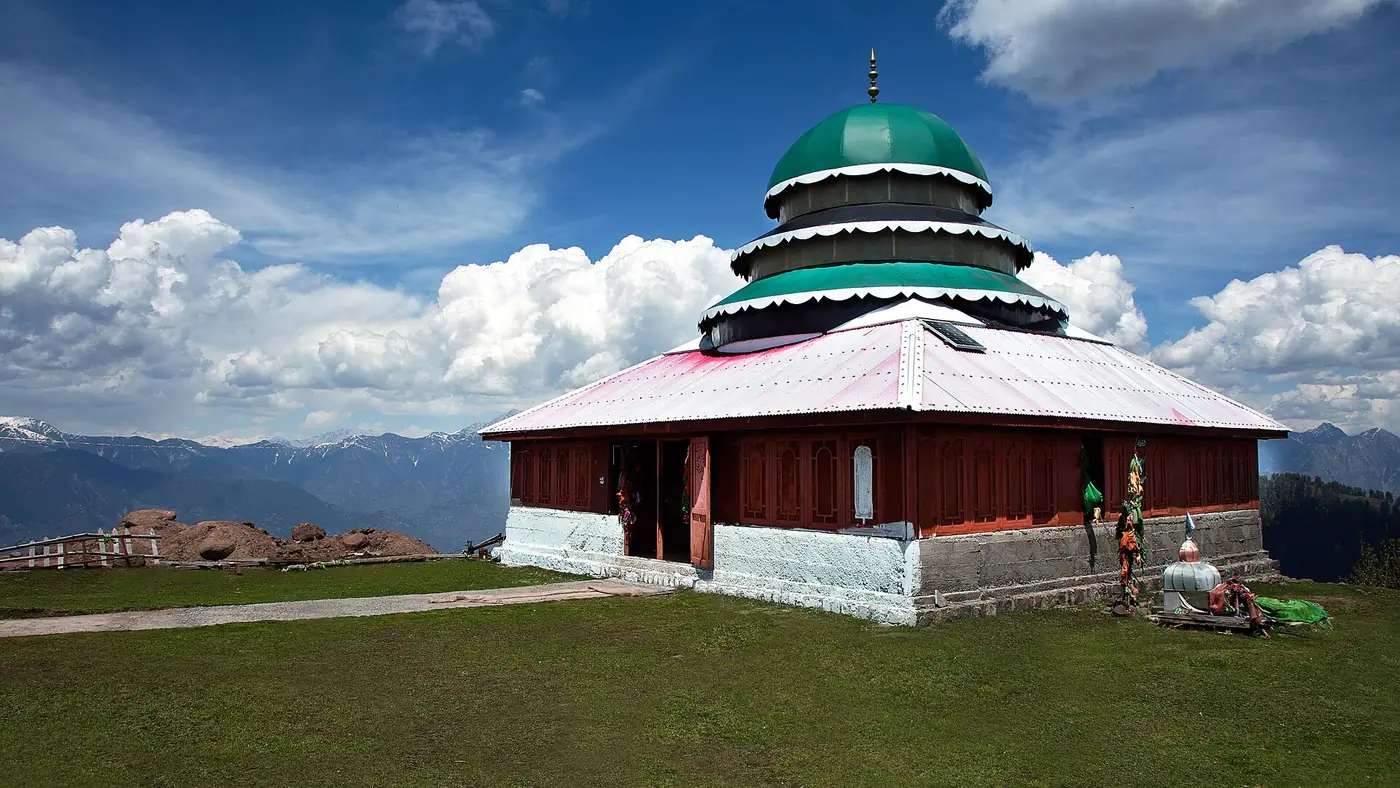
Pir Chinasi snowfall usually builds from December through January, heaviest in the coldest weeks, and the road above Muzaffarabad can close for anything from a day to the best part of a week while machinery clears it. A normal car can often reach the lower switchbacks through the forest after a fall, but the open, exposed bends near the top are where cars without winter tyres or chains lose grip first. This guide covers the winter mechanics: timing, how far you can drive, what to carry, and the safest time of day to go up and back.
For the shrine and how to plan the trip the rest of the year, see our Pir Chinasi travel guide. This post covers only what changes once snow is on the ground.
| At a glance | |
|---|---|
| Altitude | About 2,900 m |
| Main snow window | December and January, heaviest in the coldest spells |
| Possible snow | Some years from November, occasionally lingering into March |
| Road below the treeline | Usually passable in an ordinary car once ploughed |
| Road near the top | Often needs a 4x4 or chains after fresh snow |
| Closures | Announced locally; can last a day to about a week |
| What to carry | Warm layers well beyond what Muzaffarabad needs, a full tank, and chains if you have them |
When does it actually snow at Pir Chinasi?
The reliable window is December and January. Snow can arrive earlier in a cold year, with reports of the surrounding hills carrying an early fall in November, and it can hang on into February or, less often, March. There is no fixed date for either end of the season; it moves with the winter.
Muzaffarabad's meteorological office has recorded the city's first snowfall of a season arriving in mid-to-late December, with the Pir Chinasi and Makra hills picking up one to two feet overnight. That is a single recorded event, not a yearly rule, and there is no permanent snow gauge at the shrine, so treat any specific depth as an illustration rather than a promise. Once temperatures at 2,900 metres stay below freezing through December, assume snow is likely on any given day, and check locally before you drive up.
How far will a normal car get?
This depends on how recently it has snowed and how much clearing has happened, but the shape of the road explains what to expect: it climbs from Muzaffarabad through villages and farmland, then pine forest, before opening onto the bare, wind-scoured ridge around the shrine.
- Through the forest, tree cover shelters the road from wind, so this stretch clears and refreezes less than the ground above; an ordinary car can usually manage it once ploughed or partly melted.
- Above the treeline, the road is exposed and gets least sun on the tightest bends, so snow and drifts linger longest here; this is where a car without winter tyres or chains is most likely to lose traction or be turned back.
- After fresh, uncleared snowfall, don't assume you will get past the lower villages at all. Ask in Muzaffarabad, or at a checkpoint on the way up, rather than finding out on a blind bend.
If your car struggles on the exposed upper section, park where it is safe and continue on foot, rather than pushing a car with no grip further up a narrow road with no barrier.
Do you need a 4x4 or snow chains?
For a summer visit, no; the general guide covers that. Once snow is on the ground, a 4x4 or a car fitted with chains is the safer choice for the upper switchbacks, and on the worst days it is the only way up at all.
We could not confirm a shop in Muzaffarabad that hires out snow chains, so don't plan on picking a set up locally. Buy a pair that fits your tyres before you leave Islamabad or Rawalpindi, and fit them once at home on dry ground rather than for the first time on a cold, narrow bend.
The more practical option is a car with a local driver who already knows the road in winter, arranged through a hotel in Muzaffarabad; our guide to places to visit in Muzaffarabad has more on getting around the city. A driver who does this run all season will know, on any given morning, whether it is worth setting out.
How often does the road close, and for how long?
Closures are not rare. In late January 2026, heavy snow shut the Pir Chinasi road along with several other AJK mountain routes, including Upper Neelum and Leepa Valley; the authorities said clearing machinery had been sent up, with operations to intensify as conditions allowed, rather than the road reopening at once. That pattern, closure followed by a gradual reopening over one or more days, is the one to expect.
There is no published schedule for how long a closure lasts; it depends on how much snow fell, whether more is forecast, and how quickly machinery reaches that route among the several needing clearing at once. Ask locally in Muzaffarabad, the evening before or the morning of, rather than relying on anything printed online, including this guide.
Temperatures at the top
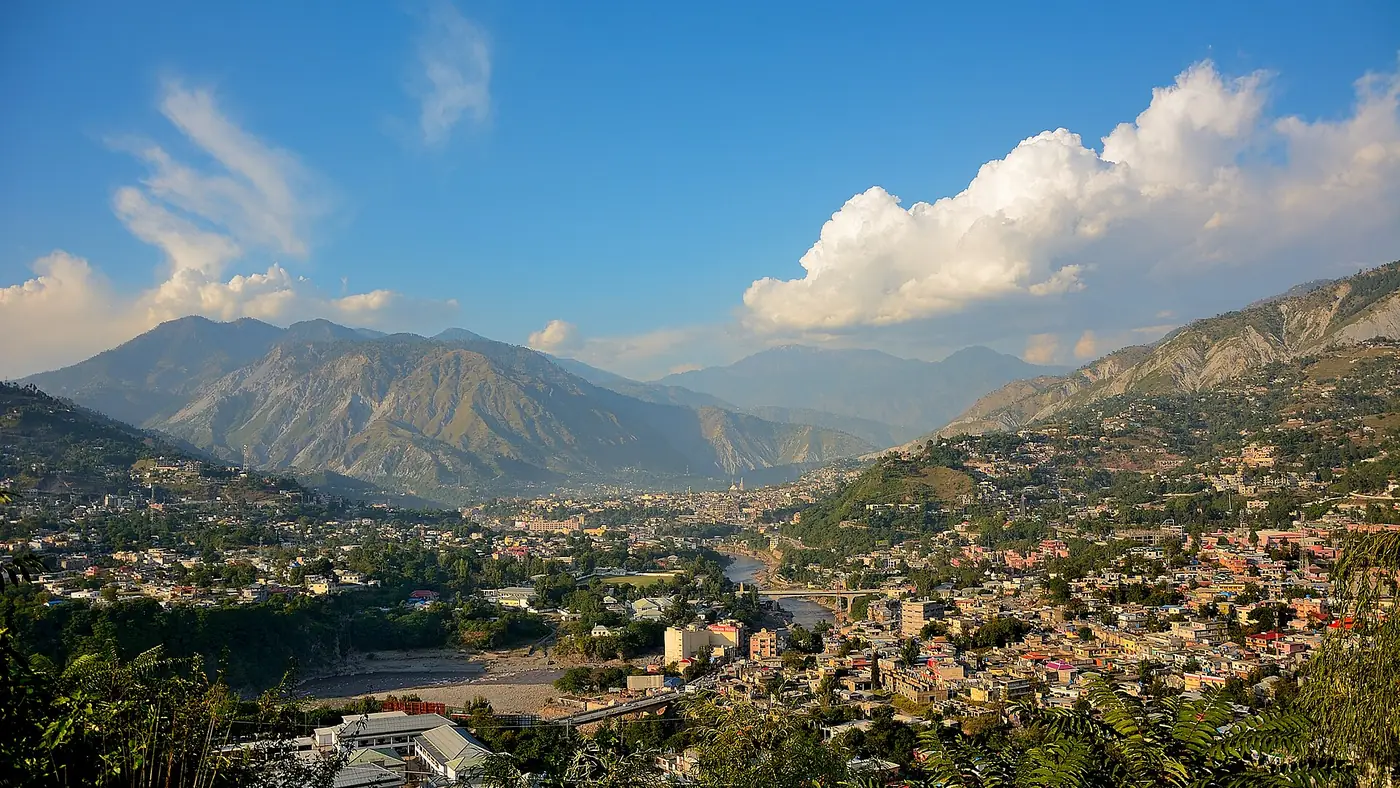
Muzaffarabad, at around 740 metres, rarely sees snow and stays well above freezing even in January. Pir Chinasi, more than 2,000 metres higher, is a different climate entirely. Reports from visitors and local sources put the temperature at the top at around -5°C during cold spells in December and January; there is no official weather station at the shrine, so treat that as a rough guide, and remember wind makes the open ridge feel colder than the number alone suggests.
Dress for somewhere colder than the drive up implies: a proper winter jacket, hat, gloves and warm boots, not just the layers that are enough in Muzaffarabad.
The safest time of day to drive up and back down
Time of day matters more than the date on the calendar. Overnight cold refreezes wet or melted patches, so the first couple of hours after sunrise are often the iciest, not the safest. Once the sun has been up for a few hours, cleared stretches soften and grip improves, then ice returns as the light fades and shaded bends cool again.
- Check the road locally before you leave.
- Leave Muzaffarabad mid-morning, once the sun has worked on the road, rather than at first light.
- Keep the visit at the top short; there is little shelter from the wind.
- Start back down by early-to-mid afternoon, before shaded bends near the top begin to refreeze.
- Use a low gear on the descent, rather than braking through the bends, chains or not.
If snow is falling as you drive, or the light is fading and you are not yet back on the lower, sheltered stretch, turn round or find somewhere safe to wait rather than pressing on.
The snow jeep rally and other winter events
Pir Chinasi is known locally for a winter snow jeep rally, held on the high ground once there is enough snow to run it. The date moves from year to year and is set locally rather than fixed in a calendar, so if you want to time a visit around it, ask the AJK tourism office or a Muzaffarabad-based operator closer to the time.
For how Pir Chinasi's snow compares with other spots in the region, our guide to snowfall places in Azad Kashmir sets it alongside Banjosa and Toli Pir.
Is a winter visit worth the effort?
For a confident driver with a suitable car, chains, or a hired driver who knows the road, and flexible dates, yes. Snow on the ridge, with Muzaffarabad and the rivers below still green, is a contrast you don't get any other time of year, and winter crowds are far thinner than the May-to-October season.
It is not worth the risk for anyone driving a low car on worn tyres, anyone without experience on icy mountain roads, or a family trip on a fixed single day with no flexibility to wait out a closure. A better use of a short, weather-uncertain winter visit is Muzaffarabad itself; our guide to getting from Islamabad to Muzaffarabad covers what fills a day at lower altitude. For which month suits your wider trip, our seasonal guide covers the whole country.
Frequently asked questions
When does it snow at Pir Chinasi?
Mainly in December and January, heaviest during the coldest spells, with occasional early falls in November and late lingering snow into March.
Can a normal car reach the top of Pir Chinasi in winter?
Often as far as the forested lower switchbacks once ploughed, but the exposed bends near the top are where a car without winter tyres or chains typically loses grip. After fresh, uncleared snow, don't assume you will get past the lower villages at all.
Do I need snow chains for Pir Chinasi?
Not for a summer visit, but they are a sensible precaution once snow is down, and on the worst days they, or a proper 4x4, are the only way up. We could not confirm anywhere in Muzaffarabad that hires chains, so buy a set that fits your tyres before you travel, or arrange a local driver instead.
How long does the Pir Chinasi road stay closed after snow?
There is no fixed length. Past closures have run from a single day to the better part of a week, depending on how much fell and how quickly clearing machinery reaches the route. Check locally in Muzaffarabad before setting out.
How cold does it get at Pir Chinasi in winter?
Reports from cold spells in December and January put it at around -5°C at the top, with wind making it feel colder still. There is no weather station at the shrine, so treat that as a rough guide and dress for well below freezing.
Is there a snow jeep rally at Pir Chinasi?
Yes, held some winters once there is enough snow, but the date is set locally and moves each year. Check with the AJK tourism office or a Muzaffarabad operator to plan around it.
_Muzafarabad,_Azad_Kashmir.jpg)