
,_Khyber_Pakhtunkhwa,_Pakistan_cropped.jpg)
The best Peshawar 1 day itinerary splits the day in three. Spend the morning on foot in the walled city, from Qissa Khwani and the Mahabat Khan Mosque to the clock tower, Sethi House and Gor Khuttree. After lunch, give the Peshawar Museum and its Gandharan sculpture a couple of hours. In the evening, eat lamb karahi and tikka in Namak Mandi. Start by 9 am, avoid Fridays, and go between October and March, when walking the old city is comfortable.
This plan puts the walking first, while the lanes are cool and the shops are opening, and keeps the museum for the sleepy early afternoon. Below is the timetable, what to see at each stop, how to get between them, and what to change if you are coming for the day from Islamabad.
| Time | Where | Notes |
|---|---|---|
| 9:00 | Qissa Khwani | Start with qehwa |
| 9:45 | Chowk Yadgar and Andar Shehr | The jewellers' lanes |
| 10:15 | Mahabat Khan Mosque | Dress modestly, shoes off |
| 11:00 | Ghanta Ghar and the heritage trail | About 500 m of restored lanes |
| 11:30 | Sethi House | Allow an hour |
| 12:30 | Gor Khuttree | 45 minutes |
| 1:30 | Lunch | Chapli kebab |
| 2:30 | Peshawar Museum | 1.5 to 2 hours; confirm closing time |
| 4:30 | Rest | Hotel or a quiet café |
| 7:30 | Namak Mandi | Karahi and tikka; expect a wait |
Before you start
- Pick the right day. Many old-city shops close for Friday prayers, and museum closing days have varied, so Friday is the worst day for this plan. Saturday to Thursday all work.
- Pick the right season. October to March is best. From May to August the old city is very hot by late morning, and you would need to start at 7:30 and move the museum earlier.
- Carry cash. Sethi House, Gor Khuttree and the museum each charge a small entry fee, and the qehwa houses and kebab shops take cash.
- Wear comfortable shoes you can slip off quickly at the mosque, and dress conservatively: arms and legs covered, and a dupatta or scarf for women.
- Read the news the night before. Peshawar has had a difficult security year; our guide to whether Peshawar is safe covers what to check.
Morning: the walled city on foot
The old city is small and best walked. Take a rickshaw or ride-hailing car to Qissa Khwani and do the rest on foot; every stop in the morning is within a short walk of the next.
9:00 · Qissa Khwani
Start where Peshawar's caravan traders once did, in the storytellers' bazaar. Sit in one of the qehwa houses over a pot of green tea with cardamom and watch the bazaar open.
9:45 · Chowk Yadgar and Andar Shehr
A few minutes' walk brings you to Chowk Yadgar, the old city's central square, and Andar Shehr, the narrow jewellers' street. The shops of gold and silver open through the morning. Keep your bag in front of you in the crowds.
10:15 · The Mahabat Khan Mosque
The Mahabat Khan Mosque was built by the Mughals between 1660 and 1670 on what was then the highest point of the old city. Its white facade, prayer hall under three domes and painted floral and calligraphic decoration make it the best-known Mughal building in the city, and its courtyard with an ablution pool is a calm break from the bazaar.
It is a working mosque. Visit well before the midday prayer, take off your shoes at the entrance, cover your head if you are a woman, and ask before photographing anyone. Forty-five minutes is plenty.
11:00 · Ghanta Ghar and the heritage trail
The Cunningham Clock Tower, Ghanta Ghar, marks the start of the restored heritage trail, about 500 metres of lanes running through Bazaar-e-Kalan and Mohallah Sethian to Gor Khuttree. Around 85 buildings from the Mughal, Sikh and British periods were restored along it. Walk it slowly and look up: the carved wooden balconies and window screens are on the upper floors.
11:30 · Sethi House
Halfway along the trail is Sethi House, the grandest of the merchants' houses built by the Sethi family, now run as a museum by the provincial archaeology department. It has carved doors, coloured glass, a courtyard and a cool basement. Allow an hour, and climb to the upper floor for the best of the woodwork.
12:30 · Gor Khuttree
The trail ends at Gor Khuttree, built as a Mughal caravanserai in the 1640s and later the Sikh governor's residence. Excavations here traced Peshawar's history back more than two thousand years, and a small museum shows what was found. Look at the Gorakhnath temple in the courtyard and the excavation trench, then head for lunch.
Lunch: chapli kebab
By 1:30 you will be hungry. Chapli kebab, fried flat in a wide pan and eaten with naan, is the lunch Peshawar is known for, and it is sold across the city, from long-established restaurants to small roadside shops. Keep it light: dinner is the big meal. Our guide to Peshawar's famous food names the best-known places and what to order.
Afternoon: the Peshawar Museum
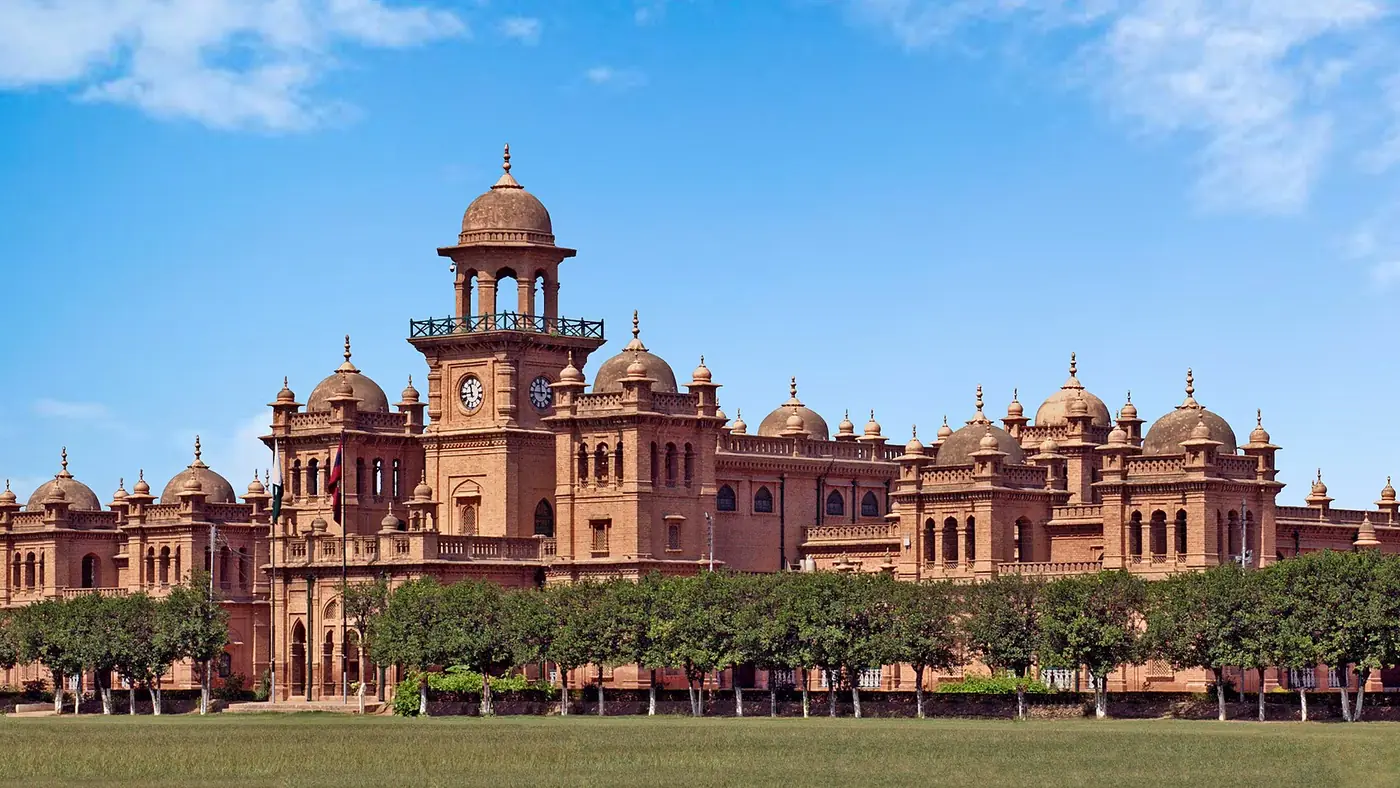
Take a rickshaw or ride-hailing car from the old city to the Peshawar Museum, in the Victoria Memorial Hall on Jail Road. The building itself dates from 1906–07, and the museum opened in November 1907 to house the Buddhist sculpture then being excavated across the Peshawar valley.
The Gandharan galleries are the reason to go: Buddhas and bodhisattvas, reliefs of the Buddha's life, and pieces from Takht-i-Bahi and other monastery sites that you may visit later. Give them most of your time, then walk through the coins, arms and ethnographic galleries if you still have the energy. One and a half to two hours is right.
Museum hours have varied over the years, and it closes in the late afternoon, so go straight after lunch and check the closing time before you set out. The museum is run by the Directorate of Archaeology and Museums, Khyber Pakhtunkhwa, which also runs Sethi House.
Late afternoon: rest
After a morning on foot and two hours in the galleries, go back to the hotel for an hour. If you have energy left, Saddar's shops and wider streets are a short ride away, or you can ride the BRT west to see the university and Islamia College from the road.
Evening: Namak Mandi
Namak Mandi, in the old city, is Peshawar's most famous food street, and it is at its best after dark, especially in the cool months. The restaurants here cook lamb with little more than salt, tomato and green chilli: namkeen karahi cooked in its own fat, and namkeen tikka roasted on skewers over charcoal.
Meat is sold by the kilogram. Choose your quantity at the counter, ask the rate first, and be ready to wait: everything is cooked to order, and on a winter weekend a karahi can take the best part of an hour. Half a kilogram between two people is plenty. Finish with qehwa, then take a car back to the hotel rather than walking the old city late at night.
If you are coming from Islamabad for the day
Peshawar is about two hours from Islamabad on the M-1; our guide to the Islamabad to Peshawar drive covers the road. On a day trip:
- Leave Islamabad by 7:30 and go straight to Qissa Khwani, arriving around 10.
- Shorten the morning: skip the long sit over qehwa and give Gor Khuttree half an hour.
- Keep the museum after lunch, and leave the museum by 4.
- Eat an early dinner in Namak Mandi from about 6, if the restaurants are ready, and be on the motorway by 8.
It is a long day, and you give up the best of the evening. If you can, stay the night and drive back the next morning.
Is one day enough for Peshawar?
For the essentials, yes. This plan covers the old city, the one museum that matters most and the food Peshawar is known for. It suits anyone who likes walking, history and eating, including families with older children who can manage three hours on foot.
It is less suited to anyone with limited mobility, as the old city's lanes are uneven, crowded and hard for wheelchairs and pushchairs, or to anyone who doesn't eat red meat. With a second day, add Bala Hisar from the outside, Karkhano Market, and a trip to Takht-i-Bahi. Our guide to places to visit in Peshawar lists everything else in the city, and if you would like the day planned with a car and driver, tell us your dates.
Frequently asked questions
What can you do in Peshawar in one day?
Walk the old city in the morning, from Qissa Khwani and the Mahabat Khan Mosque to Sethi House and Gor Khuttree; spend the afternoon in the Peshawar Museum; and eat karahi and tikka in Namak Mandi in the evening.
Which day of the week is best for a Peshawar day trip?
Saturday to Thursday. On Friday many old-city shops close for prayers and museum hours are less certain, so the day loses much of its rhythm.
How much time do you need in the Peshawar Museum?
One and a half to two hours covers the Gandharan galleries properly. It closes in the late afternoon, so arrive by about 2:30 and check the closing time before you go.
Is Peshawar walkable?
The old city is, and walking is the best way to see it: the main sights are a short walk apart. Use a rickshaw or ride-hailing car between the old city, the museum and Saddar.
What should I wear in Peshawar?
Conservative clothing: arms and legs covered for men and women, and a dupatta or scarf for women, which you will need for the mosque. Wear shoes that slip off easily.
Is it better to stay the night in Peshawar?
Yes, if you can. Namak Mandi is at its best after dark, and staying means you are not driving the motorway at night after a long day on foot.