Off-season travel in the northern areas means roughly November to March in the high valleys, and it trades cheaper hotels and empty roads for closed passes, shorter days and a smaller list of things to actually do. Whether that trade works for you depends on where you're going and what you want from the trip.
This is not a single season with one answer. Hunza and Gilgit stay reasonably accessible through winter; Deosai, Babusar and the Kaghan valley beyond Naran close down almost completely. This guide sets out where off-season genuinely works, where it doesn't, and what to expect either way.
| At a glance | |
|---|---|
| Off-season window | Roughly November to March, later into April at altitude |
| Best value | Hotel rates typically fall well below summer peak |
| Crowds | Minimal; you'll often have viewpoints to yourself |
| What closes | Deosai, Babusar, Shandur, Burzil, most high-altitude trekking |
| What stays open | Hunza, Gilgit, lower Chitral (via the Lowari tunnel), Skardu by road or air, weather permitting |
| Flights | Become more important as roads close, and are more weather-dependent |
What "off-season" actually means here
Pakistan's northern tourist season peaks from May to September, with a secondary rush around spring blossom in April and autumn colour in October. Off-season is what's left: late autumn through winter into early spring, when the big passes are shut, trekking is out, and day length and temperature both work against long drives.
It is not the same everywhere. Hunza and central Gilgit-Baltistan see a real but far smaller winter tourist trickle, since the Karakoram Highway generally stays open with periodic closures for snow and landslides, and some hotels and restaurants operate through the cold months. Places that depend on a single seasonal road or a specific summer landscape, Deosai's plateau, Babusar top, Shandur's polo ground, effectively shut for the same months, sometimes with the roads to reach them physically snowed under.
The case for going off-season
Hotel rates drop. Karimabad, Naran and similar tourist towns typically see winter rates well below their summer peak, since demand falls sharply once the passes close and schools are in session. This is the strongest, most consistent argument for off-season travel.
You get the roads and viewpoints to yourself. Summer weekends on the Karakoram Highway and around Naran can mean queues at popular viewpoints and slow-moving traffic through towns. In winter, the same places are quiet, and photographs come without other tourists in the frame.
Snow itself is the draw for some trips. Hunza and the Galiyat hills under snow are a genuinely different experience from the summer version, and if a snow trip is specifically what you want, this is the only season that delivers it. Our post on where to see snow in Pakistan covers which places are realistic for this.
Flights and some tours run at a discount. Airlines and a few operators adjust pricing for the quieter months, since demand is lower and they would rather fill seats and rooms than leave them empty.
The case against it
Most of the "must-see" northern landscape is closed. Deosai, Shandur, Babusar top and Burzil are all snowed shut through winter, and treks above the tree line are not realistic. If your idea of the northern areas is high alpine plateaus and mountain passes, off-season removes most of that list.
Roads that do stay open can still close without warning. Snowfall, landslides and black ice can shut the Gilgit-Skardu road, sections of the KKH, or the Galiyat roads for a day or more at a time, and winter closures are harder to predict than a scheduled seasonal shutdown. Build slack into any winter itinerary rather than a tight day-by-day plan.
Days are short and cold. Sunset in December comes mid-afternoon in the mountains, which cuts driving hours and photography light considerably. Some guesthouses reduce services in the off-season, and a few close entirely, so check before you book rather than assuming everything listed online is running.
Flights become the fallback, and flights to Gilgit and Skardu are weather-dependent even in good conditions; winter adds more days of fog or wind that can delay or cancel them. Our post on flights to Gilgit and Skardu explains how that works and what to plan around it.
Where off-season genuinely works
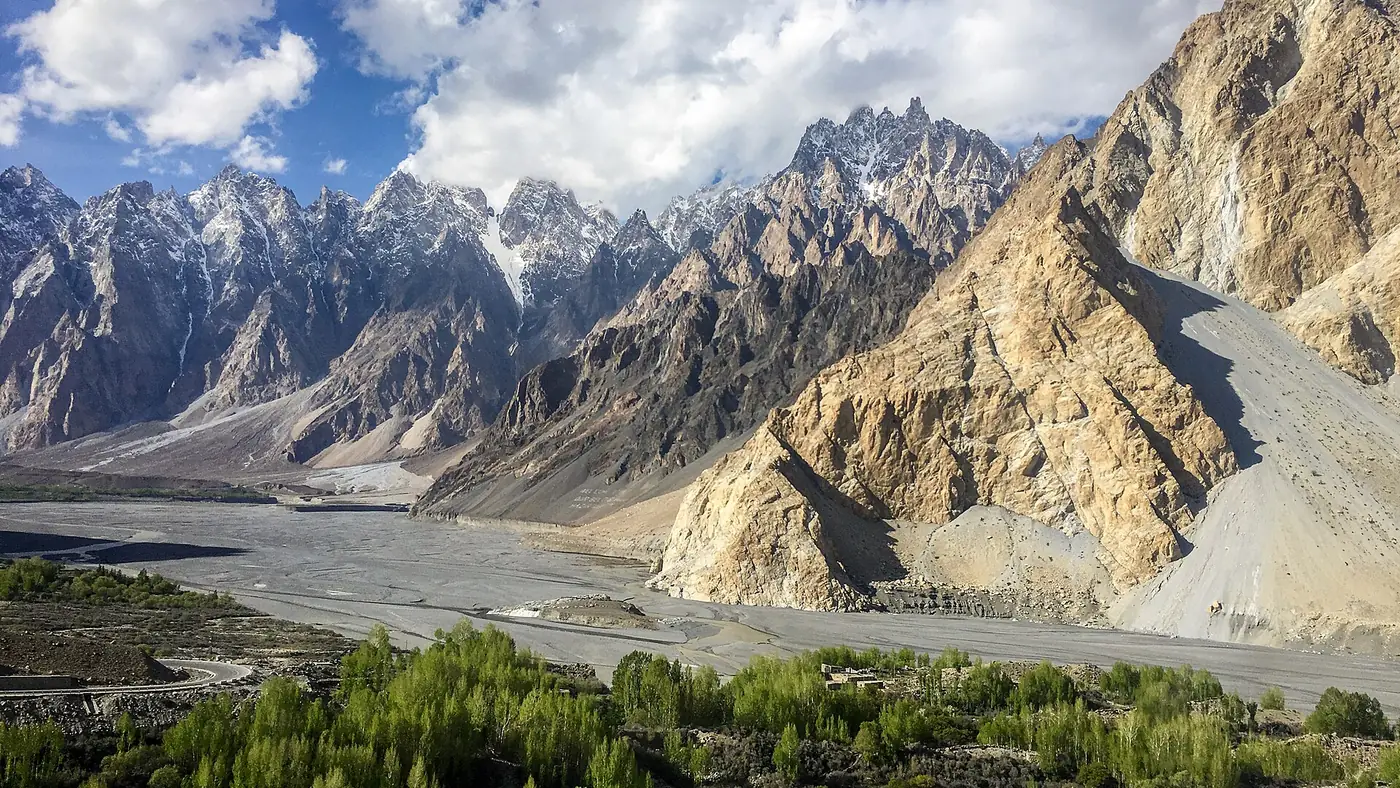
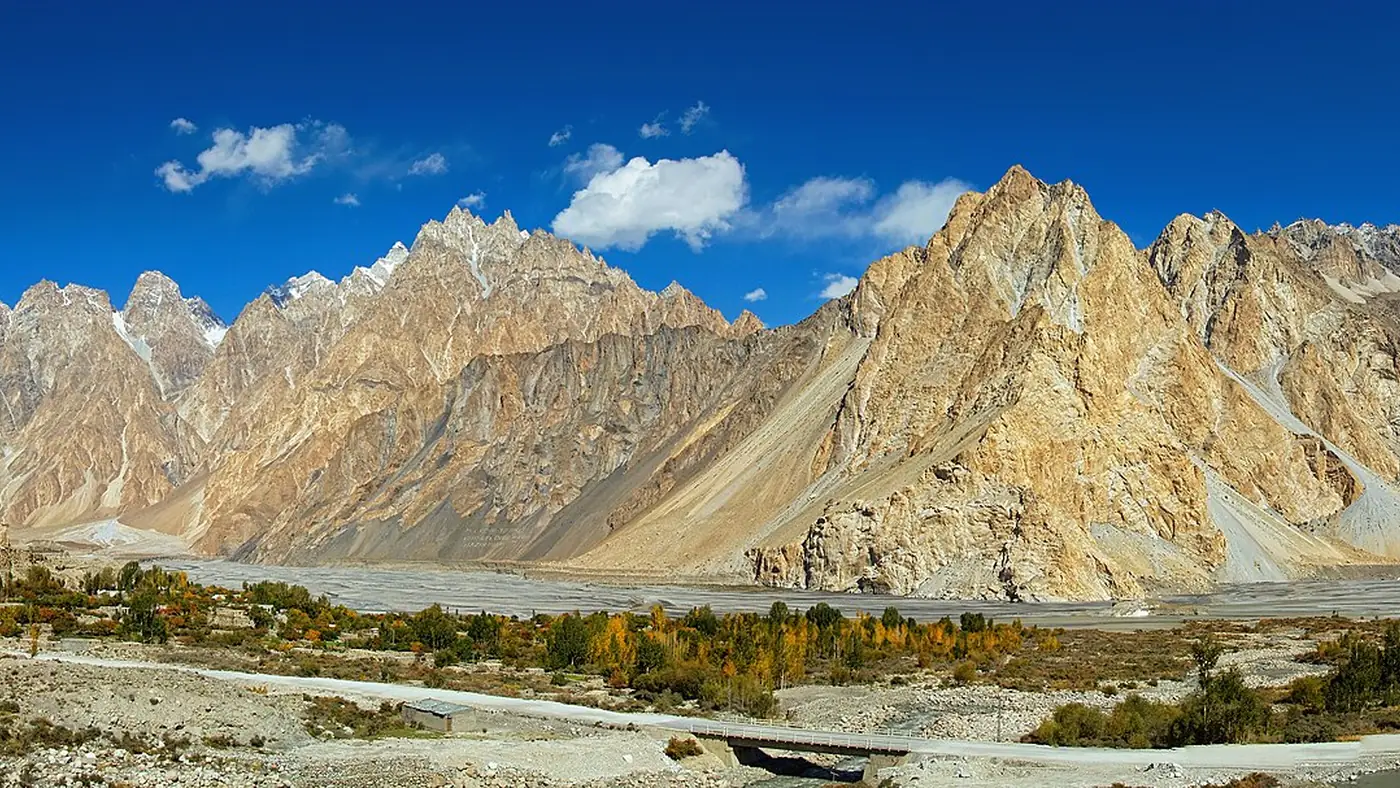
Hunza is the strongest off-season pick in the northern areas: the Karakoram Highway generally stays open, Karimabad has enough open hotels and restaurants to make a short winter trip comfortable, and the valley under snow with clear winter skies is a real draw in its own right. Chitral, reached year-round through the Lowari tunnel rather than the old pass, is another option that avoids the seasonal road closures that isolated it for decades.
Where it doesn't
Deosai, Astore beyond the valley floor, Babusar top, Shandur and the high trekking routes are off the table entirely in winter; the roads are physically under snow, not just quiet. Naran beyond the town itself and the upper reaches of the Kaghan valley close for the same reason. If your trip is built around any of these, plan it for the open season instead and treat winter as the wrong time to try.
Is off-season travel worth it?
For a short winter break built around Hunza, snow scenery and a quieter version of the Karakoram Highway, yes, and it's genuinely good value. For anyone whose plan depends on Deosai, Babusar, Shandur or high-altitude trekking, off-season simply doesn't deliver those places, and no amount of planning changes that; wait for the season they're open.
Frequently asked questions
Is Hunza worth visiting in winter?
Yes. The Karakoram Highway generally stays open with occasional weather closures, hotels and restaurants operate at reduced capacity, and the valley under snow is a genuinely different, quieter experience from the summer crowds.
How much cheaper are hotels off-season?
Rates vary by property and year, but winter prices in tourist towns like Karimabad and Naran are typically well below summer peak. Confirm current rates directly with the hotel, since off-season pricing changes from year to year.
Can I still visit Deosai or Babusar in winter?
No. Both are closed by snow for most of the winter, generally from late autumn until the road reopens in late spring, and the closure is a physical road condition, not a formality that can be arranged around.
Are flights to the north more reliable than roads in winter?
They avoid landslide and pass-closure risk, but they carry their own weather risk from fog and wind, and winter typically adds more delay and cancellation days than summer. Neither option is fully reliable in winter; build a spare day into the plan either way.
Is off-season travel safe?
The safety questions are practical rather than security-related: cold, short daylight, and the chance of a road closing with little notice. Travel with warm clothing, a flexible schedule and a charged phone, and check current road status each morning before setting out.