
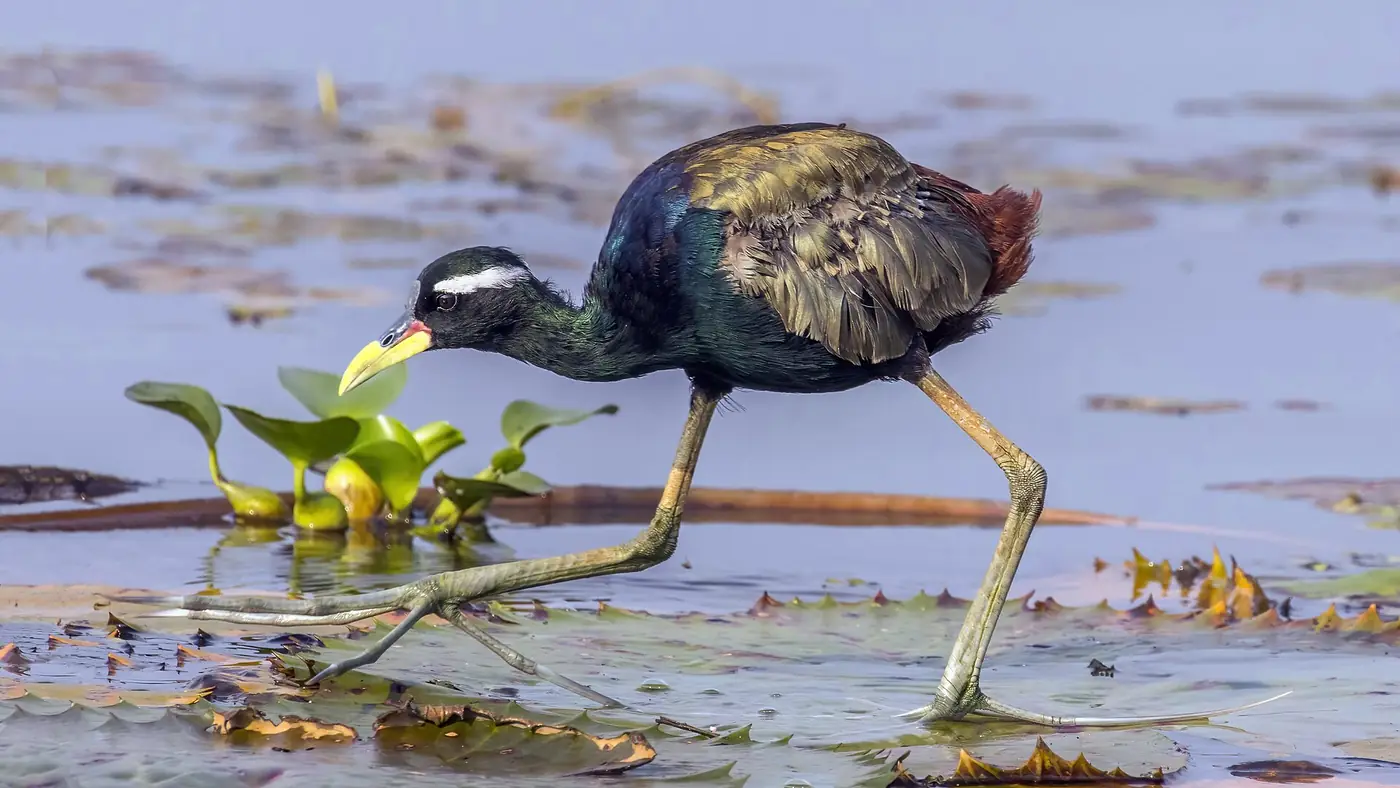
Namal Lake is a reservoir below the western end of the Salt Range, about 32 km from Mianwali, created by a dam the British built in 1913. It was once one of the more reliable winter birdwatching spots in this part of Punjab, but repeated drought years have cut its water area by more than half since 2022, and in 2026 much of its migratory bird population, including flamingos, shifted to nearby Jahlar Lake as Namal largely dried up. This guide covers the dam's history, the lake's current state, and what to expect if you visit.
| At a glance | |
|---|---|
| Where | Namal Valley, near Rikhi village, Mianwali district |
| From Mianwali | About 32 km |
| From Islamabad | About 250 km, roughly 3.5 hours via the M-14 |
| Built | 1913, as the "Dane Dam," by the British colonial government |
| Original surface area | About 5.5 km² |
| Current status (2026) | Substantially reduced by drought; check before planning a birdwatching trip around it |
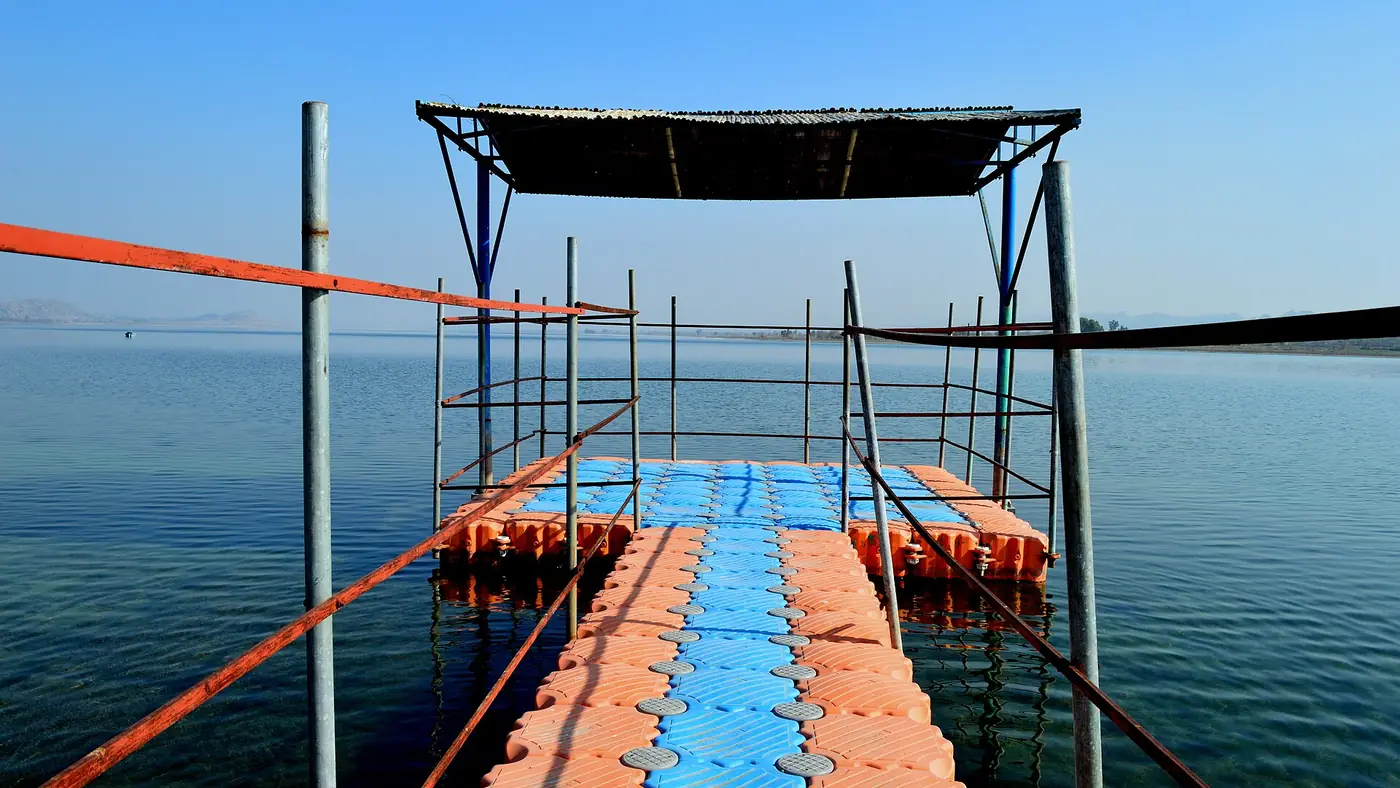
| Activities | Picnicking, walking; boating and reliable bird numbers depend on water levels |
The dam and its history
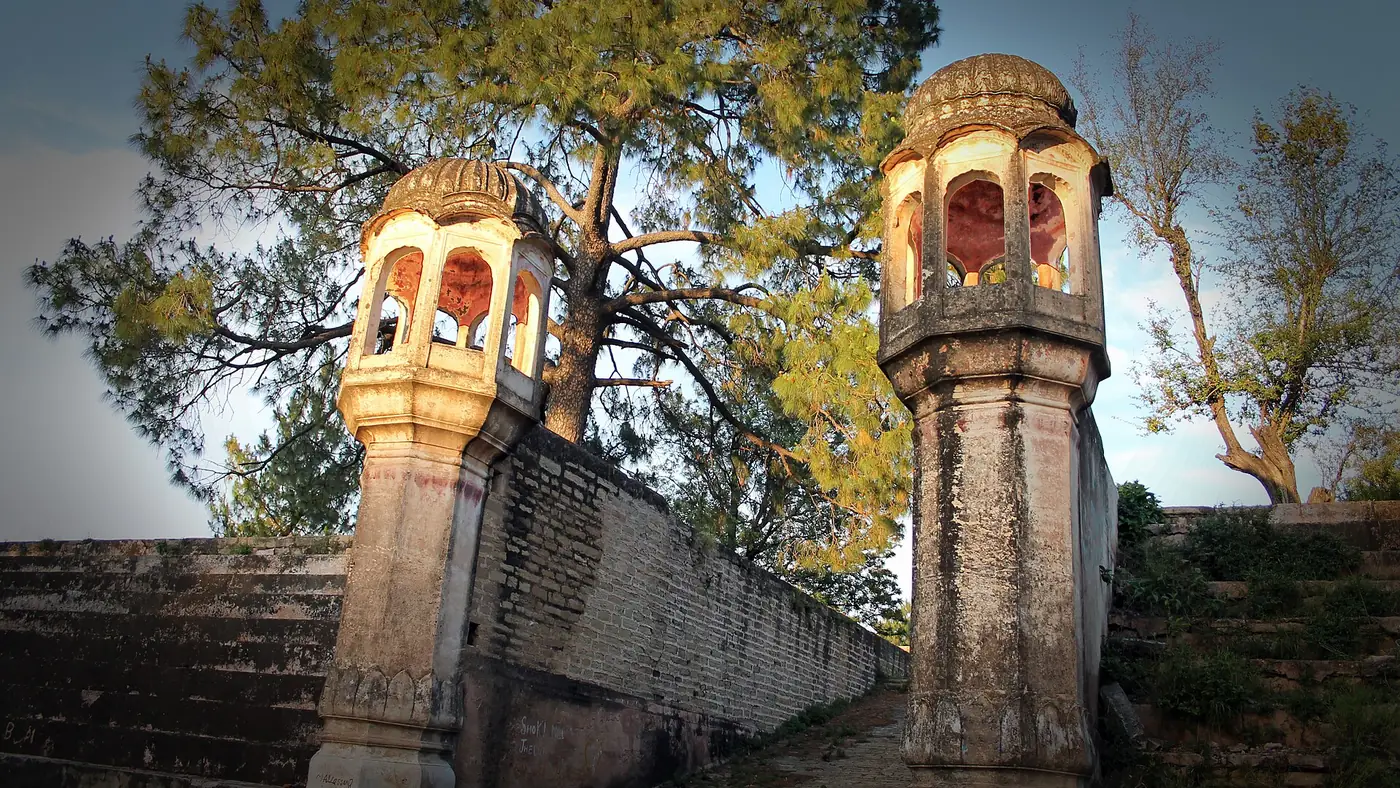
Namal Dam was built in 1913 to store water from the streams draining the Namal valley, intended to irrigate the dry land to the west of Mianwali. It was formally inaugurated in December 1913 by the Lieutenant-Governor of Punjab and named the "Dane Dam" after a colonial official involved in the project, though it is universally known today simply as Namal Lake or Namal Dam. For over a century it has served as both an irrigation reservoir and the main open water in an otherwise dry corner of Punjab, and the dam wall itself, more than a hundred years old, is still in everyday use.
Why the lake is much smaller now
Namal Lake dried to a fraction of its normal size in 2022, the first time this had happened in a hundred years, and it has not recovered. By 2022, its surface area had fallen from around 5.5 km² to about 2.2 km², a drop of more than half, driven by reduced rainfall, siltation and changes to the streams that feed it. A WWF-Pakistan report from mid-2026 confirmed the lake remained well below its historic size, noting that hundreds of migratory flamingos that once wintered at Namal had shifted instead to Jahlar Lake in Soon Valley, where more water was available. A restoration plan covering 2022 to 2027 has been drawn up to address siltation and water flow into the lake, but as of mid-2026 reporting, recovery had not materialised.
The practical takeaway: don't plan a trip around seeing large numbers of migratory birds at Namal specifically without checking current conditions first. If birdwatching is the priority, Jahlar and the other Uchhali Complex lakes in Soon Valley have, in recent years, been the more reliable option.
What you find there now
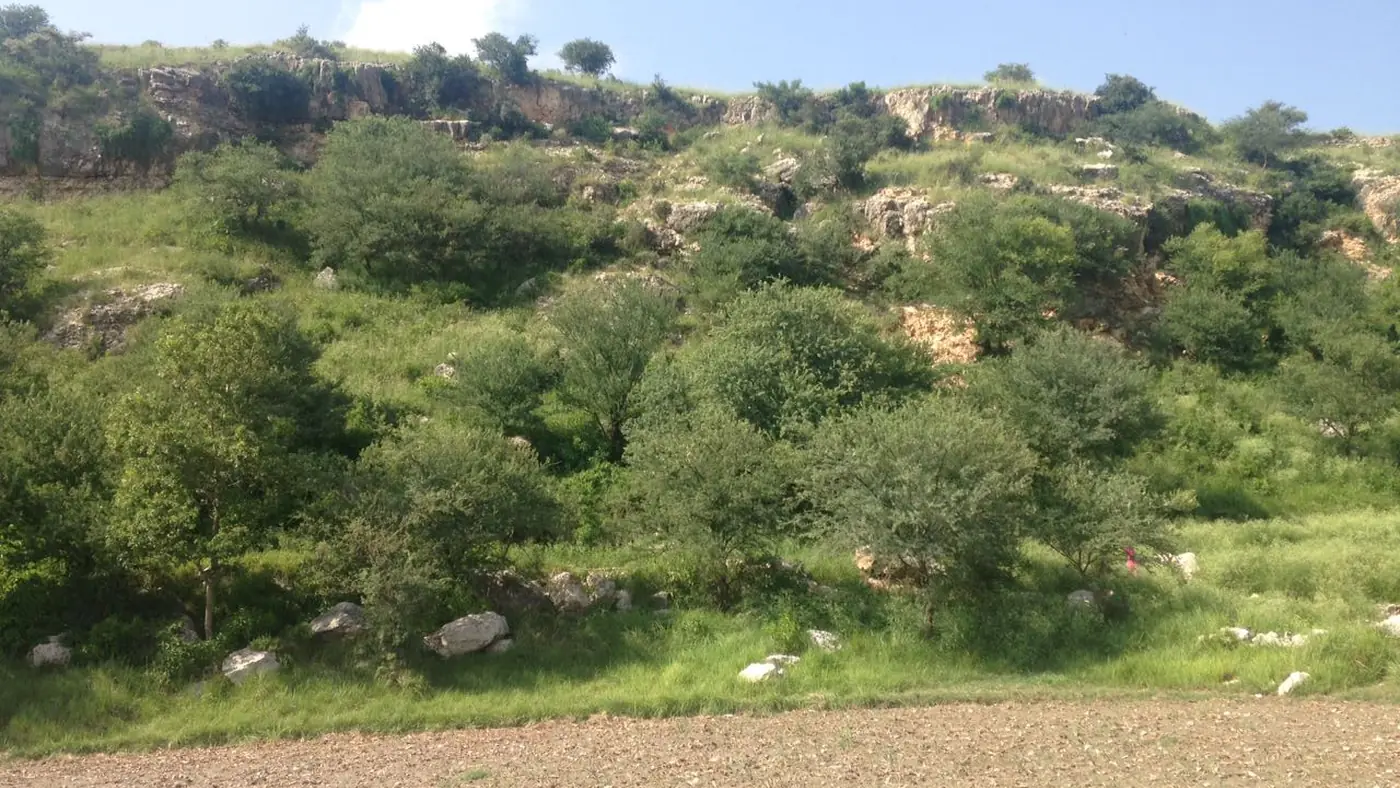
Namal is still a functioning dam and a pleasant stop for a picnic, framed by the low hills of the Namal valley, and it remains a local destination for people from Mianwali on weekends and holidays. What has changed is the scale: a lake that once supported serious boating and reliably drew large numbers of wintering waterfowl is, in its current reduced state, a smaller and quieter place. Treat a visit as a picnic and a walk around what water remains rather than a guaranteed wildlife outing, and ask locally about current conditions before travelling any distance specifically for the birds.
Namal Institute, a university campus in the valley, runs environmental and restoration work connected to the lake, and is a sign of the ongoing effort to bring the water levels back. Its presence also means the valley has slightly more going on than the lake alone, with the surrounding hills and farmland giving a reason to linger even when the water itself is low.
What used to draw visitors here
Before the recent drought years, Namal was known chiefly for two things: boating across to the dam wall through hills that wind in close around the water, and a winter population of waterfowl that included Siberian cranes and other migratory duck species alongside the flamingos. Local picnic trips from Mianwali and further afield built around those two draws, and the lake's setting, closed in by hills rather than open flat country, gave it a different character from the wider, more exposed lakes of Soon Valley further east. Whether that character returns depends on rainfall and on how the current restoration plan progresses, so it is worth asking locally, or checking recent news, before setting expectations for a visit.
What to pack
- Water and food, since there is little in the way of shops immediately at the lake
- Binoculars if birdwatching is part of the plan, though numbers are currently reduced
- Sun protection; the surrounding hills offer little shade around the water
- A full tank of fuel; options thin out once you leave Mianwali
Getting there
From Islamabad, take the M-14 (Dera Ismail Khan Motorway) west, covering the bulk of the roughly 250 km distance on the motorway before reaching Mianwali and continuing about 32 km further to the lake. There is no direct public transport to Namal Lake itself; travel by car, or arrange transport from Mianwali, which has bus and van links to the wider region. Allow extra time at the end of the trip, since the final approach follows local roads rather than the motorway.
Is Namal Lake worth visiting?
As things stand in 2026, Namal is a modest stop rather than a highlight: worth a look if you are already in Mianwali district, but not worth a long special trip purely for birdwatching or boating while the lake remains well below its historic size. If Soon Valley's lakes are within reach on the same trip, they are currently the safer bet for both scenery and birds, and the drive between the two areas is a reasonable one for anyone touring the wider Salt Range and Mianwali district rather than sticking to a single stop. Our trip-planning guide can help you weigh a detour like this against other stops in the region.
Frequently asked questions
How far is Namal Lake from Islamabad?
About 250 km, roughly 3.5 hours by car, mostly on the M-14 motorway via Mianwali.
Is Namal Lake good for birdwatching?
It has been historically, but the lake's water area has shrunk by more than half since 2022, and in 2026 much of its migratory bird population, including flamingos, moved to Jahlar Lake instead. Check current conditions before planning a birdwatching trip around Namal specifically.
Who built Namal Dam?
The British colonial government, completed and formally opened in December 1913 to irrigate land west of Mianwali. It was originally named the Dane Dam.
Can you go boating at Namal Lake?
Boating has traditionally been offered when water levels allow, but with the lake substantially reduced since 2022, availability depends on current conditions. Ask locally before planning around it.
Why has Namal Lake shrunk?
A combination of reduced rainfall, siltation and changes to the streams feeding the reservoir. A restoration plan covering 2022 to 2027 aims to address this, though the lake had not recovered as of mid-2026 reporting.
.jpg)