Monsoon travel safety in KPK comes down to three habits: stay off riverbanks and riverbeds after rain, don't drive mountain roads in heavy rain or after dark, and keep spare days. The monsoon usually runs from late June to mid-September. In 2026 it began on 26 June, and by 11 September Khyber Pakhtunkhwa had recorded 74 of Pakistan's 183 monsoon deaths, more than any other province.
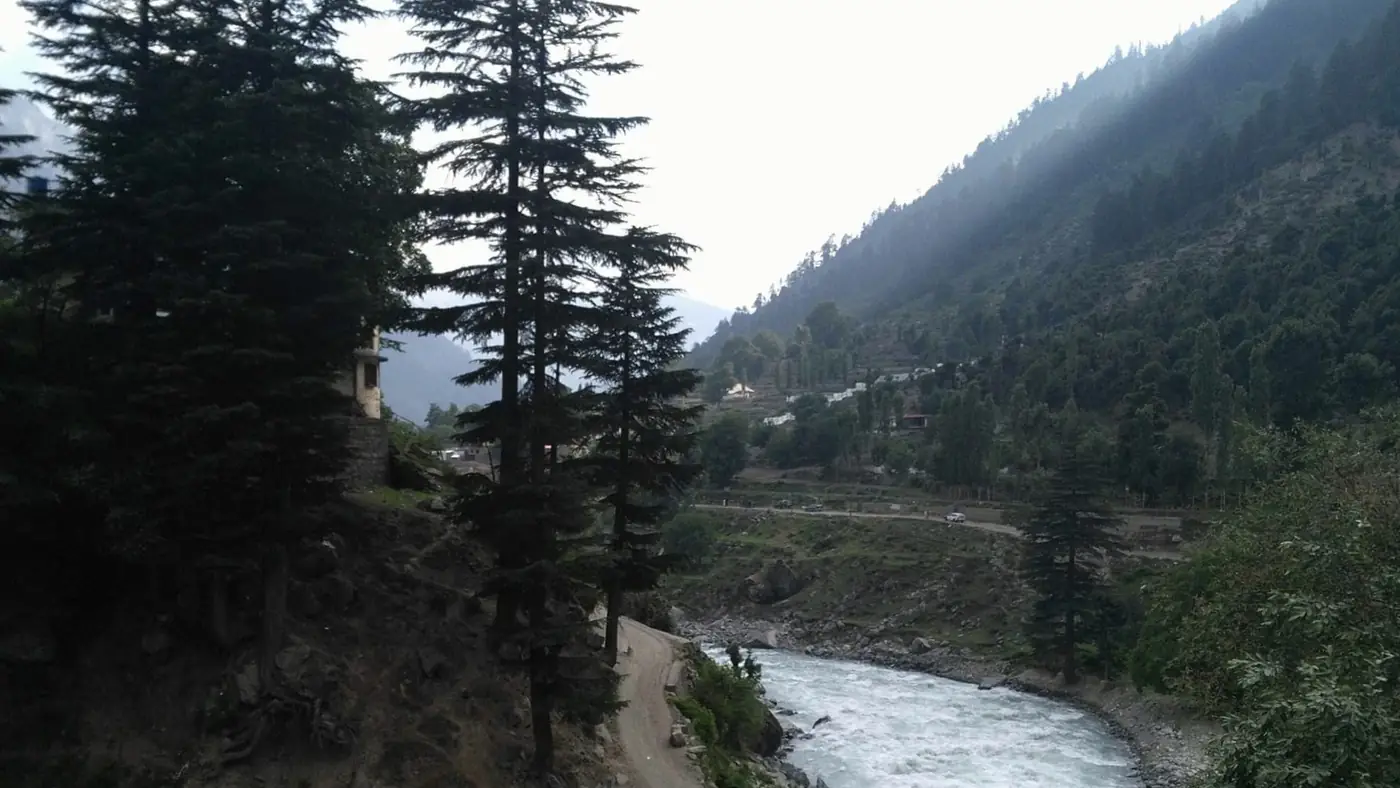
Most of those deaths were not tourists, but the places that flood are the same places visitors go: the Swat River at Mingora and Kalam, the Kunhar in the Kaghan valley, the streams around Kumrat, and the side valleys of Chitral. This guide covers what goes wrong, where, and how to plan a trip in July and August that stays on the right side of it.
| Risk | Where it bites | What to do |
|---|---|---|
| Sudden river surges | Swat River, Kunhar, Panjkora, streams at Kumrat and Harnoi | Stay off banks and gravel bars after rain upstream |
| Cloudbursts and flash floods | Side valleys and nullahs; Buner in 2025 | Don't cross a flowing nullah; move to high ground |
| Landslides | Kaghan road, the road above Bahrain, Shogran road, Galiyat link roads | Drive in daylight; turn back in heavy rain |
| Glacial lake floods | Chitral, upper Swat, upper Kaghan | Heed PDMA alerts for your valley |
| Stranding | Kumrat, Kalam, Naran, Chitral | Keep two spare days, cash and a full tank |
When is the monsoon in KPK?
The main monsoon runs from late June to mid-September, arriving in several spells of heavy rain with drier gaps between them. In 2026 the Pakistan Meteorological Department counted nine spells, the last in mid-September. Pre-monsoon storms in June can be just as dangerous: the Swat River tragedy of 2025 happened on 27 June.
The areas that take the heaviest rain are Hazara, Swat, Shangla, Buner and Dir. Chitral lies largely outside the monsoon and is dry in summer, but its risk comes from heat and ice instead: high temperatures melt glaciers, and glacial lakes burst.
What actually goes wrong
Rivers that rise in minutes
On 27 June 2025, a family group of 18 tourists, most of them from Sialkot, was having breakfast on the bank of the Swat River near the Mingora bypass when the river surged after heavy rain upstream. The water rose around them, help did not reach them in time, and most of them were swept away. The river had looked calm that morning.
That is the pattern everywhere in the north. Rain falls far up a valley, sometimes out of sight, and the river below rises within minutes. Stay off gravel bars, don't picnic on rocks in the river, and never stand in a riverbed for photographs. District administrations often ban swimming and boating in rivers for the monsoon; in 2026 Peshawar and Shangla did so. Take the bans seriously.
Cloudbursts
A cloudburst drops a huge amount of rain on one small area, sending a wall of water and debris down a nullah. On 14 and 15 August 2025, cloudbursts in Buner killed more than 200 people in that district alone, and a government rescue helicopter crashed during the relief effort, killing all five on board. If a stream you have to cross is running brown and fast, wait or turn back.
Glacial lake floods
In early August 2026, glacial lake outbursts and cloudbursts hit more than a dozen places in Chitral. The Chitral to Peshawar highway, the Shandur road and the Chitral to Mastuj road were all closed, bridges were destroyed, the internet was cut, and at least two people died. The Provincial Disaster Management Authority issues GLOF alerts for Chitral, upper Swat, Upper Dir, Kohistan and Mansehra when temperatures spike.
Landslides and washed-out roads
Rain loosens the slopes above the Kaghan road, the Bahrain to Kalam road and the jeep tracks above them. In August 2024, floods washed away the road and three bridges below Kumrat, and some 200 to 250 tourists had to be rescued. In August 2025 about 1,300 tourists were evacuated from the hills of Mansehra district. Our guides to the Naran road and the road to Kumrat cover the weak points on those routes.
Choosing a riverside stay
A hotel with the river under its windows is part of the appeal of Kalam, Bahrain, Naran and Kumrat. It is also where the damage happens. In the floods of August 2022 the Swat River destroyed about 30 illegally built hotels in Kalam and Matiltan and damaged about 50 more. Provincial law bars building within 200 feet of a riverbank, but many older buildings sit closer, and after the 2025 tragedy the government began a new crackdown on encroachments along the Swat River.
In the monsoon:
- Choose rooms well above the water, on higher ground or upper floors, rather than cottages on the bank.
- Ask whether the hotel was hit in 2022 or 2025. Owners in Kalam and Bahrain will know exactly.
- Don't camp on flat ground beside a river, including the tempting sites along the Kumrat river. Pitch well above the highest debris line.
- Know your way uphill. If the river starts to roar at night, move to higher ground first and collect your things later.
Checking the road, before and during
- Read the alerts the evening before. The KP Provincial Disaster Management Authority posts weather advisories and daily situation reports, and its helpline is 1700.
- Ask locally in the morning. Your hotel, a jeep driver or the police post will know if a slide came down overnight. The KP tourism helpline, 1422, runs around the clock for Hazara and Malakand.
- Start early and stop early. Rain in the monsoon often builds in the afternoon. Aim to be off mountain roads by mid-afternoon, and never drive them after dark.
- Turn back in heavy rain. Don't stop beneath a freshly cut slope, and never drive into water flowing across the road.
- Carry what you need to wait: a full tank, water, food, cash and a charged power bank. When a road closes, the queue can last a day, and the network often goes down with it.
- Call Rescue 1122 in an emergency.
Which trips work in July and August?
- The Galiyat and Abbottabad: rainy and foggy, but close to Islamabad, with hospitals and good roads. Landslides can block link roads for hours rather than days.
- Naran and Kaghan: open and busy, but the road is prone to slides. Keep a spare day and check each morning.
- Swat and Kalam: the riskiest river valley in the province in the monsoon. Stay well above the river and have a flexible return date. Swat also carries a security advisory in 2026, covered in our guide to whether KPK is safe for tourists.
- Kumrat: remote, with one road in. Go in a dry spell or wait for September.
- Chitral: dry, but exposed to glacial floods; keep two spare days.
Should you travel in the monsoon at all?
For most families, the better plan is to shift the trip: June, before the rain sets in, and the second half of September, after it, give you the same valleys with far less risk. Our guide to the best time to visit KPK sets out each region's season.
If July or August is your only window, choose a place with more than one way out and plenty of help nearby, such as the Galiyat or the lower Kaghan valley, and treat every river as dangerous. Build two spare days into the plan, and decide in advance that if the PDMA or the district administration tells visitors to stay away, you will go somewhere else. Our travel guide has more on planning around the weather in the north.
Frequently asked questions
Is it safe to travel to Swat in the monsoon?
It can be, with care. Stay well away from the Swat River and its banks, pick a hotel above the water, and check the forecast each day. July and August have seen the worst floods in Swat, in 2022 and again in 2025.
When does the monsoon start and end in KPK?
Usually from late June to mid-September. In 2026 it began on 26 June and its final spell arrived in mid-September.
Which areas of KPK are most prone to flooding?
Swat, Buner, Shangla, the Kaghan valley and Dir take the heaviest monsoon rain, and Chitral is exposed to glacial lake floods. Riverside towns such as Kalam, Bahrain and Naran are the most exposed places visitors stay.
How can I check if roads are open in the monsoon?
Read the KP PDMA's advisories online or call its 1700 helpline, ask your hotel and the local police each morning, and call the KP tourism helpline, 1422, for Hazara and Malakand.
Is Naran safe in July?
Naran is open and busy in July, but the Kaghan road is prone to landslides in heavy rain. Travel in daylight, keep a spare day, and stay off the riverbanks.
What should I do if I am caught in a flash flood?
Move to higher ground at once, away from the river or nullah, and leave your vehicle and belongings if you have to. Call 1122 once you are safe.