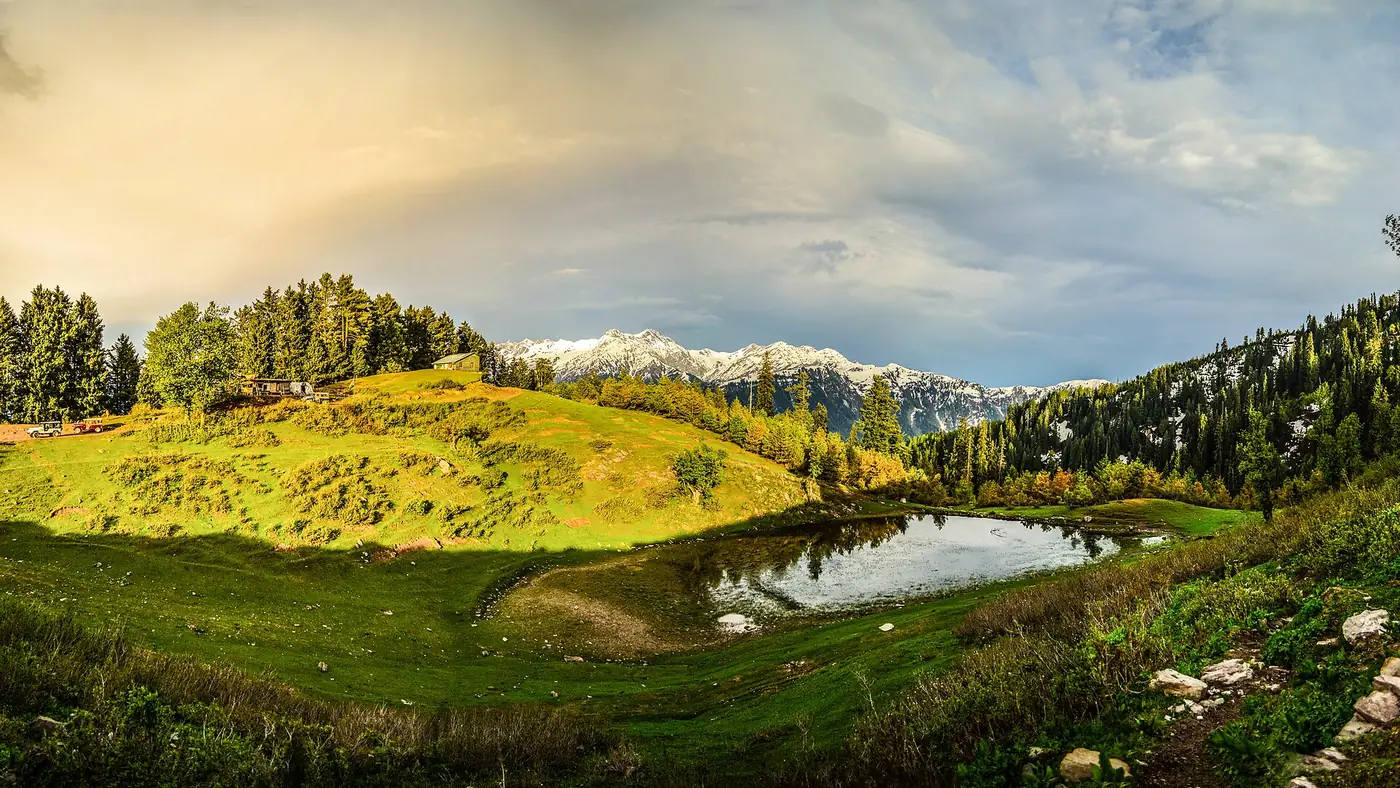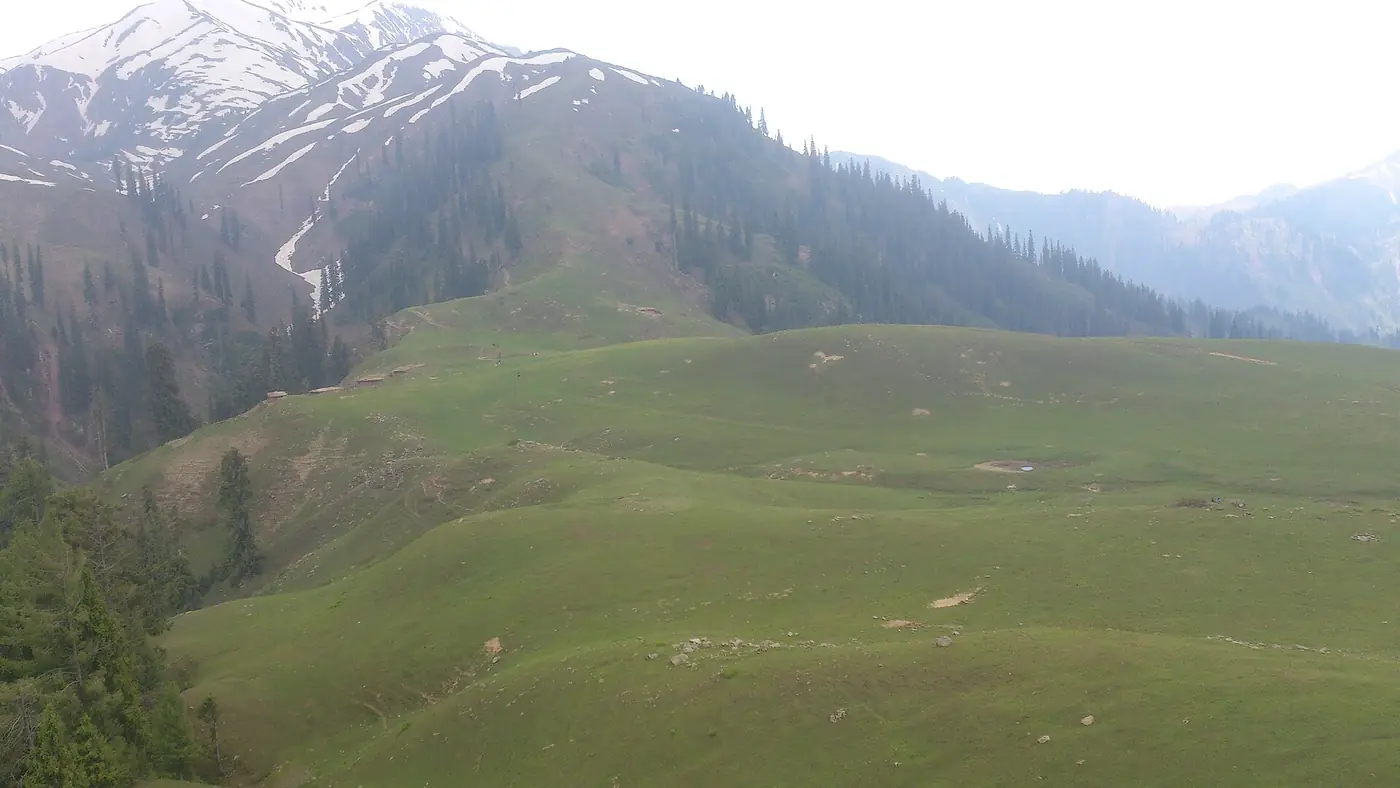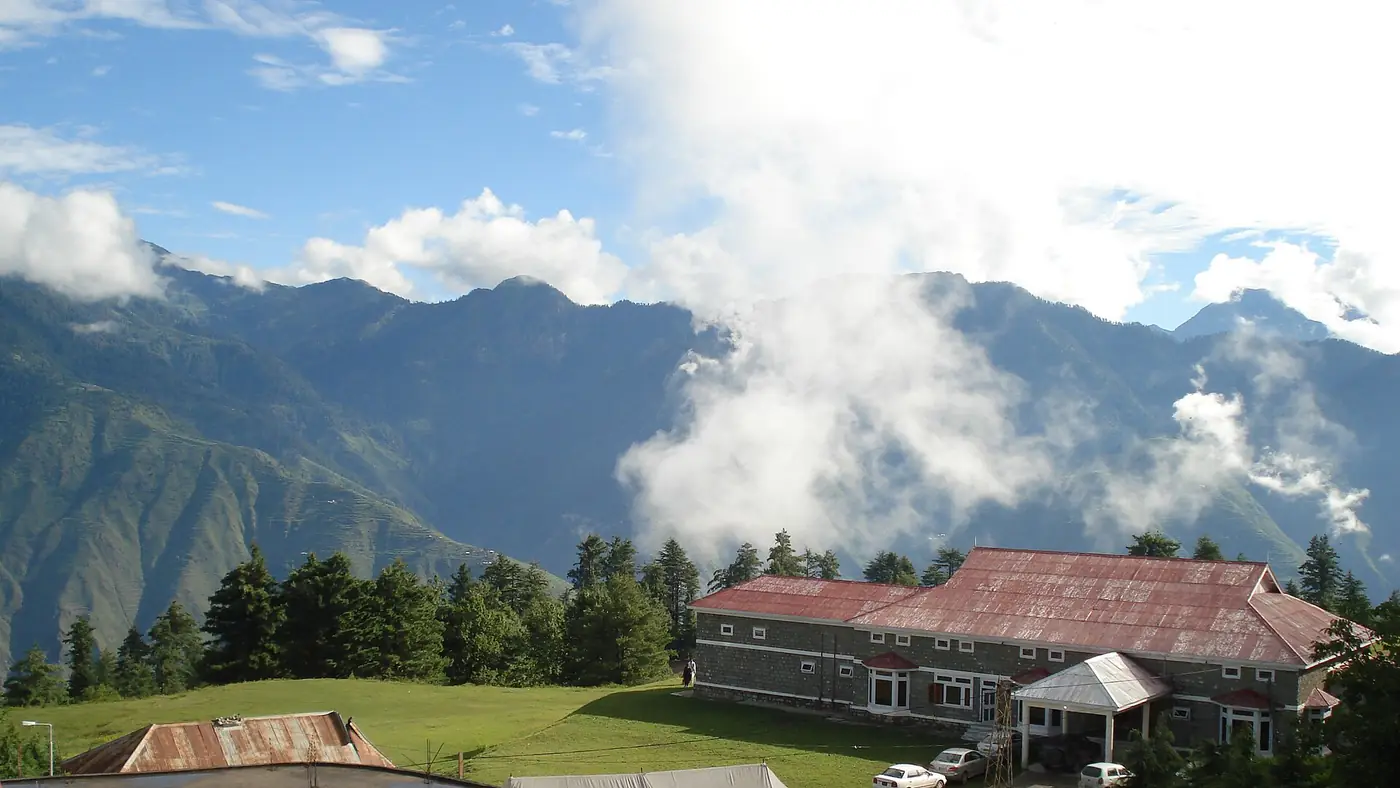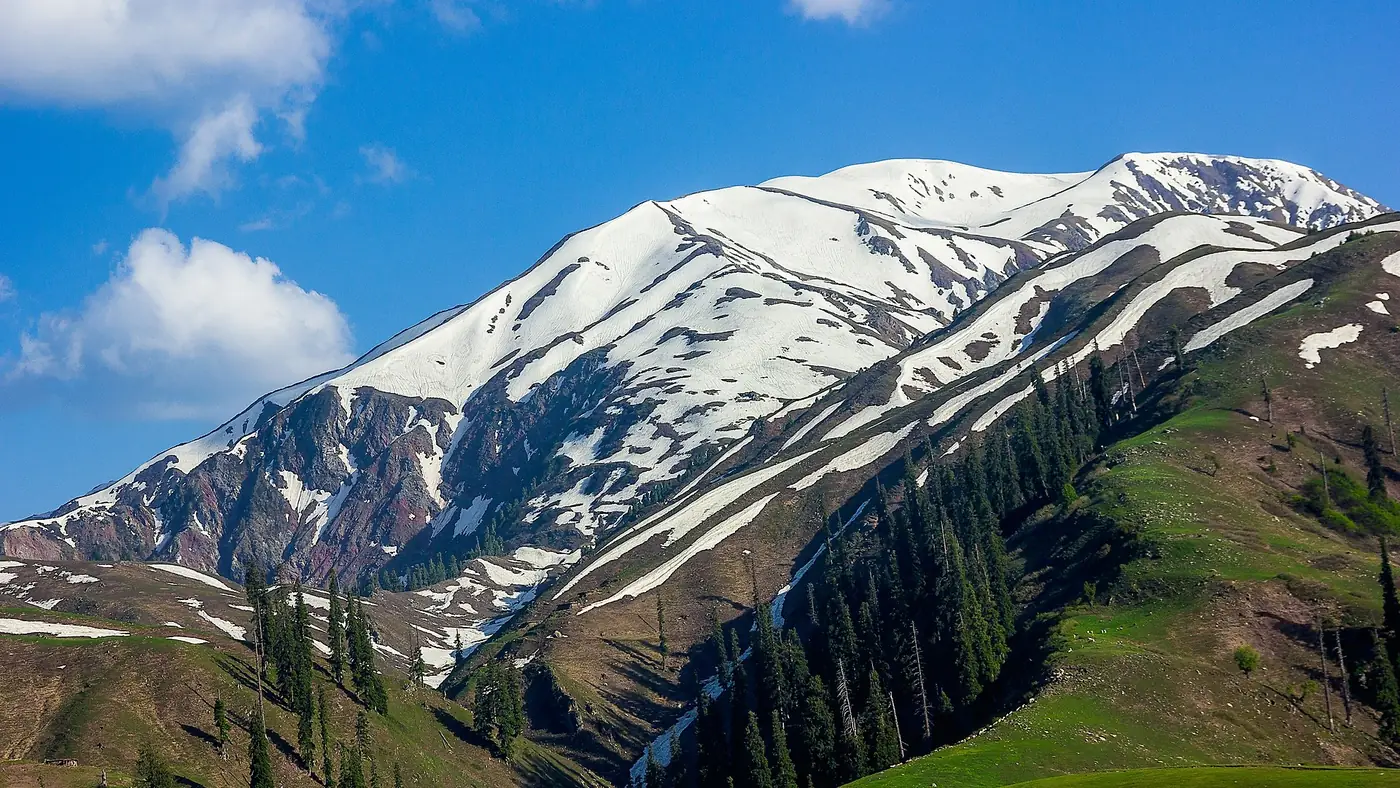
The Makra Peak trek is a day hike from the Paye meadow above Shogran to a 3,885-metre summit on the ridge between the Kaghan Valley and Azad Kashmir. From the end of the jeep track at Paye, at about 2,900 metres, you climb roughly 1,000 metres: about four hours up and three down for a fit walker. In settled summer weather it is a steep but non-technical hike. In fog, storms or winter snow it becomes serious, and people have died on it.
This guide covers getting to the start, the route to the summit, how hard it really is, the weather, the winter climb, and whether it is the right walk for you.
| At a glance | |
|---|---|
| Summit | 3,885 m |
| Start | Paye meadow, about 2,900 m, above Shogran |
| Height gain | About 1,000 m |
| Time | About 4 hours up, 3 down, plus stops |
| Difficulty | Steep, non-technical hike in summer; a snow climb in winter |
| Best months | June to September, in settled weather |
| Jeep to Paye | PKR 5,500 return from Shogran, PKR 8,000 from Kiwai (2026) |
| Water | Carry all you need |
Where is Makra Peak?
Makra Peak rises directly above the Siri Paye meadows, on the boundary between Khyber Pakhtunkhwa and Azad Kashmir. The name means "spider" in Urdu, and the glacier on its slopes feeds the Kunhar River below.
From the summit you look down into the Kaghan Valley on one side and across the hills of Azad Kashmir on the other, with Malika Parbat and Musa ka Musalla among the peaks in view on a clear day. For most visitors to Shogran it is the mountain in the background of every photograph; for fit walkers it is the obvious objective.
Getting to the start at Paye
The climb starts where the jeep track ends, at the Paye meadow. There are three ways to be there at dawn:
- Stay in Shogran and take the first jeep up. The 2026 fixed fare from Shogran to Siri Paye is PKR 5,500 return per jeep, or PKR 8,000 from Kiwai. Arrange it the evening before for a very early start, and agree the pick-up time for the afternoon. Our guide to Shogran hotels covers where to stay.
- Walk up from Shogran the day before and camp at Paye. It spreads the effort and gives you a head start, but you carry everything.
- Camp at Paye with an organised group that provides tents and meals.
An early start is not optional. Plan to leave Paye by 6 in the morning at the latest, so you reach the top before the cloud that often builds over the ridge by late morning. Our Siri Paye guide covers the meadow itself and the jeep ride.
The route to the summit
There is no single marked path, which is the main thing that surprises people. The climb goes roughly like this:
- Across the meadow, about an hour. From Paye the route crosses the upper meadow with very little gradient. It is easy walking and a good warm-up.
- The base of the mountain, where the path fades. At the end of the meadow the trail becomes faint and splits, and from here you choose your own line up the slope. In summer that means steep grass and scree; in autumn, patches of old snow.
- The steep middle section. This is the hard part: a long, steady climb above the treeline, with no shade and no shelter. Take it slowly and stop for short breaks rather than long ones.
- Onto the ridge and past the false summit. When you reach the top of the slope you are not at the top of Makra. A false summit hides the real one, and you follow the ridge to reach it.
- The final stretch. The gradient eases along the last part of the ridge. Keep the stop at the top short if the wind is strong.
- The descent, about three hours, back the way you came. Take particular care on loose ground on the steep section, and retrace your line rather than taking a shortcut, especially if cloud has come in.
Allow seven to eight hours for the round trip from Paye with stops, more for a slow group.
How hard is the Makra Peak trek?
In summer, it is a moderate to hard day hike with no technical sections. Anyone who is reasonably fit and has done a few long day walks in the hills can manage it, provided they start early and turn back when they should.
What makes it harder than the numbers suggest:
- Altitude. You go from about 2,900 to 3,885 metres in one morning. Expect to breathe hard, and watch for headaches, nausea or dizziness. Anyone who feels unwell should go down; our travel guide has more on altitude.
- No path for much of the way, so you need to read the ground and keep track of your line.
- Steepness. Parts of the middle section are steep enough that a slip on wet grass or loose stones is a real risk.
- No water or shelter on the upper mountain. Carry enough water for the day.
It is not a walk for young children, for anyone with heart or lung problems, or for people who have never walked uphill for several hours.
Weather, fog and when to go
The best months are June to September, on days with a settled forecast. June may still have snow patches high up; July and August bring monsoon showers and afternoon thunderstorms; September is often the clearest.
The weather is what makes Makra dangerous. People have died on the mountain in storms and thick fog, where bad visibility and the steepness of some sections combine. With no marked path, the open slopes are hard to navigate in cloud. Three rules cover most of it:
- Start at first light and aim to be on the summit by late morning.
- Set a turn-around time, and turn round when you reach it, summit or not.
- Go down as soon as cloud comes in. Don't wait on the ridge to see whether it clears.
Makra in winter
From about December to March, Makra is a snow climb. Snow lies on the slopes you climb, the ridge can be icy or wind-scoured, and a slip on the steep sections above a long snow slope is hard to stop. Winter ascents are for experienced, properly equipped parties with someone who knows the mountain.
The risks are real. In February 2025 two foreign tourists skiing above Shogran strayed towards Makra, spent a night out in freezing conditions, and were found near the Makra base camp after a ten-hour search by the Kaghan Development Authority and police. In December 2024 more than 400 students and teachers had to be rescued from the Siri Paye meadows below after heavy snow blocked the jeep track.
Don't attempt Makra in winter without winter mountaineering experience, proper equipment, including crampons and an ice axe you know how to use, and a local guide. Our guide to Shogran in winter covers what the rest of the area is like in snow.
What to carry
- At least two litres of water per person, and snacks for the day
- A windproof and waterproof jacket, a warm layer, hat and gloves, even in July
- Boots with good grip; trainers are a poor choice on steep wet grass
- Sunglasses and sunscreen
- A charged phone with an offline map and a power bank; don't rely on signal
- A small first-aid kit and any personal medicines
- A torch, in case the descent runs late
Is the Makra Peak trek for you?
If you are fit, have walked in the hills before and can be flexible with your day, yes. It is one of the most accessible summits near Islamabad, and standing on the ridge between Kaghan and Kashmir is a very different experience from looking at it from the meadow.
Go with someone who knows the route, particularly for a first ascent. A local guide from Shogran or an experienced friend who has climbed it removes the biggest risk, which is losing the line in cloud. Tell your hotel where you are going and when you expect to be back.
If you are not sure you are ready, walk up to Siri Paye from Shogran first. If that climb was comfortable, Makra is the next step. Our trip planning page can help you fit the extra day into a trip up the Kaghan Valley.
Frequently asked questions
How long does it take to climb Makra Peak?
About four hours up and three down from the Paye meadow for a fit walker, so seven to eight hours with stops. Slower groups should allow more and start earlier.
How high is Makra Peak?
Makra Peak is 3,885 metres. The usual starting point, the Paye meadow above Shogran, is at about 2,900 metres, so the climb is roughly 1,000 metres.
Is the Makra Peak trek difficult?
In summer it is a steep, non-technical day hike that suits fit walkers with some hill experience. Fog, storms and winter snow make it much harder and have caused deaths.
Can beginners climb Makra Peak?
Fit beginners can manage it in settled summer weather with an experienced companion or local guide. It is not suitable for young children or anyone with heart or lung conditions.
Can you climb Makra Peak in winter?
Only with winter mountaineering experience, crampons and an ice axe, and a local guide. In February 2025 two tourists lost near Makra needed a ten-hour rescue.
Do I need a guide for Makra Peak?
There is no requirement, but it is strongly advisable on a first ascent, because much of the route has no clear path and cloud can come down quickly.