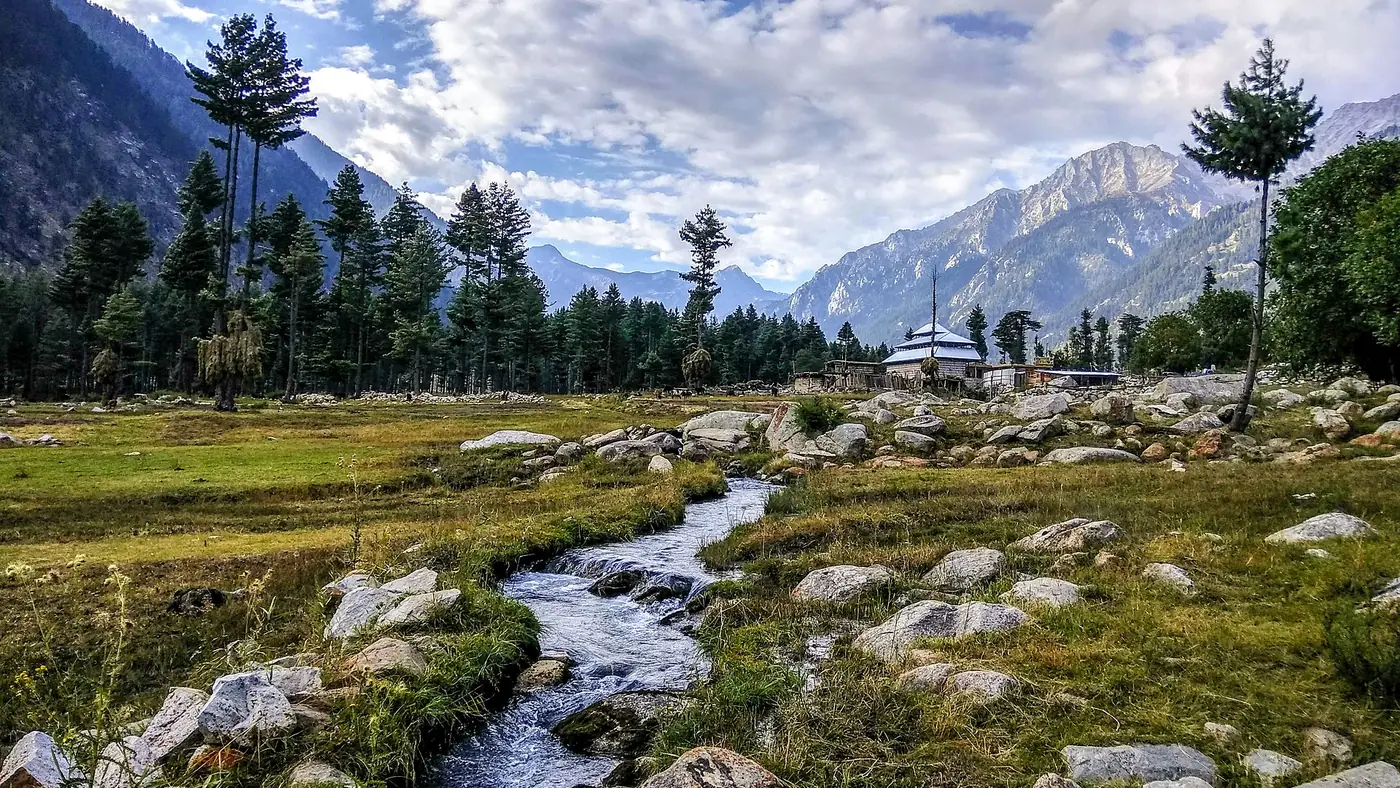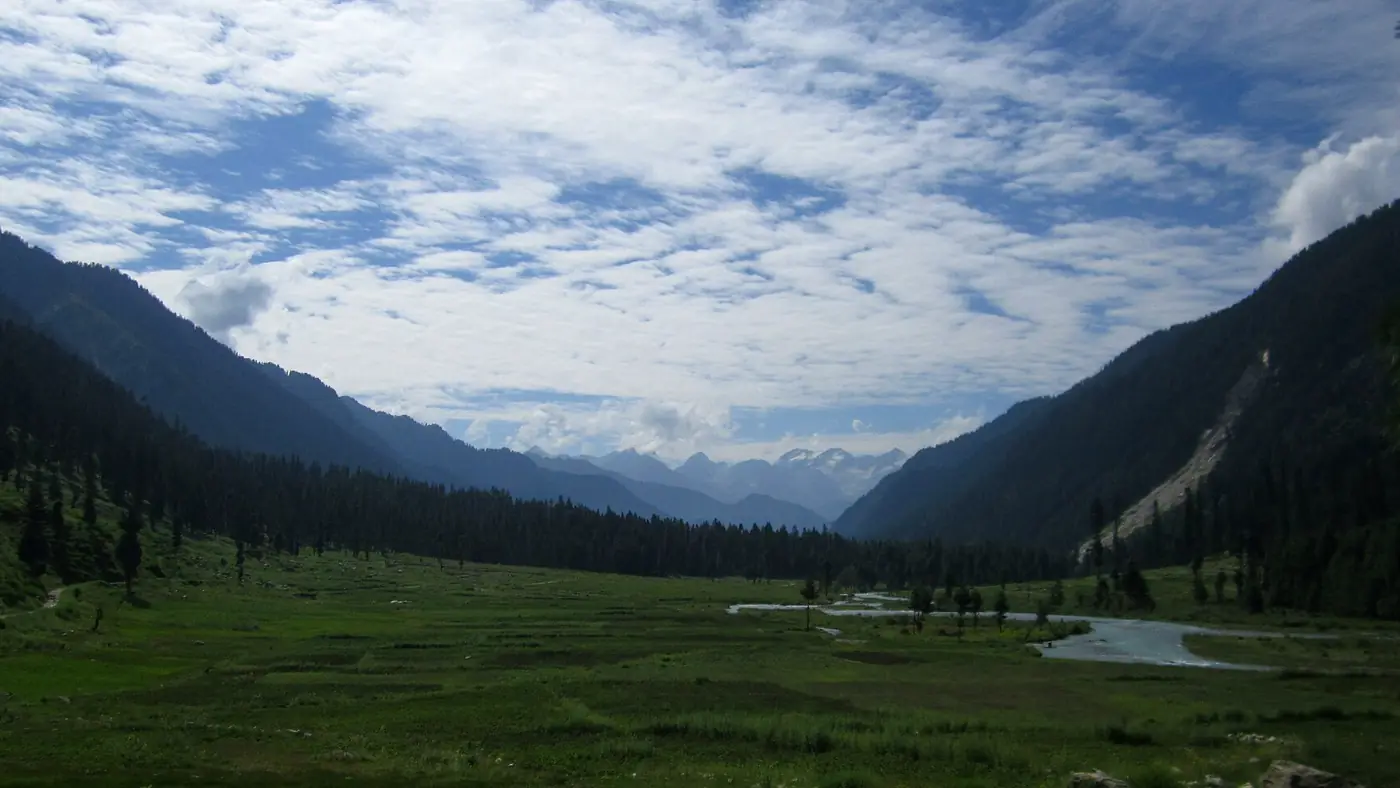
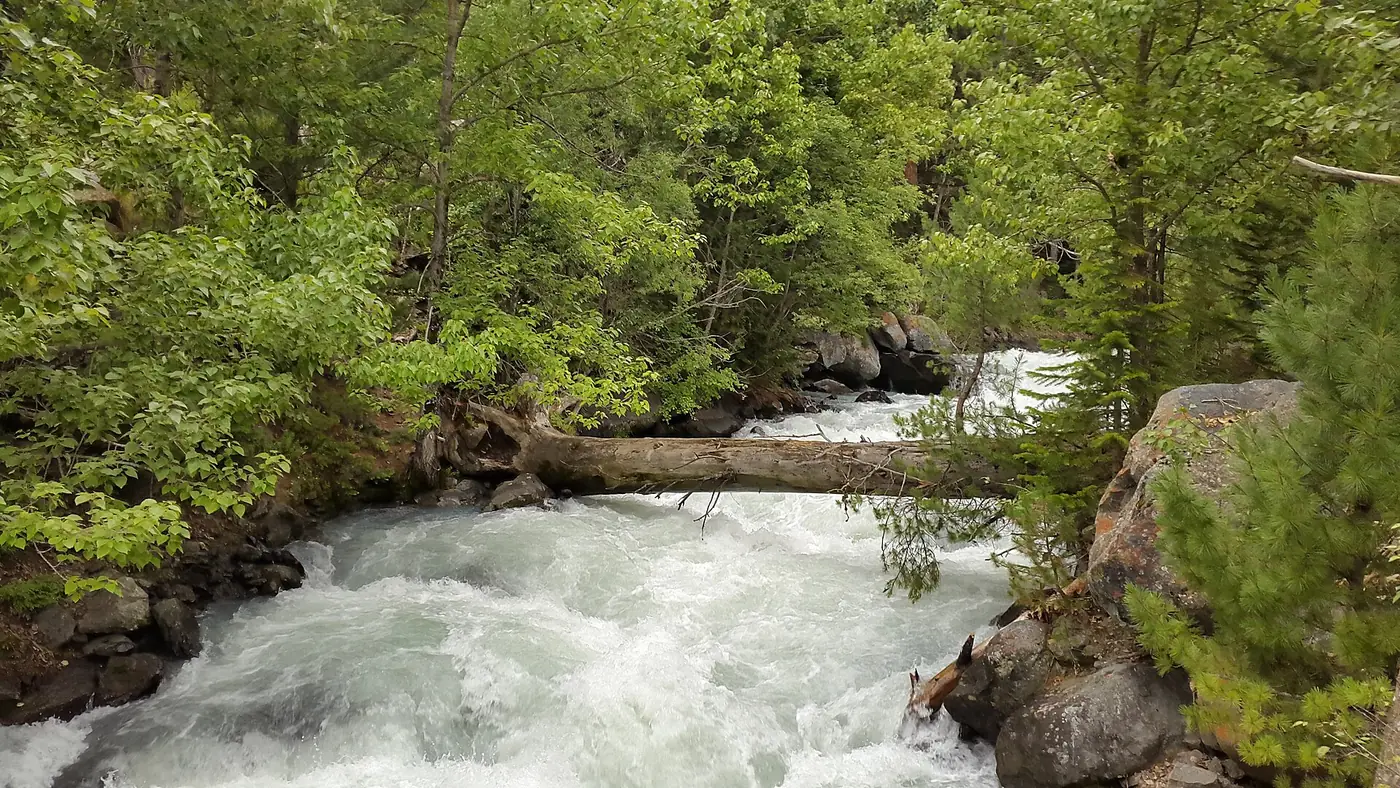
Kalkot is one of the villages of Dir Kohistan, the forested upper section of Upper Dir district, on the valley road between Dir town and Thal, the last village before the Kumrat forest. It gives its name to Kalkot Tehsil, one of six tehsils that make up Dir Kohistan alongside Patrak, Biyar, Barikot, Lamoti and Thal, and it is one of the few places in Pakistan where the Kalkoti language is spoken.
This guide covers who lives in Kalkot, what its traditional building style looks like, and how it fits into a trip along the Kumrat road.
| At a glance | |
|---|---|
| Where | Dir Kohistan, on the valley road between Dir town and Thal |
| Languages | Kalkoti and Gawri |
| Part of | Kalkot Tehsil, Upper Dir district |
| On the way to | Thal and the Kumrat forest |
| Access | The same valley road used for the whole Kumrat trip |
Where Kalkot sits
Kalkot lies in Dir Kohistan, the section of the upper Panjkora valley above the gorge near Sheringal where the language and character of the villages change from the Pashto-speaking lowlands around Dir town. The valley road that carries every Kumrat-bound visitor passes through Kalkot on its way from the turn near Dir to Thal, alongside the other Dir Kohistan villages of Patrak, Biyar, Barikot and Lamoti. Our Islamabad to Kumrat route guide covers this stretch of road stage by stage.
Language and community
Kalkot is home to speakers of Kalkoti, also known locally as Gawijaa, an Indo-Aryan language with roughly 6,000 native speakers, most of them in and around Kalkot Tehsil. Two dialects, known locally as Darag and Bishor, are spoken in the village, with Darag the older and more widely used of the two. Kalkoti shares a good deal of vocabulary with Kalami, the closely related language of Kalam across the mountains in Swat, and the village is also home to speakers of Gawri, the language used more widely across Dir Kohistan and in Kalam itself.
This linguistic mix is part of what makes Dir Kohistan distinct from the rest of Upper Dir: a scatter of small, separate language communities living in mountain valleys that were, for centuries, difficult to reach from the plains below.
Building in timber
Like other villages of Dir Kohistan, Kalkot sits in forested, mountainous country where wood has traditionally been the material at hand, and the older houses in and around the village use timber framing and wooden beams in the way that is typical across the region, most visibly in the carved wooden mosque at Thal further up the valley. As with Thal, a visitor passing through should treat any older building respectfully and ask before photographing homes or people closely.
Kalkot and the road to Badgoi
Kalkot also marks one end, by name at least, of the old route over the Badgoi Pass to Utror and Kalam in Swat: a roughly 43 km unpaved track that climbs to about 3,500 metres before dropping into upper Swat. In practice, most visitors today join this crossing further up the valley at Thal rather than at Kalkot itself, since Thal is where jeeps are hired and where the modern road effectively ends for ordinary cars. Our guide to crossing from Kalam to Kumrat via the Badgoi Pass covers that route and its season in full; it is a summer-only crossing, open roughly from late June or July to October and closed by snow the rest of the year.
Visiting Kalkot
Kalkot is a stop on the way rather than a destination in its own right for most Kumrat visitors, and that suits it well: a short pause in the village, a look at the timber building style, and a sense of Dir Kohistan's distinct languages and communities, before continuing on to Thal and the forest beyond it. Drive the valley road in daylight, as with the rest of the route, since it is narrow, often broken and prone to landslides after rain.
For a wider view of what else sits along this road and further into the district, see our guide to places to visit in Upper Dir. If you would like Kalkot built into a longer Kumrat itinerary, tell us your dates.
Frequently asked questions
Where is Kalkot?
In Dir Kohistan, Upper Dir district, on the valley road between the turn near Dir town and Thal, the last village before the Kumrat forest.
What language is spoken in Kalkot?
Kalkoti, an Indo-Aryan language with around 6,000 native speakers, alongside Gawri, which is spoken more widely across Dir Kohistan.
Is Kalkot the start of the Badgoi Pass road?
The crossing to Utror and Kalam is sometimes described as running from Kalkot, but in practice most travellers pick it up at Thal, further up the valley, where jeeps are hired for the route.
Can you stop in Kalkot on the way to Kumrat?
Yes. It sits directly on the valley road that every Kumrat-bound car or jeep uses, so a short stop needs no detour.
Is Dir safe for overseas visitors?
Pakistani visitors still travel to Upper and Lower Dir, including Kumrat, but as of September 2026 the UK government advises against all travel to both districts. If you hold a foreign passport, check your own government's advice before you go, because travelling against it can void your insurance. Everyone should check local news and current police advice before setting out.