Hunza is the more reliable winter choice: the Karakoram Highway stays open right through the season, and hotels in Karimabad and Gulmit are used to cold-weather guests. Skardu is colder, its flights are cancelled more often, and its road can close for days after heavy snow, but it rewards the effort with frozen lakes and a much quieter version of a place normally packed with visitors.
Here is how the two compare for a winter trip, and which one suits you.
| At a glance | Hunza | Skardu |
|---|---|---|
| Getting there in winter | Karakoram Highway, open year-round | Road usually open, but can close after snow; flights less reliable |
| Typical daytime temperature | A few degrees above freezing | Often below freezing |
| Frozen lakes | Attabad Lake partly freezes by late December | Lower Kachura (Shangrila) Lake freezes solid |
| Hotels open | Most main hotels stay open | Fewer options open; check ahead |
| Best for | A shorter, dependable winter break | A colder, quieter, more committed trip |
Getting there: road and flights
The Karakoram Highway through Hunza is a paved, year-round road, and while snow and landslides can close it for short periods after heavy weather, it is generally passable by car right through winter. Gilgit's airport also flies through the colder months, though weather-related delays happen.
The road to Skardu, the S-1 highway along the Indus, is also generally kept open in winter, but it runs through areas prone to snowfall and rockfall, and short closures for clearing are more common than on the Hunza route. Skardu's airport has a well-known reputation for winter cancellations and diversions, since low cloud and poor visibility around the surrounding peaks ground flights more often than at Gilgit or Islamabad. If flying is part of your plan, build in a spare day either side, and see our guide to Gilgit and Skardu flight cancellations before booking.
Cold, snow and what there is to see
Both places are genuinely cold in winter, with Skardu, further from the moderating effect of lower-altitude Hunza valley floor, usually the colder of the two. Both get snow, and both look completely different from their green, crowded summer selves.
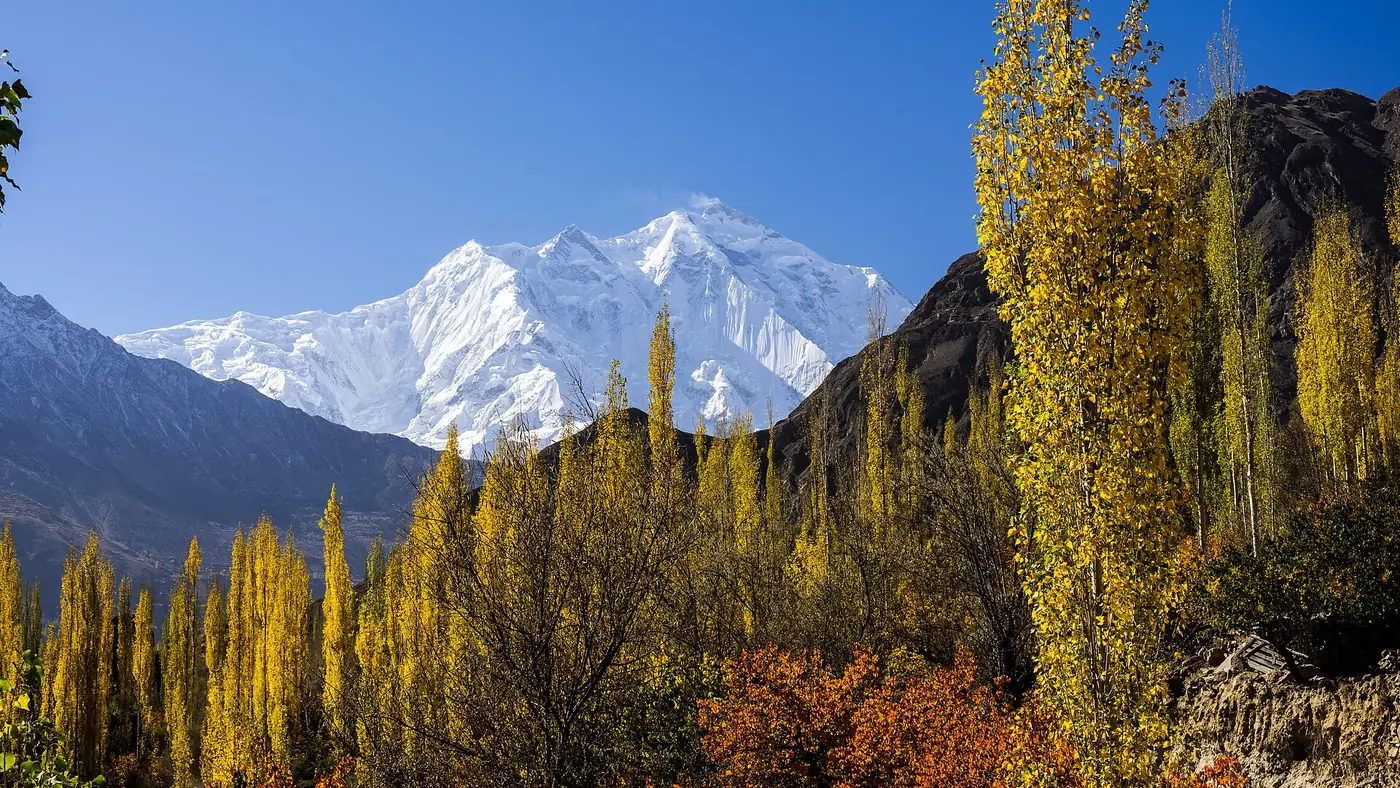
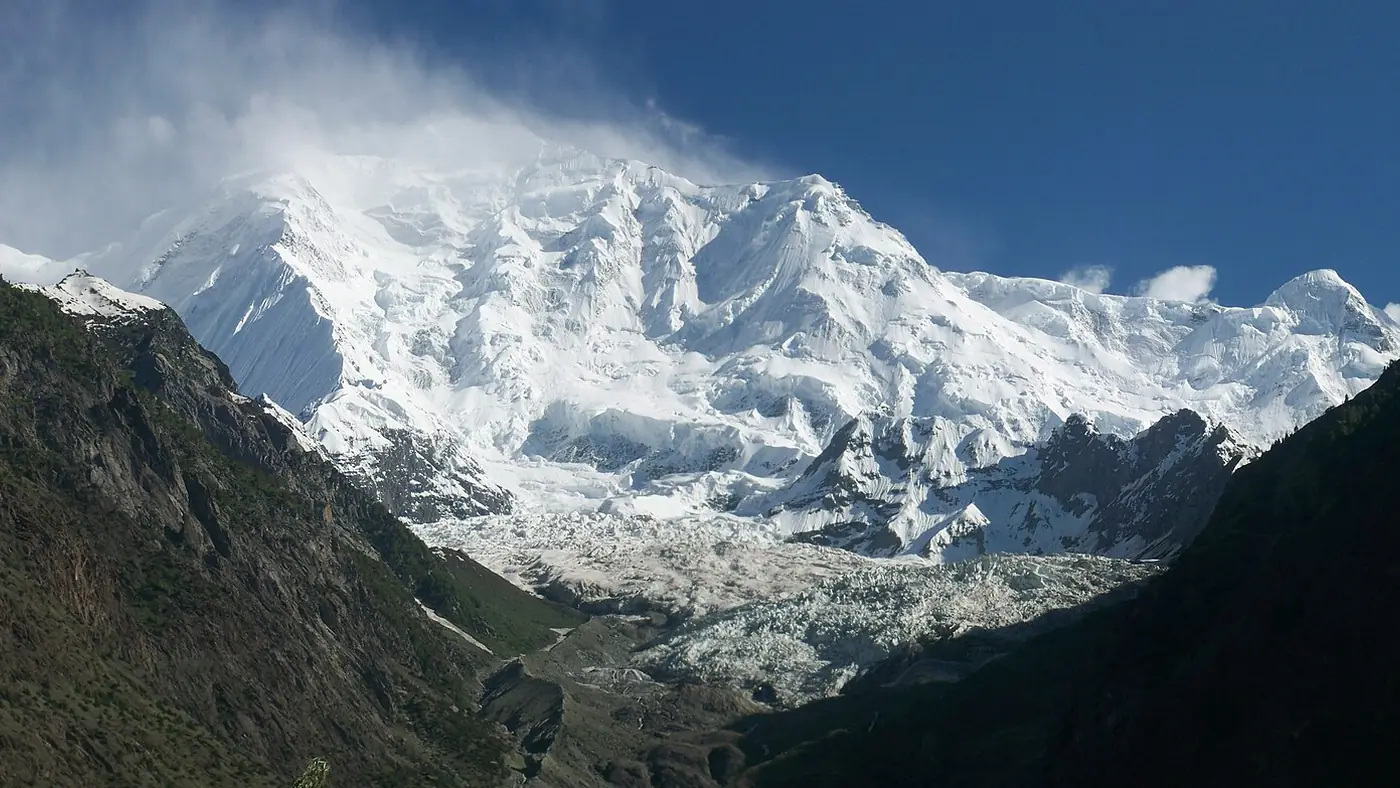
Hunza's Attabad Lake begins to freeze at its edges from around late December into January, and the surrounding slopes carry snow well into February, framed against the Hunza and Rakaposhi peaks. Around Skardu, Lower Kachura Lake, also known as Shangrila Lake, freezes solid enough in a cold winter for walking and photography on the ice, and Katpana's cold desert dunes look striking with a dusting of snow against sand.
Neither Deosai nor the passes above either valley are reachable in winter; this comparison is about the towns and their immediate surroundings, not the high plateaus that both areas are known for in summer.
Heating and comfort
Hunza's better-established hotel scene means more places genuinely set up for winter: proper heating, hot water that works reliably, and staff used to running a guesthouse through the cold months, since a reasonable number of hotels in Karimabad, Aliabad and Gulmit stay open year-round. In Skardu, fewer hotels operate through the coldest months, and it is worth confirming heating and hot water directly with wherever you book rather than assuming, since standards vary more widely.
Whichever you choose, pack as though the hotel might be cold: a proper down jacket, thermal layers and a warm sleeping layer are not optional in either place in December or January.
Which one suits you
Choose Hunza if you want a shorter trip with a lower chance of being stranded, a wider choice of open, well-heated hotels, and scenery that is still spectacular without demanding much extra planning. It works well as a long weekend, and the Karakoram Highway drive itself is part of the appeal in winter light.
Choose Skardu if you want a colder, quieter experience with genuinely frozen lakes and near-empty streets in a town that is usually full of trekkers and jeeps, and you are prepared to build slack into your schedule for flight delays or a slower drive. It suits travellers who already know the region and are not on a tight timetable.
If you cannot commit extra days as a buffer, or you are travelling with young children or older relatives, Hunza is the safer plan. For deciding between the two outside winter as well, see our comparison of Hunza versus Skardu across the whole year.
Frequently asked questions
Is the road to Hunza open in winter?
Yes, the Karakoram Highway through Hunza is a paved road that generally stays open through winter, though short closures after heavy snow or a landslide are possible.
Is it hard to fly to Skardu in winter?
Flights to Skardu are cancelled or delayed more often in winter than flights to Gilgit or most other Pakistani airports, because of low cloud and poor visibility around the surrounding mountains. Keep spare days either side of a flight-based trip.
Which lake freezes in winter, Attabad or Shangrila?
Both show ice. Attabad Lake near Hunza freezes at its edges from around late December, while Lower Kachura (Shangrila) Lake near Skardu is more likely to freeze solid in a cold winter.
Can I visit Deosai from Skardu in winter?
No. Deosai closes for the winter once snow blocks the road, typically from late October, and reopens only in June. A winter trip to Skardu covers the town and nearby lakes, not the plateau.