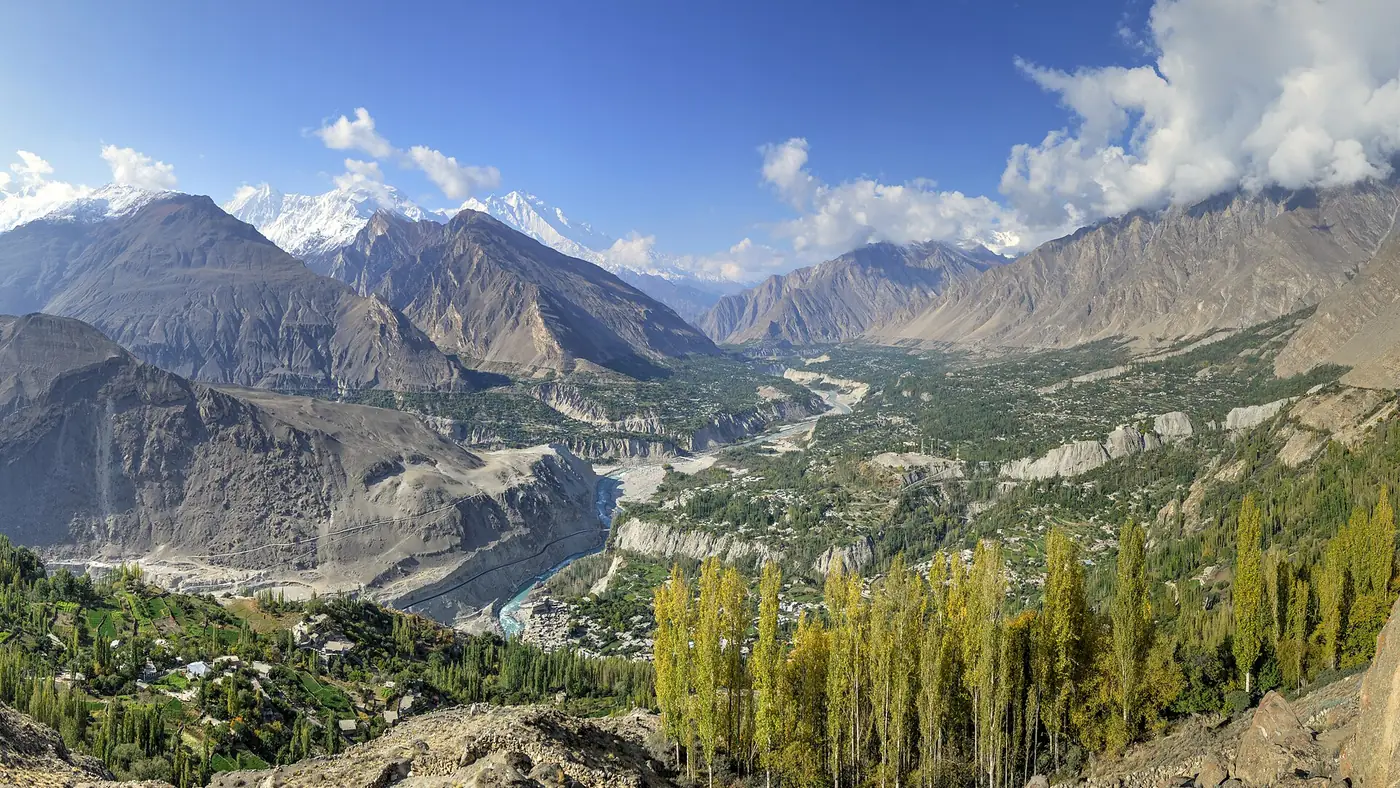
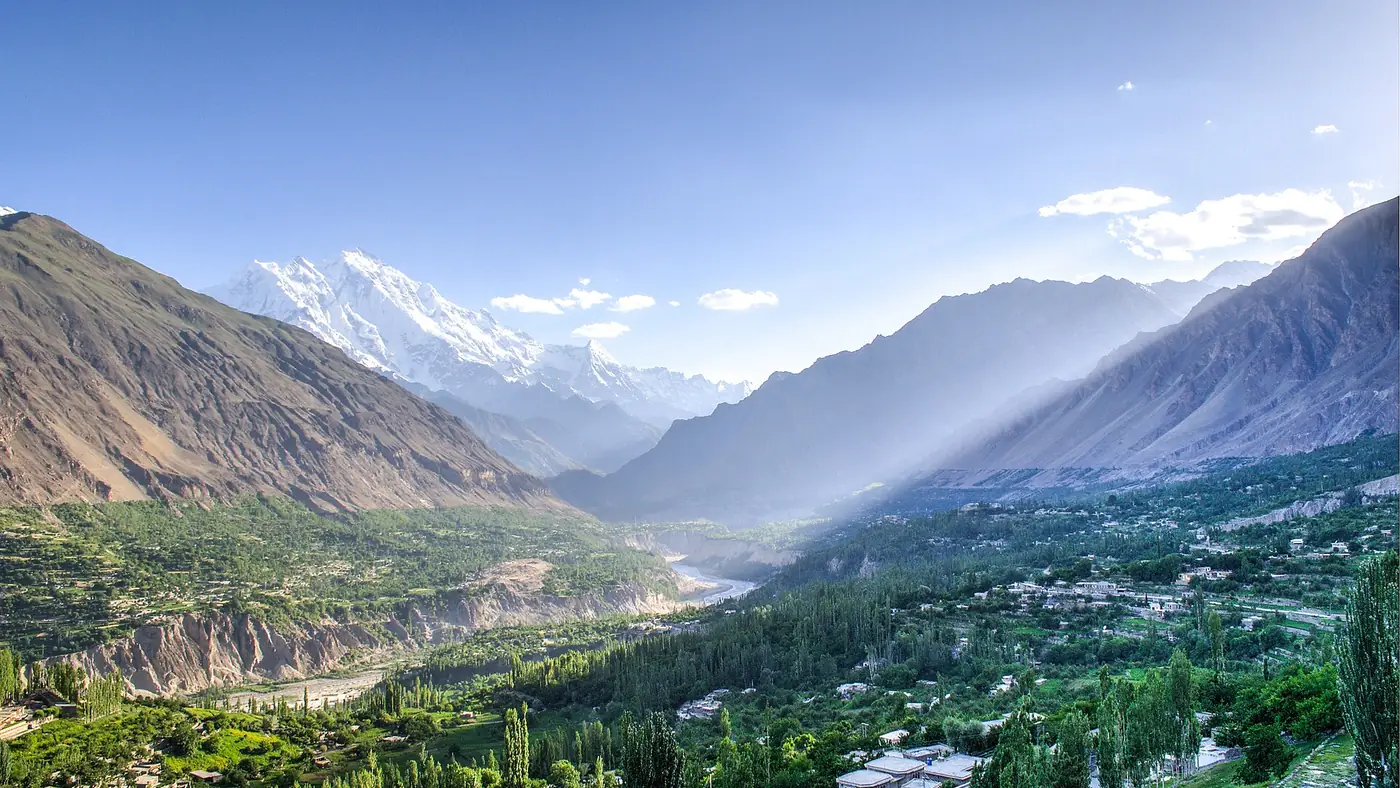
Hunza cherry season runs from late May into late July, with the harvest at its heaviest through June. This is separate from the valley's blossom, which happens in April: cherry trees flower in spring and take about eight weeks to ripen, so by the time the fruit is ready the orchards are green rather than in flower. If cherries themselves are why you're planning the trip, June is the month to aim for.
This guide covers the timing, where the orchards are, what a cherry-picking visit looks like, and how to buy fresh fruit if you are just passing through.
| At a glance | |
|---|---|
| Season | Late May to late July |
| Peak | June |
| Blossom (separate season) | Early April |
| Main growing areas | Karimabad, Altit and Aliabad in Hunza; Chalt, Ghulmet and Minapin in Nagar |
| Varieties | Indigenous red, tart cherries; sweeter, larger French varieties |
| How to buy | Roadside stalls and the Karimabad bazaar through June |
When do Hunza's cherries ripen?
Cherry trees blossom across Hunza and Nagar in early April, a few weeks after the valley's apricot blossom, and the fruit then takes roughly eight weeks to develop, changing from green to yellow to red as it fills out and sweetens. That puts the earliest fruit in the orchards by late May, with the main harvest through June and the last of the later varieties into late July.
The exact dates shift a little from year to year with the spring weather, the same way the blossom does: a warm spring brings the harvest forward, a cold one holds it back. If your visit has to land in a single week, the second half of June is the safest bet for seeing orchards in full picking.
Where the orchards are
Cherry growing is spread across both Hunza and Nagar, on either side of the river:
- In Hunza, Karimabad and Altit have well-established cherry orchards close to the main tourist area, and Aliabad, lower down the valley, also grows cherries commercially.
- In Nagar, across the river, Chalt, Jafferabad, Ghulmet and Minapin are known for cherries, alongside their apricot and apple orchards.
Two kinds of cherry are grown. Indigenous varieties are smaller, deep red and slightly tart, and have been grown in the valley for generations. French varieties, introduced more recently for disease resistance and size, are larger and sweeter, and much of the fruit sold as fresh eating cherries in June is one of these.
Visiting an orchard
Some guesthouses and hotels in the cherry-growing villages let guests pick fruit from their own trees during the season, and it is worth asking when you book if this is something you want to do. Treat any orchard other than your hotel's own as private property: cherries on the trees you pass on a walk belong to a family's livelihood, not to visitors, so don't pick without asking.
A cherry-picking morning is a simple, unstructured thing rather than an organised activity: a ladder against a tree, a bucket, and as much fruit as you can eat and carry. It suits families and anyone travelling slowly through Hunza in June rather than a single day trip.
Buying fresh cherries
Through June, fresh cherries are easy to find without visiting an orchard at all. Roadside stalls appear along the Karakoram Highway through Hunza and Nagar, and the Karimabad bazaar sells cherries by weight from local sellers during the season. Prices move through the season and by variety, higher early and late, lower at the peak of the harvest, so ask what is in season that day rather than expecting a fixed price.
Dried cherries, made from the indigenous variety, are sold year-round in Hunza's dried-fruit shops and are worth trying if you visit outside the fresh season. Cherries also turn up in local dishes: a cherry stew called shingal, and desserts that pair dried cherries with local cheese, are both worth asking for on a menu in June and July.
Planning a trip around cherry season
June sits inside Hunza's main travel season, so a cherry-focused trip doesn't need to compromise on anything else: the roads are clear, Khunjerab Pass is open, and the weather is at its most reliable. What it does mean is booking hotels a little further ahead than in a quiet month, since June and July are also peak season for the valley generally.
If you would rather see the valley in flower than in fruit, plan for April instead; our guide to Hunza blossom season covers the apricot and cherry bloom in detail. For the rest of the travel planning around a June visit, our guide to when to go sets Hunza's seasons side by side.
Frequently asked questions
What month is cherry season in Hunza?
The season runs from late May to late July, with the heaviest harvest in June. Cherry blossom, a separate and earlier event, happens in early April.
Where can I pick cherries in Hunza?
Some guesthouses and hotels in Karimabad, Altit and the Nagar villages let guests pick from their own orchards in season; ask when you book. Don't pick from orchards that aren't your hotel's without asking first.
Can I buy fresh cherries in Karimabad?
Yes, through June and into July, from roadside stalls along the highway and from sellers in the Karimabad bazaar. Prices vary through the season, so ask what is available that day.
Is Hunza cherry season the same as blossom season?
No. Blossom happens in April; the fruit ripens roughly eight weeks later, from late May into July. A trip timed for blossom will not see fruit, and a trip timed for cherries will not see the flowers.
What is special about Hunza's cherries?
The valley grows both indigenous cherries, small, deep red and slightly tart, and larger, sweeter French varieties introduced more recently. Both are grown across Hunza and neighbouring Nagar.