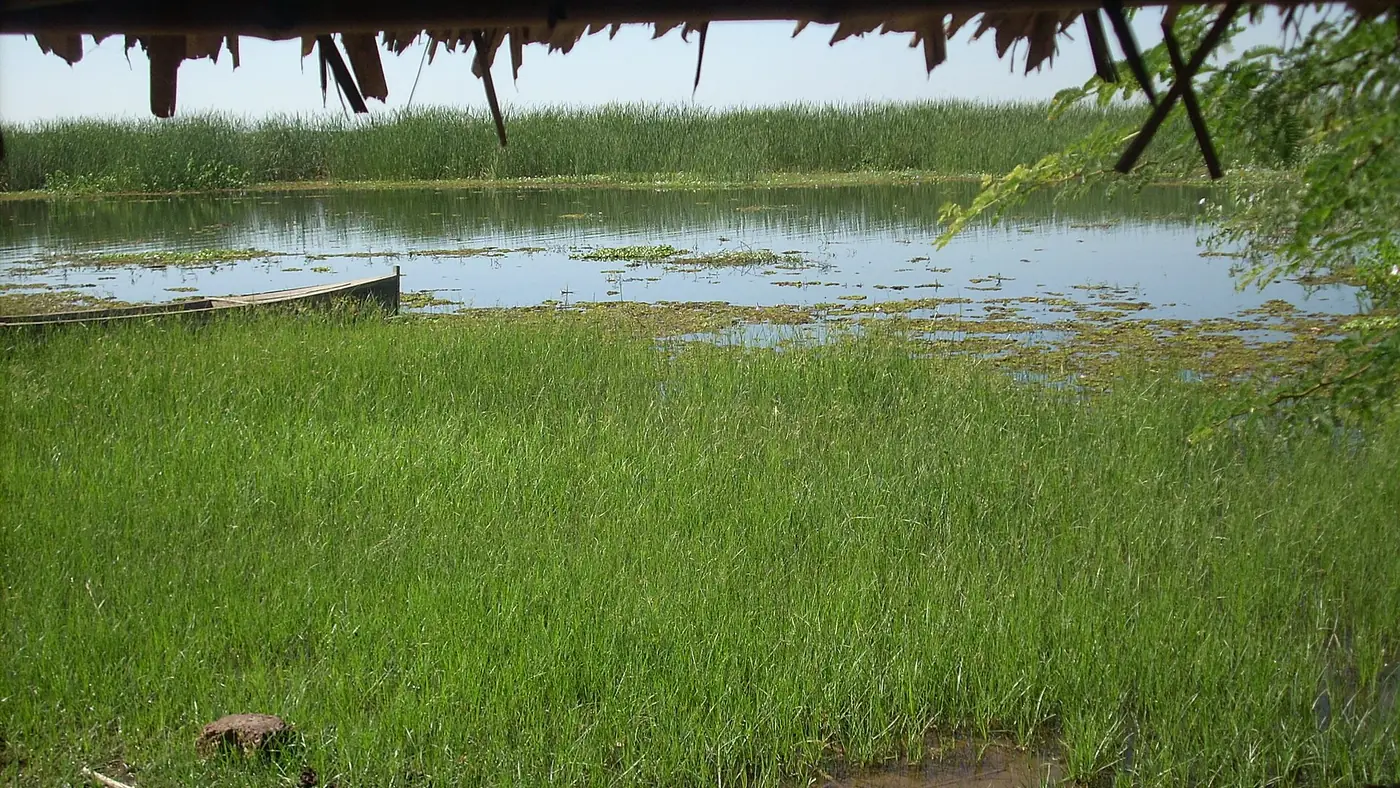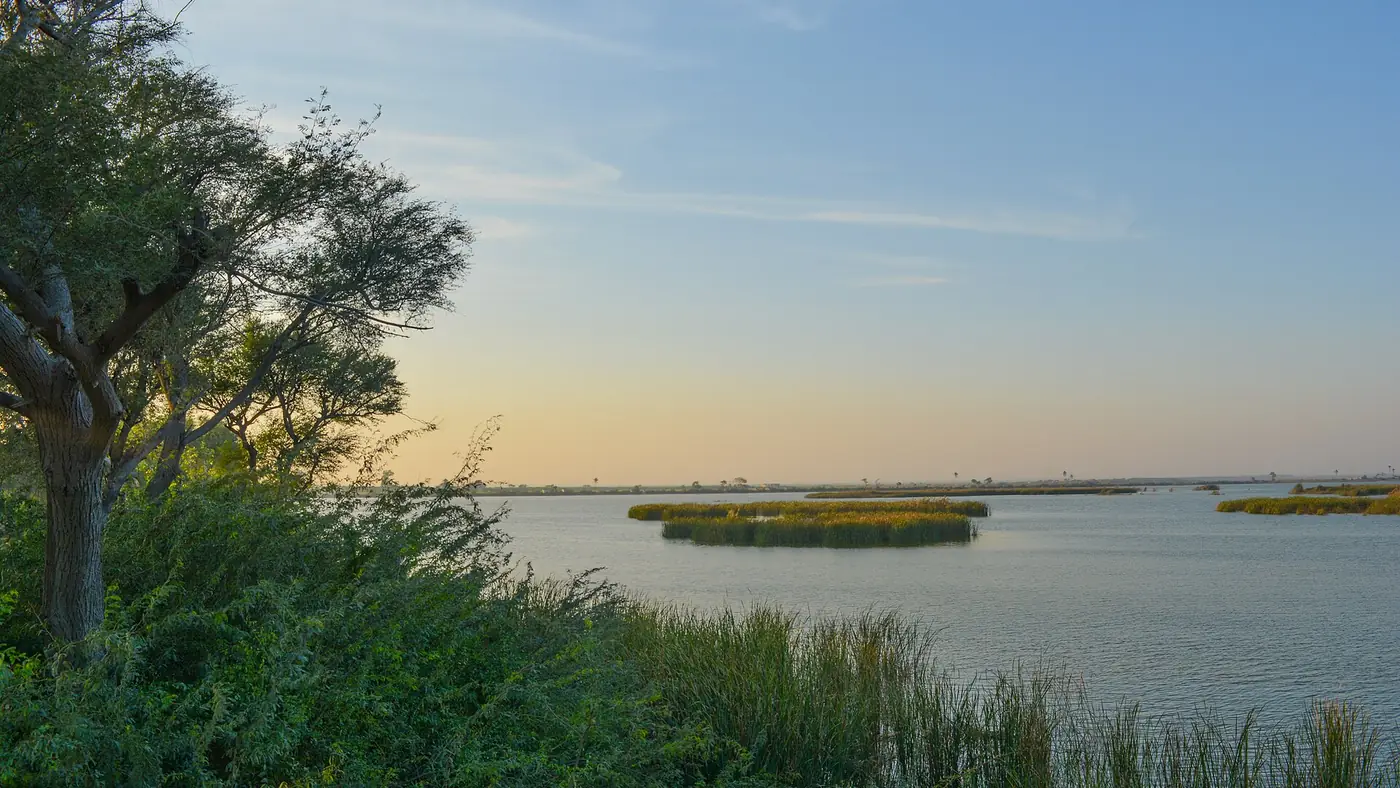
Haleji Lake is a freshwater wetland in Thatta district, about 80 to 90 km from Karachi, that has been protected as a Ramsar wetland since 1976 and a wildlife sanctuary since 1972. It's one of the best places within reach of Karachi to see large numbers of migratory waterfowl, with birds arriving from as far as Siberia through the winter months. Go between November and February, early in the morning, for the best birdwatching.
This guide covers the lake's history, what birds to expect and when, how to get there, and where to watch from.
| At a glance | |
|---|---|
| Where | Thatta district, Sindh |
| From Karachi | About 80 to 90 km, roughly 1.5 to 2 hours |
| Protection | Ramsar wetland since 1976; Sindh Wildlife Department sanctuary since 1972 |
| Best season | November to February |
| Best time of day | Early morning |
| What to bring | Binoculars, a hat, water; a guide if you can arrange one |
What is Haleji Lake?
Haleji started as a natural saline lagoon and was converted into a freshwater reservoir in the 1930s to help supply Karachi with drinking water. During the Second World War the British administration expanded it further, cutting a feeder canal from the Indus to bring in freshwater and draining the original saline water, work completed in 1943. The lake has supplied water to Karachi and Thatta district ever since.
Its conservation status followed later: the Sindh Wildlife Department declared it a protected sanctuary in 1972, and it was designated a Ramsar site of international importance in 1976, recognising it as one of the region's most significant wetlands for waterfowl.
Birds and when to see them
Haleji has long been rated among the best bird sanctuaries in the region, with counts of well over a hundred species recorded around the lake, rising into the low hundreds when migratory visitors are included through the winter.
- Winter migrants (roughly November to February) bring the greatest numbers and variety: ducks including the northern pintail, waders, pelicans, the white-tailed lapwing and the Egyptian vulture among them, many arriving from as far as Siberia and Central Asia.
- Resident and breeding species include the cotton pygmy goose, Indian spot-billed duck, purple swamphens and pheasant-tailed jacanas, and the lake is a breeding site for herons and egrets.
- Outside winter, birdlife thins considerably. A summer visit is a much quieter experience.
Haleji's water levels have dropped significantly in recent years because of reduced inflow from the Indus, and conservationists have raised concern that this is affecting the food available to wintering birds and may be reducing numbers. If you've visited before, don't expect the lake to look or perform exactly as it once did; ask locally about current conditions before you go.
Getting there
Haleji lies off the N-5 National Highway, reached via the Gharo interchange and the N-110 towards Thatta district, and pairs naturally with a wider day out around Thatta. Allow around an hour and a half to two hours from Karachi, and go by private car or with a driver; there's no practical public transport for a birdwatching visit that starts before dawn.
Visiting: watch points and etiquette
Haleji is a working wildlife sanctuary rather than a set-up tourist attraction, so come prepared rather than expecting facilities.
- Arrive early, ideally close to sunrise, when birds are most active and the light is best for photography.
- Bring binoculars. Many birds keep well out from the shore.
- Keep your distance and keep quiet. Loud groups and close approaches scatter birds quickly, and Haleji's shoreline offers few places to hide your approach.
- A local guide or the sanctuary staff can point you to the current best viewing spots, which shift with water levels and season.
- Don't feed the birds or disturb nests, especially during the breeding season.
Photography tips
- Early morning light is softer and the birds are more active, both good for photographs.
- A long lens matters more than a wide one here; most birds worth photographing are some distance from any accessible shore.
- Shoot from a low position where you can, at the birds' eye level, rather than looking down on the water.
Haleji compared with Keenjhar Lake
Visitors often ask whether to choose Haleji or Keenjhar Lake, both in Thatta district and both reachable in a similar drive time from Karachi. The two serve different purposes. Keenjhar is a large recreational lake with a resort, boat rides, food stalls and a genuine picnic atmosphere, built around people rather than wildlife. Haleji is a working wildlife sanctuary with almost none of that: no resort, little food, and a shoreline set up for watching birds rather than spending the day.
If your trip is about a family day out with boating and lunch by the water, Keenjhar is the better choice; our Keenjhar Lake guide covers it in full. If you specifically want to see large numbers of migratory birds and don't mind an early start with few facilities, Haleji is the one to plan around. Some visitors combine an early morning at Haleji with a fuller day at Keenjhar or Thatta afterwards, though this makes for a long day given the driving involved.
Is Haleji Lake worth the trip?
For a keen birdwatcher visiting in winter, yes, and it's one of the better wetland sites within a couple of hours of Karachi. For a casual family day out it's a harder sell: there's little in the way of facilities, food or activities beyond the birds themselves, and the main draw is seasonal.
It works well paired with a Thatta day out; birdwatchers with a full day can add Makli or Keenjhar Lake afterwards, while those short on time should treat Haleji as a dedicated early-morning trip on its own. For help planning a longer route through lower Sindh, see our trip planning page, and our day trips from Karachi guide sets Haleji alongside the city's other options.
Frequently asked questions
When is the best time to visit Haleji Lake for birdwatching?
November to February, when migratory waterfowl are present in the greatest numbers. Go early in the morning for the most activity and the best light.
How far is Haleji Lake from Karachi?
About 80 to 90 km, roughly one and a half to two hours by road, reached via the N-5 and the Gharo interchange.
What birds can you see at Haleji Lake?
Winter migrants such as the northern pintail and other ducks, waders, pelicans and the white-tailed lapwing, alongside resident species including the cotton pygmy goose, purple swamphen and pheasant-tailed jacana, which also breeds here along with herons and egrets.
Is Haleji Lake good for a family day out?
It suits birdwatchers and photographers more than a general family outing. There are few facilities, and the appeal is strongly seasonal, so it works best as an early-morning trip for people specifically interested in the birds.
Is Haleji Lake protected?
Yes. It has been a Sindh Wildlife Department sanctuary since 1972 and a Ramsar wetland of international importance since 1976, though reduced water inflow from the Indus in recent years has raised concern about its condition.