
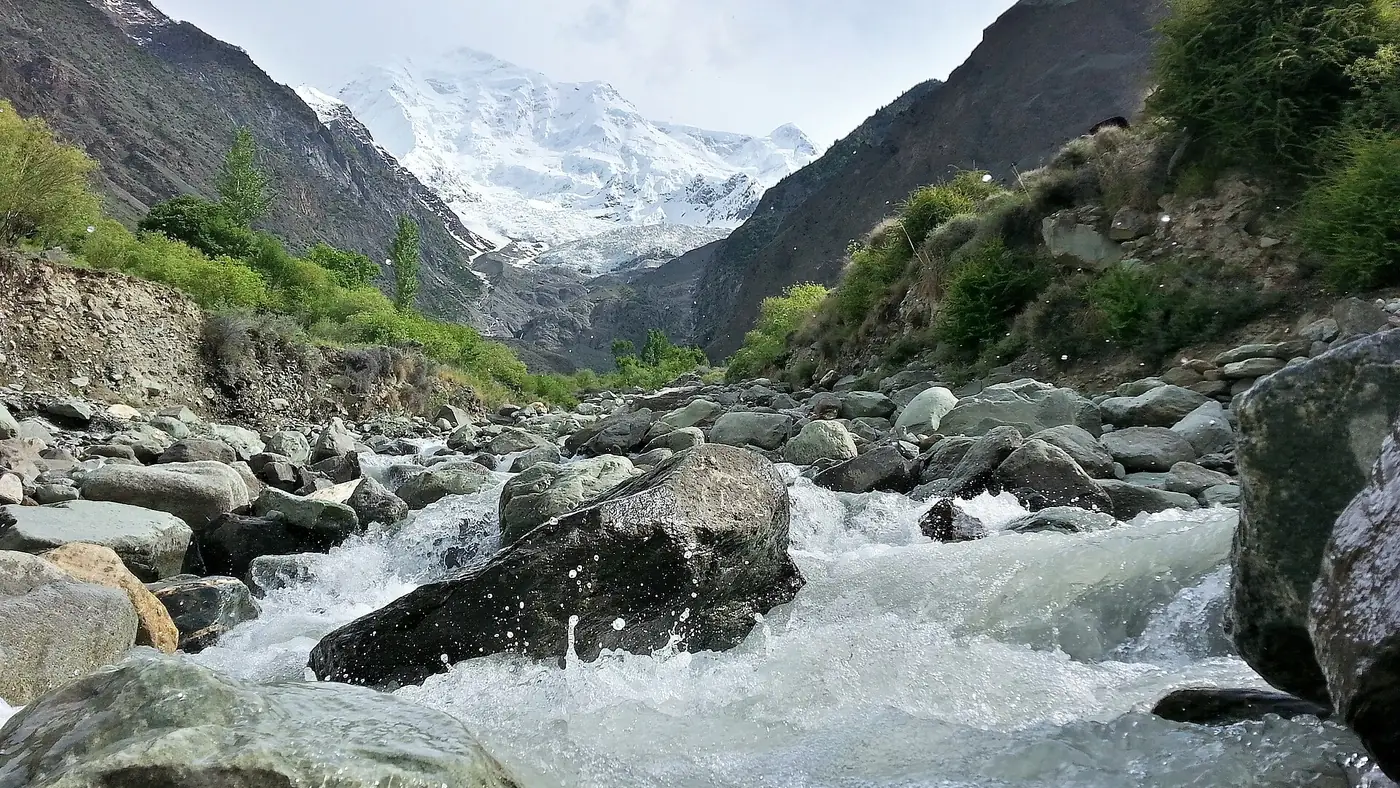
A Gilgit-Baltistan trip with elderly parents works best if you build it around Hunza and Skardu town, both under 2,300 metres and reachable without much walking, and leave the highest day trips, Deosai, Khunjerab and a Fairy Meadows overnight, as optional extras rather than the plan. The region has enormous range in altitude within a single itinerary, and that range is the main thing to manage, more than distance or road quality.
This guide covers altitude limits, flying versus driving, and finding places to stay that don't involve a lot of stairs. For the wider planning picture across the north, including Kaghan and Swat, see our guide to a northern areas trip with elderly parents; this one focuses specifically on Gilgit-Baltistan.
| At a glance | |
|---|---|
| Comfortable towns | Gilgit (~1,500 m), Karimabad (~2,500 m), Skardu (~2,228 m) |
| Higher day trips to think twice about | Deosai (~4,100 m), Khunjerab (4,693 m), Babusar Top (4,173 m) |
| Best driving pace | 4 to 5 hours a day, not more |
| Flying vs driving | Flying saves a long first day; both airports can be weather-cancelled |
Altitude: the main limit, not the distance
Gilgit, Karimabad and Skardu town all sit below 2,500 metres, low enough that most older adults feel no more than the usual travel fatigue. The places that cause trouble are the high day trips built into a lot of standard itineraries: Deosai at around 4,100 metres, Khunjerab Pass at 4,693, Babusar Top at 4,173, and a night at Fairy Meadows around 3,300. Anyone with a heart or lung condition should ask a doctor before any of these, and it is worth planning the trip so that the high points are optional add-ons rather than fixed stops the whole group has to do together.
Choosing a comfortable route
A route through Islamabad, Gilgit, Hunza and back, or Islamabad, Skardu and back, keeps almost every night at a manageable altitude. If Deosai or Khunjerab genuinely matter to your parents, do them as a single day trip from a low base, with the option to turn back early, rather than building the whole plan around reaching them. Our travel guide sets out the main routes, and the same altitude caution applies whether you are travelling as a family or as a couple.
Flying or driving in
Flying to Gilgit or Skardu saves a long first day on the road, which matters more for older travellers than for anyone else in the group. The trade-off is that both airports are affected by mountain weather and flights are cancelled often enough that no trip should depend on the first one going. If you fly, keep a spare day either side, and have a plan for driving instead if the flight does not go. If you drive the whole way, break the Karakoram Highway or the Skardu road into two days rather than one long push, and stop overnight partway rather than arriving after dark.
Pacing the days once you're there
Keep driving days to four or five hours where you can, with a proper stop for lunch and photographs rather than pushing straight through. Build in a rest day after any long travel day, particularly before a high day trip. Two or more nights in each main base, rather than one, cuts down on packing and unpacking and gives everyone a chance to adjust before moving on.
Finding accessible places to stay
Many hotels and guesthouses in the north are older buildings, often without a lift, so ask specifically about ground-floor rooms when you book rather than assuming one will be available. The established chain hotels in the region, including Serena's properties in Gilgit, Hunza and elsewhere in Gilgit-Baltistan, are generally more consistent about this than smaller guesthouses, but confirm directly rather than relying on photos. Wherever you book, ask about the number of steps to the room, the distance from the car park, and whether hot water and heating are reliable, since these matter more for older travellers than for anyone else.
What medical backup actually looks like
Outside Gilgit and Skardu, medical facilities in Gilgit-Baltistan are basic, and specialist care means a flight or a long drive back to Islamabad. Carry a clear list of medications and dosages, enough medicine for delays, and any recent medical letters relevant to a heart or lung condition. Travel insurance that covers evacuation is worth having for this region specifically, given how far some valleys are from serious medical care.
Is it worth it?
For most families, yes, if the route is chosen with care: Hunza and Skardu town are comfortable, scenic and manageable for most older travellers, and neither needs anyone to walk far or sleep unusually high. The parts to be honest about are the high day trips. If a parent has a heart or lung condition, or simply finds altitude hard, it is entirely reasonable to skip Deosai, Khunjerab and a Fairy Meadows night and let the rest of the group do them as a separate day while your parents rest at a lower altitude.
Frequently asked questions
What altitude is safe for older travellers in Gilgit-Baltistan?
Below about 2,500 metres is comfortable for most people, which covers Gilgit, Karimabad and Skardu town. Above about 3,300 metres, altitude effects become more likely, and anyone with a heart or lung condition should check with a doctor first.
Should we fly or drive with elderly parents?
Flying saves time and effort, but both Gilgit and Skardu airports are weather-dependent, so keep a spare day and know the road route as a backup rather than assuming the flight will go.
Can elderly parents visit Deosai or Khunjerab Pass?
They can, if there are no heart or lung conditions and the visit is kept short, but the altitude gain is fast and significant. It is reasonable to treat these as optional rather than essential stops.
Are there wheelchair-accessible hotels in Gilgit-Baltistan?
Full wheelchair accessibility is uncommon in the region. Ask specifically about ground-floor rooms and step-free access when booking, rather than assuming a hotel can accommodate limited mobility.
How many days should we allow for a comfortable trip?
Longer than a standard itinerary: allow extra rest days, keep driving days to four or five hours, and stay two or more nights in each main base rather than moving every day.
.jpg)