
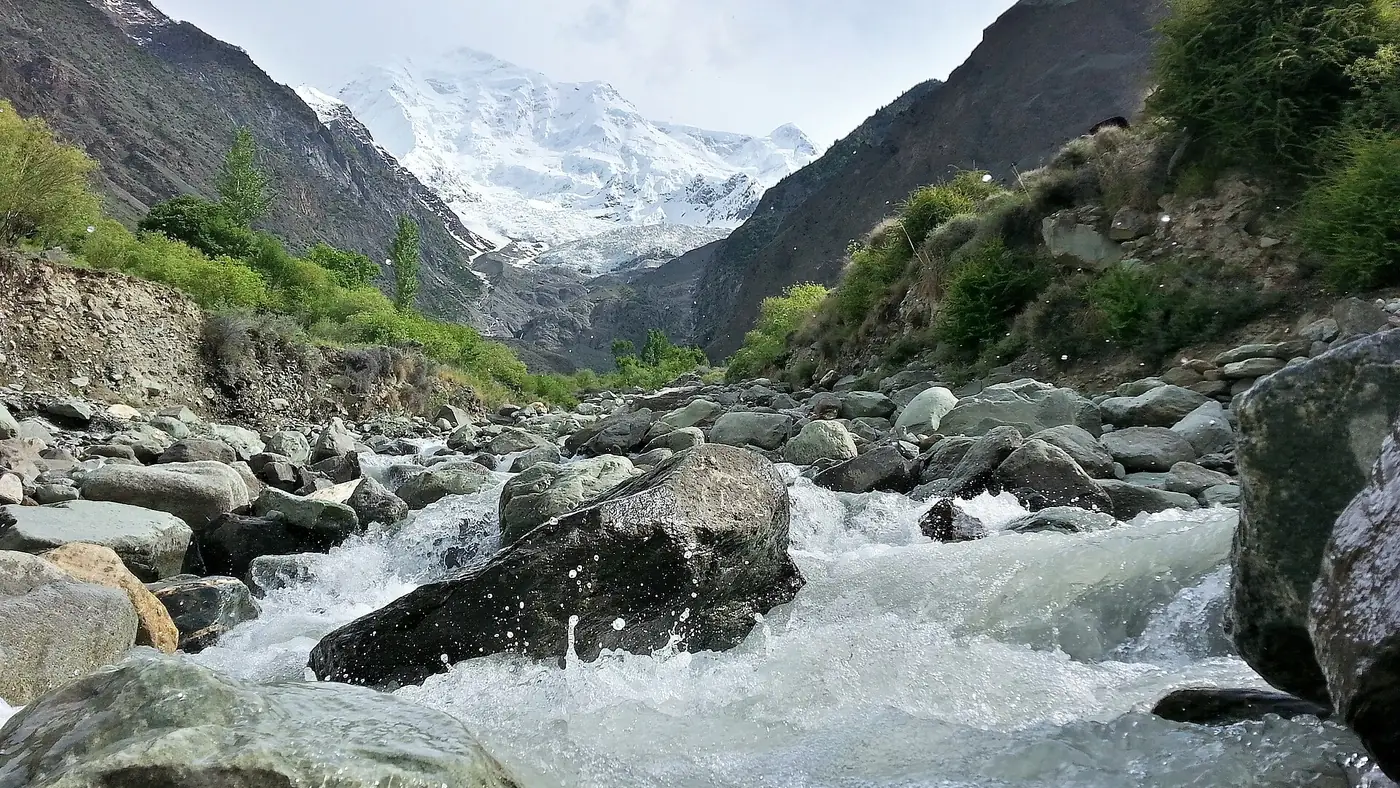
A Gilgit-Baltistan road trip by car is very doable in an ordinary sedan in summer. The Karakoram Highway to Hunza and the Khunjerab Pass and the Skardu road are paved, the roads on to Shigar and Khaplu are open all year, and Pakistani families drive them every summer. What decides whether the trip goes well is the state of the car, a driver who is rested and comfortable on mountain roads, fuel planning away from the main towns, and knowing which tracks to leave to local jeeps: Fairy Meadows, Deosai and the Naltar lakes above all.
This guide covers which roads a normal car can manage, the route in, fuel, mechanics, and the driving habits that matter most in the mountains.
| At a glance | |
|---|---|
| Normal car fine on | KKH to Khunjerab, Babusar road in season, Skardu road, Shigar, Khaplu |
| Leave to local jeeps | Raikot Bridge to Tato, Sadpara to Deosai, Naltar lakes, Hushe, Rama |
| Main fuel stops | Chilas, Gilgit, Aliabad, Skardu; Sost for Khunjerab |
| Main workshops | Gilgit and Skardu |
| Driving hours | Daylight only |
| Documents | CNIC, driving licence, registration papers |
| Best months | June and September |
Which roads can a normal car take?
| Road | Normal car? | What to know |
|---|---|---|
| KKH, Islamabad to Chilas via Kohistan | Yes | Slow, narrow in places, timed closures at dam works |
| Babusar road, Naran to Chilas | Yes, about late May to November | Long, steep descent; closed at night in recent seasons |
| KKH, Chilas to Gilgit and Hunza | Yes | Rebuilt and wide; the best driving of the trip |
| Sost to Khunjerab Pass | Yes, about May to November | Last fuel at Sost; park fee in cash at Dih |
| Skardu road, Jaglot to Skardu | Yes | 167 km, two lanes, under loose slopes |
| Skardu to Kachura, Shigar and Khaplu | Yes | Khaplu is about three hours each way |
| Gilgit to Gupis and Phander | Mostly | Long, with rough sections where the road is being rebuilt |
| Gilgit to Naltar Bala | In dry weather | Narrow and steep; jeep track beyond the village |
| KKH to Astore | With care | Partly rough; a 4x4 is better for the high ground above |
The Karakoram Highway north of Raikot Bridge was rebuilt and widened and is the easiest mountain driving in the region. The hard part of any trip is getting there: the Kohistan section between Besham and Chilas is narrow, slow and prone to slides, and dam construction brings timed openings. In May 2026, for example, traffic at Samar Nullah in Upper Kohistan was allowed only at set hours. Ask in Besham before you go on. Our Karakoram Highway road trip guide takes the highway section by section.
Choosing your route in
There are two ways in by road, and they meet at Chilas.
- The Karakoram Highway through Besham and Kohistan is open all year and is the only choice from November to late May. It is ten to thirteen hours from Islamabad to Chilas.
- The Babusar road through Naran is open from about late May to November. It opened on 25 May in 2026. It avoids Kohistan and splits the day neatly at Naran, but the descent from Babusar Top at 4,173 metres to Chilas is long and hard on brakes, and the road is exposed to flash floods in July and August.
A common summer plan is to go up one way and come back the other. Our comparison of Babusar and the KKH looks at which suits which car and which month.
Once you are in, the classic loops are Hunza and Khunjerab along the KKH, or Skardu, Shigar and Khaplu, or both, linked by a seven-to-eight-hour day between Karimabad and Skardu.
Fuel: where to fill up
Fuel is easy to find on the main roads and harder off them. The rule is to top up at every main town rather than waiting for the gauge.
- Chilas and Gilgit on the way north, before the side valleys.
- Aliabad in central Hunza.
- Sost, the last fuel before the Khunjerab Pass. There is none on the 75 km climb to the border.
- Skardu, before Deosai by jeep, Khaplu or the long day back to the highway.
- Before Ghizer, Astore or Naltar, fill completely in Gilgit.
Supplies can be disrupted. In March 2026, when regional events disrupted fuel supplies, the Gilgit administration limited private cars to 25 litres per visit and banned selling fuel in bottles or jerry cans. Keep the tank above half north of Thakot, and carry cash, because card machines are unreliable and the national park fee at Dih is cash only.
Mechanics, tyres and breakdowns
Gilgit and Skardu have the widest choice of workshops, tyre shops and spare parts, and Aliabad covers the basics in Hunza. Elsewhere you will find roadside puncture shops and small workshops that can fix a tyre or a simple fault, but parts for less common cars may have to come from Gilgit or further south. That can mean a lost day.
Before you leave home, have the car serviced with the mountains in mind: brakes and pads above all, tyres including the spare, coolant, battery and belts. Carry:
- A full-size spare, a jack that works on your car and a wheel spanner
- A tyre inflator that plugs into the car
- Tow rope and jump leads
- Coolant, engine oil and a few litres of water
- A torch, warm clothes, water and food in the cabin, not the boot, in case a slide holds you for hours
If the car does break down on a narrow stretch, get everyone out on the mountain side, away from the drop and the traffic, and put a warning triangle well back from a blind bend. Rescue 1122 operates in Gilgit-Baltistan, and the Tourist Police answer on 1422.
Roads to leave to local jeeps
Some of the best places in Gilgit-Baltistan are at the end of tracks that ordinary cars should not attempt, and in one case are not allowed on.
- Raikot Bridge to Tato, for Fairy Meadows. Private cars are not allowed; only local union jeeps run the track. Our guide to the Fairy Meadows jeep track explains the system and where to leave your car.
- Sadpara to Deosai. The road is paved as far as Sadpara Lake, then becomes a rough, rutted track onto the plateau, with no help or signal if you get stuck. Leave the car in Skardu; our Skardu to Deosai guide explains the jeep.
- Naltar Bala to the lakes, 12 to 13 km of rocky track with stream crossings.
- The Hushe valley beyond Khaplu, and Rama and the Chilim side of Deosai above Astore.
A broken sump or a car stuck in mud far from a workshop is a bad trade for a jeep fare.
Driving habits that matter in the mountains
- Drive in daylight only. The Gilgit-Baltistan tourism department's 2026 season advisory asks visitors to avoid travelling after dark, and night travel over Babusar has been banned in recent seasons.
- Use low gears on long descents, from Babusar, Khunjerab and down the Skardu road, and stop if the brakes smell hot.
- Sound the horn at blind bends and keep well to your side. On narrow stretches be ready to stop at a wider point and let trucks and jeeps through.
- Never drive through water flowing across the road, and don't stop on the fan of a side stream in summer.
- Check the road each morning with your hotel, and don't push on if you are held up late in the day.
- Keep documents handy for checkposts: CNICs, driving licence and the car's registration papers. In January 2025 the Gilgit-Baltistan government also announced an entry fee for tourist vehicles, PKR 2,000 a car at the time, so keep some cash for it and ask for a receipt.
Our travel guide covers altitude, health and the other practical sides of travelling north.
Is driving your own car the right choice?
Drive yourself if you have at least nine or ten days, a car in good order, and a driver who has handled Naran, Murree in snow or similar roads and enjoys long days. Sharing the driving between two people makes the first and last days far safer. Having your own car in Hunza or Skardu also makes side trips and early starts easy.
Think again if the driver is nervous on heights, if the trip is a week or less, or if you would be driving the Kohistan stretch tired after a late start. In that case, fly to Skardu or Gilgit and hire a car with a local driver there, or hire one from Islamabad; our guide to a car with driver for the northern areas explains what that costs. Our tours all run with an experienced mountain driver for the same reason.
Frequently asked questions
Can a normal car go to Gilgit-Baltistan?
Yes. The main roads to Hunza, the Khunjerab Pass and Skardu are paved, and sedans drive them, and on to Shigar and Khaplu, every summer. Have the car serviced first, especially the brakes.
Can I drive my own car to Deosai or Fairy Meadows?
Not sensibly. Private cars are not allowed on the Fairy Meadows jeep track, and the track from Sadpara onto Deosai is rough and remote. Hire a local jeep for both.
Where is the last petrol station before Khunjerab?
Sost, about 75 km below the pass. Fill the tank there, since there is no fuel on the climb to the border.
Which is better for a car, Babusar or the KKH?
Babusar is shorter and avoids Kohistan but is open only from about late May to November, has a long, steep descent and is exposed to flash floods in July and August. The KKH is slower but open all year.
Is it safe to drive in Gilgit-Baltistan at night?
No. Drive in daylight only. Rockfall, broken road edges and unlit vehicles make mountain roads far more dangerous after dark, and the tourism department advises against night travel.
How many days do I need for a Gilgit-Baltistan road trip?
At least seven days for Hunza alone from Islamabad, and ten to twelve for Hunza and Skardu together, because the drive from Islamabad takes two days each way.
.jpg)