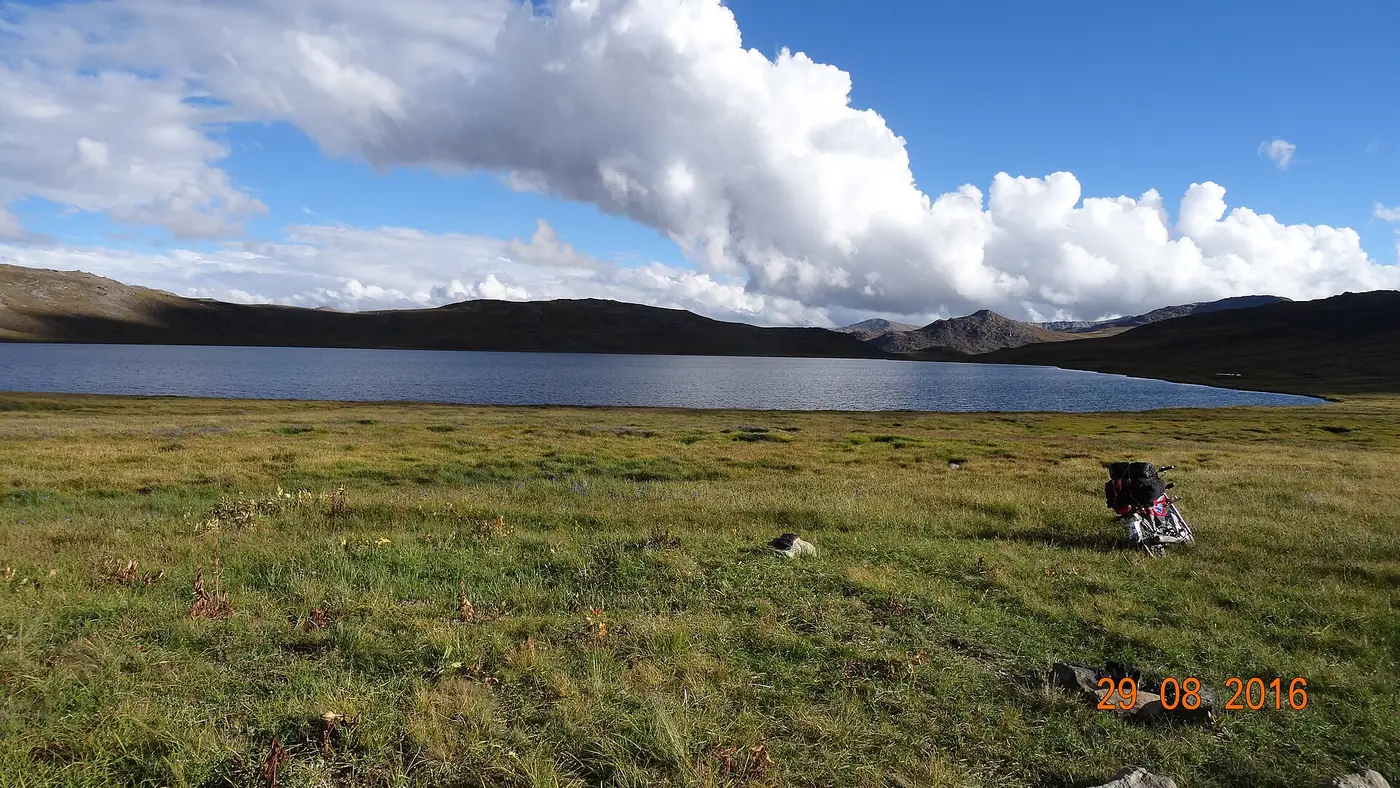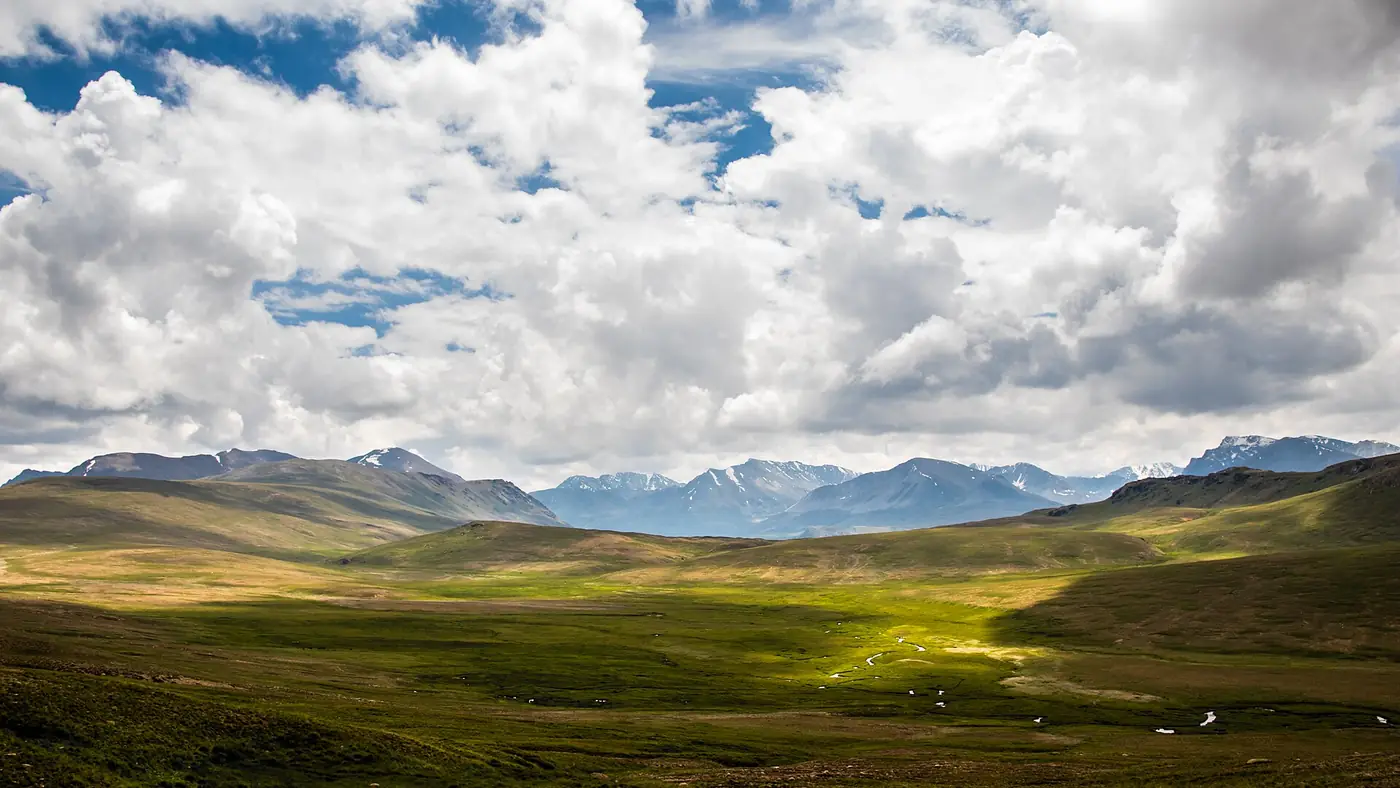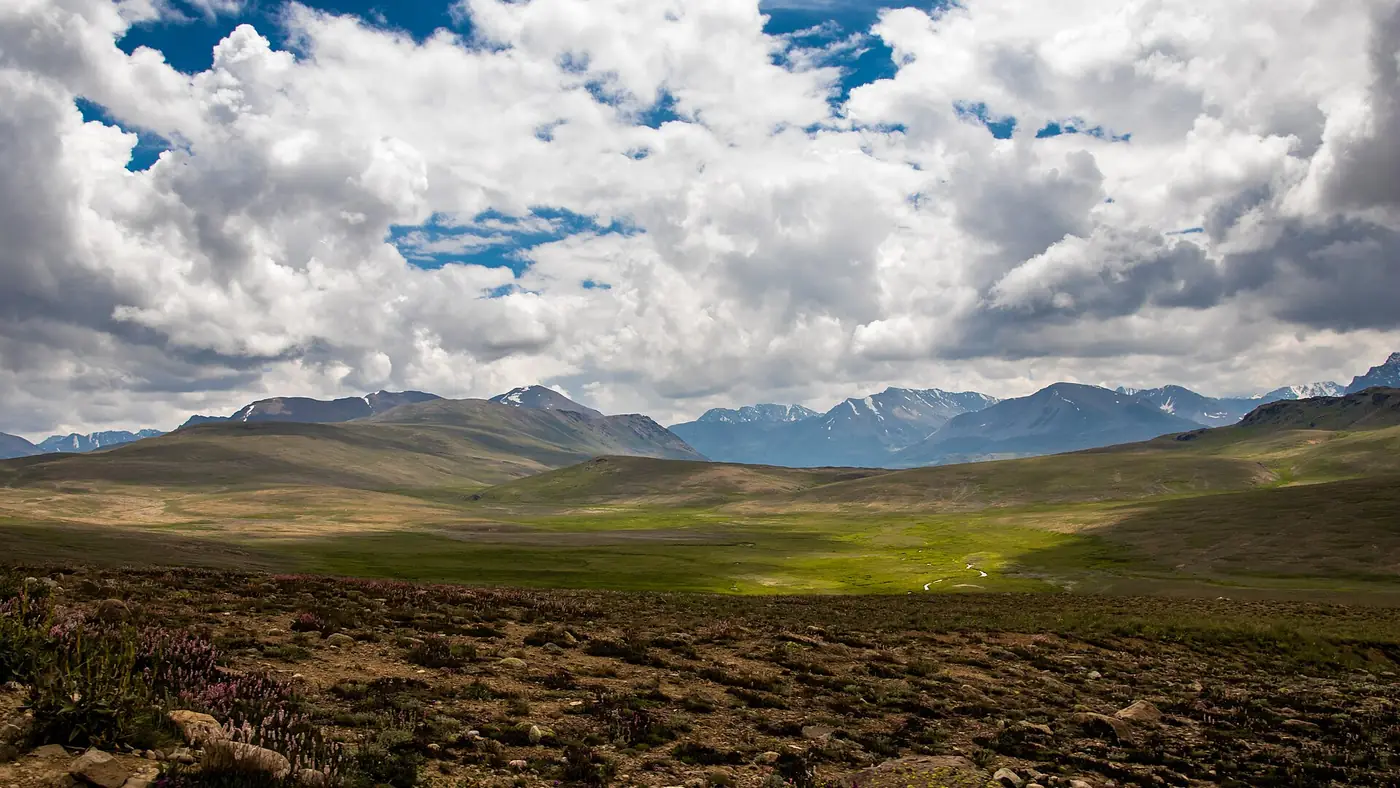
You can drive to Deosai by car, and every summer some people do, but only a high-clearance vehicle driven carefully in dry weather is a sensible choice. From Skardu the road is paved only as far as Sadpara Lake; after that a stony, rutted jeep track climbs to the plateau at over 4,000 metres, and there is no workshop, fuel or signal up there. If you have come north in a sedan, the usual advice holds: leave it in Skardu and hire a local jeep with a driver for the day.
This guide describes the road surface on both approaches, which vehicles cope, what to check if you do take your own, and the situations where a jeep is the only sensible option.
| At a glance | |
|---|---|
| From Skardu | Paved to Sadpara Lake, then unpaved jeep track |
| From Astore | Surfaced most of the way to Chilim, then unpaved |
| Hardest section | The climb from Sadpara to Ali Malik Mar |
| Sedans and hatchbacks | Possible in a dry spell, but a real risk to the car |
| High-clearance SUVs and 4x4s | Suitable with a careful driver |
| Worst conditions | June snowmelt and after heavy rain |
| Fuel, help, signal | None on the plateau |
| Local jeep instead | About PKR 15,000 to 25,000 a day with driver (2025–26) |
What the road is actually like
From Skardu
The first stretch is easy. A paved road climbs out of Skardu past the Sadpara dam to Sadpara Lake, at about 2,600 metres, and any car can get there.
Around Sadpara village the tarmac ends. The track follows the Sadpara stream and then zigzags up the slope in a long series of bends to Ali Malik Mar on the rim of the plateau, about 30 km from Skardu. This is the part that decides whether your car should be here: loose stones, rocks sticking up from the surface, a raised centre between wheel ruts, and tight bends on a gradient. It is also where landslides and washouts happen after heavy rain, as they did in July 2025 and July 2026.
On top, the track across the plateau is flatter but still unpaved. Expect ruts, stony patches, dust in dry weather and deep mud after rain. The Bara Pani river is bridged, but smaller streams and snowmelt channels run across the track in places, especially early in the season. Our Skardu to Deosai route guide describes the drive stage by stage.
From Astore
The road up the Astore valley through Gudai to Chilim is narrow but surfaced most of the way, broken in places. From Chilim onto the plateau it becomes the same unpaved track. Our guide to the Astore to Deosai route covers that side.
Ground clearance: which cars cope
Sedans and hatchbacks. Small cars have crossed Deosai in dry weather; people have posted about doing it in cars as small as a Vitz. The problem is not whether the car can climb, but what it scrapes on the way. Low sumps, exhausts and fuel tanks meet the raised centre of the track and the loose rocks on the climb from Sadpara. A cracked sump on the plateau means a long wait for help, a tow, and possibly days in Skardu waiting for parts.
Crossovers and small SUVs. Extra ground clearance makes a real difference on the stones. Most are two-wheel drive, though, and on a muddy stretch or a wet climb that is where they come unstuck. Tyres matter too: road tyres puncture more easily on sharp rock.
High-clearance 4x4s. Land Cruisers, Prados, Fortuners, Hilux and similar pickups are what the locals use, and they cope well in a driver's hands who knows the track. Four-wheel drive earns its keep in June, when snowmelt makes the ground soft, and after rain.
Whatever you drive, the track punishes speed more than anything. Most damage is done by drivers who go too fast over stones they could have picked their way through.
If you do drive your own car: a checklist
- Go in a dry spell. Not in June while the snow is melting, not during or just after heavy rain, and never late in the season when snow is forecast.
- Check the car in Skardu or Astore first. Tyres, the spare and the jack, brakes, and the underside if anything is already loose.
- Fill the tank. There is no fuel on the plateau, and the climb uses more than you expect.
- Carry a tow rope, water and warm clothes, and food for everyone in case you are stuck for hours.
- Travel with another vehicle if you can. Two cars can help each other; one is on its own.
- Drive slowly and pick your line. Keep your wheels on the high ground either side of ruts, and let passengers walk the worst short stretches to lighten the car.
- Stay on the existing track. The flat plateau makes it tempting to drive across the grass, but that damages the park, and the wildlife department's 2022 survey singled out vehicles going everywhere as a problem.
- Start early and be down before dark. The descent to Sadpara is not somewhere to be at night.
- Tell your hotel where you are going and when you expect to be back, because there is no signal up there.
Check your insurance and, for a rented car, the rental terms: damage on an unpaved track may not be covered.
The car and the driver at altitude
Two things change at 4,000 metres that people rarely think about.
Engines lose power. A non-turbo petrol engine loses a substantial share of its power at this height, roughly a third, because the air is thin. A small car that is fine on the Karakoram Highway can feel very weak on the final climb to the rim with a full load.
Drivers get tired faster. The altitude affects the person at the wheel as much as the passengers. A headache, a slower reaction or plain fatigue on the drive back down is common. Going down the steep section to Sadpara, use a low gear and let the engine hold the car rather than riding the brakes. Our travel guide has more on altitude in the north.
When to hire a jeep instead
Leave the car and take a local jeep if any of these apply:
- You are in a sedan or other low car. This is the main one.
- It is June, or it has rained heavily in the last day or two.
- You are crossing to Astore. A full day on the track, far from help, is a lot to ask of a car and a driver new to it.
- You have never driven an unpaved mountain track. The climb from Sadpara is not the place to learn.
- You are driving a rented car. Check whether the agreement allows unpaved tracks; if something breaks, the bill may be yours.
- You want to watch the plateau rather than the road. A driver who knows the track leaves you free to look for bears.
A jeep with a driver from Skardu cost roughly PKR 15,000 to 25,000 for the day in 2025 and 2026, usually including fuel. Our Deosai jeep rent guide explains the rates and what to agree before you set off.
So, should you drive?
If you have a high-clearance 4x4, have driven rough tracks before, and the weather is dry, driving yourself to Deosai is reasonable and many do it. Go as far as you are comfortable, and turn round if the track gets worse than you expected.
If you have a sedan, the honest answer is that it might make it, and that the trip is not worth the risk. A jeep day costs less than most repairs, and far less than a lost day of your holiday waiting for a tow. Park at your hotel in Skardu, hire a jeep, and keep your car for the paved roads to Shangrila, Shigar and Khaplu.
If you would rather not manage any of it, our Skardu and Deosai tour includes all ground transport with an experienced mountain driver.
Frequently asked questions
Can a normal car go to Deosai?
Sometimes, in dry weather, but it is not recommended. The track above Sadpara is stony and rutted, and low cars risk damage to the sump and exhaust with no help on the plateau.
Is the road to Deosai paved?
Only as far as Sadpara Lake from Skardu. After Sadpara village it is an unpaved jeep track all the way across the plateau. From Astore the road is surfaced most of the way to Chilim.
Do I need a 4x4 for Deosai?
High ground clearance matters most, and four-wheel drive helps in June and after rain. A high-clearance 4x4 or a local jeep with a driver is the standard advice.
Can I drive to Deosai in a Corolla or Civic?
People have, but it is a gamble with your car. Leave it in Skardu and hire a local jeep for the day.
Is there fuel on Deosai?
No. Fill the tank in Skardu or Astore before you go up, and carry water and warm clothes in case you are held up.
Is it safe to drive to Deosai yourself?
In a suitable vehicle, in dry weather and with an early start, yes for an experienced driver. Avoid heavy rain, the June snowmelt and late-season snow, and never drive the climb in the dark.