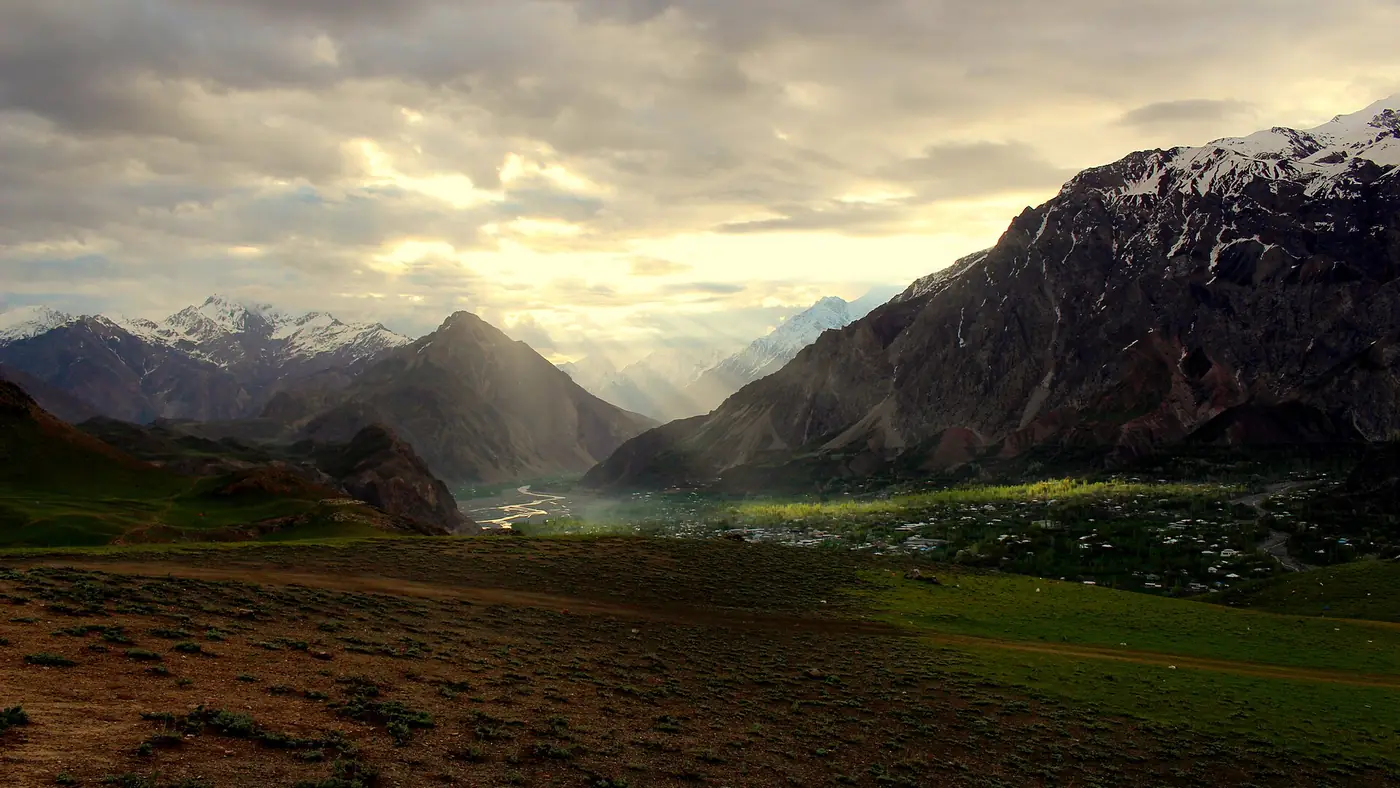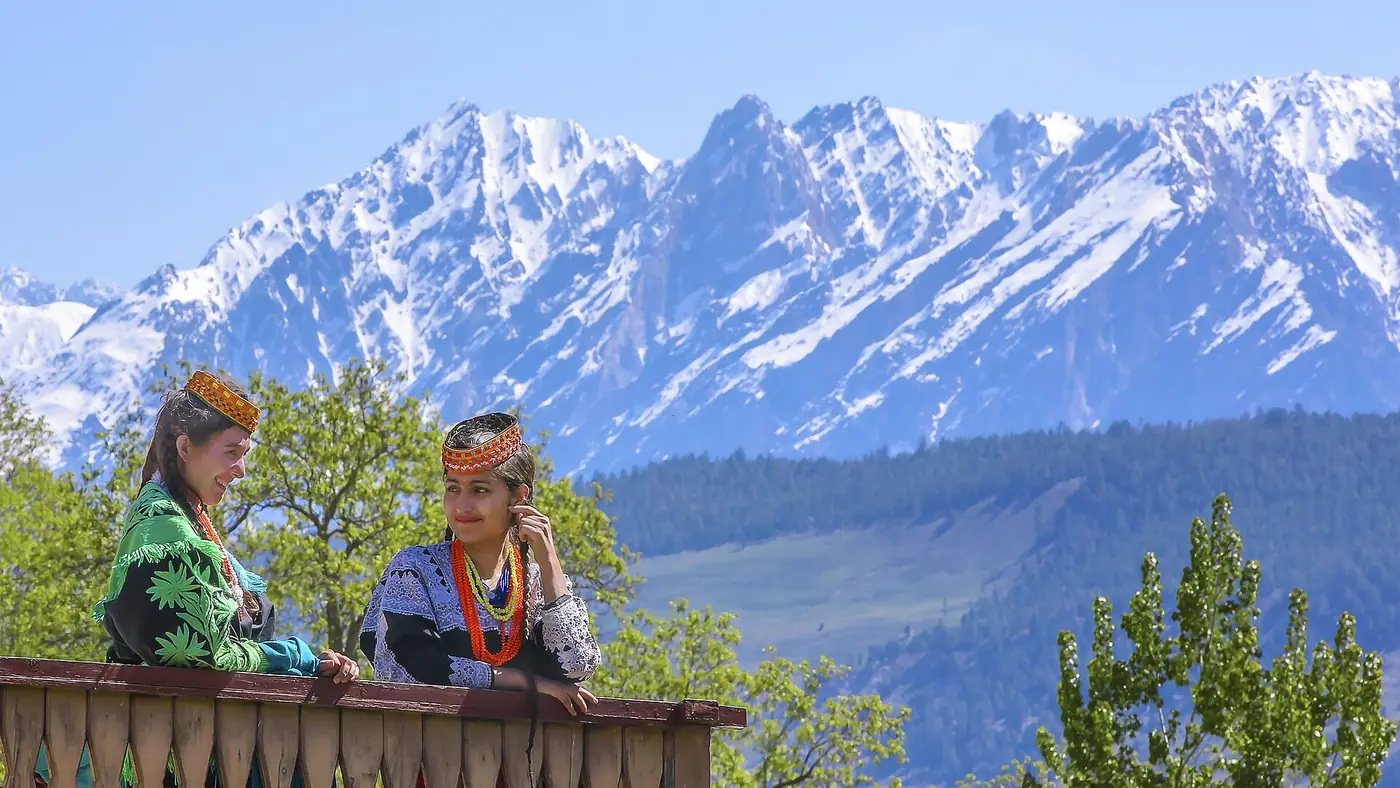
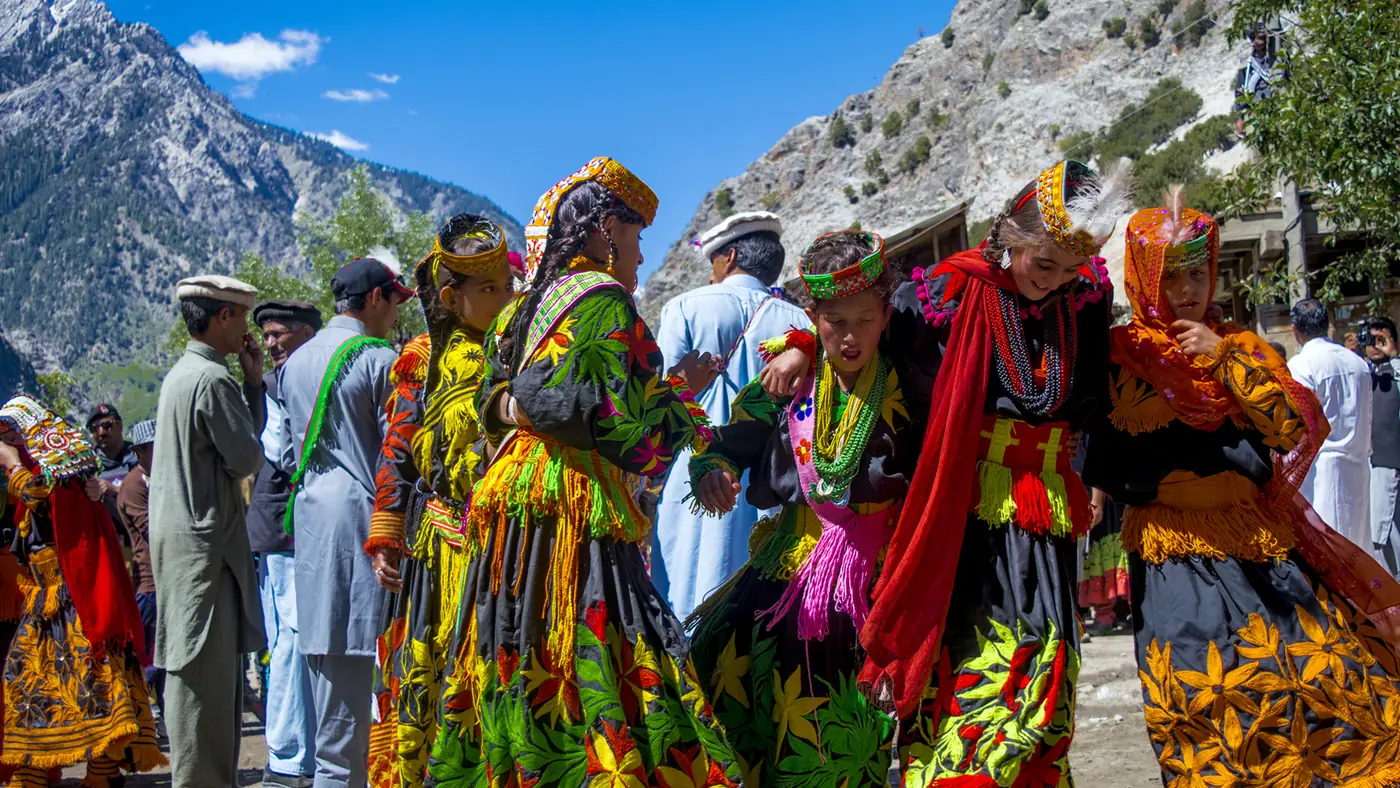
A 7-day Chitral itinerary gives you the town and the Kalash valleys, the way a 5-day trip does, plus two extra days to push into Upper Chitral towards Booni, Mastuj and, road and weather allowing, Shandur Pass. It suits travellers who have already decided Chitral deserves more than a long weekend and want to see the district beyond the valleys most visitors reach.
This is a plan, not a fixed script. Upper Chitral is the part most likely to change your schedule: the road north of Chitral town is being rebuilt in sections and gets cut by floods most summers, so build in a spare day and be ready to turn the last stretch into a shorter one.
| At a glance | |
|---|---|
| Days | 7, on the ground in Chitral |
| Covers | Chitral town, Garam Chashma, one Kalash valley, Booni, Mastuj, Shandur (weather permitting) |
| Vehicle | Car to Chitral town and Booni in dry weather; jeep for the Kalash valleys and beyond Mastuj |
| Best months | June to September, for the Shandur extension |
| Add for travel | 2 days each end if driving from Islamabad |
Day-by-day plan
- Day 1 – Arrive and settle in Chitral town. After the drive or flight in, keep it light: the fort, the Shahi Mosque and the bazaar. Our guide to places to visit in Chitral covers the town in full.
- Day 2 – Garam Chashma. A day trip up the Lutkoh valley to the hot springs, back to Chitral for the night. See our Garam Chashma guide for the drive and how the baths work.
- Day 3 – Into the Kalash valleys. Drive or take a shared jeep to Bumburet, the largest and easiest of the three valleys to visit, and stay the night. Our guide to reaching the Kalash valleys covers transport and permits.
- Day 4 – A second Kalash valley, then back to Chitral. Rumbur, a short drive from Bumburet, is quieter; Birir needs a separate road in. Return to Chitral town in the afternoon.
- Day 5 – North to Booni. This is where the trip leaves the standard route. The road follows the river through Reshun and Kuragh; a car manages it in dry weather, an SUV more comfortably. Overnight in Booni, the headquarters town of Upper Chitral.
- Day 6 – Mastuj, and Shandur if conditions allow. From Booni the road climbs further up the valley to Mastuj, then, if the season and the road are cooperating, on toward Shandur Pass, the polo ground and lake at close to 3,700 metres. This stretch is rough and slow while under reconstruction, so treat reaching Shandur itself as a bonus rather than a certainty, and see our Shandur Pass guide for what is there and when the road tends to be open.
- Day 7 – Back to Chitral, or on toward Gilgit. Most people retrace the route to Chitral town for a flight or the drive south. If Shandur was reached and the onward road to Gilgit-Baltistan is open, some continue that way instead, which turns this into the start of a longer northern trip rather than a return leg.
For exact current conditions on every stretch from the Lowari tunnel to Shandur, see our Chitral road condition guide; it is updated more often than an itinerary can keep up with.
What to cut if you have less time
If the Booni–Mastuj–Shandur stretch turns out to be closed, badly cut up, or simply more than your group wants to take on, the fallback is easy: stay an extra night in the Kalash valleys, or add Birmoghlasht and a slower look at Chitral town. Nobody who does the 5-day version instead of this one feels short-changed; see our 5-day Chitral itinerary for that shorter plan.
Getting the timing right
June to September is the only realistic window for the Shandur extension. Outside those months the road beyond Booni is typically snowbound or freshly reopened and still rough, and July and August, while the most reliable for the road being clear of snow, are also when flash floods most often cut roads in Chitral. Whatever month you go, check the road the evening before each leg north of Chitral town, and don't push on if locals in Booni or Mastuj advise against it.
If you are driving in from outside Chitral, add at least two days each way; our Islamabad to Chitral by road guide and our Chitral trip cost guide both help with planning the rest of the journey.
Who this itinerary suits
It suits travellers who already know they like Chitral's pace, or who have a specific reason to reach Upper Chitral, such as trekking access or simply wanting to see beyond the Kalash valleys. It does not suit a first trip with young children, a tight schedule, or anyone unwilling to accept that the last two days may not go entirely to plan. For a first visit, the 5-day version is the safer bet.
Frequently asked questions
Is 7 days enough for Chitral including Shandur?
It is enough to see the town, the Kalash valleys and Upper Chitral as far as Mastuj, with a realistic chance of reaching Shandur in June to September. Treat Shandur as conditional on the road, not guaranteed.
Do I need a jeep for this itinerary?
A normal car can usually reach Chitral town and, in dry weather, Booni. Beyond Mastuj, and for the Kalash valleys themselves, a jeep or high-clearance 4x4 is the sensible choice.
What happens if the road to Shandur is closed?
Turn the day into more time in Upper Chitral around Mastuj and Booni, or head back to Chitral town a day early and add a second night in the Kalash valleys instead.
Can this itinerary continue on to Gilgit-Baltistan instead of returning?
If Shandur is reached and the road on to Phander and Gilgit is open, some travellers continue that way rather than returning to Chitral. Check the road status before committing, since turning back partway adds a long day.
Is this itinerary safe to drive?
The road north of Chitral carries its own risks from floods and landslides, and the approach through Dir has a current UK travel advisory against all travel. See our Chitral safety guide before you plan the trip, and check local advice again close to your travel dates.
Is it safe for overseas visitors to visit the Kalash valleys?
Pakistani visitors travel to the valleys every season, but as of September 2026 the UK government advises against all travel to the Kalash valleys and on the N45 road from Mardan to Chitral. If you hold a foreign passport, check your own government's advice before you go, because travelling against it can void your insurance. Everyone should check local news and current police advice before setting out.