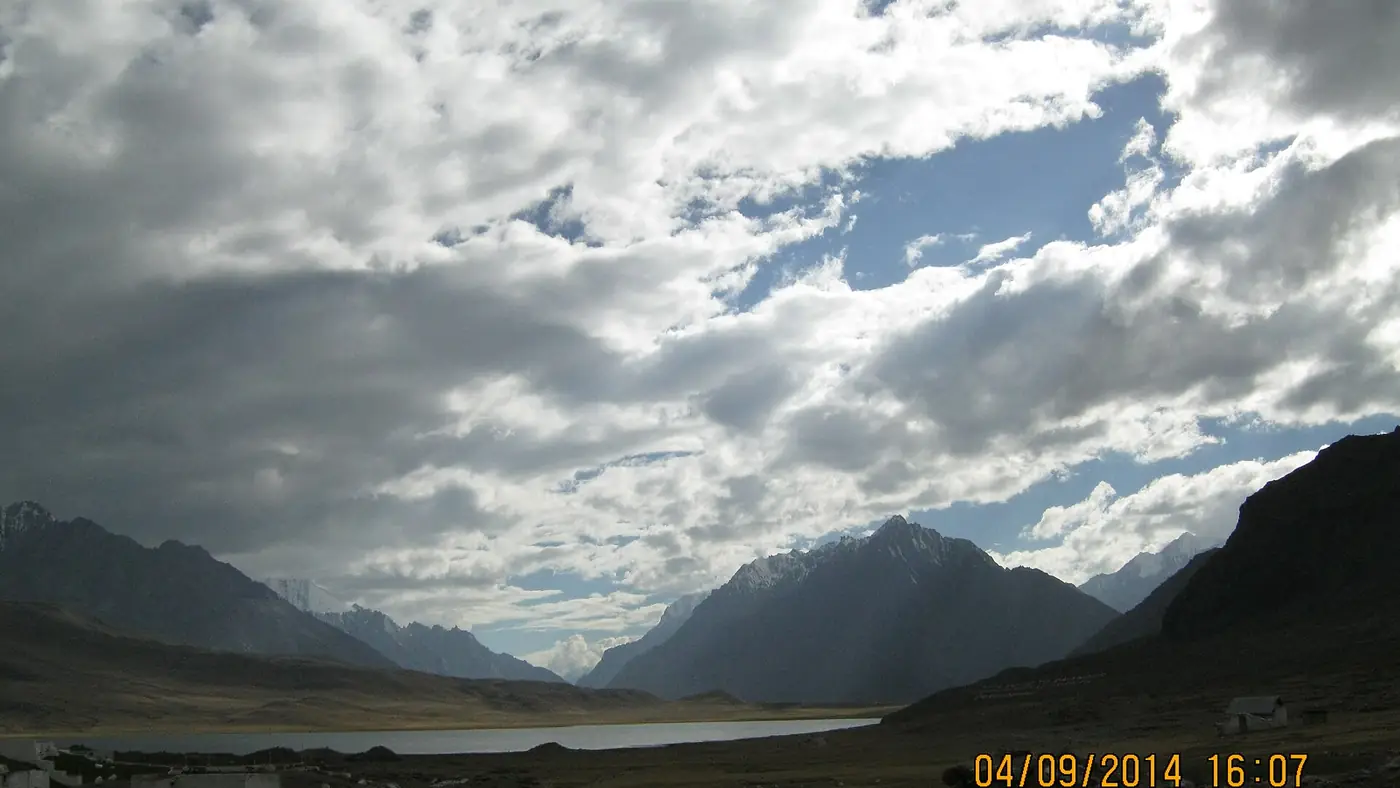
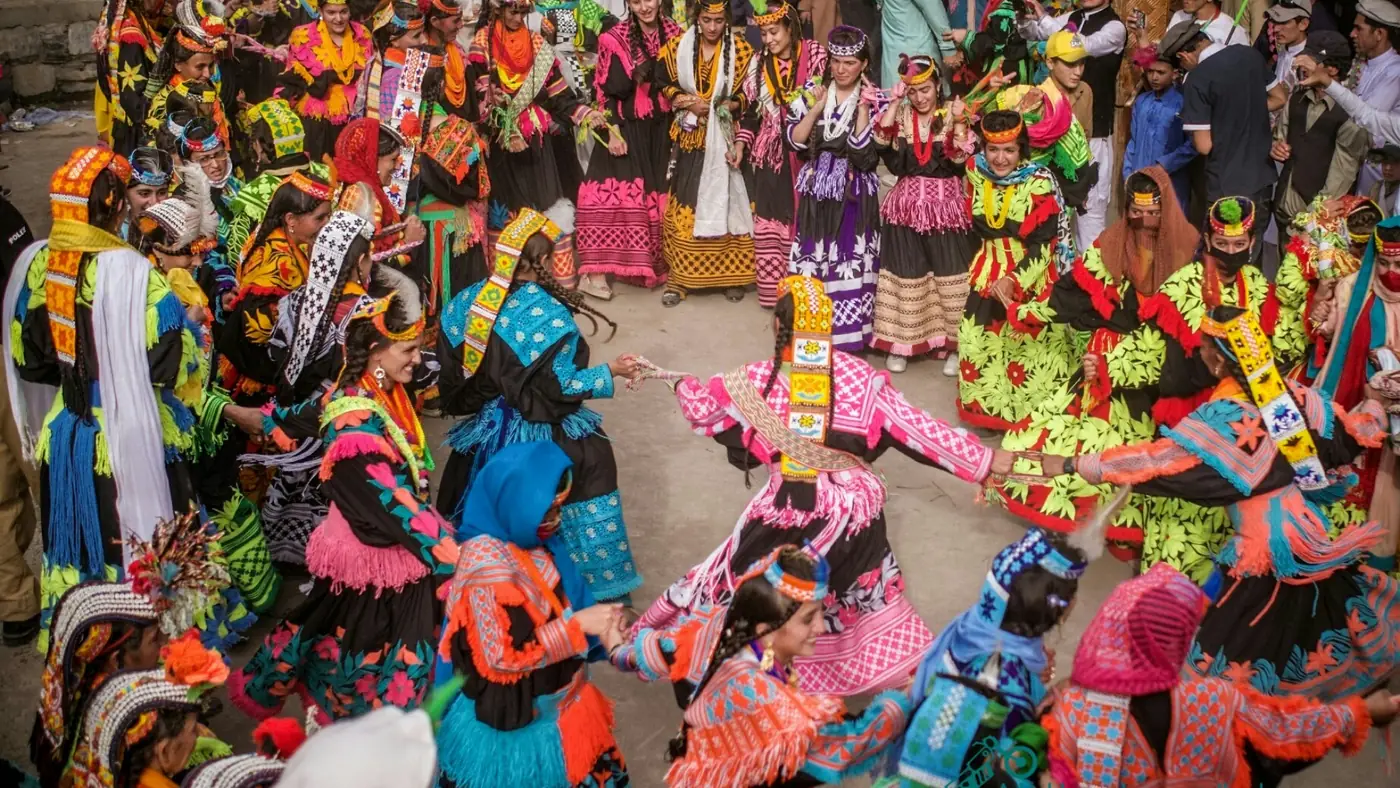
The Chaumos festival is the Kalasha winter solstice festival and new year, held in the three Kalash valleys of Chitral for about two weeks in December, roughly from the 7th to the 22nd. It is the most important festival of the Kalasha year: bread figures, bonfires, torchlit processions, sacrifices and songs, ending as the days start to lengthen. Visitors are welcome at the public dancing and processions, mostly in the second half, but some rituals are closed to outsiders, and snow can close the roads.
It is also the festival fewest visitors see. This guide covers when it is held, what the main rituals are, what an outsider may attend, and how to get to the valleys and stay warm in the middle of a Hindu Kush winter.
| At a glance | |
|---|---|
| When | About 7 to 22 December, ending at the winter solstice |
| Where | Rumbur, Bumburet and Birir |
| Also called | Chawmos, Choimus, Chitramas |
| What it marks | The solstice, the new year and the return of the ancestors |
| Open to visitors | Public dancing, singing and torch processions; not the sacrifices |
| First week | Mostly kept for the Kalasha themselves |
| Weather | Below freezing at night, with snow likely |
| Getting there | A local 4x4 from Chitral or Ayun, with spare days |
When is Chaumos?
Chaumos runs for about a fortnight and finishes around 22 December. In 2024 it began on Sunday 8 December in Rumbur and two days later in Bumburet and Birir, and ended on 22 December. In 2019 it closed on Sunday 22 December with a final dance in Brun, in Bumburet.
The Kalasha fix the dates by the sun. Their traditional way of tracking its rising point against the mountains, Suri Jagek, or "observing the sun", sets the calendar for sowing, herding and festivals, and was added to UNESCO's list of intangible heritage in need of urgent safeguarding in 2018. For December 2026, expect the festival from around the 7th to the 22nd, and confirm the days with your guesthouse before you book travel.
What the festival means
Chaumos marks the turning of the year. The harvest is in, the flocks are down from the high pastures, and the Kalasha welcome Balimain, a god believed to visit from their mythical homeland during the festival. It is also a time to remember the dead, and to purify people and homes before the new year begins.
Unlike Chilam Joshi in May, which has become a public celebration watched by thousands, Chaumos is still mainly for the Kalasha themselves. That is the reason to go, and the reason to go carefully. Our guide to Kalash culture and etiquette explains the ideas of purity behind many of the rules.
The main rituals
Chaumos includes dozens of ceremonies at village level, and names and order vary between the valleys. These are the ones most often described.
- Fires on the hillsides. In the ritual Dawn has called Chhooi Nari, young people climb the slopes above the villages and light fires, competing to make the most smoke.
- Bread figures. For Sharaberak, dough is shaped into markhor, goats and other figures, baked and handed out as gifts, while the women bake walnut bread.
- Remembering the dead. In Mandahik, people light pinewood torches and keep a short silence for relatives who have died.
- Torchlight night. Torches of pinewood are lit at a bonfire and carried up the mountain, so that lines of flame run down the dark valley sides.
- Purification. Burning brands are waved over women and children, and juniper over the men, to cleanse them before the new year.
- Sacrifices. Goats are sacrificed at the shrines, including at the temple of Jestak, the goddess of home and family. Outsiders are not admitted.
- Singing and dancing. Men's and women's groups compete in song, and the festival ends with long circle dances. In Birir the music uses instruments; Rumbur and Bumburet celebrate without them.
- The fox chase. A fox hunt near Batrik is read as an omen for the year ahead.
What visitors may attend
Chaumos has sacred days that outsiders are not part of, and the rules are stricter than at any other Kalasha festival.
- The first week is generally kept for the Kalasha, with families staying indoors for their own rituals.
- Sacrifices and some temple rituals are closed to non-Kalasha, and photographers have been asked to stay away from them.
- During the most sacred days, non-Kalasha, including Muslim neighbours and drivers, may not be allowed into the villages at all. In December 2024, one visitor reported that Kalasha families ran the transport up from Ayun instead.
- The public dancing, the singing and the torch processions in the second half are open to respectful visitors, and in recent years tourism police and facilitation centres have been set up for them.
The simplest rule is to ask your Kalasha host each morning what is happening that day and whether you may come. If you are asked to leave somewhere, leave without argument, and don't photograph anything you haven't been told you may.
Getting there in snow
The main road. The Lowari tunnel keeps the road from the south open through winter, but snow on its approaches can stop traffic. In early January 2026, heavy snow closed the road on the Dir side of the tunnel for several hours. Leave early, and carry food, water and warm clothes in the car. Our guide to the drive from Islamabad to Chitral by road covers the tunnel and the overnight stops.
The valley road. From Ayun, the road into the valleys is narrow and still being rebuilt, and snow can block it for days. Don't take a low car; use a local 4x4 with a driver who knows the road in winter, and arrange it through your guesthouse. Our guide on how to reach the Kalash valley explains the route.
Timing. Plan at least one spare day at each end. A night of snow can close the road on the day you meant to leave.
The cold. In December, Chitral town averages about 12°C by day and around freezing at night, and the villages are higher and colder. Confirm before you book that your guesthouse is open and has heating, and bring:
- Thermal layers, a down jacket, a hat and gloves
- Waterproof boots with a good grip for icy paths
- A torch and power bank
- Any medication you need, and cash drawn in Chitral town
Is it safe?
The Kalash valleys run to the Afghan border. Militants crossing from Afghanistan attacked military posts in the Chitral area in 2023, and in early 2026 cross-border firing at Arandu, further south, displaced families. The UK government advises against all travel to the Kalash valleys. Pakistani visitors still go, and the festival has been held with tourism police on duty. Check local news before travelling, keep to the villages, and call the KP tourism helpline, 1422, if you need help. Overseas visitors should know that their government's advice may say not to go, and that ignoring it can void travel insurance.
Should you go for Chaumos?
Go if Kalasha religion is what interests you, you are patient, and you can cope with cold, simple rooms and plans that change with the weather. There are few visitors, and the torchlit nights and the songs are unlike anything else in the Kalasha year.
It is a poor choice for young children, older parents, or anyone on a tight schedule. For a first visit, Chilam Joshi in May is warmer, easier to reach and far more open to visitors, and June or September give you the villages without crowds. Our guide to the best time to visit the Kalash valley compares the seasons, and our trip planning page explains how we build spare days into winter trips.
Frequently asked questions
When is Chaumos in 2026?
It is expected to run from around 7 December to the winter solstice on about 22 December. Rumbur has started a couple of days before Bumburet and Birir in recent years, so check the dates with your guesthouse.
Can tourists attend the Chaumos festival?
Yes, the public dancing, singing and torch processions, mostly in the second week. The sacrifices and some rituals are closed to outsiders, and non-Kalasha may be asked to leave the villages on the most sacred days.
Is the road to the Kalash valley open in December?
Usually, but snow can block the valley road for days and hold traffic near the Lowari tunnel. Use a local 4x4 and keep a spare day at each end.
What is the difference between Chaumos and Chilam Joshi?
Chilam Joshi, in May, welcomes spring and is the most visited Kalasha festival. Chaumos, in December, marks the solstice and new year, is more sacred to the Kalasha, and is partly closed to outsiders.
How cold is the Kalash valley in December?
Cold. Chitral town averages about 12°C by day and around freezing at night in December, and the Kalash villages are higher and colder, often with snow on the ground.
Can I take photos during Chaumos?
Only of what you are told you may photograph, and never of the sacrifices or temple rituals. Ask your host first, and always ask people before photographing them.