The best time to visit Swat depends on how far up the valley you are going. For Mingora, Saidu Sharif and the Buddhist sites of lower Swat, go from March to May or from September to November, when the days are warm rather than hot. For Kalam and Mahodand Lake, June to September is the window. For snow at Malam Jabba, go between late December and February.
Swat climbs from about 970 metres at Mingora to more than 2,800 metres at Malam Jabba and Mahodand, so the same week can be hot in one place and cold in another. This guide goes through the year for each part of the valley, and covers the two things that should shape your dates as much as the weather: monsoon floods and holiday crowds.
| At a glance | |
|---|---|
| Lower Swat (Mingora, Saidu Sharif, about 970 m) | March to May, and September to November |
| Kalam (about 2,000 m) | May to October; June to September most reliable |
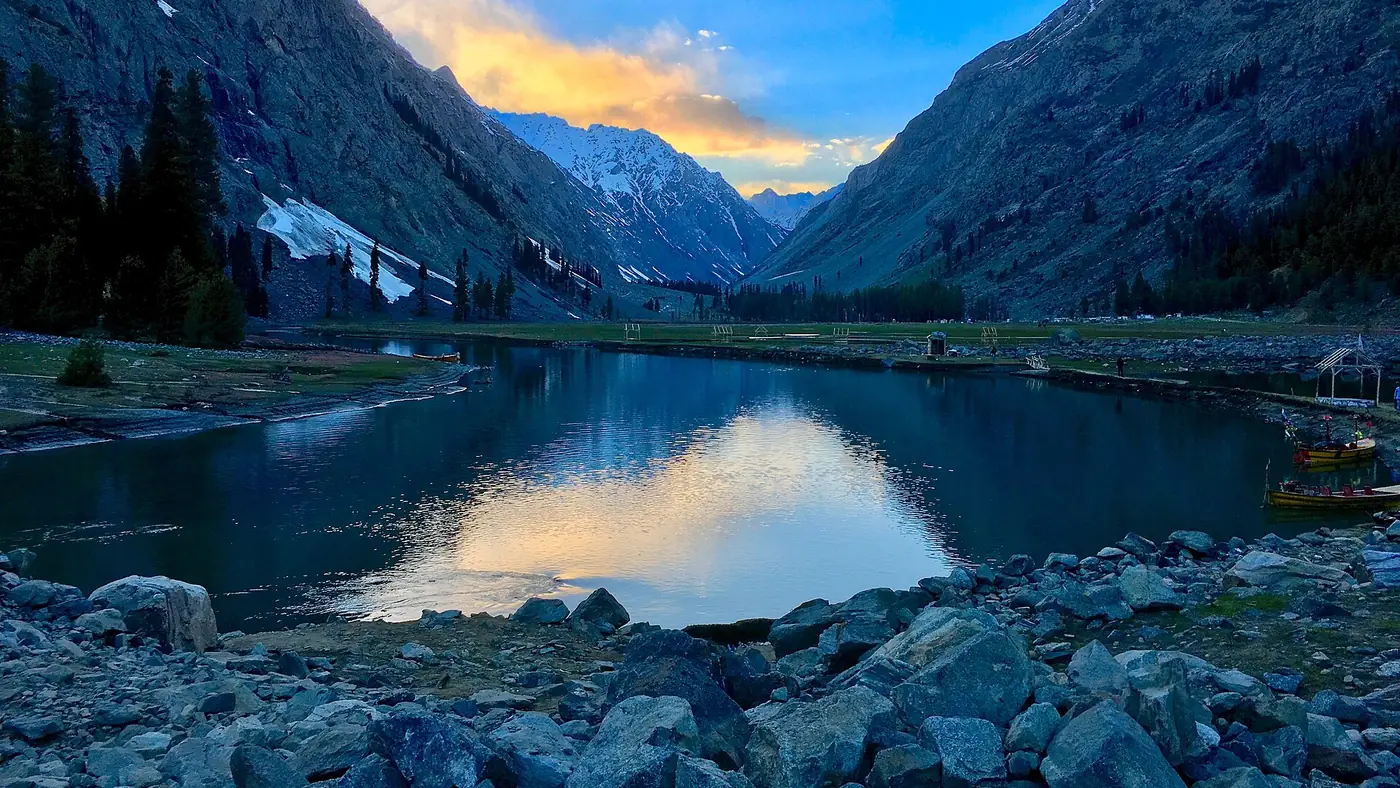
| Mahodand Lake (2,865 m) | Usually late May or June to October, by jeep |
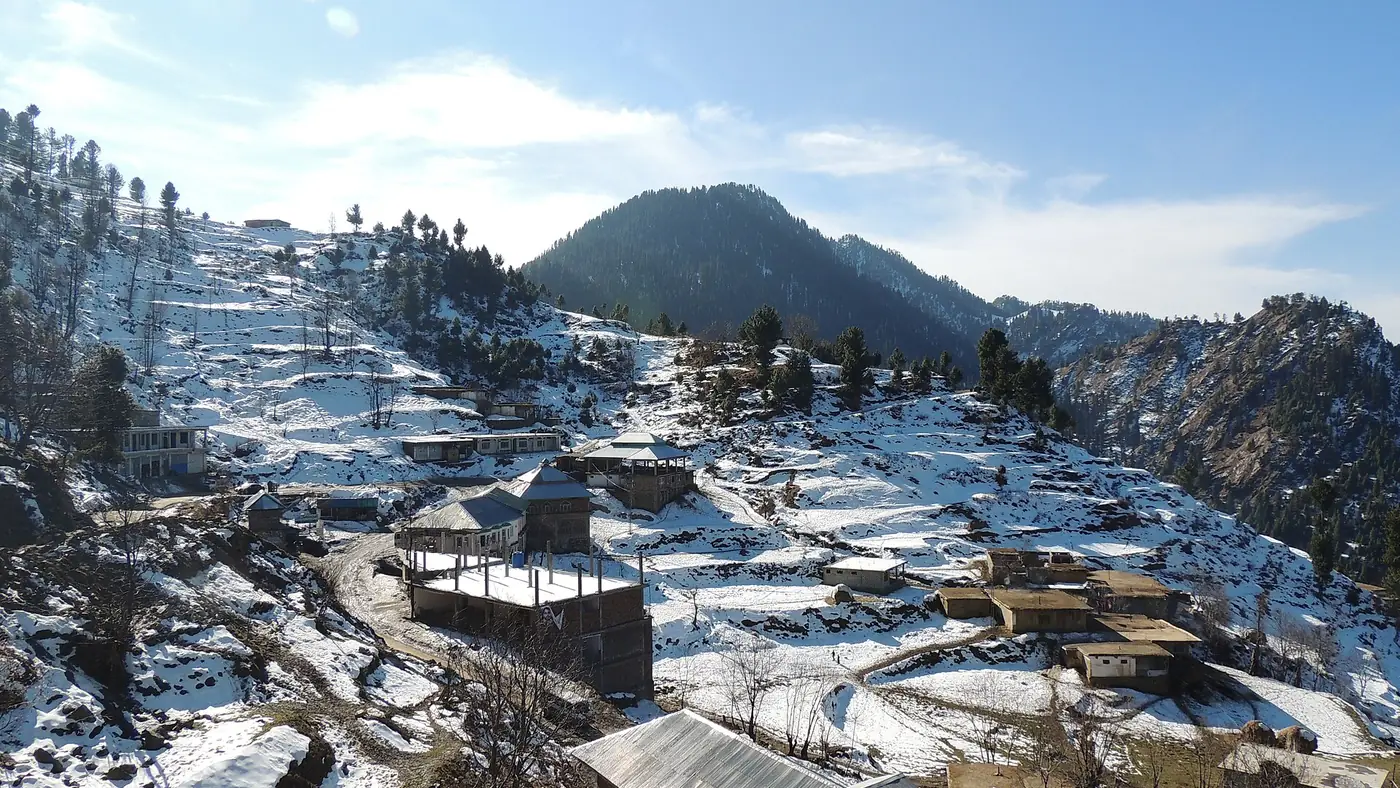
| Malam Jabba (slope top 2,804 m) | Snow from about late December to February; chairlift in summer |
| Hottest in lower Swat | June, with average highs close to 37°C |
| Riskiest | July and August, for monsoon rain and flash floods |
| Busiest | Eid holidays, summer weekends and 14 August |
Why Swat has more than one best season
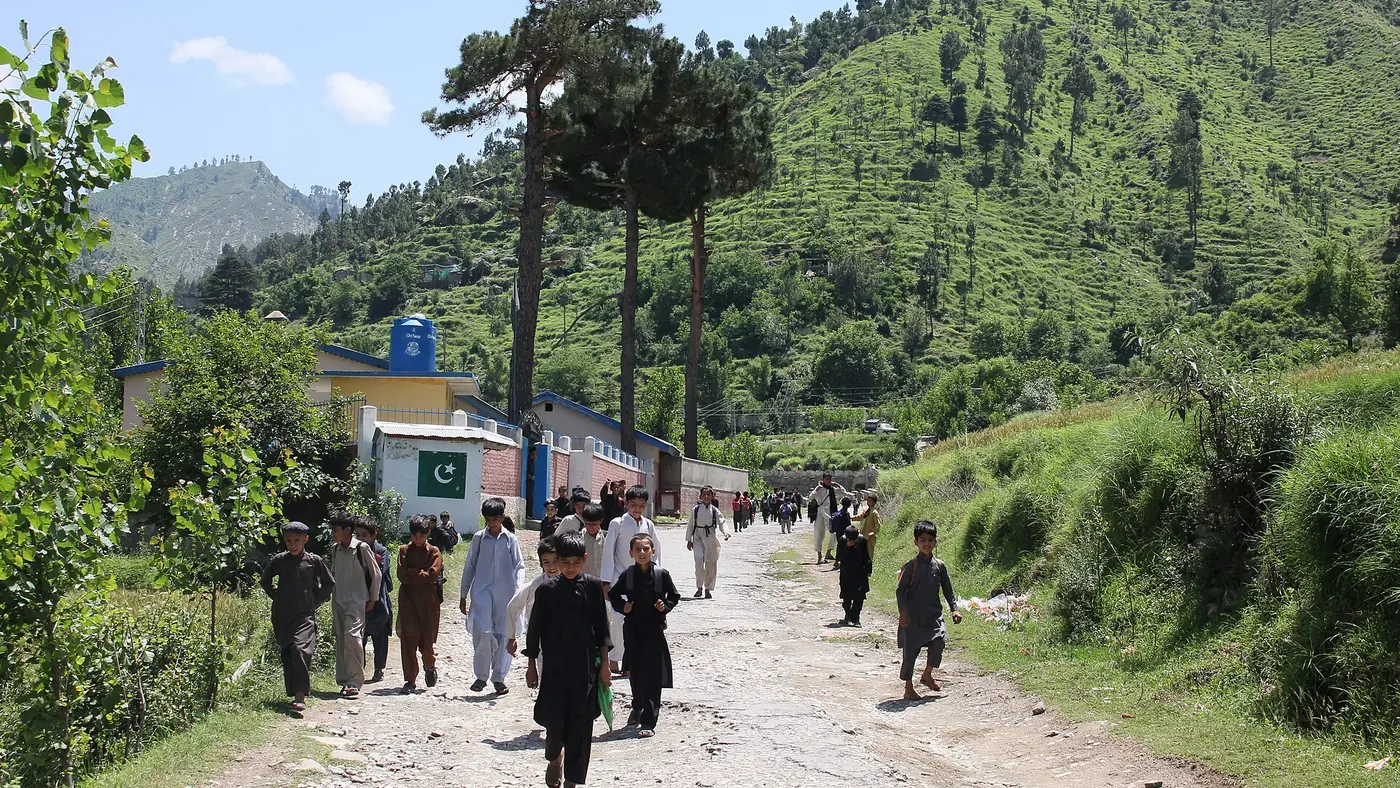
Mingora and Saidu Sharif sit in a wide, low valley that behaves more like the plains than the mountains. Average daytime highs there are around 37°C in June and still about 34°C in August, while January averages around 13°C by day and 2°C at night. The wettest months are July and August, each with around 130 mm of rain on average, and March, which gets nearly as much.
Kalam is about 100 km further up the valley and roughly 1,000 metres higher. When Mingora is sweltering in June, Kalam is pleasant by day and cool at night, and in winter it is under snow. Mahodand Lake and the top of Malam Jabba are higher again, at around 2,800 metres, and cold enough for a jacket in any month.
So the simple rule is this: lower Swat is a spring and autumn place, upper Swat is a summer place, and Malam Jabba has a winter season of its own.
Swat month by month
March and April
Spring comes early to lower Swat. The orchards around Mingora flower, the fields are green, and it is comfortable walking weather for the Swat Museum, Butkara and the other Gandharan sites. March can be wet, so pack a rain jacket and expect the odd grey day.
Upper Swat is still waking up. Kalam is cold, the high ground around it is snowbound and the jeep track to Mahodand is closed. If Kalam is the reason you are going, wait.
May and June
May is one of the best months for a first trip that stays below Kalam. Lower Swat is warm and dry, Madyan and Bahrain are fresh and green, and the valley is quieter than it will be in July.
June is when Kalam comes into its own. The Mahodand track usually opens between late May and June, depending on the snow, and the Ushu forest above Kalam is at its best. Mingora, meanwhile, is at its hottest, so plan to pass through it rather than stay there. School holidays start in June and weekend traffic builds through the month.
July and August
This is peak season and monsoon season at the same time. Families escaping the heat of Punjab and Sindh fill Kalam and Bahrain, especially at weekends and around 14 August, and the road through the bazaars slows to a crawl.
It is also when Swat's rivers are most dangerous. Heavy rain upstream can raise the Swat river and its side streams very quickly, landslides block the road above Bahrain for hours at a time, and the Mahodand track can close for a day or two after a storm. You can still have a very good trip in these months, but plan it with slack and read the section on floods below before you book.
September and October
For most travellers, this is the best time to visit Swat. The monsoon is usually over by mid-September, the rivers drop and clear, the crowds thin once schools reopen, and both lower and upper Swat are comfortable. The Mahodand track generally stays open into October, though the lake is cold by then and the days are shorter.
October brings autumn colour to the forests around Kalam and clear, settled weather to lower Swat. It is also the start of persimmon season, and you will see the fruit piled up on roadside stalls through the lower valley.
November
November is quiet and cool. Lower Swat is pleasant by day, with cold mornings and evenings, and it is a good month for the archaeological sites and for cheap rooms. Kalam is cold and emptying out, and the Mahodand track closes with the first real snow.
December to February
Winter splits the valley in two. Lower Swat is cool and mostly dry, with frosty nights. Kalam and Malam Jabba are under snow, which is exactly what draws winter visitors from the plains.
Snow brings its own planning. Heavy falls and avalanches can close the road above Bahrain for a day or more, and the Met Office issues warnings for Kalam in the worst spells, as it did in January 2026. Nights in Kalam fall well below freezing, so check that your hotel has proper heating before you book.
When do Kalam and Mahodand open?
The road to Kalam is open all year in principle, but it is not a good road. Stretches between Madyan and Kalam were wrecked by the 2022 floods and, as of mid-2026, several of them were still waiting for permanent repair. Normal cars make the drive every day in dry weather, slowly. After heavy rain or snow, it can be shut for hours or days.
Mahodand is a different matter. The lake is about 35 to 40 km beyond Kalam, past the Ushu forest and Matiltan, and the last part is a rough jeep track with stream crossings. Snow closes it from roughly December to April or May. In an average year the reliable season runs from June to early October, with late May and late October depending on that year's snow.
If Mahodand is the point of your trip, June and September are the safest months to aim for.
Malam Jabba: snow season and summer
Malam Jabba is a ski resort about 40 km from Mingora, with an 800-metre slope that tops out at 2,804 metres. The most reliable snow is from mid-December to February, and January usually has the deepest cover. Snow early in December or late into March is possible but not something to plan around.
In summer the resort runs its chairlift, a zipline and other rides, and it is several degrees cooler than Mingora, which makes it a good half-day escape in June. The road up from Manglor is paved, but after heavy snow a four-by-four or chains are advisable for the final climb.
Monsoon and flash floods: the real risk
Swat's river is beautiful and it is also the main hazard in the valley. In late August 2022, floods washed away hotels on the riverbank in Kalam and inundated hundreds of hotels and restaurants from Kalam down to Mingora. On 27 June 2025, a sudden surge in the river near the Mingora bypass swept away a group of 17 tourists who had stopped for breakfast by the water, and most of them died. In September 2026, a flash flood at Mankiyal, near Bahrain, blocked the Kalam road.
The district administration has banned swimming and boating in the river in recent summers, and after the 2025 deaths the provincial government demolished dozens of illegal structures built on the riverbank.
Practical steps for a monsoon trip:
- Check the forecast and alerts from PDMA Khyber Pakhtunkhwa before you leave and each evening in Swat.
- Choose rooms set back from the river rather than on the bank.
- Keep a spare day so a landslide above Bahrain doesn't strand you on the day you need to drive home.
- Travel early in the day. Storms tend to build in the afternoon, and you want to be at your hotel before they do.
Crowds, Eid and prices
Swat is the closest large mountain valley to Islamabad, Peshawar and Lahore, and it fills up accordingly. The busiest times are the Eid holidays, weekends from June to August, and the long weekend around 14 August. At those times, rooms in Kalam and Bahrain sell out, prices rise and the traffic through Mingora, Khwazakhela and Bahrain can add hours to the drive.
If your dates are flexible:
- Go midweek, and leave on a Monday rather than a Friday.
- Avoid the first two days of Eid, when most families set off.
- Book Kalam ahead for any summer weekend, and confirm the rate in writing.
- Choose September over August if you want upper Swat without the queues.
A word on security in 2026
Swat has been one of Pakistan's busiest domestic destinations for more than a decade, but the security situation worsened in 2026. Militants were reported in the hills of Matta, Charbagh and Khwazakhela during the summer, and on 2 August a suicide bombing at an anti-militancy rally outside the police station in Kabal, across the river from Mingora, killed 17 people. The UK government advises its nationals against all travel to Swat.
Season matters less here than timing: check the news and local advice in the week before you travel, stick to the main valley and the well-visited side trips, drive in daylight, and follow what police tell you at checkpoints. Foreign nationals should read their own government's advice and check their insurance.
So when should you go?
- A first family trip covering Mingora, Malam Jabba and Kalam: mid-September to mid-October. Everything is open, the weather is settled and the crowds have gone. Our three-day Swat itinerary is built around this route.
- School holidays: June, and base yourselves in Kalam or Madyan rather than Mingora. Late June is hotter lower down but still before the worst of the monsoon.
- Mahodand and the high ground: June or September.
- Snow: January and February, for Malam Jabba. Keep Kalam as an optional extra that depends on the road.
- Archaeology and a cheaper, quieter trip: April or November, staying in lower Swat.
- July and August: fine if these are the only weeks you have, provided you plan with a spare day and treat the river with respect.
Once you have your dates, our guide on where to stay in Swat helps you choose a base for the season, the Swat Valley page covers the highlights, and the site-wide seasons guide shows what else in the north is open that month.
Frequently asked questions
What is the best month to visit Swat?
September is the best single month for most people: the monsoon is over, Kalam and Mahodand are still open, lower Swat is comfortable and the summer crowds have gone. May and October are close behind.
Is Swat hot in summer?
Lower Swat is. Mingora averages daytime highs of around 37°C in June. Kalam, about 1,000 metres higher, is far cooler, which is why summer visitors head straight up the valley.
When does it snow in Swat?
Kalam and Malam Jabba usually get snow from December to February, with January the most reliable month for skiing at Malam Jabba. Mingora rarely sees snow, though nights are cold.
When is Mahodand Lake open?
The jeep track from Kalam is usually open from late May or June to around October. Snow closes it for the rest of the year, and monsoon landslides can shut it for a day or two in July and August.
Is it safe to visit Swat during the monsoon?
It can be, with care. Flash floods are the main risk, so stay away from the riverbed, choose rooms set back from the water, check PDMA alerts and keep a spare day for road closures.
Is Swat worth visiting in winter?
Yes, if you want snow. Malam Jabba is at its best in January and February, and lower Swat is quiet and cool. Allow extra time, because snow can close the roads above Bahrain.