The best time to visit Cholistan is between November and February, when daytime temperatures are mild, nights are cold rather than unbearable, and a full day out in the open desert is comfortable. Outside that window the desert becomes progressively harder going, and from May to September the heat is genuinely dangerous rather than just uncomfortable. This guide sets out how each part of the year actually feels on the ground, and where the Jeep Rally and the short monsoon greening fit in.
| At a glance | |
|---|---|
| Best months | November to February |
| Coldest, clearest days | December and January |
| Busiest period | February, during the Cholistan Jeep Rally |
| Hottest, most dangerous months | May to September |
| Brief green season | Shortly after the July–August monsoon rain |
| What varies most | Daytime heat; desert nights are cold even in winter |
Why winter is the season for Cholistan
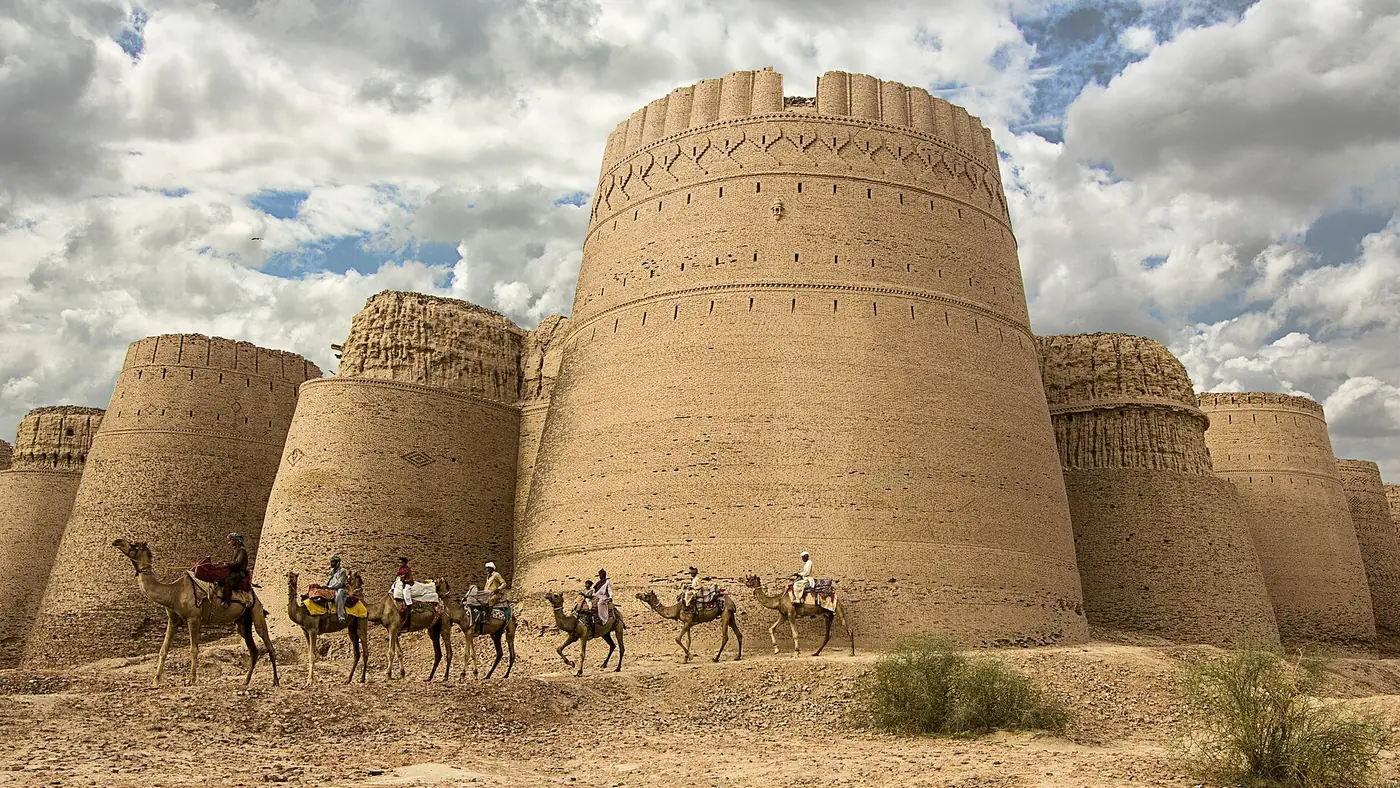
From November through February, Cholistan's days are warm and clear rather than scorching, and it is genuinely pleasant to spend hours outdoors: walking around Derawar Fort's walls, riding out into the dunes, or sitting by a campfire at night. Nights in the open desert still get cold, sometimes close to freezing, so a winter trip needs warm layers even though the days are mild.
December and January are usually the most reliable stretch for clear skies and comfortable daytime heat. Early morning fog can slow the drive out from Bahawalpur on some winter mornings, so build a little extra time into the schedule rather than rushing.
February and the Jeep Rally
February sits at the tail end of the good season, and it is also when the Cholistan Jeep Rally is held, drawing large crowds to the area around Derawar Fort. If you want the desert quiet, avoid rally week; if the rally itself is the draw, our guide to the Cholistan Jeep Rally covers the schedule, where to watch and where to stay. Outside those few days, late February is still a workable time to visit, though warming up compared with December and January.
March and October: the shoulder months
March still has cool mornings but the afternoon heat starts building quickly, and by the end of the month a midday visit is noticeably harder than in January. October works the other way: after the worst of the summer heat but before the desert has properly cooled, it is a reasonable time to go if your schedule doesn't allow for winter, though not as comfortable as the core season.
Why summer in Cholistan is dangerous, not just hot
From May to September, Cholistan regularly sees daytime temperatures well above 40°C, with the hottest stretches pushing past 45–50°C in the open desert away from any shade or water. This is not the kind of heat you push through with enough water; it is the kind that causes heatstroke quickly, especially for children, older visitors and anyone not used to desert conditions.
There is very little practical reason to visit in summer. Fort walls and open jeep tracks offer no real shade, water and fuel points are thin on the ground once you leave the main towns, and a breakdown or a wrong turn becomes a genuine emergency rather than an inconvenience. If your dates only work in summer, reconsider the destination rather than the season, or limit yourself to an early-morning visit to Derawar Fort followed by a fast return to Bahawalpur before midday.
The monsoon and the short green season
Cholistan gets most of its limited rainfall in July and August, during the monsoon. The desert responds fast: grasses and low scrub green up within days of decent rain, giving the sand dunes a striped, short-lived cover that looks nothing like the bare desert most photographs show. It is a genuine change worth knowing about, but it does not make the monsoon months comfortable to visit. The heat is still severe, humidity adds to the discomfort, and rainfall is unpredictable enough that you cannot plan a trip around catching the green window.
How the temperature actually shifts through the year
Cholistan's climate is a true desert one: hot days for most of the year, and a wide swing between day and night temperatures whatever the season. In December and January, daytime highs typically sit in the comfortable high teens to low twenties Celsius, while nights can drop close to freezing in the open desert, which is why layering matters more than any single item of clothing. By April, daytime highs are already well into the thirties, and from June through August they routinely pass 40°C, with humidity from the monsoon adding to the discomfort in July and August specifically, on top of the heat itself. September still runs hot, and it's only really from late October that the daytime temperature starts to ease back toward something manageable.
Planning around the season
- For a comfortable trip with family or older relatives, choose December or January and avoid rally week unless the rally itself is the point.
- For photography of the bare dunes and forts, the dry winter light from November through February, especially early morning and the hour before sunset, gives the clearest results; see our guide to Derawar Fort for more on timing that specific visit.
- For desert safaris and camping, stick to the winter window; heat and water logistics make summer camping a poor idea. Our guide to Cholistan desert safaris covers what a safari day or overnight actually involves.
- If you can only travel in the hotter months, keep any desert time to first thing in the morning, treat the trip as a short excursion rather than a full day, and carry far more water than you think you need.
Booking around the season
Hotels in Bahawalpur and any desert camps fill up fastest around the Jeep Rally in February and during long weekends through the winter season generally, so book ahead if your trip falls in December, January or February. Outside that peak stretch, availability is usually much easier to find at short notice, which is one more reason the shoulder months of October and March suit travellers who prefer to plan a trip without booking far in advance.
Frequently asked questions
What is the coldest month in Cholistan?
January is usually the coldest, with mild days but cold desert nights. It is also one of the most comfortable months for daytime sightseeing.
Is Cholistan safe to visit in summer?
Not really recommended. Daytime temperatures regularly exceed 40°C and can push past 45–50°C, which is dangerous rather than merely unpleasant, especially for children and older visitors.
When does the Cholistan desert turn green?
Briefly after the July–August monsoon rains, when grasses and scrub respond quickly to any rainfall. It's a short, unpredictable window, not something to plan a trip around.
Should I avoid Cholistan during the Jeep Rally?
Only if you want a quiet desert visit. The rally, held in February, brings large crowds and traffic to the roads around Derawar Fort; outside rally week the same period is otherwise good for visiting.
Is October or March a good time to visit Cholistan?
Both are workable shoulder months, cooler than summer but not as comfortable as the core November-to-February season. October is generally the better of the two.