Wheelchair accessible places in Gilgit-Baltistan are limited, and there is no official accessibility infrastructure or rating system for tourist sites in the region. What does work is that a good number of the best views are reachable by road, right up to the viewpoint, and a wheelchair user or someone with limited mobility can see a great deal without leaving a car. What doesn't work are the region's forts, most hiking trails and many older guesthouses, which involve steps by design.
This guide is an honest account of what is realistically step-free, which hotels are more likely to manage, and how to plan a trip around it.
| At a glance | |
|---|---|
| Formal accessibility infrastructure | None to speak of; no ramps, lifts or accessible toilets guaranteed anywhere |
| What works well | Roadside viewpoints and lakes reachable by car |
| What doesn't | Forts, museums in old buildings, most treks, many guesthouses |
| Best approach | Call ahead to any specific hotel or site and ask directly about steps and room location |
| Airports | Gilgit and Skardu airports involve a short walk or ramp from aircraft to terminal, not a jet bridge |
The honest starting point
Gilgit-Baltistan was not built with wheelchair users in mind, and neither the tourism department nor individual sites publish accessibility information. Roads are mountainous, many older buildings such as forts and traditional guesthouses were built with stone steps as part of their design, and pavements in towns are uneven where they exist at all. Nothing in this guide should be read as a guarantee; treat every recommendation as a starting point to confirm directly with the hotel, driver or site before you travel.
What works in the region's favour is that so much of the scenery here is roadside. Unlike destinations built around long approach trails, a lot of Gilgit-Baltistan's best views sit right beside a paved or well-graded road, which means a car can get close without anyone needing to walk far.
Viewpoints and sights reachable by road
These are places where the main appeal is visible from, or very close to, a parked vehicle, without a steep approach on foot:
- Attabad Lake, Hunza. The lakeside road runs close to the water, and boat operators load passengers at a level jetty area; ask about boarding assistance when you book.
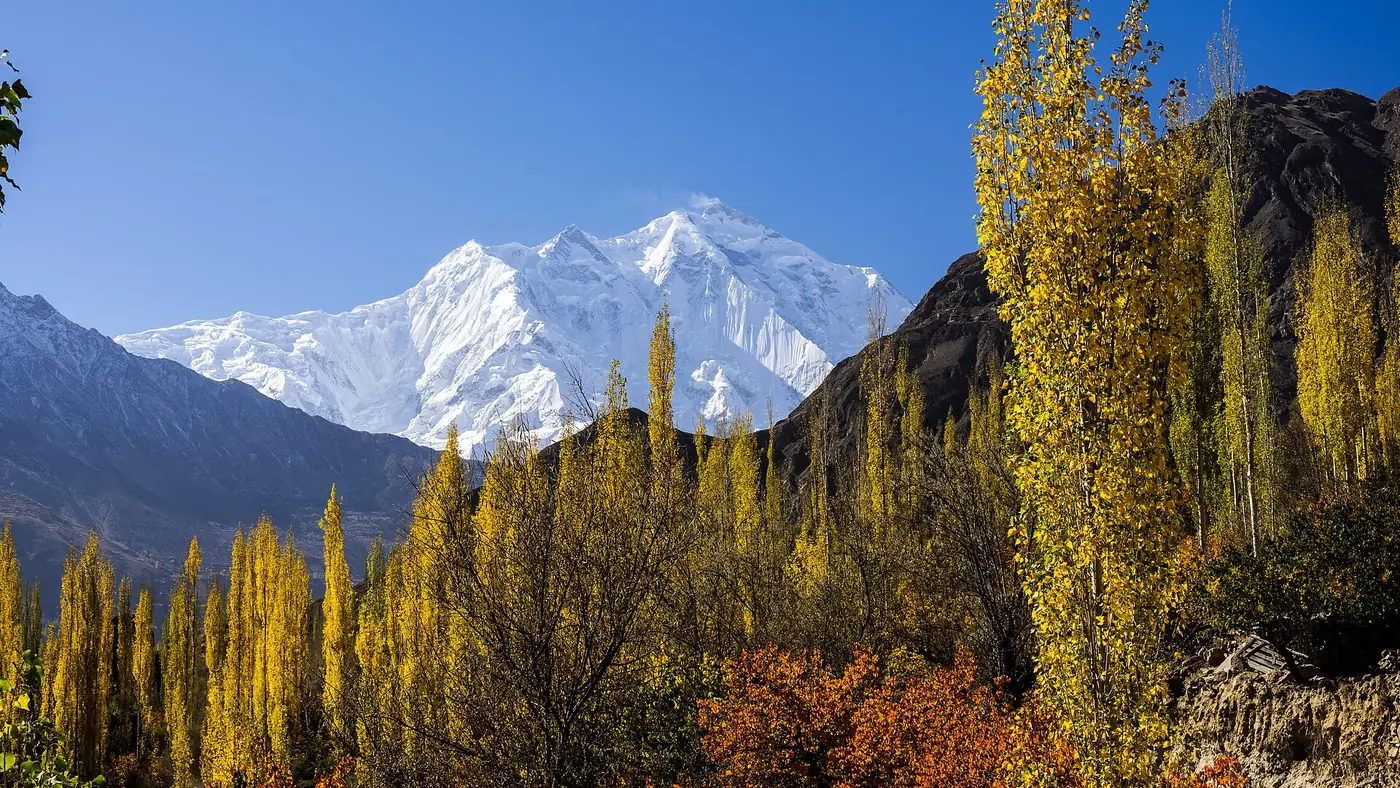
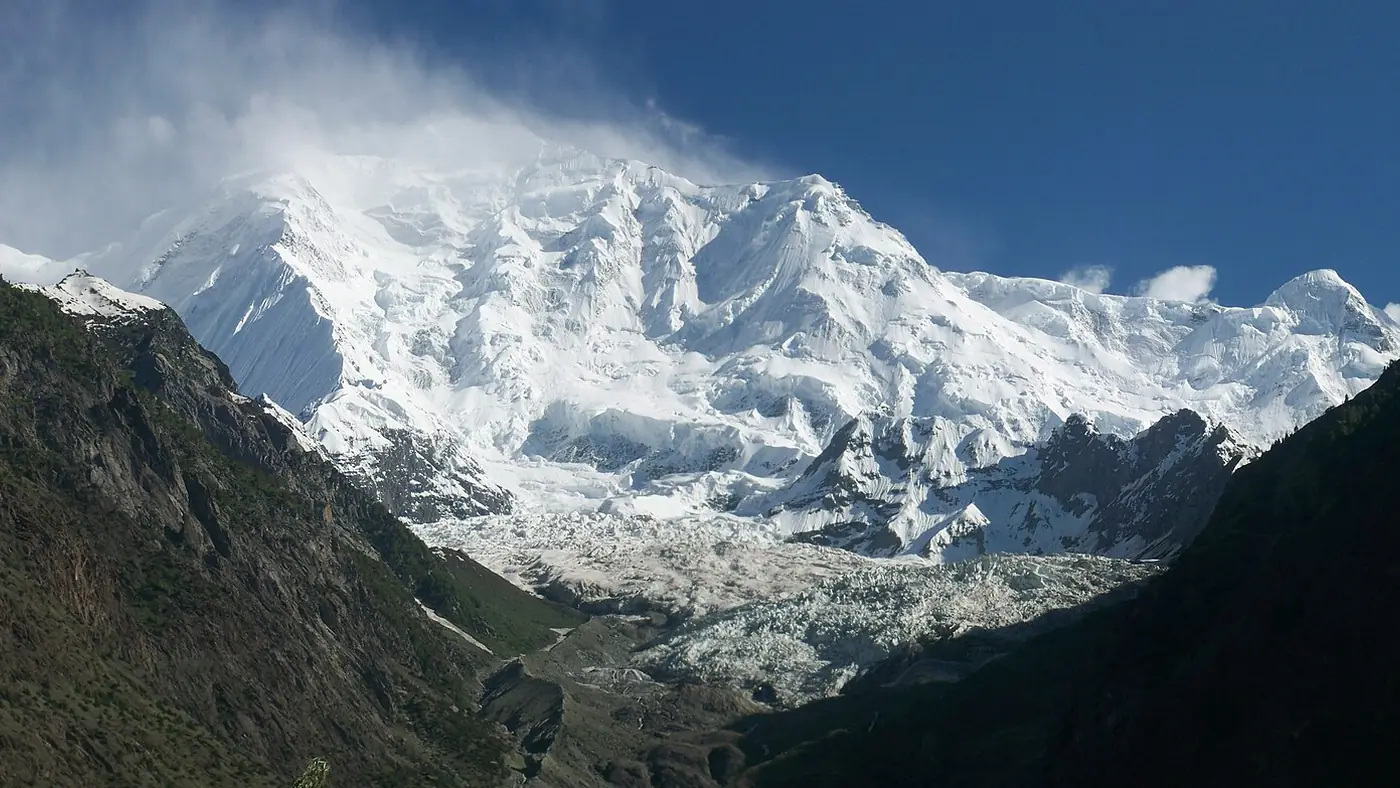
- Rakaposhi viewpoint, Karakoram Highway. A roadside stop with an open view of the mountain, no walking required.
- Eagle's Nest viewpoint, Duikar, Hunza. Reached by road right to the viewpoint, with a wide open outlook over the Hunza valley.
- Khunjerab Pass. The border itself sits beside the car park; the ground is uneven and windswept but flat, and it is one of the few high-altitude sights in Pakistan reachable without any climb.
- Shangrila Resort, Skardu, and other lakeside spots around Lower Kachura, where the lake and grounds are close to the car park, though individual paths within the grounds vary.
Confirm ground conditions ahead of time for each stop: "roadside" does not always mean flat or paved, and gravel, mud or a short kerb can matter as much as distance.
What is difficult or not realistic
Some of the region's best-known attractions are not step-free and are unlikely to become so:
- Forts, including Baltit Fort in Karimabad and Altit Fort nearby, involve a walk up a cobbled, sloped path followed by stone steps at the entrance. Neither has step-free access.
- Most treks and hikes, from short walks like the Ultar Meadows path to longer routes, are on uneven mountain ground.
- Suspension bridges, such as the Hussaini bridge, are narrow, unstable underfoot and not appropriate for a wheelchair.
- Museums and heritage buildings in the region are generally older structures without lifts between floors.
If a specific site matters to your trip, contact the site or a local guide directly and describe your exact needs rather than relying on general guidance, including this post.
Hotels: what to check before booking
No hotel chain in Gilgit-Baltistan advertises dedicated accessible rooms as standard. The Hunza Serena Hotel is a multi-storey property that includes a lift, which is unusual for the region and worth asking about specifically when booking. Elsewhere, newer hotels in Gilgit, Skardu and Karimabad are more likely to have ground-floor rooms than older guesthouses, which are frequently built on a slope with steps between the entrance, reception and rooms.
Whichever hotel you choose, ask directly and in writing about:
- Whether any rooms are on the ground floor with no steps from the car park to the room
- The width of doorways and bathroom access, including whether the bathroom has a step up or down
- Whether staff can help with luggage or transfers between the vehicle and the room
Getting around: transport and roads
The Karakoram Highway to Hunza and onward, and the main roads through Gilgit and Skardu towns, are paved and reasonably smooth by mountain-road standards, which makes a private car more practical than public transport: it gives you control over where and how often to stop, and lets you choose accommodation on accessibility rather than route.
Gilgit and Skardu airports involve disembarking onto the tarmac and a short walk or a mobile ramp to the terminal, not a jet bridge; airline staff can usually arrange assistance if you request it when booking or checking in.
Planning around it honestly
Given the lack of dedicated infrastructure, the most reliable approach is to build a trip around roadside viewpoints, lakes and drives rather than around forts, museums and hikes, and to confirm hotel layout directly before booking rather than trusting a listing. Travelling with your own vehicle and driver, rather than group transport, gives you the flexibility to stop only where it's practical and to skip anything that turns out not to work on arrival. Our plan a trip page is a starting point for building an itinerary you can then check step by step for access.
Frequently asked questions
Are there wheelchair-accessible hotels in Gilgit-Baltistan?
None are purpose-built for wheelchair access, but some newer hotels have ground-floor rooms and the Hunza Serena Hotel has a lift. Always confirm room location and doorway width directly with the hotel before booking.
Can a wheelchair user visit Attabad Lake or Khunjerab Pass?
Both are reachable largely or entirely by road, with viewing areas close to where vehicles park, though the ground is uneven in places. Confirm current conditions and any boat-boarding arrangements with your driver or the operator on the day.
Are the forts in Hunza and Baltistan accessible?
No. Baltit Fort, Altit Fort and similar heritage sites involve a sloped approach and stone steps at the entrance, with no step-free route in.
Is Gilgit-Baltistan generally difficult for travellers with limited mobility?
Yes, more than most tourist destinations. There is no formal accessibility infrastructure, many buildings and paths involve steps or uneven ground, and planning has to be done attraction by attraction rather than assumed.
What is the best way to travel around Gilgit-Baltistan with mobility needs?
A private car or SUV with a driver, rather than shared transport, so you control the pace and can choose accommodation and sights based on what is realistically accessible for your needs.