Upper Kachura Lake is the larger, deeper and less developed of the two lakes at Kachura, about 30 km west of Skardu and 35 to 45 minutes by car. You reach it by a short, steep path from where cars park, then take a boat out with one of the local boatmen, walk along the shore, and eat fried trout nearby in season. Go early in the morning, and between April and October; in winter the lake freezes.
Its better-known neighbour, Shangrila, sits inside a resort a few minutes down the road. Upper Kachura is the open, village lake: clear water up to 70 metres deep, orchards on the slopes and mountains on every side. This guide covers the path, the boats, the trout, the walks and the timing.
| At a glance | |
|---|---|
| Altitude | About 2,500 m |
| Depth | Up to 70 m |
| From Skardu | About 30 km west, 35 to 45 minutes by car |
| Access | A short, steep path on steps and track from the parking area |
| Entry | No formal entry ticket has been charged for the lake itself |
| Boats | Local boatmen; agree the price and length of the ride first |
| Best time of day | Early morning, before the boats and crowds |
| Season | April to October; frozen in winter |
Where is Upper Kachura, and how is it different from Shangrila?
Both Kachura lakes are in Kachura village, on the road west from Skardu towards Gilgit. Lower Kachura, the small heart-shaped lake, is the one inside Shangrila Resort, and most people call it Shangrila Lake. Upper Kachura is a few minutes further up the side road, above the village.
The differences are simple:
- Size and depth. Upper Kachura is much bigger, and up to 70 metres deep. The water is very clear, and in summer the surface warms only to around 15 °C.
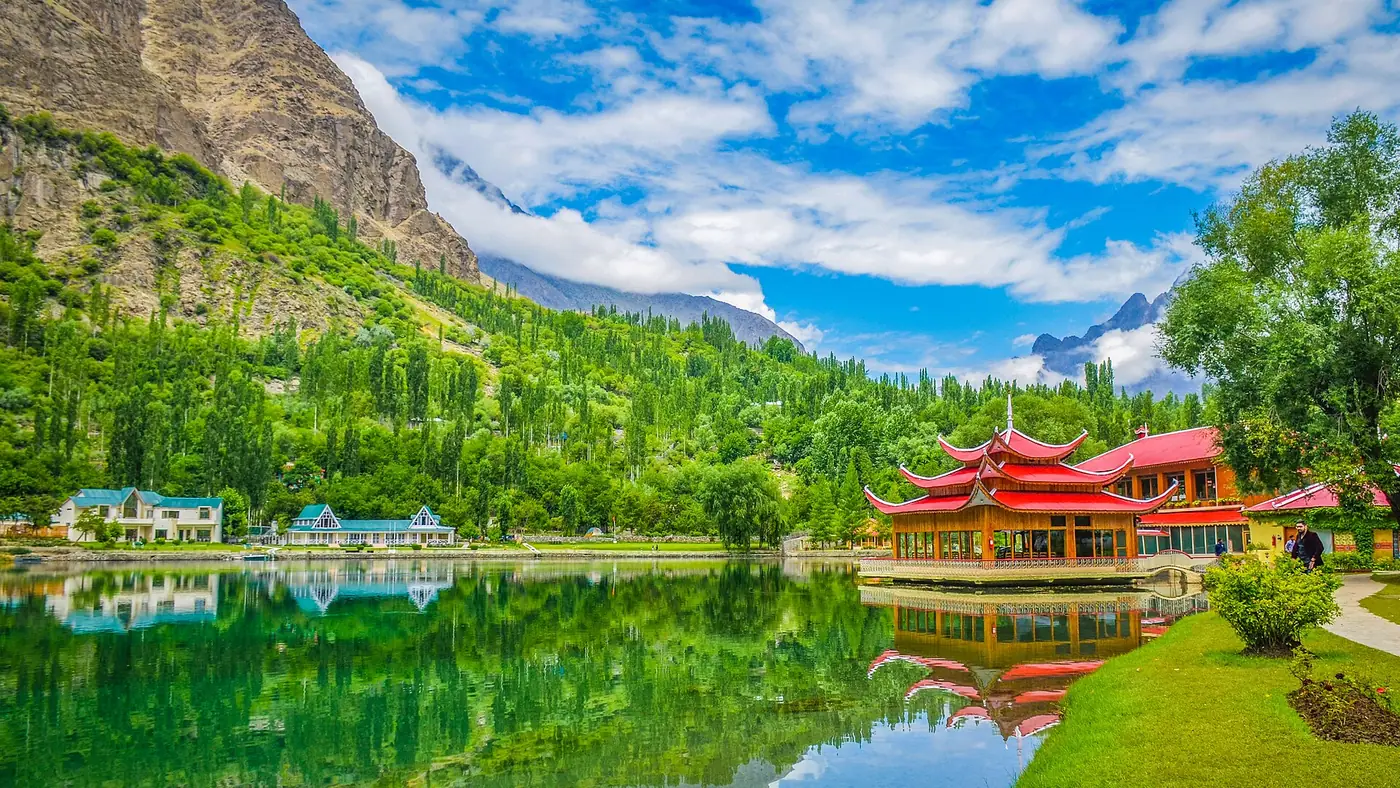
- Setting. Shangrila is landscaped, with lawns, pagoda roofs and a hotel. Upper Kachura has steep slopes, apricot orchards and village houses, with the Indus in its gorge further below.
- Access. Shangrila is flat and easy, through the resort gate. Upper Kachura means a steep walk between the road and the shore.
- Cost. Shangrila normally charges day visitors an entry ticket. Upper Kachura has had no formal ticket; you pay for the boat or the food you use.
Most visitors see both on the same morning. Our Shangrila Resort guide covers the lower lake.
Getting there and the path to the shore
From Skardu, drive west past the airport. Kachura is about 30 km from town, on a paved road that a normal car handles easily. Taxis from Skardu will do the trip and wait, but agree the waiting time and price before you set off. If you are arriving by road from the Karakoram Highway, you pass Kachura about 30 km before reaching Skardu.
The last part is on foot. From the parking area, a path with steps runs down through the village to the lake shore. It is short, a matter of minutes, but it is steep and uneven in places, and the climb back up is the harder half at 2,500 metres.
A few tips for the path:
- Wear shoes with grip, not sandals or smooth-soled shoes.
- Take it slowly on the way back up, especially if you only arrived in Skardu the day before.
- Think about older parents. For anyone with bad knees or a heart condition, the steep climb out is the real consideration. Shangrila, a few minutes away, is flat.
- In winter the path ices over. Skip it unless everyone has proper boots.
Boating: how it works and what to agree first
Boats on Upper Kachura are run by local boatmen at the shore, not by a company, and prices are not posted. They depend on how long you go out for, how many people are in the boat, and how busy the day is.
Before you step in:
- Agree the price and the time you will be out, for the whole boat, not per person, unless that is what you want.
- Ask for life jackets for everyone, and insist for children. The water is deep and cold, and a capsize here is serious.
- Sit low and still. These are small boats, and standing up for photographs is how people end up in the lake.
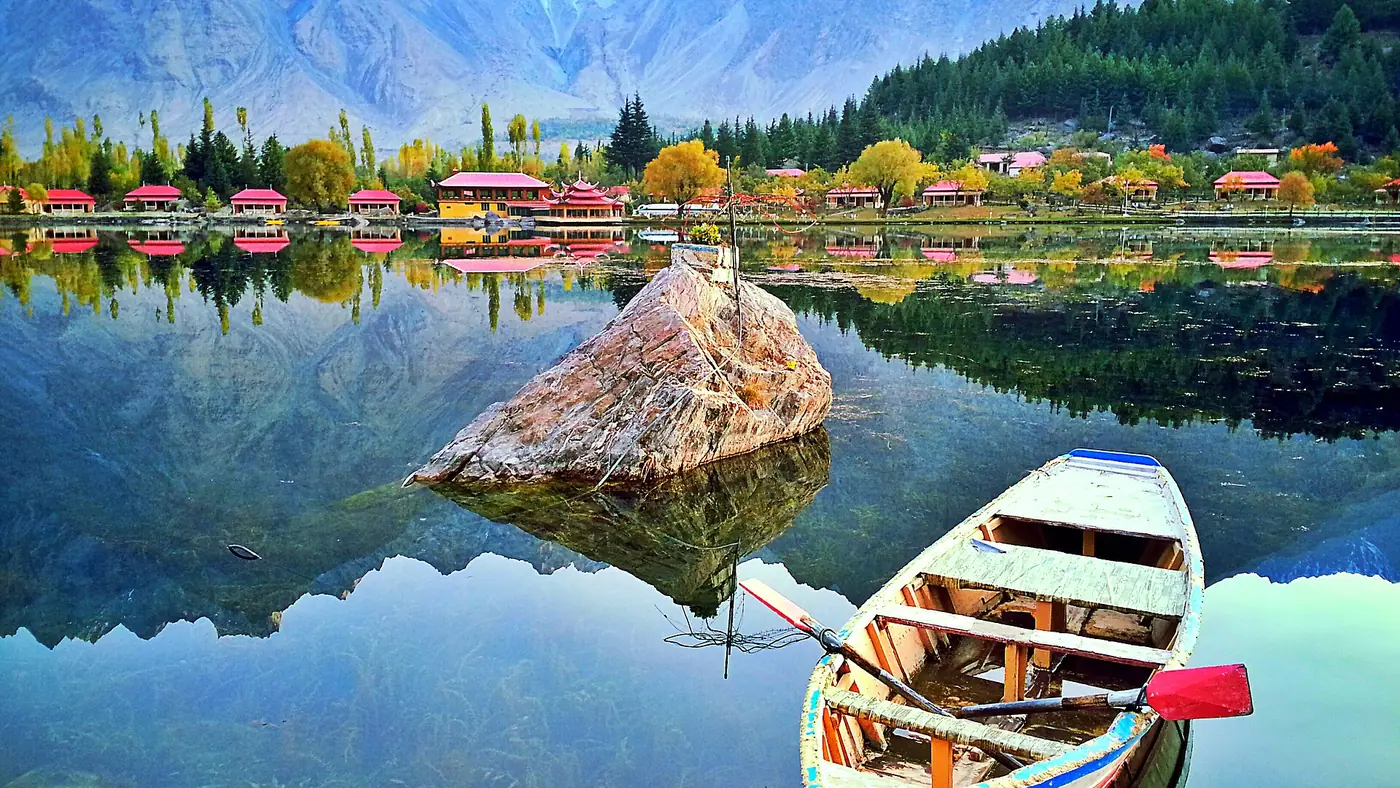
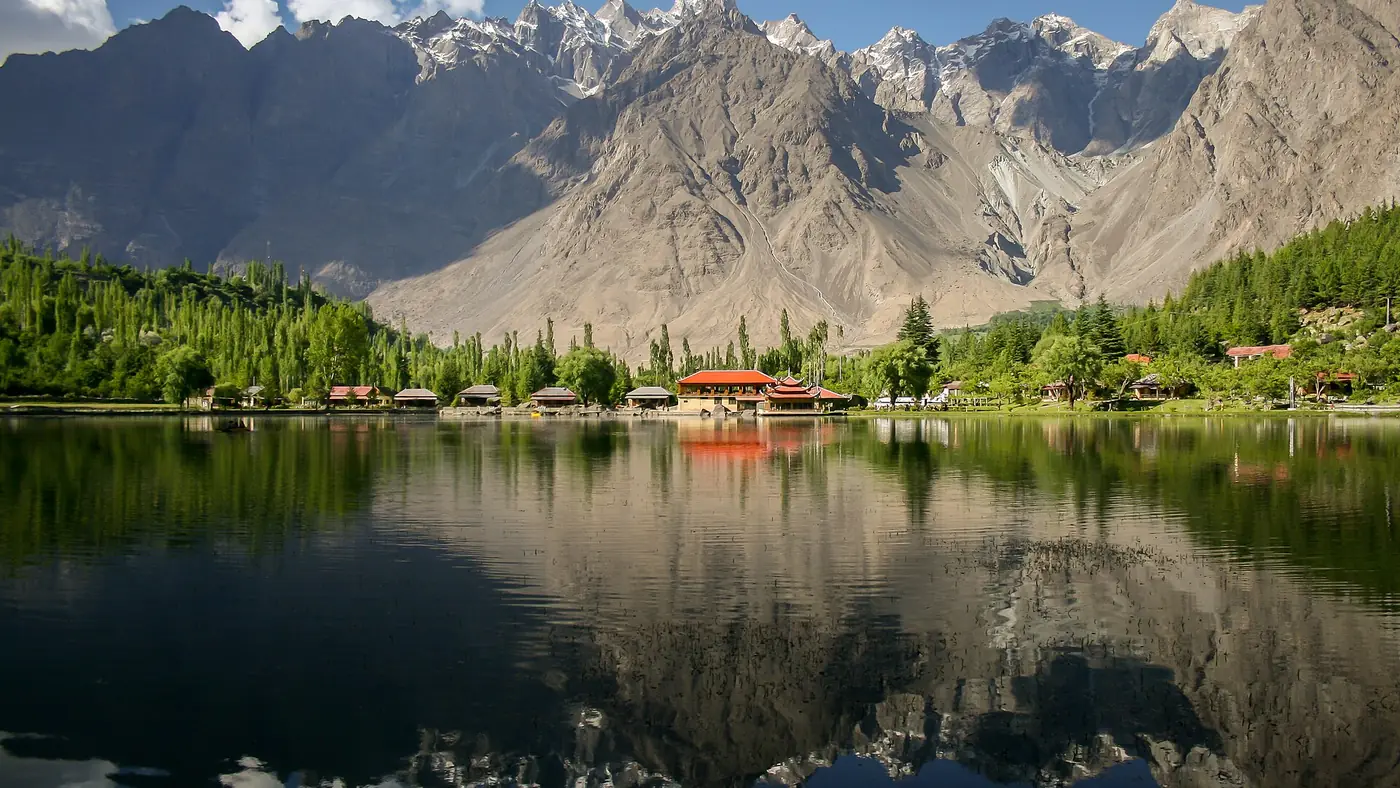
A slow ride out towards the middle gives you the best view back towards the orchards and the mountains, and on a still morning the reflections in the water are the photograph most people come for. Half an hour is plenty for most families.
Trout: lunch by the lake, and fishing
Brown and rainbow trout were introduced to the lakes of the Skardu valley long ago, and trout is now the local dish that visitors come to Kachura for.
Eating trout
In the season, a few simple eateries near the shore and in the village serve trout, usually fried. They are informal places, so ask the price before you order, since it can depend on the size of the fish. If nothing is open when you visit, Skardu's restaurants serve trout as well.
Lunch after a morning on the water, and before the drive back, is the natural rhythm of a Kachura day.
Fishing yourself
Fishing for trout in Gilgit-Baltistan needs a permit from the Fisheries Department, and there are rules on where and how you may fish. If you want to fish, ask in Skardu how to get the current permit before you go out to the lake, rather than asking a boatman to take you out with a rod.
Walks around the lake and the village
Upper Kachura is a place to slow down rather than to tick off, and a walk is the best way to see it.
- Along the shore. A path follows parts of the water's edge from where the boats wait. Walk as far as it goes and back.
- Through the village. The lanes above the lake run between houses, irrigated fields and apricot orchards. In April the trees are in blossom; in July the fruit is ripening and drying on the rooftops. Be respectful: this is a village, not a park, so ask before photographing people.
- To Shangrila. The lower lake is a few minutes away by car. Combine the two in one morning.
If you are in Skardu for several days, stay a night in Kachura. Evenings and early mornings at the lake are quiet, and you have the water almost to yourself before the first cars from town arrive.
When is the best time to visit Upper Kachura?
Time of day. Arrive by 8 or 9 am if you can. Before the boats go out and the day visitors come down the path, the water is often still, and the reflections are sharp. By late morning in July and August, the shore is busy. The late afternoon is also good, with softer light and fewer people.
Time of year:
- April and May: blossom in the orchards, snow still on the peaks, cool days. A good time to go.
- June to August: the main season, warm, green and busy, especially on weekends and around Eid.
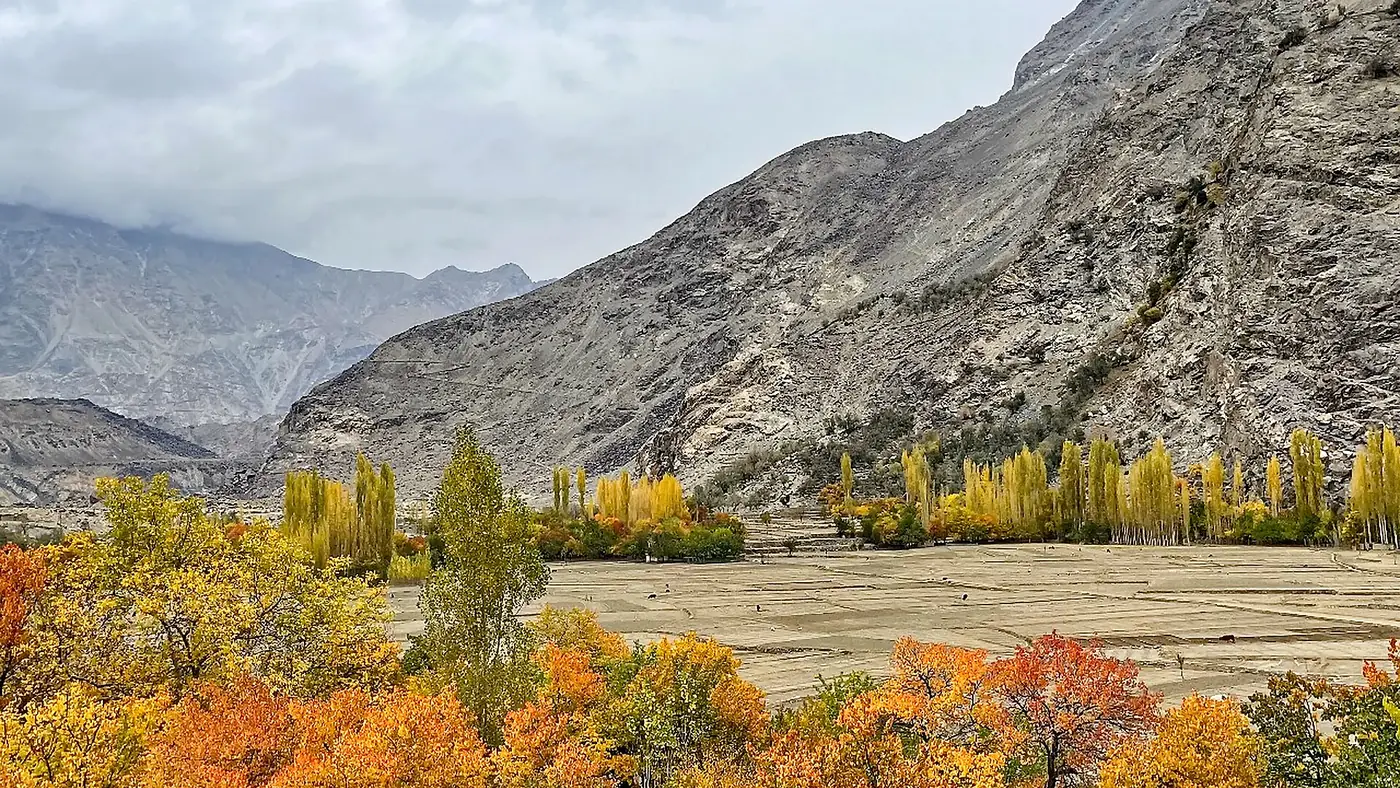
- September and October: quieter, with clear air, and the leaves turn in the second half of October.
- November to March: the lake freezes, the boats stop and the path ices over. The frozen lake is a sight in itself, but look from the shore and never walk out on the ice. Our guide to Skardu in winter covers what changes.
Safety by the water
Upper Kachura is calm most of the time, but it is deep and cold, so a few rules matter:
- Don't swim. At up to 70 metres deep, and with a surface temperature of about 15 °C in midsummer, the water is too cold for most people, and there is no lifeguard.
- Keep small children close at the water's edge; the shore drops away quickly in places.
- Life jackets on every boat trip, for everyone who can't swim well.
- Never walk on the ice in winter.
- Take your rubbish with you. Bins are few, and litter left on the shore ends up in the water.
Is Upper Kachura worth visiting?
Yes, for almost everyone who can manage the path. It is the most natural of the lakes close to Skardu, and on an early summer morning it is the calmest and quietest place in the valley.
It suits couples, photographers, groups of friends and families with children who can walk, and anyone who found Shangrila too managed.
It suits less people who struggle with steep steps. For them, Shangrila offers a similar lake with flat paths and no climb. On a very short visit, if you must choose one, take Upper Kachura if you can walk, and Shangrila if you can't.
Our three-day Skardu itinerary puts both lakes on the same morning and finishes the day at the Katpana cold desert. Our Skardu destination page shows the other sights of the valley, and our Skardu and Deosai trip visits the Kachura lakes early on day two, before the boats go out.
Frequently asked questions
How far is Upper Kachura Lake from Skardu?
About 30 km west of Skardu, 35 to 45 minutes by car past the airport. The last part is a short, steep walk from the parking area.
Is there an entry fee for Upper Kachura Lake?
There has been no formal entry ticket for the lake itself. You pay the boatmen for a ride and the eateries for food, and prices should be agreed first.
How deep is Upper Kachura Lake?
Up to about 70 metres. The water is clear and cold, so swimming is not a good idea.
Can you eat trout at Upper Kachura?
Yes, in season, at simple eateries near the shore and in the village. Ask the price before you order; it can depend on the size of the fish.
Does Upper Kachura Lake freeze in winter?
Yes. The surface freezes solid in winter, the boats stop and the path becomes icy. Look from the shore and never walk on the ice.
Which is better, Upper Kachura or Shangrila?
Upper Kachura is bigger, deeper and more natural but needs a steep walk. Shangrila is flat, landscaped and easier for older visitors. Most people see both in one morning.