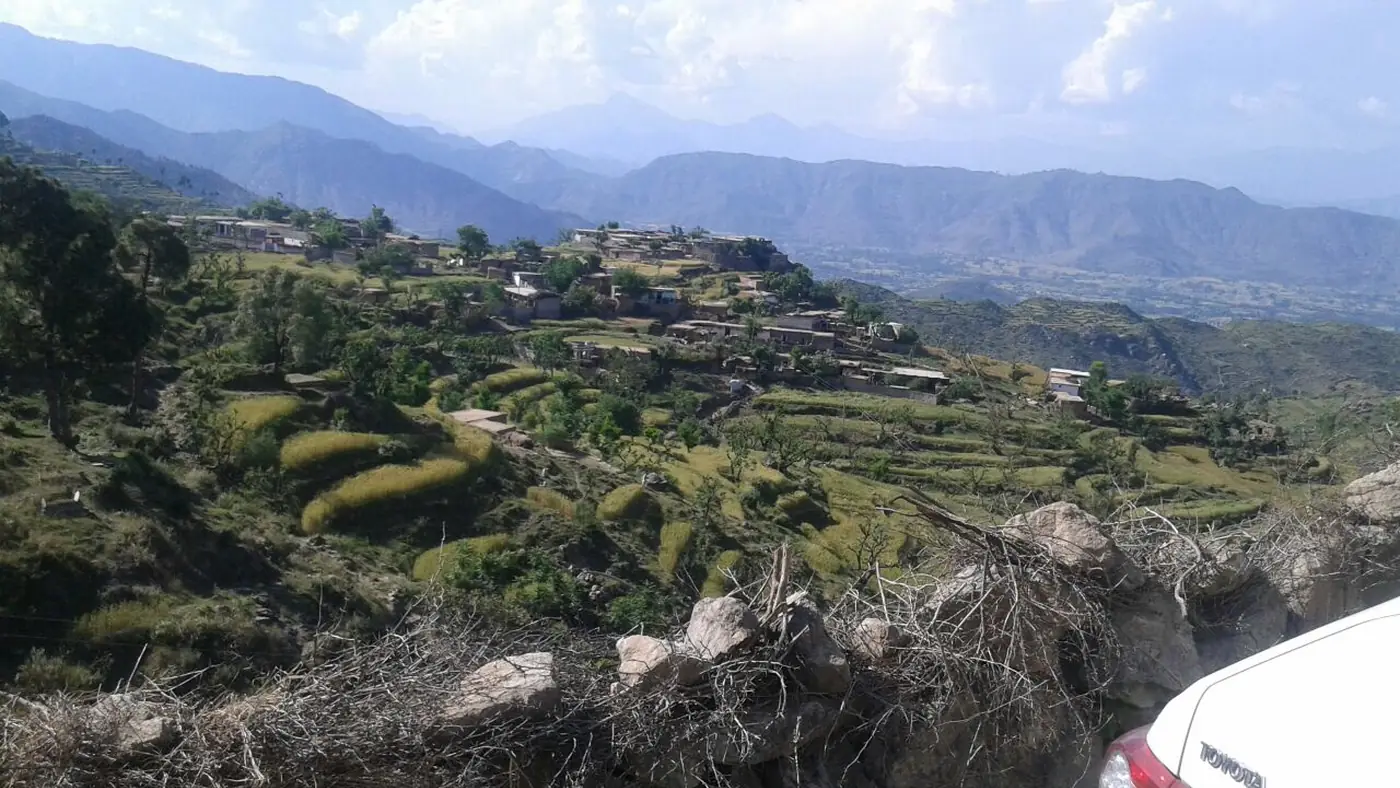
Shangla district, between Swat and the Karakoram Highway, is known for its forested hill country: the pass at Shangla Top, the camping ground at Yakh Tangay, and the quieter valleys around the district town of Alpuri and Puran further south. Almost the whole district sits between 2,000 and 3,000 metres, so it is cool and green through summer while the plains below swelter.
This guide sets out the main places to visit, how they connect by road, and when to go.
| At a glance | |
|---|---|
| Where | Malakand division, between Swat, Kohistan, Battagram and Buner |
| Headquarters | Alpuri |
| Average elevation | 2,000 to 3,000 m; highest point 3,440 m |
| Main road link | The N-90 over Shangla Top, joining the KKH at Besham |
| Best months | Roughly May to October |
| Safety | UK advises against all but essential travel to Shangla |
Shangla Top
Shangla Top, the forested pass at about 2,100 metres on the road between Khwazakhela in Swat and Besham, is the place most visitors see first, since the main road into the district crosses it. It has roadside snow in winter and long views back over the Swat valley the rest of the year. Our Shangla Top guide covers the drive up from both sides and the road's current condition.
Yakh Tangay
A short drive beyond Alpuri, on the road to Puran, Yakh Tangay is a pine-forest hilltop with a cold spring and a small cluster of government-run camping pods, popular with families from Swat, Buner and Peshawar escaping the summer heat. Our Yakh Tangay guide has the pod rates, the road in, and what the weather is like through the year.
Alpuri, the district town
Alpuri is Shangla's headquarters and its largest town, set among the hills a short distance beyond Shangla Top. It is not a sight in itself so much as the district's working centre: government offices, a degree college, the district hospital, and the shops and small hotels most visitors pass through on the way to Yakh Tangay or Puran. Cool summers and winter snow make it a pleasant enough stop, and it is the natural base if you are exploring the district rather than driving straight through.
Puran valley and Chakesar
South of Alpuri, the road continues through Puran tehsil into a quieter, less-visited stretch of the district, with forested valleys and a small lake near Puran itself. Further south again, Chakesar tehsil carries traces of a much older history: the area has Buddhist-era hermitage sites and remains linked to the ancient Greek presence in this part of the Hindu Kush foothills, alongside a long-established small Hindu community. Neither Puran nor Chakesar has developed tourist infrastructure, so treat them as a scenic drive and a look at rural Shangla rather than a destination with sights laid on for visitors.
Besham, on the Karakoram Highway
At the district's eastern edge, Besham sits on the Indus where the Shangla road meets the KKH. It is best known as an overnight stop for people driving north to Gilgit-Baltistan rather than as a sight in Shangla itself, but it is worth knowing that Shangla's road network connects directly to it. Our Besham guide covers the hotels, fuel and the drive on into Kohistan.
Scenic drives
The most rewarding way to see Shangla is simply to drive the loop the road network already gives you: up from Swat over Shangla Top, through Alpuri, on towards Yakh Tangay and Puran, and back, or continuing down to Besham and the Karakoram Highway if you are heading north rather than back to Swat. None of the roads are fast, and the pleasure of Shangla is largely in the forested hillsides and river valleys the drive passes through rather than in any single stop.
When to go
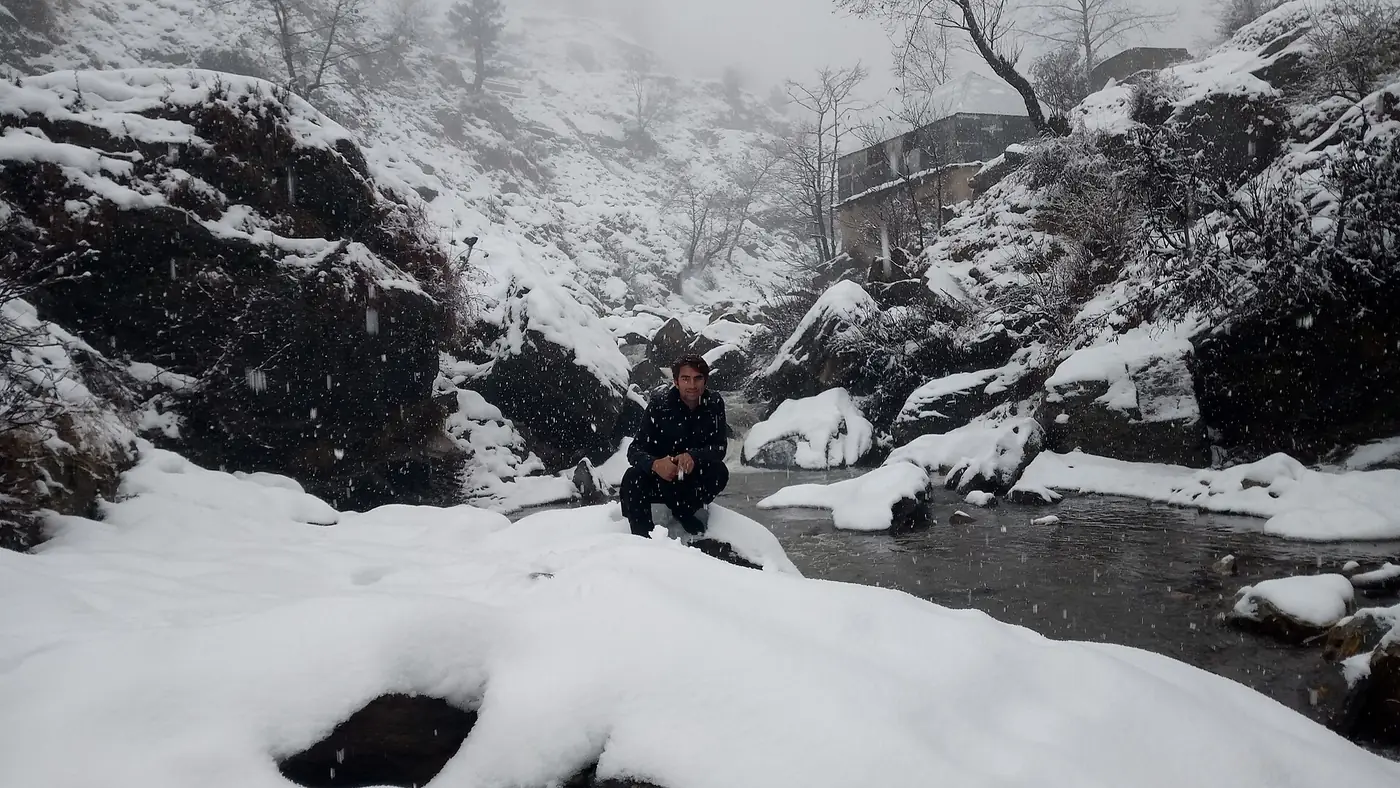
May to October covers Shangla's most comfortable weather, warm enough in the valleys and cool on the higher ground, with the roads clear of snow. Late December to February brings snow to Shangla Top and the higher parts of the district, which some visitors come for deliberately, but it also makes the roads harder going and some services thinner on the ground.
Is it worth the trip?
For anyone already in Swat, yes: Shangla is close, the drive over Shangla Top is scenic in its own right, and Yakh Tangay in particular gives families a straightforward, cool escape for a day or two. On its own, as a long trip from Islamabad or Lahore, it suits people who want forested hill country and quiet roads rather than a list of headline sights, since outside Shangla Top and Yakh Tangay there is little built specifically for tourists.
Is it safe to visit Shangla?
The UK government currently advises against all but essential travel to Shangla district. Pakistani visitors continue to travel through and around the district in normal numbers, including on the Swat–Besham road, but check current local news and police advice before you set out, and be aware that foreign-passport holders travelling against their own government's advice can affect their travel insurance.
Frequently asked questions
What is the district headquarters of Shangla?
Alpuri, a short distance beyond Shangla Top on the main road from Swat.
What are the main places to visit in Shangla?
Shangla Top, Yakh Tangay, the town of Alpuri, and the quieter valleys of Puran and Chakesar further south.
How do I get to Shangla from Swat?
By the N-90, which climbs from Khwazakhela over Shangla Top and down to Alpuri before continuing to Besham on the Karakoram Highway.
Is Shangla worth visiting on its own, without Swat?
It works best combined with Swat or as part of a drive north to the KKH. On its own it suits travellers who want quiet forested hill country rather than a set list of sights.
Is it safe to travel to Shangla right now?
The UK advises against all but essential travel to Shangla. Pakistanis travel through the district regularly; check current local news and police advice before you go.