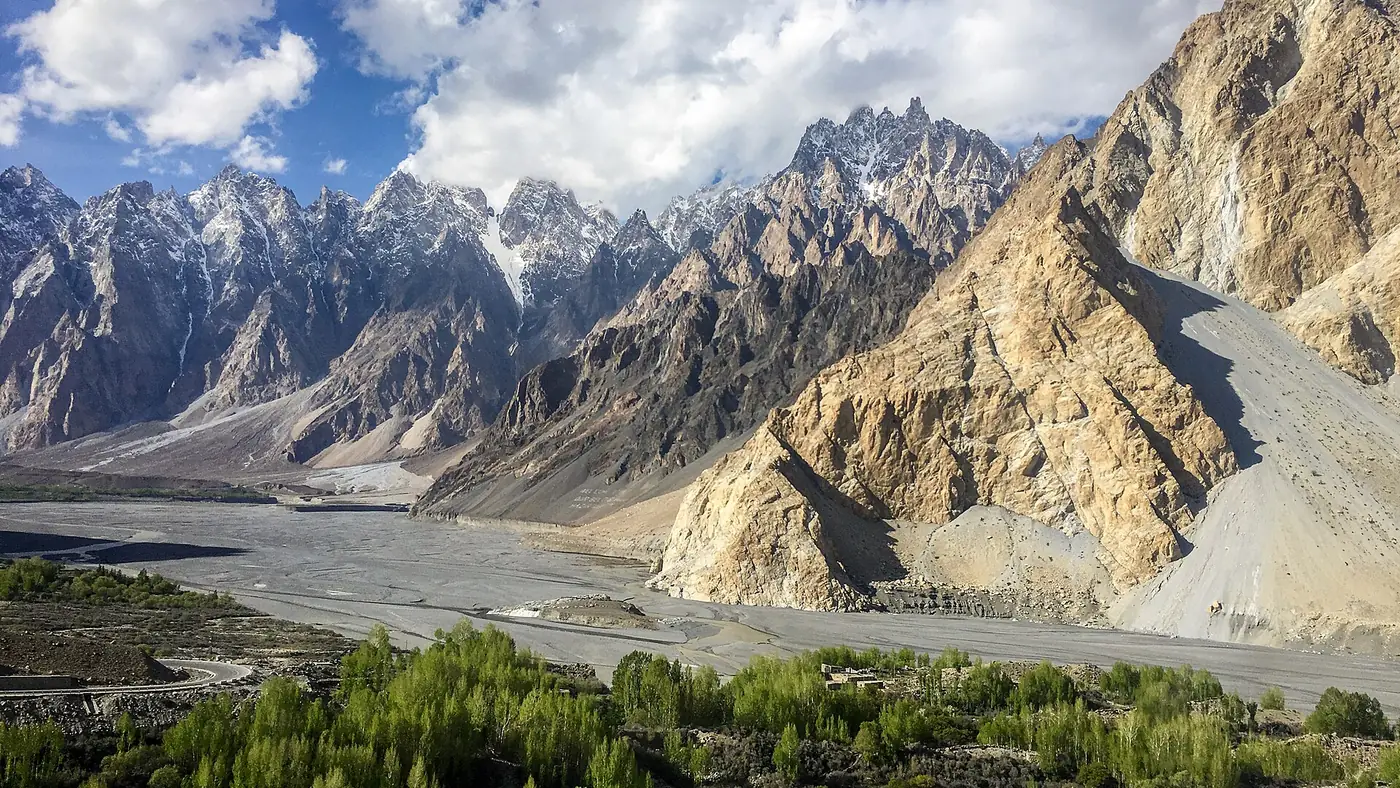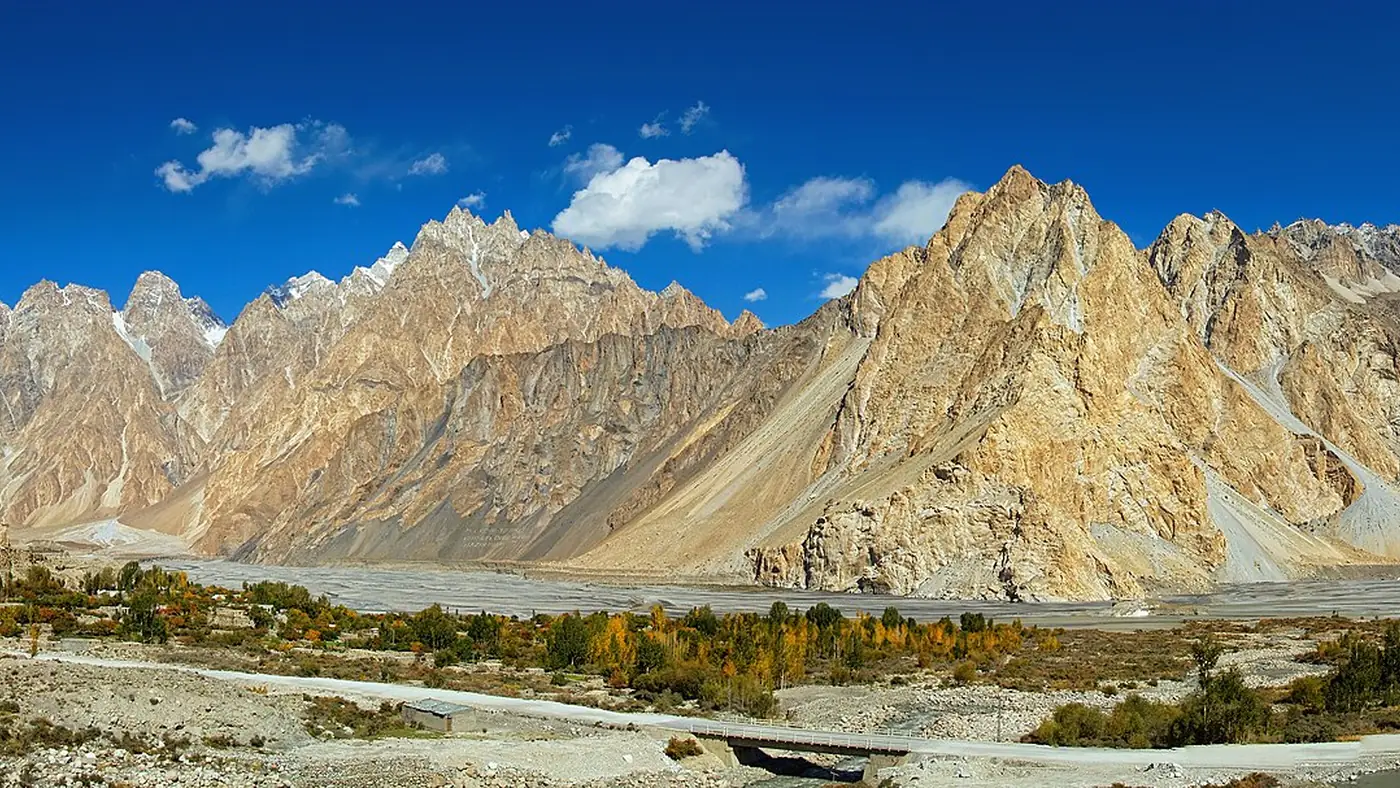
Winter in the Northern Areas means genuinely cold nights, commonly well below freezing in Hunza and Skardu and colder still on clear nights, so a packing list built around a warm coat and a scarf is not enough. What works is a proper layering system: thermals against the skin, an insulating mid-layer, and a windproof, waterproof outer layer, plus boots that grip on snow and ice and a kit for the car in case the road turns difficult.
This list covers what to wear, what to carry for the drive, and the things people underestimate about a winter trip north.
| At a glance | |
|---|---|
| Typical winter nights | Well below freezing across Gilgit-Baltistan's main towns; colder in the higher valleys |
| Daytime | Often a few degrees above freezing in the sun, colder in shadow or wind |
| Roads | Some close with snow; others are driveable but need care and, at times, chains |
| Power | Load-shedding is more frequent in winter; hotel heating varies |
| Layer, don't bulk up | Several thin layers trap more warmth than one thick coat |
Clothing: the layering system
- A thermal base layer, top and bottom, worn under everything else. It does more for warmth than a thick single coat.
- A fleece or wool mid-layer, for insulation you can add or remove as the day changes.
- A proper down or heavily insulated jacket, windproof if possible, since wind is what makes northern winter cold cut through.
- Waterproof, windproof outer trousers or salopettes, if you'll be in snow for any length of time, such as at a ski resort or a snow-play stop.
- A warm hat covering the ears, gloves, and a scarf or neck gaiter. Extremities lose heat fastest, and frostbite risk rises with wind chill.
- Thick wool or thermal socks, and a spare pair kept dry in case the first gets wet.
Footwear
Proper winter boots, waterproof and with a grippy sole, are worth prioritising over almost anything else on this list. Regular trainers and city boots slip on packed snow and ice, and wet feet are one of the fastest ways to become genuinely cold. If you're driving into snow country, keep the boots on in the car rather than packed in the boot, in case you need to get out unexpectedly.
Staying warm off the road
- A power bank, since batteries drain faster in the cold and charging points can be unreliable during load-shedding.
- A torch or headlamp, for hotel power cuts, which are more frequent in winter than summer across the region.
- Hand and toe warmers, small and light, worth having for a day trip to snow or a cold morning start.
- A hot water bottle or flask, useful in guesthouses where the room heating is a single gas heater rather than central heating.
- Lip balm and a moisturiser, since cold, dry mountain air is hard on skin.
A kit for the car
Winter road conditions in the north can change quickly, and a car that's fine in the morning can meet snow or ice by afternoon.
- A blanket for each passenger, kept in the car rather than the boot.
- Snacks and a flask of something hot, in case a road closure or slow section means a longer wait than planned.
- A torch and a fully charged phone, with a car charger.
- Tyre chains, if your route includes a pass or road known to need them, arranged through your driver or rental company in advance rather than at the roadside.
- A basic first aid kit, with any regular medication kept accessible, not packed away.
Gas heaters: a genuine safety note
Many guesthouses and hotels in the north heat rooms with gas heaters, which can be dangerous if a room isn't properly ventilated. Ask at check-in how the room is heated and whether there's ventilation, don't run a heater all night in a sealed room, and don't bring your own unvented heater into a room that isn't designed for one.
Planning around delays
Winter travel in the north comes with a higher chance of disruption than summer: flights to Gilgit and Skardu are weather-dependent and can be delayed or cancelled at short notice, and some roads close temporarily after heavy snow. Pack a change of clothes and any essential medication in hand luggage rather than checked baggage, in case a flight is cancelled and you end up travelling by road instead, or a bag is delayed a day. Building a spare day or two into a winter itinerary matters more than any single item on this list.
If skiing or snow sports are on the itinerary
Resorts such as Malam Jabba and Naltar rent skis, boots and some outerwear, so you don't need to bring your own equipment. What's still worth packing yourself are good ski socks, glove liners, and eye protection such as goggles or wraparound sunglasses, since rented gear doesn't always include these and they matter for comfort on the slope.
What to leave at home
- A single heavy coat instead of layers. Layers adapt to a day that moves between a heated car, a cold street and a warm restaurant; one coat doesn't.
- Cotton as a base layer. It holds moisture against the skin and cools you down rather than keeping you warm once you sweat or it snows.
- Delicate shoes. Salt, slush and snow are hard on anything that isn't built for winter conditions.
A short packing list
- Thermal base layers, a fleece mid-layer, a proper down or insulated outer jacket
- Warm hat, gloves, scarf or neck gaiter
- Waterproof winter boots with a grippy sole
- Power bank, torch, hand warmers
- Car kit: blankets, snacks, a charged phone, chains if the route needs them
- Cash and ID documents, kept accessible rather than packed away
For the rest of what changes by season, see our summer packing list for the Northern Areas and our seasonal guide to when to go.
Frequently asked questions
How cold does it actually get in the Northern Areas in winter?
Nights are commonly well below freezing in Hunza, Skardu and the surrounding valleys, and colder on clear, still nights. Daytime can be a few degrees above freezing in direct sun and much colder in shade or wind.
Do I need special boots for a winter trip?
Yes. Waterproof boots with a grippy sole matter more than almost anything else on the list, since packed snow and ice are common on paths and roadsides.
Is it safe to use a gas heater in a guesthouse room?
Ask about ventilation before you rely on one, and don't run a heater all night in a sealed room. Poorly ventilated gas heating is a real safety concern in the region's hotels and guesthouses.
Should I pack a car kit even for a short winter trip?
Yes, if any part of your route could see snow or ice. Blankets, snacks, a charged phone and a torch cost little to carry and matter if a road is slow or closed for a while.
Is cotton clothing a problem in winter?
As a base layer, yes. Cotton holds moisture and cools you down once it's damp, whereas a thermal base layer keeps working even if you sweat or get caught in snow.