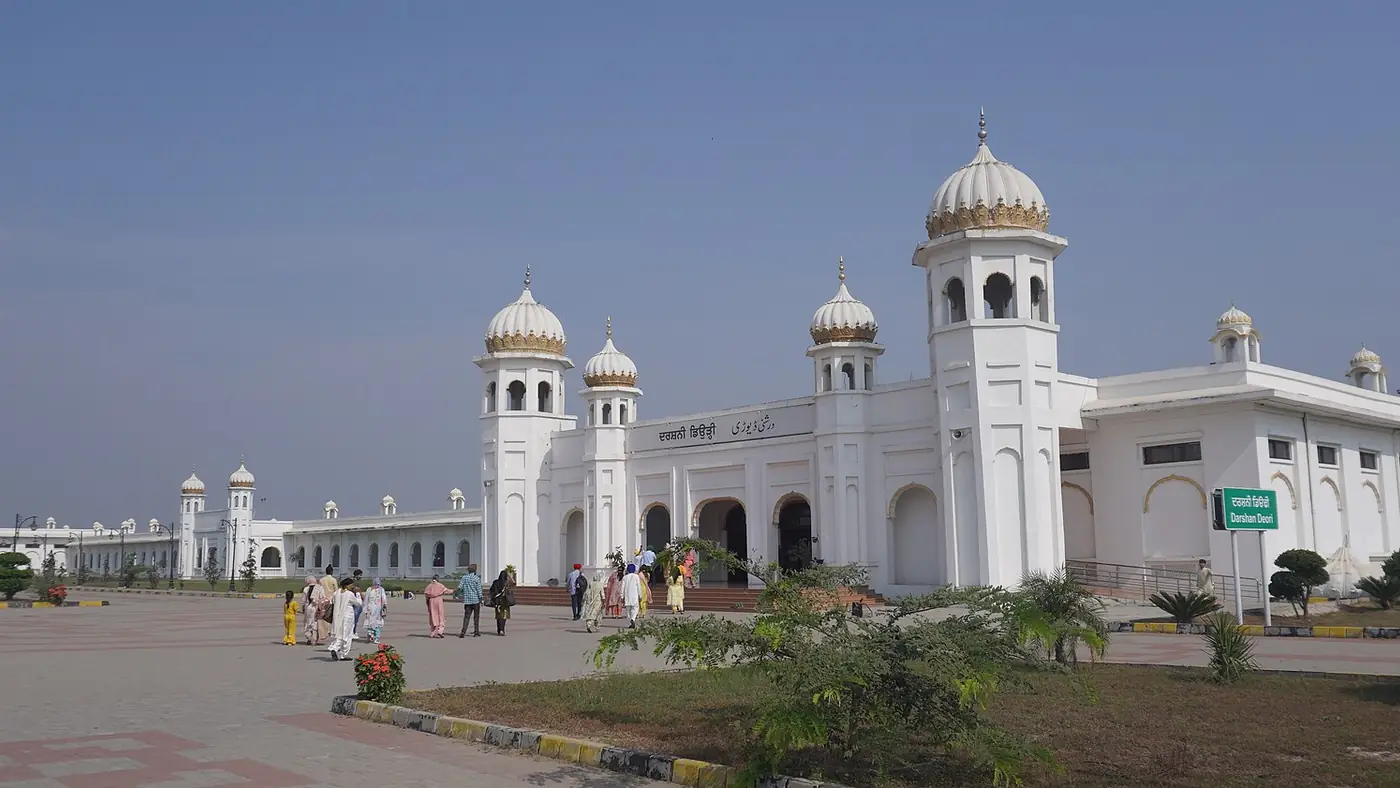
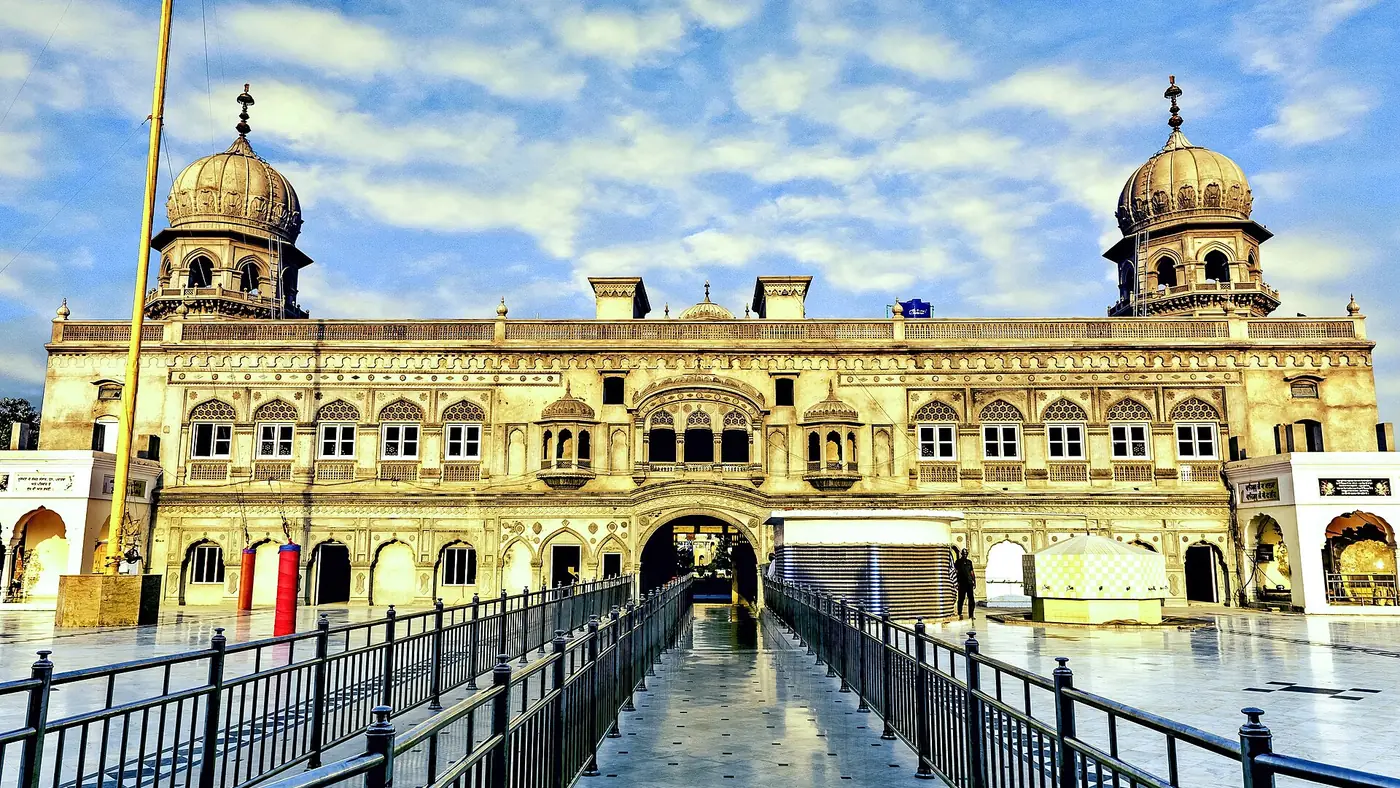
Nankana Sahib, west of Lahore, is the birthplace of Guru Nanak, the founder of Sikhism, and Gurdwara Janam Asthan marks the exact spot. For local visitors it's one of the more accessible religious heritage sites in Punjab: no special permit is needed, just a CNIC and ordinary respect for a functioning place of worship.
This guide covers the gurdwara's history, how to get there from Lahore, and what to expect, including the town's busiest days of the year.
| At a glance | |
|---|---|
| Location | Nankana Sahib town, west of Lahore |
| From Lahore | Roughly 75–90 km depending on the route; about 1.5 to 2 hours by road |
| Documents for Pakistanis | CNIC; no permit needed |
| Founded | Gurdwara built around 1600, renovated 1819–20 |
| Busiest time | Around Guru Nanak's birth anniversary (Gurpurab), typically November |
Guru Nanak and Nankana Sahib
Guru Nanak was born here in 1469, in what was then a village called Rai Bhoi Di Talwandi. The settlement was later renamed Nankana Sahib in his honour, and the town today is built around a cluster of gurdwaras marking events from his childhood and early life, of which Gurdwara Janam Asthan, the birthplace shrine itself, is the most significant.
The current gurdwara building was constructed by Sikhs during the Mughal era, around 1600, and substantially renovated under Maharaja Ranjit Singh, the founder of the Sikh Empire, in 1819–20, in the period when Sikh rule extended across much of Punjab. The site also carries a heavier, more painful history: in 1921, during the Akali reform movement, clergy at the gurdwara ordered gunfire on unarmed protesters, in what became known as the Nankana massacre. The episode led to widespread condemnation and, ultimately, control of the gurdwara passing to reformist Sikh management.
Other gurdwaras in the town
Gurdwara Janam Asthan is the centrepiece, but Nankana Sahib has several smaller gurdwaras nearby marking specific events in Guru Nanak's early life, including Gurdwara Patti Sahib, Gurdwara Bal Lila, Gurdwara Kiara Sahib, Gurdwara Malji Sahib, Gurdwara Tambu Sahib and Gurdwara Chhati Patshahi. Most visitors focus their time on the main gurdwara, but if you have a full day, walking to two or three of the others gives a fuller sense of the town's religious significance.
Each of these smaller shrines is tied to a specific story from Guru Nanak's life, reflected in their names: Patti Sahib refers to the wooden writing tablet used in traditional schooling, and Bal Lila translates roughly as "childhood play." None require much time individually, and they're spread across the town rather than clustered immediately around the main gurdwara, so a rickshaw or short taxi ride between them is more practical than walking the whole circuit on foot, particularly in summer heat.
How Pakistani visitors get in
Unlike Sikh pilgrims travelling from India, who need advance visas and often visit as part of organised, permit-based groups around specific festival dates, Pakistani citizens can visit Nankana Sahib much like any other heritage or religious site: bring your CNIC, dress modestly, and follow normal gurdwara etiquette once inside. There's no separate corridor or registration system for local visitors, unlike the arrangements at Kartarpur Gurdwara, which handles a much larger flow of visiting Indian pilgrims.
As at any gurdwara, cover your head before entering the prayer hall, remove your shoes where indicated, and expect a working religious site with an active daily routine of prayer, rather than a museum laid out purely for visitors.
Langar and everyday visiting
Like every gurdwara, Nankana Sahib serves langar, a free communal meal open to everyone regardless of faith, prepared and served as an act of hospitality rather than charity in the way outsiders sometimes assume. Sitting down with other visitors for langar is a normal part of a respectful visit, not an optional extra.
Outside of major festival periods, a visit here is generally quiet: a walk through the main gurdwara complex, a look at its architecture and courtyards, and langar if you'd like to eat, typically an hour or two in total.
The town around the gurdwara is a working district town rather than a place built entirely around tourism, so beyond the religious sites there isn't much in the way of dedicated visitor infrastructure. Bring water and snacks for the trip if you're travelling with children or older relatives, and don't expect a wide choice of restaurants close to the gurdwara itself.
When the town is busiest
Nankana Sahib's calendar is built around Sikh festival dates, and the town is at its busiest and most significant around Guru Nanak's birth anniversary, Gurpurab, which typically falls in November on the Nanakshahi calendar and draws thousands of Sikh pilgrims from Pakistan and abroad for a multi-day celebration. If you want to see the town at its most active, this is when to come; if you'd prefer a quieter, more contemplative visit, avoid it, since accommodation and access can be stretched during the festival period.
Getting there from Lahore
Most visitors reach Nankana Sahib by road from Lahore, generally via the M-2 motorway and connecting roads toward Sheikhupura and on to the town, a drive that typically takes around 1.5 to 2 hours depending on traffic and the exact route taken. A private car or hired taxi is the most practical option, since it lets you set your own pace for visiting the gurdwara and any of the smaller shrines nearby. Our trip planning guide has more on fitting a day like this into a wider central Punjab itinerary.
Is it worth visiting?
For Pakistani visitors of any background, yes — Nankana Sahib is one of the more historically significant religious sites in Punjab, straightforward to reach and visit, and a meaningful way to engage with a part of the region's shared history that predates Partition. It suits a half-day to full-day trip from Lahore, and it pairs reasonably well with other central Punjab stops if you're building a longer day out.
Frequently asked questions
Do Pakistani visitors need any special permit for Nankana Sahib?
No. Pakistani citizens need only their CNIC. The visa and permit process applies to pilgrims travelling from India, not to local visitors.
How far is Nankana Sahib from Lahore?
Roughly 75–90 km depending on the route, typically a drive of about 1.5 to 2 hours.
What is the best time to visit Nankana Sahib?
Any time of year for a quiet, contemplative visit. For the town at its most active, come around Guru Nanak's birth anniversary in November, though expect larger crowds and stretched accommodation during that period.
Can non-Sikh visitors eat langar at Nankana Sahib?
Yes. Langar is served to everyone regardless of faith, as standard practice at every gurdwara, including Nankana Sahib.
How much time should you plan for a visit to Nankana Sahib?
An hour or two covers the main gurdwara comfortably. Add more time if you want to visit some of the smaller gurdwaras nearby that mark other events from Guru Nanak's early life.
Is Nankana Sahib safe to visit?
Yes, it's a settled district town in central Punjab with no unusual travel advisories, and the gurdwara receives regular local and international visitors. As with any crowded religious site during a major festival, keep valuables secure and stay with your group.