Lahore has more museums than most visitors realise beyond the main Lahore Museum on the Mall: a private family collection inside the Walled City, the poet Iqbal's last house, a digital museum on the Pakistan movement, and three separate museum galleries inside the fort itself.
This guide lists them together with hours and what each one actually holds, so you can decide which ones fit your trip rather than assuming Lahore Museum is the only one.
| Museum | Area | Typical hours | Entry |
|---|---|---|---|
| Lahore Museum | The Mall | 9am–4/5pm, closed Fridays | Modest fee |
| Fakir Khana Museum | Bhati Gate, Walled City | By appointment | Donation |
| Allama Iqbal Museum (Javed Manzil) | Garhi Shahu | From around noon | Free, donations welcome |
| National History Museum | Greater Iqbal Park | 10am–5pm | Modest fee |
| Lahore Fort museums | Lahore Fort | Fort hours | Included in fort ticket |
| Alhamra Art Gallery | Gaddafi Stadium complex | Varies with exhibitions | Usually free |
Lahore Museum
The Mall Road museum is Pakistan's oldest and largest, founded in 1865, and the country's best collection of Gandhara-era Buddhist art, including the celebrated Fasting Buddha. It also holds Mughal and Sikh miniature paintings, coins, textiles, arms and a dedicated Sikh gallery, spread across galleries that reward two to three hours. It keeps seasonal hours, closes every Friday and the first Monday of each month, and charges a modest entry fee. See our full Lahore Museum guide for what to prioritise inside.
Fakir Khana Museum
Tucked inside the Walled City near Bhati Gate, Fakir Khana is a private house museum, said to be the largest privately owned collection of its kind in South Asia. The Fakir family, who served as emissaries to Maharaja Ranjit Singh's Sikh court, opened their residence to visitors in 1901 and still run it as a family collection today, with around 20,000 objects including manuscripts, miniature paintings, Sikh-era textiles and gifts connected to the Sikh court.
Because it is a private residence rather than a public institution, visits usually need to be arranged in advance rather than dropping in, and access can depend on the family's availability. Confirm by phone or through the museum's social media before planning a visit around it.
Allama Iqbal Museum (Javed Manzil)
Javed Manzil, near Lahore Railway Station in Garhi Shahu, was the last house of the poet-philosopher Muhammad Iqbal, where he lived from 1935 until his death in 1938. It is now preserved as a small museum holding his furniture, clothes, manuscripts and personal belongings, usually shown around by staff on-site rather than through self-guided panels. Entry is free, though a donation is customary and welcomed. It opens later in the day than most museums, generally from around midday.
National History Museum
Inside Greater Iqbal Park, next to Badshahi Mosque, this is Pakistan's first fully digital museum, opened in 2018 as a joint project between the Parks and Horticulture Authority and the Citizens Archive of Pakistan. Rather than physical artefacts, it uses holograms and interactive displays to walk visitors through the events leading to Pakistan's creation in 1947, which makes it a faster, more child-friendly stop than the object-heavy Lahore Museum. It keeps daytime hours and charges a modest entry fee, with an extra charge if you want to take photographs inside.
The museums inside Lahore Fort
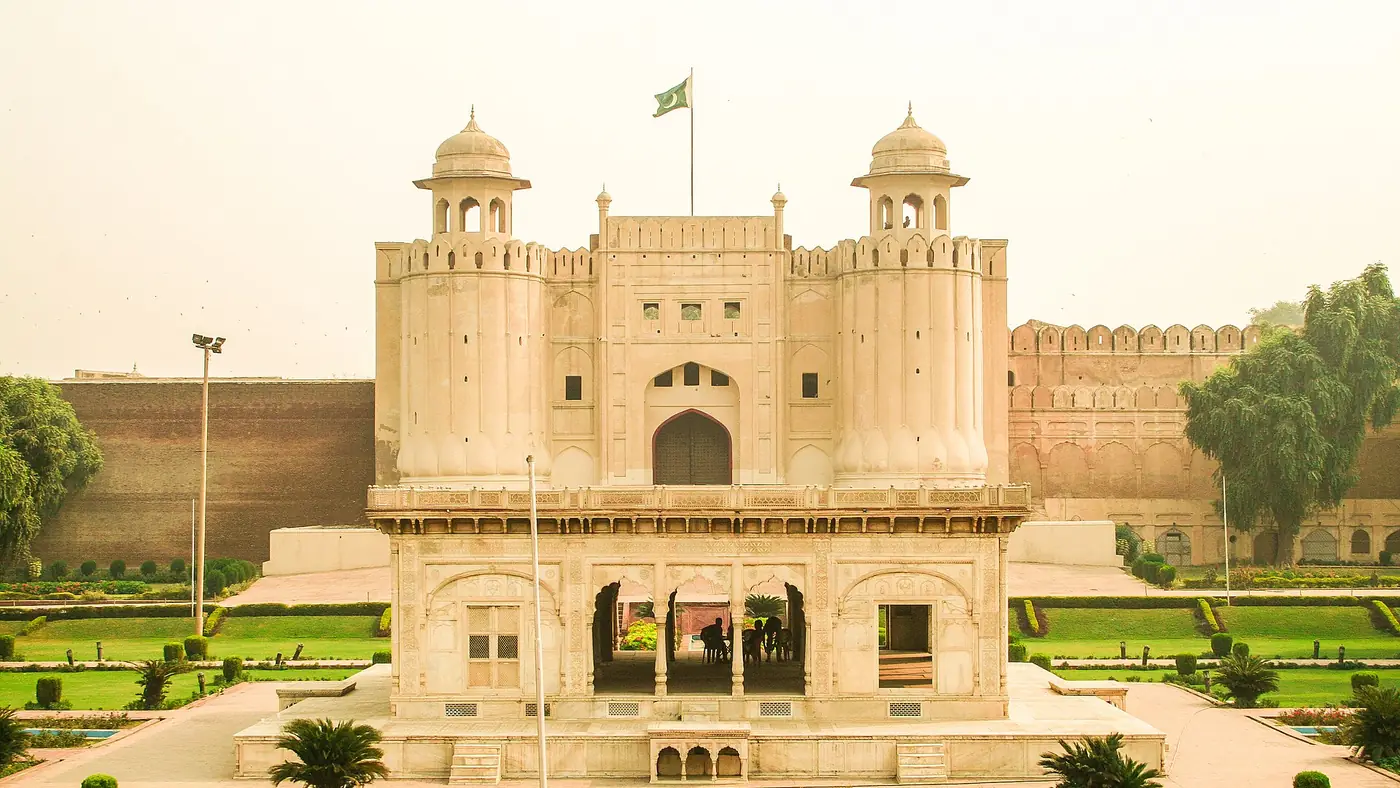
Beyond the fort's famous Sheesh Mahal and Picture Wall, the complex holds three separate museum galleries, all covered by the general fort ticket: the Mughal Museum, the Armoury Gallery, and the Sikh Museum, the last housed in the Mai Jindan Haveli, a building with Mughal origins reshaped substantially under Sikh rule. Together they add depth to a fort visit for anyone interested in the weapons, court objects and Sikh-period history behind the architecture. See our guide to the Lahore Fort ticket price for current entry costs, which cover the whole fort complex including these galleries.
Alhamra Art Gallery
Part of the wider Alhamra Arts Council complex near Gaddafi Stadium, this gallery shows paintings, sculpture and ceramics from the Lahore Arts Council's collection alongside rotating contemporary exhibitions. It is a different kind of stop from the historical museums above: worth checking if you are interested in Pakistani visual art specifically, and worth confirming current exhibitions before you go, since the display changes.
Days and hours to watch for
Several of Lahore's museums keep different weekly closures, and if you are planning to see more than one in a short trip, it's worth checking the pattern before you set out:
- Lahore Museum is closed every Friday and on the first Monday of each month.
- Fakir Khana, being a private house, works around the family's own schedule rather than fixed public hours, so confirm a specific date and time rather than turning up.
- The Lahore Fort museums follow the fort's own opening hours, which run most days of the week; check current timings when you buy your fort ticket.
- The National History Museum and Javed Manzil keep more conventional daily hours, making them easier to slot in around the others.
Planning a museum day in Lahore
Lahore Museum and the fort's galleries pair naturally in one day, since the fort and the Mall are both central and well connected. Fakir Khana and Javed Manzil sit in different parts of the city and need their own trip or appointment, so don't try to fit either into a rushed itinerary alongside the bigger sites. If museums are a priority for your visit, our Lahore itinerary can be adjusted to give them proper time rather than squeezing them between other stops.
Which museums are worth your time?
If you only have time for one, make it Lahore Museum: it is the single best introduction to the region's history and the most consistently well maintained of the group. Add the fort's galleries if you are already spending half a day there. Fakir Khana is worth the extra effort for anyone with a real interest in Sikh-era Lahore or decorative arts, but skip it if your schedule is tight, since arranging the visit takes more planning than a normal museum stop. The National History Museum suits families and anyone travelling with children who find object-heavy galleries slow going.
Frequently asked questions
What is the best museum to visit in Lahore?
Lahore Museum on the Mall, for its size, its Gandhara collection and the Fasting Buddha. It is also the easiest to visit, with no appointment needed.
Do I need an appointment for Fakir Khana Museum?
Generally yes, since it is a private family residence rather than a public museum. Contact the museum in advance rather than assuming you can walk in.
Are there museums inside Lahore Fort?
Yes, three: the Mughal Museum, the Armoury Gallery and the Sikh Museum, all included in the general fort entry ticket.
Is the National History Museum good for children?
Yes, it is designed as an interactive, digital experience with holograms and displays rather than static objects behind glass, which tends to hold children's attention better than a traditional museum.
Is entry free at Lahore's museums?
Some are. The Allama Iqbal Museum is free with donations welcomed, and the Alhamra Art Gallery is usually free. Lahore Museum, the National History Museum and Lahore Fort's galleries charge a modest entry fee.
How many museums should I plan to see in Lahore?
For most visitors, Lahore Museum plus the fort's galleries in one day gives a solid overview. Add Fakir Khana or Javed Manzil only if you have extra time or a particular interest in their collections.