
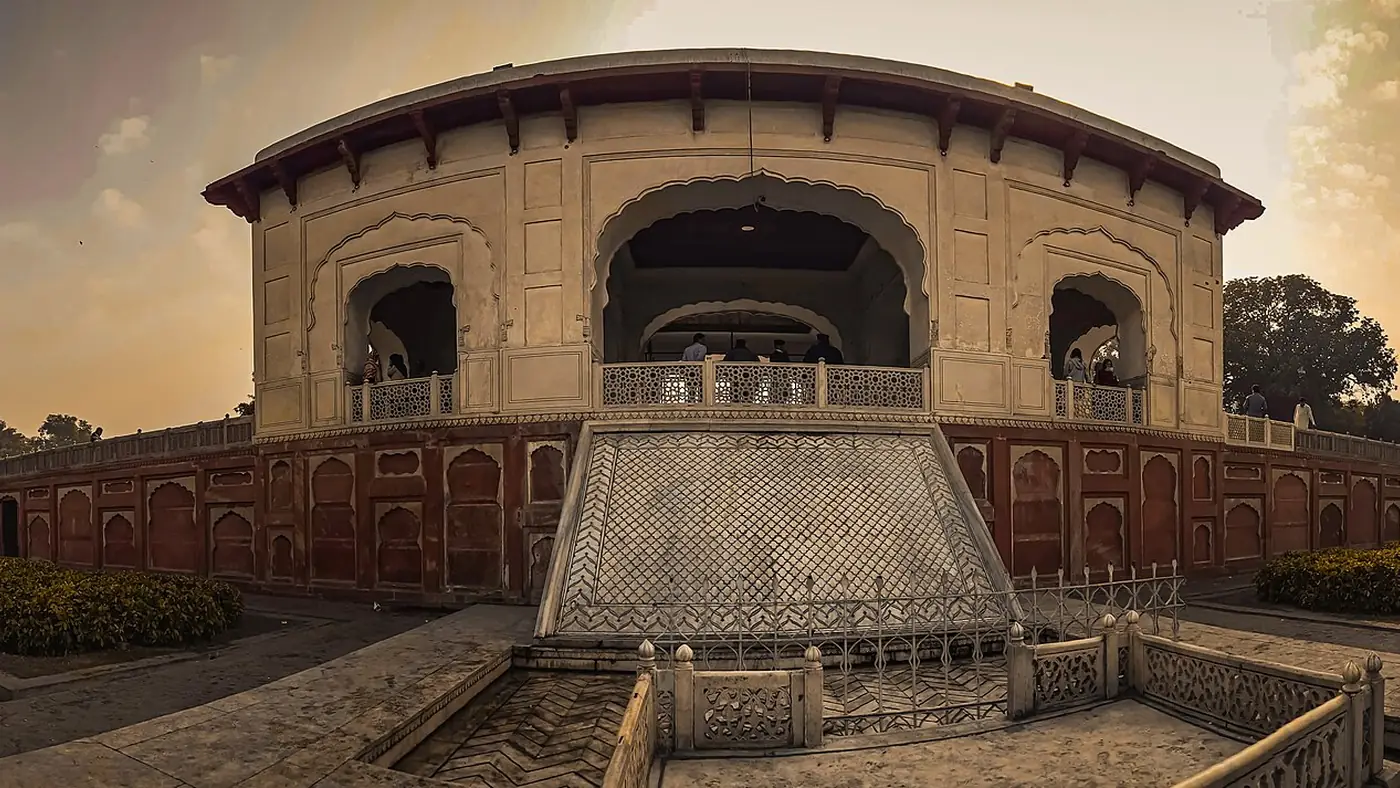
Mela Chiraghan, the Festival of Lamps, is a three-day urs held at the shrine of the Sufi poet Shah Hussain in Baghbanpura, next to the Shalimar Gardens, usually in the last week of March. Thousands of devotees come to light lamps, sing at the shrine and eat their way through a stretch of stalls along the Grand Trunk Road, and it is one of Lahore's oldest and largest public gatherings. It is a working religious festival first and a spectacle second, so visiting it well means knowing what it is before you go.
This guide covers who the mela commemorates, when it falls, what actually happens over the three days, and how to visit respectfully if you are not there as a devotee.
| At a glance | |
|---|---|
| Marks | The urs (death anniversary) of Shah Hussain (1538–1599) |
| Location | Shrine of Madho Lal Hussain, Baghbanpura, beside the Shalimar Gardens |
| When | Usually the last week of March; exact dates confirmed by the Punjab government each year |
| Duration | Three days and nights |
| Crowd | Thousands; among Lahore's largest annual gatherings |
| Entry | Free; the shrine and stalls are open to the public |
| Access | Nearest to the Shalimar Gardens and the GT Road; expect traffic and diversions nearby |
Who the festival commemorates
Shah Hussain was a 16th-century Punjabi Sufi poet, known for his kafis, whose life and companionship with a young man named Madho Lal became one of the most discussed relationships in Punjabi Sufi tradition. Accounts differ on exactly how to describe the bond between them, but they are agreed on its depth: Madho became Hussain's devoted follower and, after Hussain's death, carried on at his side for decades. When Madho himself died, he was buried beside Hussain in the same enclosure, and the shrine and the saint are still known jointly as Madho Lal Hussain.
The urs, the annual commemoration of Hussain's death, grew into Mela Chiraghan, the "Festival of Lamps," named for the central ritual of lighting lamps, or chiraghs, in his honour.
When Mela Chiraghan is held
The festival is fixed to the last week of March in most years, according to the Punjab government's own tourism department. The exact three days move slightly year to year, and Lahore's district administration typically confirms the dates and any public holiday closer to the time, so check locally rather than relying on a date fixed months in advance.
The mela was not always held every year in its current form. It was originally held inside the Shalimar Gardens itself, until President Ayub Khan's government banned that in 1958, after which it moved to the shrine grounds in Baghbanpura, where it still takes place.
What happens over the three days
The mela runs for three days and nights around the shrine, blending devotion with a full-scale fair:
- Lighting lamps. Devotees bring chiraghs to the shrine, and some throw them onto a bonfire as an offering, a ritual said to date back generations.
- Qawwali and devotional music. Singers perform through the evenings and into the night, drawing large crowds who sit through until the early hours.
- The fair itself. Stalls selling food, toys, bangles and household goods line the roads near the shrine, much as they have for well over a century, and the atmosphere is closer to a large public fair than a quiet religious observance.
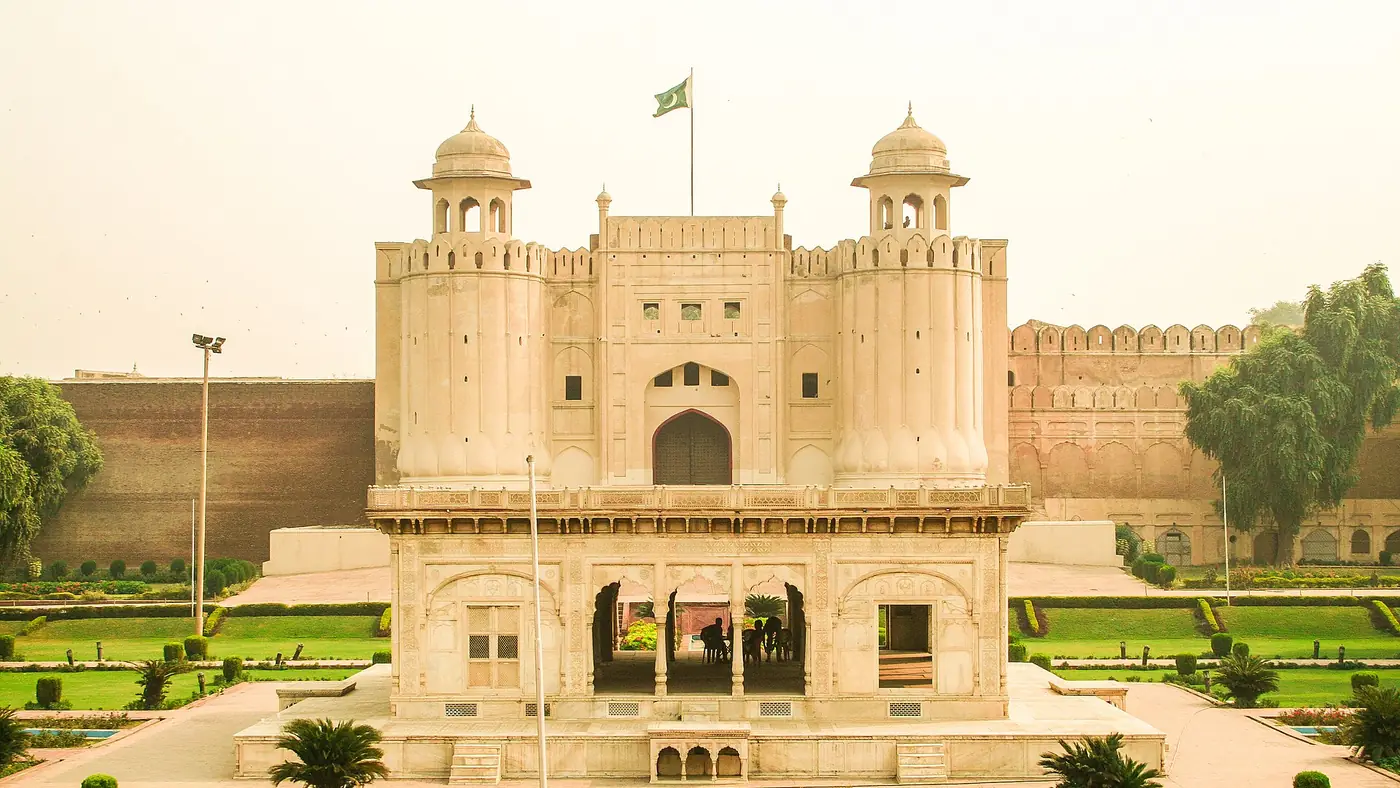
- A mixed crowd. Historically the mela drew Mughal nobility, Sikh rulers and British officials alongside ordinary Lahoris; Maharaja Ranjit Singh is recorded as having led a procession here from the Lahore Fort in the early 19th century. Today it remains open to everyone, regardless of faith.
Getting to the shrine
The shrine sits in Baghbanpura, on the GT Road on Lahore's eastern side, directly beside the Shalimar Gardens and close to the Shalamar Link Road stop on the Orange Line. During the mela itself, the roads immediately around the shrine are usually closed to general traffic and reserved for pedestrians, stalls and the emergency and security presence that a gathering of this size needs, so a car will only get you as far as the surrounding streets. Ride-hailing or a rickshaw to the nearest point the driver can reach, followed by a short walk, tends to work better than trying to park close to the shrine itself.
Many visitors combine the mela with a look at the Shalimar Gardens next door, though the gardens keep their own hours and ticketing separate from the festival; see our Shalimar Gardens guide for that side of the visit.
The mela's place in Lahore's calendar
Mela Chiraghan sits alongside a small number of other large, recurring public gatherings in Lahore, but it is distinct in being tied to a specific saint's urs rather than a civic or national date. It draws a different, larger and more devotional crowd than a typical city festival, closer in scale and atmosphere to the major urs gatherings held at Sufi shrines elsewhere in Punjab and Sindh. For a first-time visitor used to Lahore's more curated attractions, such as the fort or the gardens, it is worth arriving with that expectation set correctly: this is a living religious event that happens to also be one of the city's great public spectacles, not the other way round.
Visiting respectfully
If you are going as a visitor rather than a devotee, a few things help:
- Dress modestly, as you would at any working shrine, and be ready to remove your shoes near the grave itself.
- Expect very large crowds, especially in the evenings and on the final night. If you are uncomfortable in dense crowds, go earlier in the day or on the first of the three days.
- Traffic around Baghbanpura and the GT Road gets heavy, with local diversions during the mela. Allow extra time if you are also visiting the Shalimar Gardens next door, and check locally for road closures before you set out.
- Keep to the outer areas of the shrine courtyard if you are only observing, and follow the lead of those around you rather than pushing in for a closer view.
- Watch belongings closely in the crowds, as you would at any large public gathering.
Frequently asked questions
When is Mela Chiraghan celebrated?
It usually falls in the last week of March, over three days, though the exact dates are confirmed by the Punjab government closer to the event each year.
Where in Lahore is Mela Chiraghan held?
At the shrine of Madho Lal Hussain in Baghbanpura, immediately next to the Shalimar Gardens on the GT Road.
Who was Shah Hussain?
A 16th-century Punjabi Sufi poet, known for his kafis, whose urs the festival commemorates. His shrine is shared with Madho Lal, his close companion and spiritual successor, and the two are buried side by side.
Is Mela Chiraghan open to everyone?
Yes. It has historically drawn people of different faiths and backgrounds, and it remains open to any visitor who wants to attend, alongside the devotees who come for the urs itself.
Is Mela Chiraghan safe to attend?
It is a very large, dense public gathering, so the main risks are crowding and traffic rather than anything specific to the event. Go with a group if you can, keep valuables secure, and check local news for the current security picture before setting out, as with any major public event in Pakistan.
.jpg)