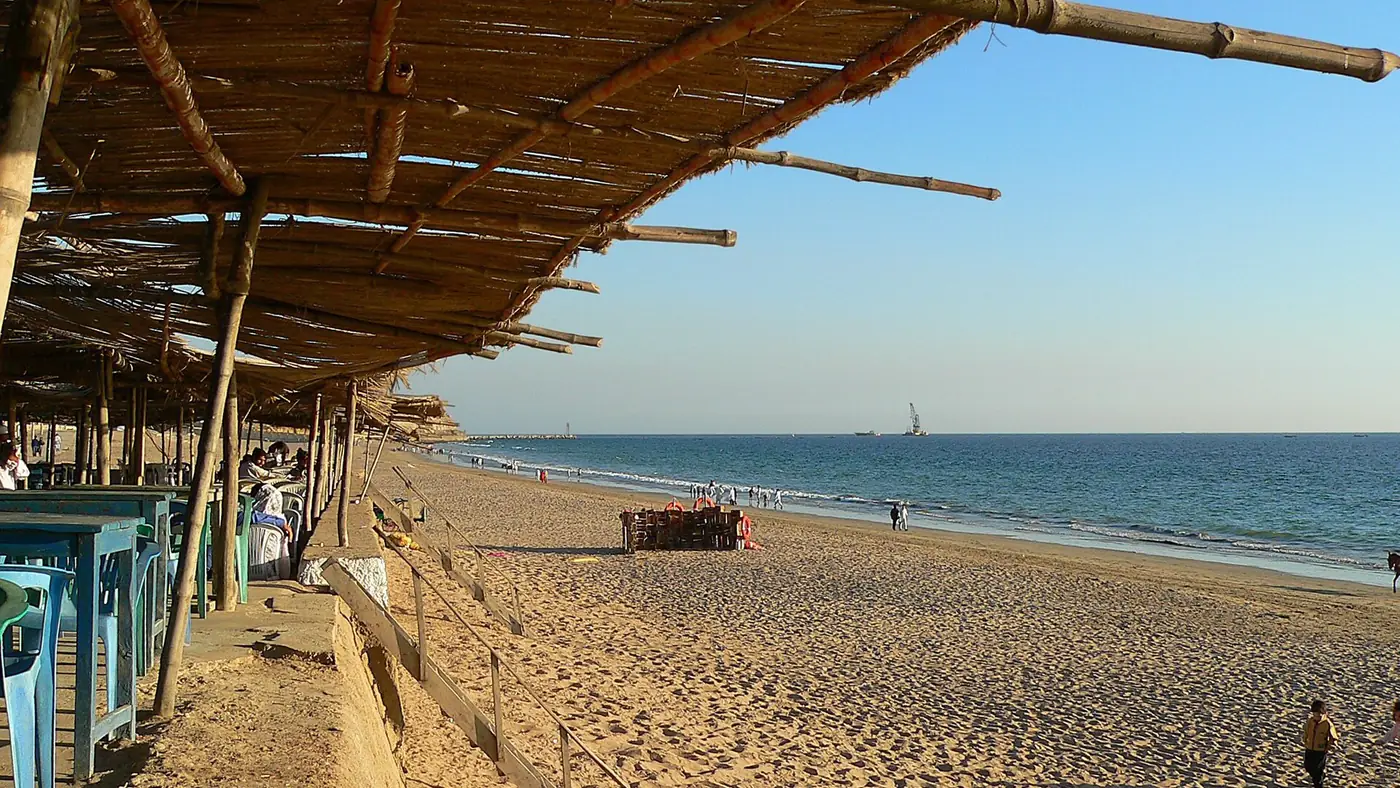
The Karachi beach ban is a Section 144 order that the city commissioner imposes most summers, prohibiting swimming, bathing and diving in the sea along parts of the coast, usually for around a month at a time. In 2026 the order covering the Keamari coastal belt, which takes in Sandspit, Hawksbay, French Beach and Mubarak Village, ran from 23 May to 22 June. Orders like it are issued nearly every year, with different dates depending on sea conditions, so anyone planning a beach trip in the hotter months needs to check current notices rather than assume the beach is open.
This guide explains why the ban happens, what it actually restricts, what is still allowed, the penalties for ignoring it, and how to plan around it.
| At a glance | |
|---|---|
| Legal basis | Section 144 of the Code of Criminal Procedure |
| Issued by | Commissioner Karachi |
| Usual period | Roughly May to August, in blocks of about a month |
| 2026 order (Keamari coast) | 23 May to 22 June |
| What's banned | Swimming, bathing and diving in the sea; sometimes wider shoreline activity |
| Penalty | Legal action under Section 188 of the Pakistan Penal Code |
Why the ban happens
Karachi's coast faces the open Arabian Sea, and from roughly May to August the southwest monsoon brings big swells, strong rip currents and rough, unpredictable water. Drownings rise sharply in this period, often among groups who have come to the beach to cool off from the summer heat and misjudge how dangerous the water has become.
The commissioner imposes Section 144, an order used for public safety measures more broadly, specifically to stop people entering the sea while conditions are at their worst. It is a response to rising drowning incidents and hazardous wave conditions, not a routine closure applied on a fixed calendar; the timing and areas covered can shift from year to year depending on how the sea is behaving.
What the ban actually covers
A Section 144 beach order typically bans:
- Swimming, bathing and diving in the sea, the core restriction in every version of the order.
- Wider shoreline recreation, in some versions, meaning gathering, activities or movement along the beach itself, not just entering the water.
It does not close the beaches themselves as a physical space in the way a lockdown would. What changes is whether you are legally permitted to go into the sea, and in the stricter versions, whether recreational activity on the sand is restricted too. Exact wording varies by year and by area, so read the specific notice for the dates you're travelling rather than assuming every order is identical.
Which areas are covered
Orders have generally covered the coastal belt in Keamari district, which includes Sandspit, Hawksbay, Turtle Beach, French Beach and Mubarak Village, since this stretch sees the heaviest beach traffic and the most drownings. Sea View at Clifton, in a different administrative area, has at times been covered by separate or overlapping notices. Because the exact areas named can differ between orders, check the current notice for the specific beach you plan to visit rather than assuming a ban announced for one part of the coast applies, or doesn't apply, everywhere else.
What is still allowed
A Section 144 sea-bathing ban does not generally stop you from:
- Visiting the beach itself, walking on the sand, and spending time there, subject to any shoreline restrictions in the specific order
- Renting or staying in a hut, since huts and their terraces are not the sea
- Eating at beachfront restaurants and food stalls, at beaches that have them, such as Sea View
- Boat trips that don't involve entering the water, though operators running snorkelling or diving trips generally stop for the season regardless, since the same rough sea that triggers the ban makes those trips unsafe anyway
What changes is simple: stay out of the water. Everything on dry land generally continues, unless the specific order says otherwise for shoreline activity too.
Penalties for breaking the ban
Violating a Section 144 order is a criminal offence under Section 188 of the Pakistan Penal Code, and police have been directed to register cases and take legal action against people who go into the sea during a ban. Local police stations are given authority to enforce the order along their stretch of coast.
Enforcement in practice varies, and the ban is not always closely policed on every part of every beach, but it is not merely a suggestion. Ignoring it carries real legal risk, on top of the far greater risk of drowning in exactly the conditions the order exists to warn people about.
How to plan around it
- Check local news or the current commissioner's notice before a summer beach trip, especially between May and August. Orders are announced through local media, and dates and areas can change with little notice.
- Don't assume last year's dates apply this year. The 2026 Keamari order ran from 23 May to 22 June; other years have had different start and end dates, and the ban has sometimes been extended if conditions stay dangerous.
- Book huts and beach days for the calmer season instead. October to March is both outside the usual ban period and simply a better time to be at any of Karachi's beaches, with calmer seas and clearer water.
- If you're at the beach during a ban, stay out of the water entirely, even paddling. The dangerous conditions that triggered the order don't respect the difference between wading and swimming.
- If you're booking a hut, ask the owner what happens if a ban is announced for your dates. Our guide to beach huts in Karachi covers what to agree in writing before you pay.
Frequently asked questions
When is the Karachi beach ban usually imposed?
Most years it falls somewhere between May and August, in blocks of roughly a month, though exact dates vary with sea conditions. In 2026 the order for the Keamari coast ran from 23 May to 22 June.
Which Karachi beaches does the ban cover?
Orders have generally covered the Keamari coastal belt, including Sandspit, Hawksbay, Turtle Beach, French Beach and Mubarak Village. Check the specific notice for the beach and dates you're planning to visit, since coverage can vary between orders.
Can you still visit the beach during a Section 144 ban?
Generally yes, for the beach itself, huts and shoreline dining, subject to any wider restrictions in the specific order. What is banned is entering the sea to swim, bathe or dive.
What happens if you swim during a beach ban?
You risk legal action under Section 188 of the Pakistan Penal Code, on top of the much greater danger of swimming in the rough monsoon conditions the ban exists to warn against.
Why does Karachi ban swimming in summer?
Because the southwest monsoon, roughly May to August, brings large waves and strong rip currents to the city's coast, and drownings rise sharply in this period. The ban is a public safety response to that risk.
Is the ban the same every year?
No. The commissioner issues a new order each time conditions warrant it, and the dates, duration and areas covered can differ from year to year. Always check the current notice rather than relying on a previous year's dates.