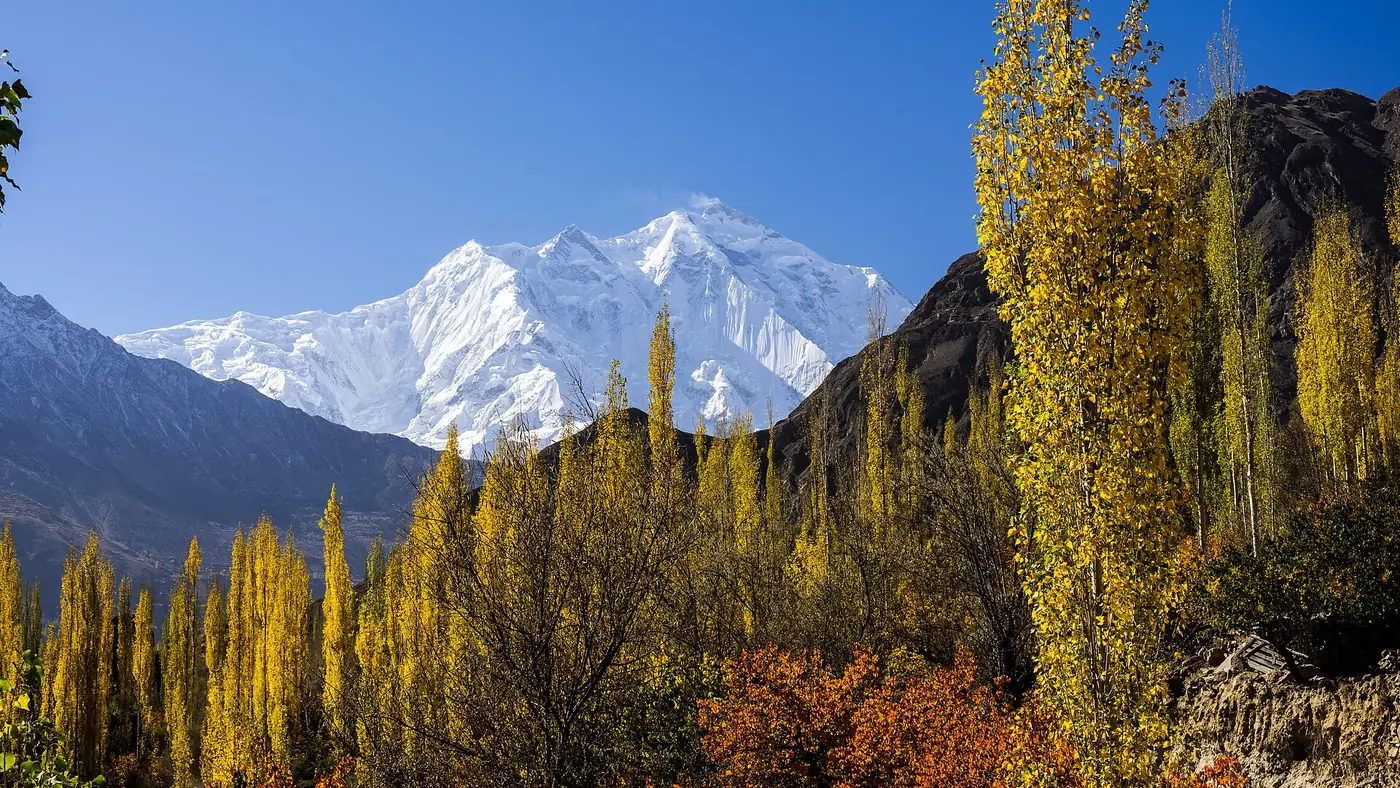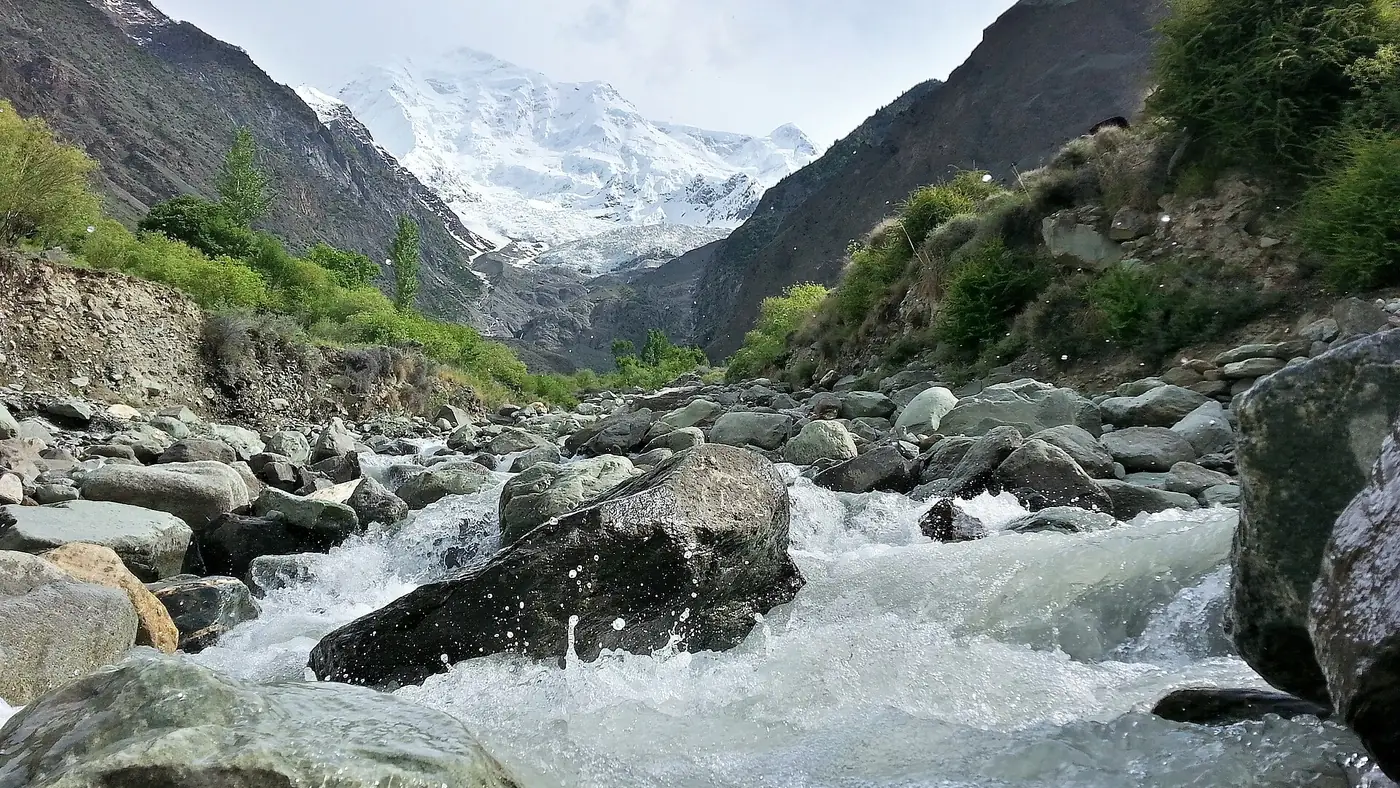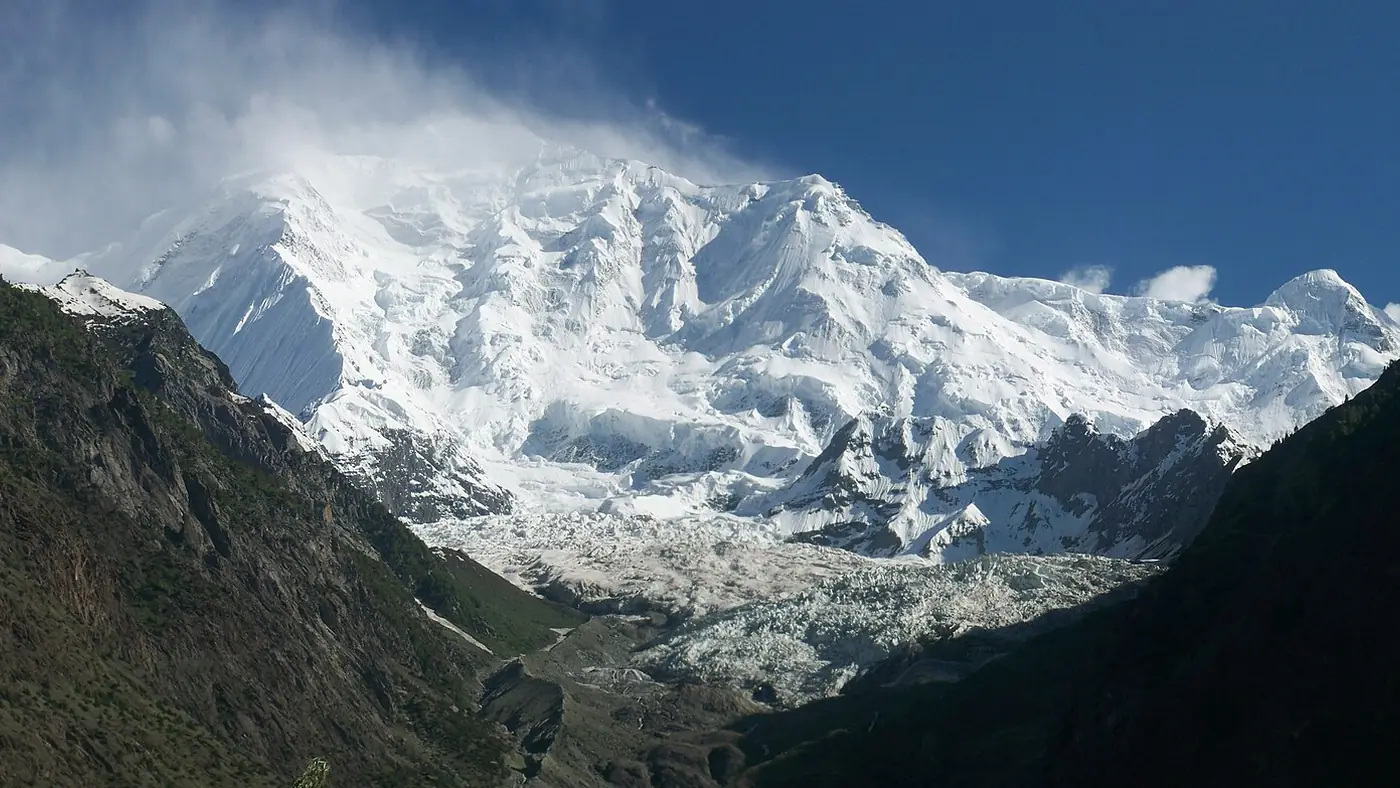
Gilgit-Baltistan during Ramadan is quieter, cheaper and easier to book than in peak season, but food during daylight hours needs more planning than at other times of year. What is open depends heavily on where you are: Hunza, with its large Ismaili population, keeps closer to its normal rhythm than Sunni-majority towns such as Chilas or Astore, where daytime dining all but stops.
This guide covers when Ramadan falls, what to expect from restaurants and hotels, and whether it is a good time to plan a trip north at all.
| At a glance | |
|---|---|
| Ramadan 2027 (expected) | Starts around 8 February, ends early March, confirmed by moon sighting |
| Eid al-Fitr 2027 (expected) | Around 10 March |
| Season in Gilgit-Baltistan | Late winter into early spring: cold, and high routes still shut |
| Hunza | Majority Ismaili; daytime dining generally continues as normal |
| Skardu, Chilas, Astore | Mostly Sunni or Shia Muslim; daytime eating in public is uncommon |
| Best approach | Book hotel meals ahead, carry your own snacks and water for the road |
When does Ramadan fall in 2027?
Ramadan follows the lunar calendar, so it moves about ten to eleven days earlier every year. In 2027 it is expected to begin around 8 February and run into the first days of March, with Eid al-Fitr following soon after, but Pakistan's Central Ruet-e-Hilal Committee only confirms the start the evening before, based on the actual moon sighting. Treat any date, including this one, as an estimate until closer to the time.
That timing matters for a trip north. Early February to early March is still deep winter across most of Gilgit-Baltistan. Deosai and the high passes are closed, and travel is largely limited to the Karakoram Highway corridor through Gilgit and Hunza. For what the season itself looks like, see our guide to Gilgit-Baltistan in winter.
Why Hunza is different from the rest of Gilgit-Baltistan
Most of Hunza's population, including Karimabad, Aliabad and the villages further up the valley, is Ismaili Muslim, a community that follows the guidance of the Aga Khan and does not observe Ramadan with the same public strictness as Sunni or Twelver Shia communities elsewhere in the region. In practice, this means cafes, restaurants and hotel kitchens in Hunza generally keep operating through the day during Ramadan much as they would at any other time of year.
Skardu, Chilas, Astore and most other parts of Gilgit-Baltistan are majority Sunni or Shia, and Ramadan is observed there in the way familiar from the rest of Pakistan: most local eateries close their doors until iftar, and eating or drinking openly on the street during fasting hours is not something locals do.
If your trip covers both, expect a noticeably different atmosphere crossing from Hunza into Chilas or down towards Skardu during the month.
What actually changes for a traveller
- Restaurant hours shift. Outside Hunza, local dhabas and restaurants that normally serve all day typically stay shut, or serve only takeaway, until the iftar call to prayer, then get busy for a few hours after sunset.
- Hotels still feed guests. Guesthouses and hotels used to tourists generally continue serving breakfast and lunch to non-fasting guests, though it may be brought to your room rather than served in an open dining area, especially in more conservative towns.
- Fewer people on the road at midday. Government offices and many shops run shorter hours, and towns are visibly quieter through the afternoon, picking up again after iftar.
- Sehri and iftar times shift daily. Both move a few minutes earlier each day through the month; ask your hotel for the local timing rather than relying on a generic app, since it varies slightly by longitude across Gilgit-Baltistan.
Should you visit Gilgit-Baltistan during Ramadan?
If your main goal is to reach Deosai, Khunjerab or Fairy Meadows, no: none of them are accessible in February or early March regardless of Ramadan. If you are happy with a Hunza-based trip along the Karakoram Highway, and don't mind fewer people around and shorter hours elsewhere, it can work well. Hotel rates are at their lowest, there are no queues anywhere, and travelling in Hunza itself changes very little.
It is a poor fit for anyone who wants to eat and drink freely on the move through Sunni or Shia areas, or who is travelling with young children who need regular daytime meals outside a hotel.
A few practical tips
- Carry water, fruit and packaged snacks in the car for the drive, since roadside stalls between towns may be closed until evening.
- Eat and drink out of sight of others in more conservative towns during fasting hours, even though you are not required to fast, as a matter of courtesy.
- Iftar itself is worth planning around: markets and food stalls come alive in the hour before and after sunset, and it is a good time to try local food.
- If you are driving, aim to be off the road and settled by late afternoon, since traffic and daylight both thin out as iftar approaches.
Frequently asked questions
Is it hard to find food in Gilgit-Baltistan during Ramadan?
Not in Hunza, where most places serve as normal. Elsewhere, hotels still feed guests, but street food and local restaurants mostly wait until after iftar, so plan meals around your accommodation rather than the bazaar.
Are non-Muslim or non-fasting travellers expected to fast?
No. Visitors are not expected to fast, but eating and drinking discreetly rather than openly in public is appreciated in towns outside Hunza.
Is Ramadan a good time for lower prices in Gilgit-Baltistan?
Generally yes. It falls in the low season, and hotel rates are typically at their cheapest, alongside quieter roads and no booking pressure.
Can I still reach Hunza and Skardu during Ramadan?
Hunza, yes, via the Karakoram Highway, which stays open through winter. Skardu's road is also usually open, but check current conditions, since Ramadan in 2027 falls in a season when snow and cold weather are the bigger factor, not the fasting month itself.