
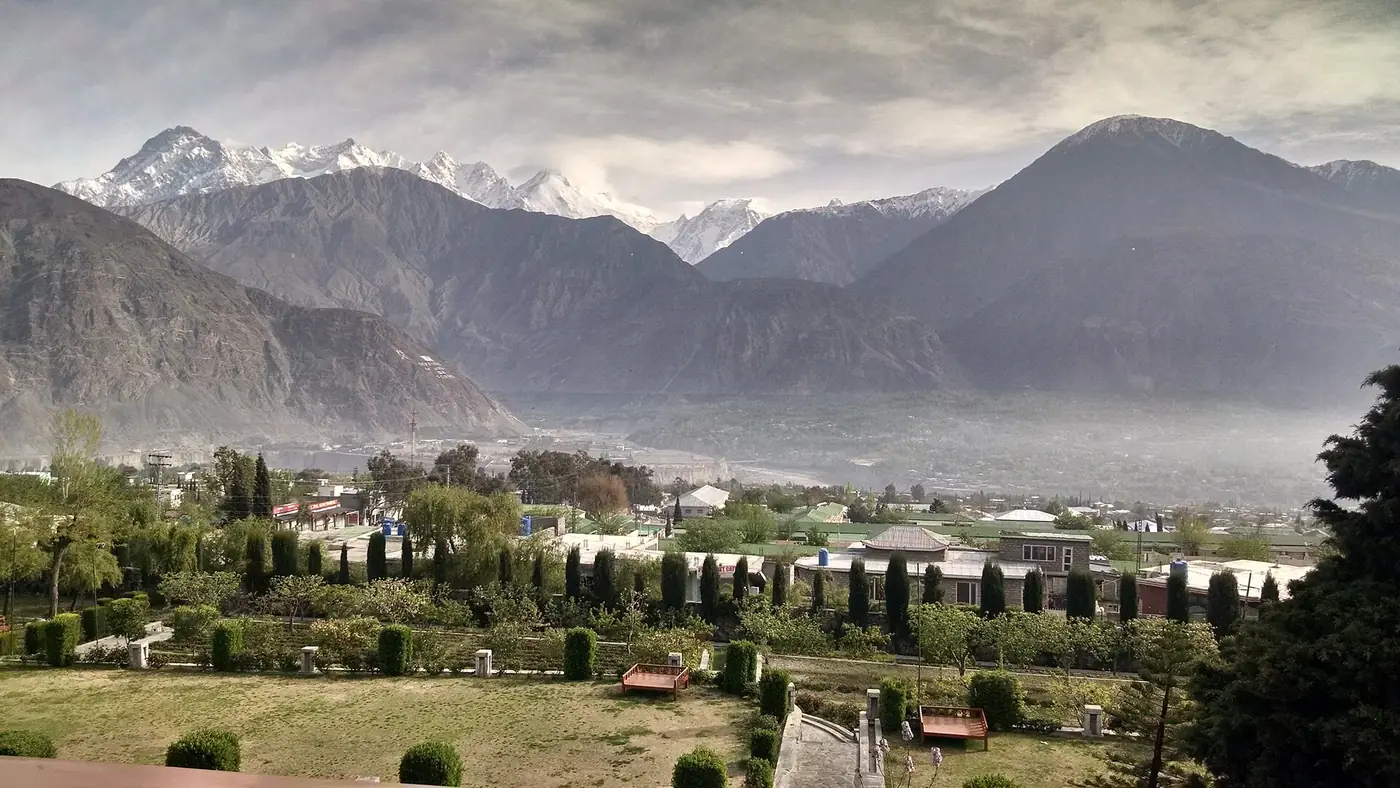

Gemstones in Gilgit are sold mostly as rough or semi-polished stones from mines across Gilgit-Baltistan, in small shops around the city's bazaars rather than in formal jewellery stores. Aquamarine, topaz, tourmaline, ruby and emerald are all mined in the region and turn up in local shops, but quality and honesty vary a lot from one seller to the next. This guide covers what is actually mined nearby, how to avoid the most common tricks, and what a fair price looks like for a first-time buyer.
What is mined in and around Gilgit-Baltistan
The region's mines, spread across valleys including Shigar, Nagar and Hunza, produce a genuinely wide range of gem material:
- Aquamarine. Gilgit-Baltistan, and Shigar in particular, is one of the world's significant sources, and it is the stone most visitors end up buying.
- Topaz, often found alongside aquamarine in the same pegmatite deposits.
- Tourmaline, in a range of colours.
- Ruby, mostly from deposits around Hunza and Nagar.
- Emerald, mined in smaller quantities than in Swat but still sold locally.
- Peridot, morganite, spinel and rutile quartz, sold in smaller amounts as curiosities or collector pieces.
Not everything sold as "local" actually is. Some shops mix in stones brought from elsewhere in Pakistan or imported cut stones, sometimes honestly labelled and sometimes not.
Where gemstones are sold in Gilgit
Gemstone shops are concentrated in Gilgit's central bazaars, alongside general jewellers and souvenir stalls. Stock and quality differ enormously between shops on the same street, so it is worth looking at more than one before buying anything of value. Treat any single shop's claim about a stone's origin or rarity as a starting point for negotiation, not a fact, and expect to bargain, as you would for any handicraft or souvenir in Pakistan.
Spotting the obvious fakes
You do not need to be a gemologist to avoid the worst mistakes:
- Look for inclusions. Natural stones almost always have small, irregular internal flaws. A stone that looks perfectly clean and flawless to the naked eye, especially at a low price, is more likely to be glass or a synthetic.
- Be sceptical of "lab certificates" from unnamed labs. A certificate from a laboratory you cannot look up, with no way to verify the report online, is worth very little. Internationally recognised labs are the only kind worth trusting for anything expensive.
- Check the price against the size and colour. A large, vividly coloured stone offered for a token price is far more likely to be dyed glass or a low-grade synthetic than a genuine bargain.
- Ask where and how it was mined. A seller who can describe the mine, the valley and roughly when it was extracted is not automatically honest, but a seller who cannot answer at all, or contradicts themselves, is a warning sign.
- Bring a small loupe if you are buying anything of value. A 10x jeweller's loupe, cheap and easy to carry, lets you look for the natural inclusions and slight colour variation that machine-made glass rarely has.
Buying at a fair price
Prices are set by negotiation almost everywhere in Gilgit, and the first price quoted is rarely the final one. A few practical rules help:
- Buy for the stone, not the story. Tales about a specific mine, a specific family or a specific find are common sales patter. Judge the stone in front of you.
- Compare a few shops before committing to anything expensive. Prices for similar rough aquamarine or topaz can vary widely between sellers.
- Treat rough stones and cut stones differently. Rough material is cheaper and harder to judge; a cut and polished stone is easier to assess for clarity and colour but costs more for the work.
- Keep purchases modest unless you know what you are doing. A small, inexpensive piece as a souvenir carries little risk. A significant sum on an unverified "rare" stone is a genuine gamble.
Is it worth buying gemstones in Gilgit?
For a modest souvenir or a curiosity piece, yes, and it is one of the more distinctive things to bring home from the region. For a serious investment in a valuable stone, treat any Gilgit shop the way you would treat an unfamiliar seller anywhere: verify what you can, buy only what you can afford to be wrong about, and get anything genuinely expensive checked by an independent gemologist once you are home.
Frequently asked questions
What gemstones is Gilgit-Baltistan known for?
Aquamarine, topaz, tourmaline, ruby and, in smaller quantities, emerald and peridot. Aquamarine from valleys like Shigar is the best known of these internationally.
Are gemstones in Gilgit genuine?
Many are, but not all. Fakes and mislabelled stones exist alongside genuine local material, so check for natural inclusions, be wary of unverifiable lab certificates, and buy from more than one shop to compare.
Can I bargain for gemstones in Gilgit?
Yes, and you generally should. The first price quoted is rarely the final one, and prices for similar stones can vary a lot between sellers.
Is it safe to buy expensive gemstones in Gilgit?
Treat it with the same caution you would anywhere unfamiliar. Buy only what you can afford to lose, and have anything genuinely valuable checked by an independent, recognised gemological laboratory once you are home.
Do I need a certificate to buy gemstones in Gilgit?
A certificate from a recognised, verifiable laboratory adds confidence for an expensive stone, but a certificate from an unknown local lab that cannot be checked online is not reliable proof on its own.