Whether to fly or drive to the northern areas comes down to one trade-off: flying takes about an hour against 16 to 24 hours to drive, but only two routes are flown, Islamabad to Gilgit and Islamabad to Skardu, and both are cancelled often enough that driving remains the default plan for most Pakistani travellers rather than a backup. The honest comparison isn't just time and money: it's whether you can afford for a flight not to go.
This guide sets flying and driving against each other on time, cost, reliability and what you see along the way, so you can decide which suits your trip.
| At a glance | |
|---|---|
| Flying, Islamabad–Gilgit or Skardu | About 1 hour, when it goes |
| Driving, Islamabad to Hunza or Skardu | Roughly 16 to 24 hours by road |
| Flights run | PIA and, on some routes, private carriers; weather-dependent |
| Main driving routes | Karakoram Highway (via Kohistan) or Babusar Pass in season |
| Best for flying | Short trips, people short on time, anyone dreading the drive |
| Best for driving | Longer trips, families with a car, anyone who wants the route itself |
Time
There's no real contest on paper. A flight from Islamabad to Gilgit or Skardu takes about an hour in the air, while driving the same distance takes the best part of a day, or two with a comfortable overnight stop. For a short trip, especially over a long weekend, flying can be the difference between a real trip and a trip spent mostly in the car.
What the hour doesn't include is the uncertainty around it. Both routes are flown only in clear weather, and a flight cancelled or delayed by cloud can turn a one-hour hop into a wait of a day or more for the next available seat. Driving takes longer by a wide margin, but a road day, barring a landslide or a closure, is a day you can actually plan around.
Cost
A driven trip in your own car costs fuel, tolls, food on the road and possibly a night's hotel partway, against a car that's largely just depreciating whether you use it or not. A flight has to be booked outright, and prices vary a great deal by how far ahead you book and how full the flight is. Neither is reliably cheaper than the other in every case: a family of four driving their own car often spends less overall than four flights booked at short notice, while a solo traveller booking early can find a flight priced close to, or even below, a long-distance bus. Our guides on fuel cost for a northern areas trip and on flights to Gilgit and Skardu go into the numbers for each option.
Driving also gives you the car once you're there, which flying doesn't. If your plan includes side trips to Naltar, Khaplu or Deosai, you'll need transport locally either way, whether that's your own vehicle, a hired jeep, or a car with a driver.
Reliability
This is where the comparison really turns. Flights to Gilgit and Skardu operate visually, meaning the pilot needs to see the mountains to fly the route, so a cloudy morning is enough to ground the whole day's schedule. Cancellations and delays are common, especially in winter, and a bad spell of weather can back up bookings for days. If your dates are fixed, a work leave or a family event you can't move, that risk needs to be built into the plan: keep a spare day either side of a flight, or don't rely on flying at all if the date truly can't slip.
Driving carries its own version of the same risk. Landslides, road construction and, in winter, snow can close the Karakoram Highway or the Babusar Pass for hours or occasionally days, and Kohistan in particular is prone to sudden blockages after heavy rain. The difference is that a road closure usually clears within a day, where a run of bad flying weather can persist for a week, and a road trip, once under way, rarely turns back partway the way a flight can be cancelled at the gate.
What you see along the way
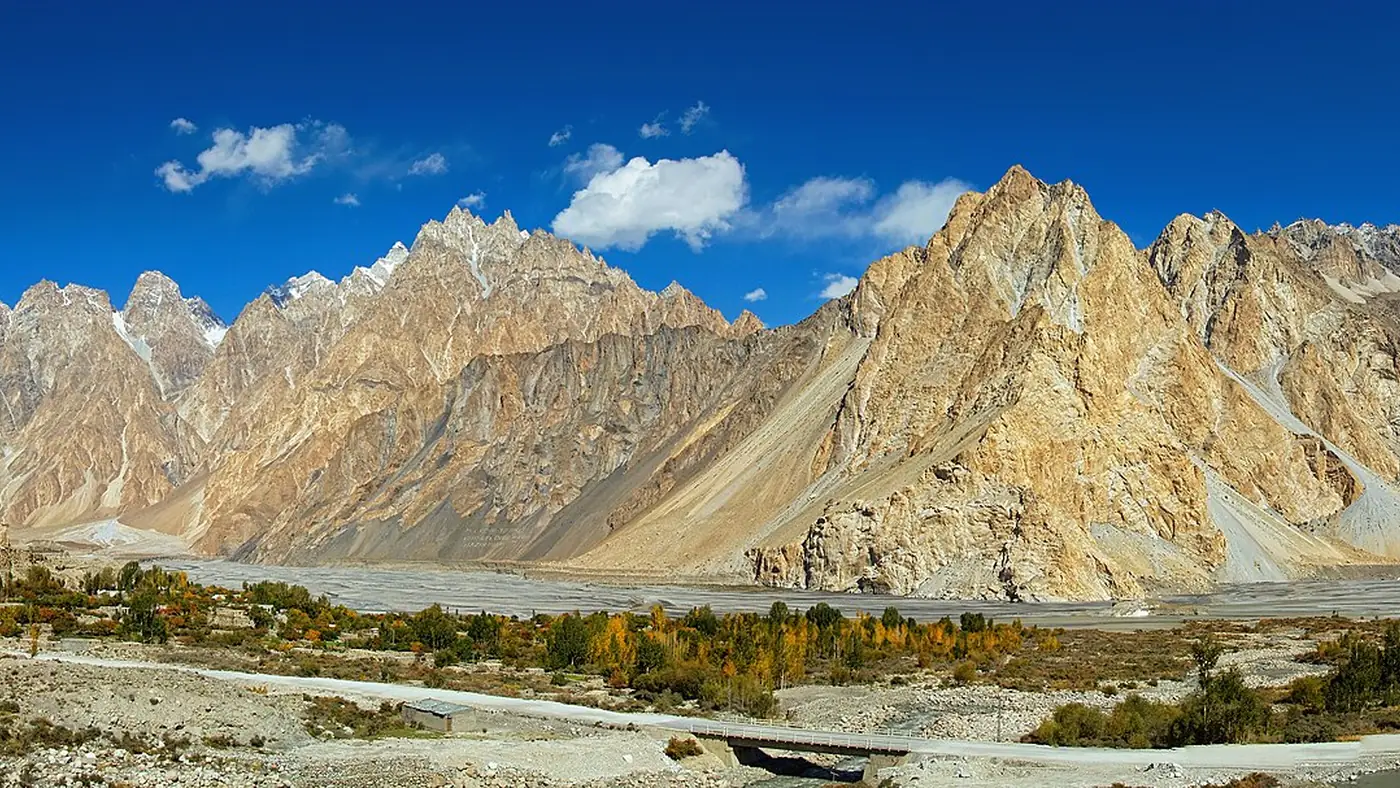
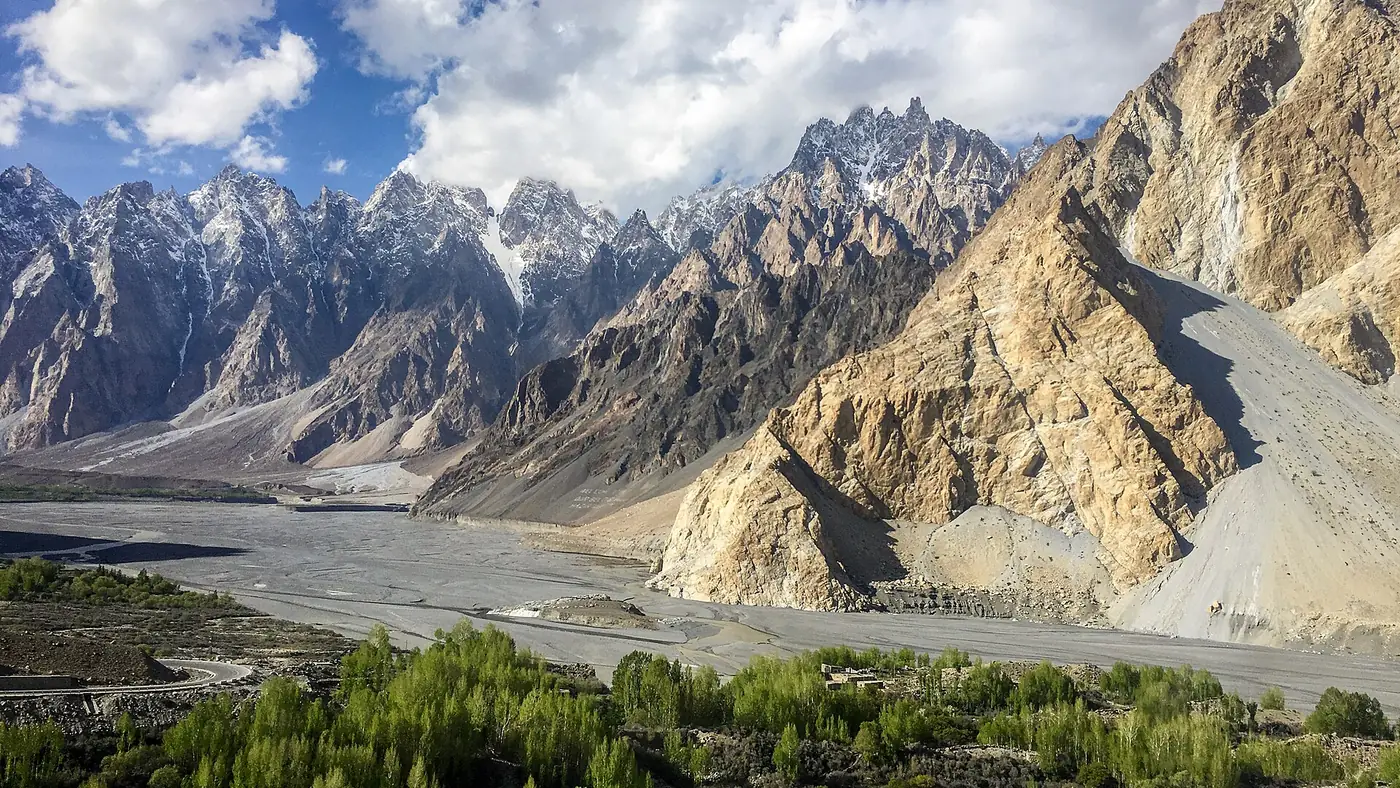
This is the one factor that has nothing to do with time or money. Flying to Gilgit or Skardu gives you a spectacular aerial view of Nanga Parbat and the surrounding peaks on a clear day, which is genuinely one of the best short flights in the world when it goes ahead. But it skips everything at ground level: Attabad Lake, the Passu Cones, the Indus gorge on the road to Skardu, the small towns and roadside stops that make up a large part of what people remember from a northern trip.
Driving turns the journey itself into part of the holiday. For travellers with limited time, that's a cost; for travellers who enjoy the drive, or who are visiting places along the route anyway, such as Naran, Chilas or the KKH viewpoints, it's the point of going by road at all.
Which suits your trip?
Fly if your time is genuinely short, if anyone in your group finds a long mountain drive difficult, or if you're happy to build in a spare day and accept the risk of a delay. Drive if you have the time to spare, want the route as much as the destination, or are travelling with a car full of people and luggage where the maths favours fuel over four or more air tickets. A middle option many families use is flying one way and driving the other, seeing the road at least once without committing both legs of the trip to it.
Whichever you choose, build in slack. A flight can be delayed by weather for several days running, and a road trip can lose a day to a landslide closure. Treat the day either side of your flight, or the last day of a road trip before a fixed commitment, as time you might not actually get to use for anything else.
Frequently asked questions
Is it better to fly or drive to Gilgit or Skardu?
It depends on your time and your tolerance for delay. Flying is far faster when it goes ahead but is cancelled often in bad weather; driving takes far longer but is more predictable once you're on the road, aside from occasional landslide closures.
How often are flights to Gilgit and Skardu cancelled?
Often enough that you shouldn't book non-changeable plans around a single flight. Both routes are flown by sight rather than instruments, so cloud cover alone can ground the day's flights, particularly in winter.
Is driving to the northern areas safe?
Yes, on the main routes, in normal conditions and with a rested driver. The Karakoram Highway and the Babusar Pass in season are the usual roads in; landslides and, in winter, snow are the main risks, so check current road status before you set out.
Is it cheaper to fly or drive?
Neither is reliably cheaper. A family driving their own car often spends less overall than several flights booked close to the travel date, while a solo traveller booking a flight well ahead can pay close to bus fare. Work it out from your own group size and how far ahead you can book.
Can I fly one way and drive the other?
Yes, and many travellers do exactly that: fly in to save time, then drive out to see the Karakoram Highway, or the reverse. It also gives you a fallback if the flight is cancelled on the day you meant to travel.