

The famous food of Punjab doesn't come from one kitchen. Lahore is known for its food streets, Multan for sohan halwa, Chiniot for kunna, Sialkot for its own take on dhaba cooking, and Khushab for dhodha. Travelling across the province means eating a different specialty in every district, and knowing what to look for before you get there is half the point.
This is a map of what to try and where, rather than a single "best of" list.
Lahore: food streets and Mughal-era cooking
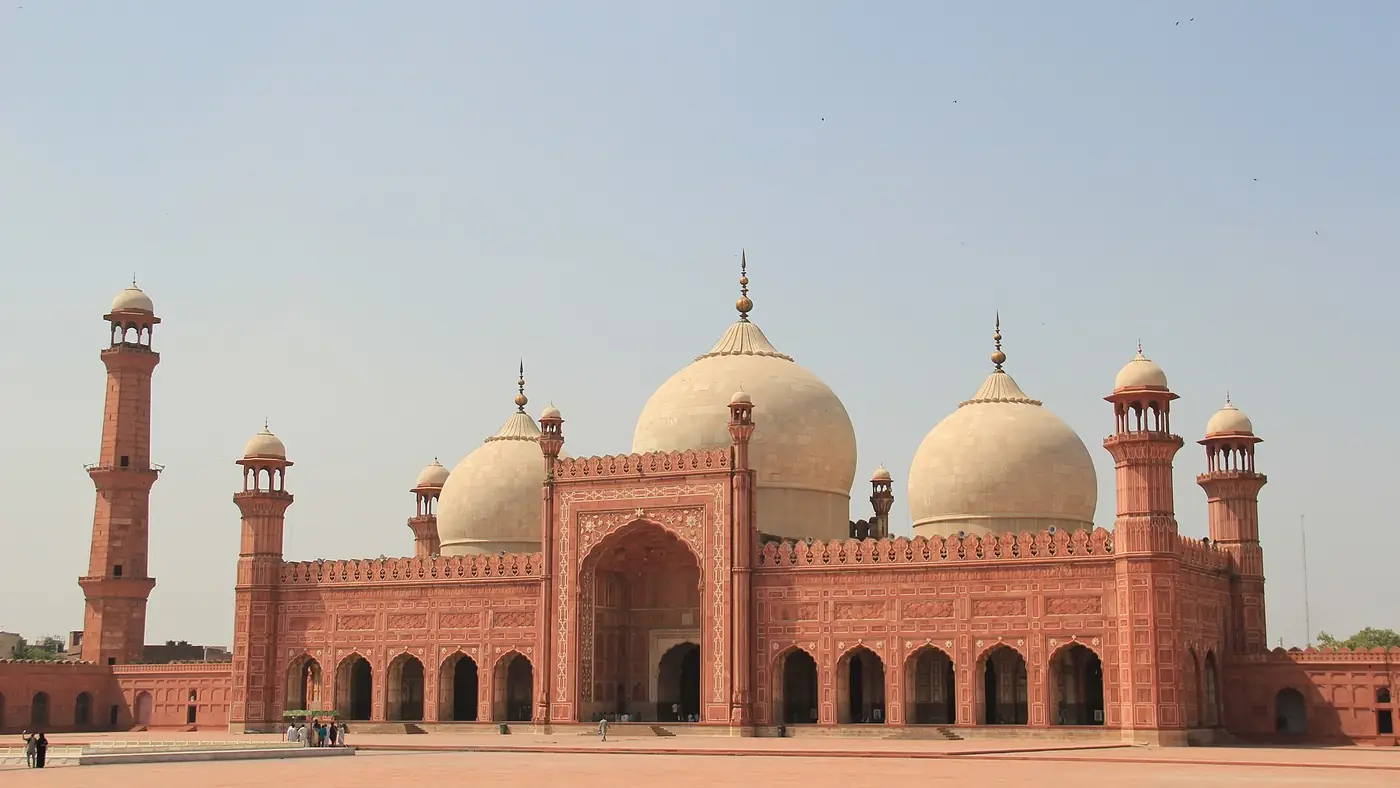
Lahore's reputation rests as much on where you eat as what you eat. Fort Road Food Street and Gawalmandi's Anarkali food area are built around this: rows of restaurants serving nihari, paya, karahi and grilled meat late into the night, in view of Badshahi Mosque from some tables. The city is also where lassi is at its most serious, thick, sweetened yoghurt drinks sold at dedicated lassi shops rather than as an afterthought.
For a fuller picture of where to eat in the city, our places to visit in Lahore guide and the Fort Road food street are worth planning around together.
Multan: sohan halwa
Multan and sohan halwa are, for most Pakistanis, the same subject. The dense, flaky confection made from milk, sugar, cornflour and ghee is sold in tins across the country, but Multan is where the trade is concentrated, with brands built entirely around it. Southern Punjab cities including Dera Ghazi Khan, Bahawalpur and Multan's own neighbourhood workshops all produce their own versions, and a Multan trip is not complete without buying a tin to take home.
Gujranwala and Sialkot: heavier, spicier cooking
Gujranwala has a reputation for rich, meat-forward food, including thick meat curries and the kind of breakfast nihari and paya that locals treat seriously. Sialkot has its own dhaba culture, with roadside stalls serving fast, spiced food to travellers on the GT Road corridor. Neither city is a tourist food destination in the way Lahore is, but both are worth stopping at if you're driving through rather than flying past.
Chiniot: kunna
Kunna gosht takes its name from the wide clay pot it's cooked in, and it comes from Chiniot, a Chenab-side town known separately for its woodwork. It's a slow-cooked mutton dish, close in spirit to nihari but with its own spice profile, made rich by hours of cooking shank meat in the clay pot until the gelatine breaks down into the gravy. It's now served well beyond Chiniot, but the dish is still named for the town it came from, and it is worth trying there if your route passes through.
Khushab: dhodha
Dhodha is a dense, chewy sweet from Khushab district in the Salt Range, made from milk reduced slowly with sugar and set with nuts. It's a specialty product rather than a dish found on every menu, sold from specific shops in Khushab town that have made it their trade for generations, and it travels well if you're carrying gifts home from a Salt Range trip.
Sarson ka saag and makki di roti: a winter dish, not a city
Unlike the others, this dish belongs to a season rather than one town. Sarson ka saag, a slow-cooked mustard-greens curry finished with butter or ghee, and makki di roti, a flatbread made from maize flour, are eaten together across rural Punjab in winter, when mustard greens are in season. You'll find it on menus at highway dhabas and in Lahore restaurants from around November through February, and it largely disappears from menus once the weather turns warm.
Breakfast: halwa puri and paye
Weekend breakfast across Punjab's cities tends to mean the same thing wherever you are: halwa puri, a combination of sweet semolina halwa, deep-fried puri bread and spiced chickpea curry, usually with pickle and yoghurt on the side. It's sold from dedicated breakfast shops that open early and often sell out well before noon on Fridays and Sundays. Paye, a slow-cooked trotter curry, is the heavier alternative for the same time slot, more common in Lahore and Gujranwala than further south. Neither is unique to one city, but both are worth timing your morning around rather than treating as an afterthought.
Falooda: a dessert found everywhere, done differently
Falooda, the cold dessert of vermicelli noodles, basil seeds, syrup and ice cream, is sold across Punjab's cities, with dedicated falooda and kulfi shops in Lahore, Gujranwala and smaller towns doing brisk trade especially in summer. There's no single city that owns it the way Multan owns sohan halwa, but it's a fixture of Punjabi street food wherever you are, and a reliable way to cool down after a hot afternoon of sightseeing.
Drinks worth trying
Alongside lassi, Punjab's roadsides run on sugarcane juice in summer and doodh patti, strong milk tea boiled with the tea leaves rather than added afterwards, in winter. Both are sold from small carts and dhabas rather than restaurants, and both are cheap enough to try at every stop on a longer drive without a second thought.
What to try where: a quick reference
| Dish | City or region | Type |
|---|---|---|
| Nihari, paya, food-street grills | Lahore | Meat, street food |
| Lassi | Lahore, and across Punjab | Drink |
| Sohan halwa | Multan | Sweet |
| Kunna gosht | Chiniot | Slow-cooked meat |
| Dhodha | Khushab | Sweet |
| Sarson ka saag, makki di roti | Rural Punjab, winter | Curry and bread |
| Falooda | Citywide, most towns | Dessert |
Eating on a Punjab road trip
If you're driving between cities rather than staying in one, the food is part of the route. Dhabas along the GT Road and the motorways serve solid, fast meals; city food streets are worth building an evening around rather than treating as a quick stop. Bring an appetite for meat-heavy, rich cooking generally, and expect fewer vegetarian options outside of saag season and the standard dal and vegetable curries most restaurants carry regardless.
If food is one reason for your trip, pair it with the sights: our seven-day Punjab road trip works through several of these towns on the way between Lahore, the Salt Range and Islamabad.
Frequently asked questions
What is Punjab's most famous dish?
There's no single answer, but nihari and karahi are the dishes most associated with Punjabi restaurant food generally, while sohan halwa is the province's best-known packaged sweet, closely tied to Multan.
Is Multan sohan halwa different from other cities' versions?
The name and reputation are strongest in Multan, where dedicated confectioners have made it for generations, though other southern Punjab towns including Dera Ghazi Khan and Bahawalpur also produce their own versions.
What should I eat if I'm only in Lahore for a day?
Head to Fort Road Food Street or the Anarkali food area for nihari, karahi or grilled meat, and try a proper Lahori lassi from a dedicated lassi shop rather than a general restaurant.
Is sarson ka saag available all year?
No. It's a winter dish, built around mustard greens that are in season from roughly November to February, and it's harder to find on menus outside that window.
What is kunna gosht and where does it come from?
It's a slow-cooked mutton dish named after the clay pot it's cooked in, originating in Chiniot in central Punjab. It's now served in restaurants beyond Chiniot but is still associated with the town.