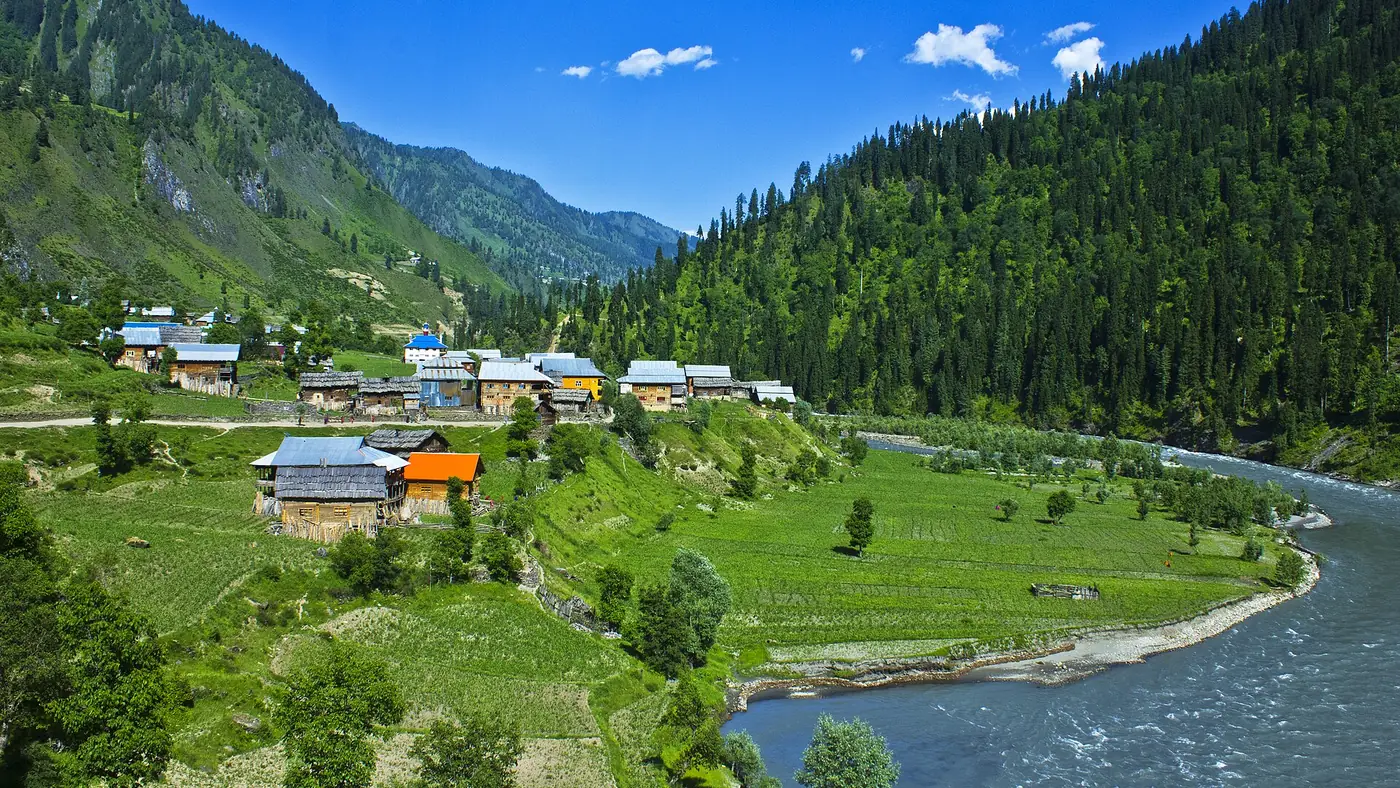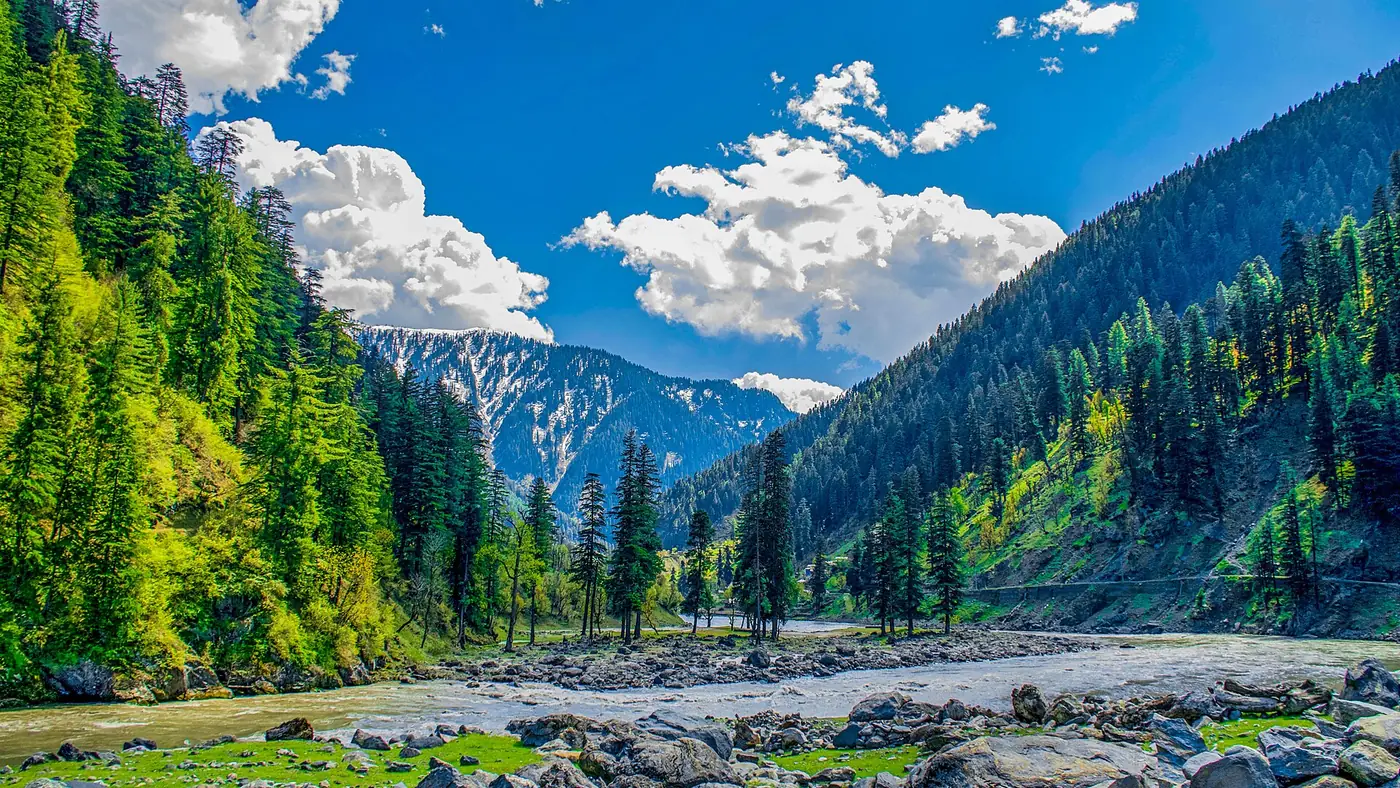
Driving in Azad Kashmir yourself is straightforward on the main roads to Muzaffarabad, Rawalakot and the lower Neelum Valley, but the roads narrow, climb and lose their barriers the further you go, and that changes how you should drive. This guide covers the habits that matter most: using engine braking on the long descents, passing safely on blind mountain bends, knowing where landslides are most likely, and planning fuel and stops so you're never driving after dark.
None of this is complicated, but it's different from motorway driving, and it's exactly what catches out first-time self-drivers from Lahore, Islamabad or Karachi.
| At a glance | |
|---|---|
| Road type | Two-lane mountain roads; single-lane jeep track beyond Kel in the upper Neelum |
| Main risks | Landslides (monsoon and after heavy rain), unlit trucks, fatigue, night driving |
| Fuel | Fill up in Muzaffarabad or Rawalakot; pumps thin out further up the valleys |
| Documents | Original CNIC for every adult, shown at checkpoints throughout |
| Emergency numbers | Rescue 1122 for ambulance and disaster response; police on 15 |
| Best driven by day | All mountain stretches; avoid driving after dusk |
Engine braking on long descents
The drives out of Muzaffarabad towards Rawalakot, Bagh or the upper Neelum Valley involve long, steady descents, sometimes for several kilometres at a time. Riding the brakes the whole way down heats them up and can fade them completely, which is far more dangerous on a mountain road than on the flat.
Drop into a lower gear before the descent starts, not partway down it, and let the engine hold most of your speed. Touch the brakes in short bursts to trim your speed rather than keeping steady pressure on. If you have an automatic, most have a manual or "L" mode for exactly this; check your car's handbook before the trip rather than working it out on the road.
Passing and mountain road etiquette
Most of these roads are single carriageway with blind bends, and oncoming buses and loaded trucks expect to be met on their side of a hairpin as often as on yours.
- Sound your horn on blind bends, as local drivers do, so an oncoming vehicle knows you're there before you see each other.
- Give way to vehicles coming uphill where the road narrows. It's harder for a loaded vehicle to stop and restart on a climb than for one coming down.
- Don't overtake on a bend or a rise. Wait for a straight stretch with a clear view, and only pass when you're certain.
- Pull over to let faster local traffic pass rather than holding up a queue on a narrow road; a small van behind you knows the road better than you do.
Where landslides are most likely
Azad Kashmir's mountain roads are prone to landslides, and the risk is highest in the monsoon months of July and August, and after any spell of heavy rain. Pakistan's National Disaster Management Authority issues landslide and flood alerts for Muzaffarabad, the Neelum Valley, Bagh and Rawalakot during heavy weather, worth checking before a trip in the wet season.
- Check the forecast the evening before, and again in the morning if rain is expected.
- If it's raining heavily, wait it out rather than pushing through a slide-prone stretch; a blocked road usually clears within hours, but driving into a moving slope does not.
- Watch for fresh debris, water on the road or stopped vehicles, signs that something has happened ahead.
- Keep a torch, a warm layer and some food in the car, in case you're stuck waiting for a road to reopen.
Fuel and where the stations thin out
Fill up in Muzaffarabad or Rawalakot before heading further into the valleys. Pumps become less frequent past these points, particularly up the Neelum Valley towards Kel, and running low on a mountain road with no signal is not a position you want to be in. As a rule, treat the last big town before a valley as your last reliable fuel stop, and top up there even if the tank isn't empty.
Night driving: don't
The single biggest change we'd ask any self-driver to make is simple: don't drive these roads after dark. Unlit trucks, missing crash barriers and rockfall are far harder to see and react to at night, and help takes longer to reach you on a mountain road than on a motorway.
Plan each day's drive so you're parked by dusk. If a landslide, a checkpoint delay or a late start means you won't make it, stop in the nearest town rather than press on. It's a cheap hotel room against a real risk.
Documents and checkpoints
Expect to stop at police and army checkpoints on the main roads into Azad Kashmir and up the valleys, more frequently the closer you get to the Line of Control. Keep the original CNIC of every adult in the car within reach, not packed in the boot, along with the vehicle's registration papers. If it isn't your car, a note from the owner saves time. Our Azad Kashmir travel tips guide covers documents and planning in more depth.
If something goes wrong
Save these before you travel, since signal can be patchy in the valleys:
- Rescue 1122 for ambulance and disaster response, dialled the same as anywhere else in Pakistan.
- Police, on 15, for accidents or checkpoint issues.
- Your hotel's number, since local staff often know about road conditions and closures before any app or website does.
Is self-driving in Azad Kashmir worth it?
For confident drivers with a roadworthy car, yes, as far as Muzaffarabad, Rawalakot and the lower Neelum Valley: the roads are paved and manageable in daylight, and having your own vehicle gives you the freedom to stop where you like. Beyond Kel, where the road becomes a jeep track, and on any stretch during heavy monsoon rain, hiring a local driver who knows the road is the better choice, particularly for families or first-time visitors to the region.
Our travel guide covers planning, altitude and packing for the rest of northern Pakistan.
Frequently asked questions
Is it hard to drive in Azad Kashmir with a normal car?
No, not on the main roads to Muzaffarabad, Rawalakot and the lower Neelum Valley, which are paved. A normal car in good condition, driven carefully, manages these roads fine in daylight.
Is it safe to drive at night in Azad Kashmir?
We advise against it. Unlit trucks, missing barriers and rockfall are much harder to see after dark, and help is slower to reach you on a mountain road.
What should I do if I meet a landslide on the road?
Stop well back, don't attempt to drive across loose or moving debris, and wait for it to be cleared. Roads are usually reopened within hours once the immediate danger has passed.
Do I need a 4x4 to drive in Azad Kashmir?
Not for the main paved roads. A 4x4 or a hired jeep becomes useful beyond Kel in the Neelum Valley, where the road turns into a single-lane track, and in winter snow.
What documents do I need to drive in Azad Kashmir?
Your driving licence, the vehicle's registration papers, and the original CNIC of every adult passenger, which you'll show at checkpoints throughout the trip.