
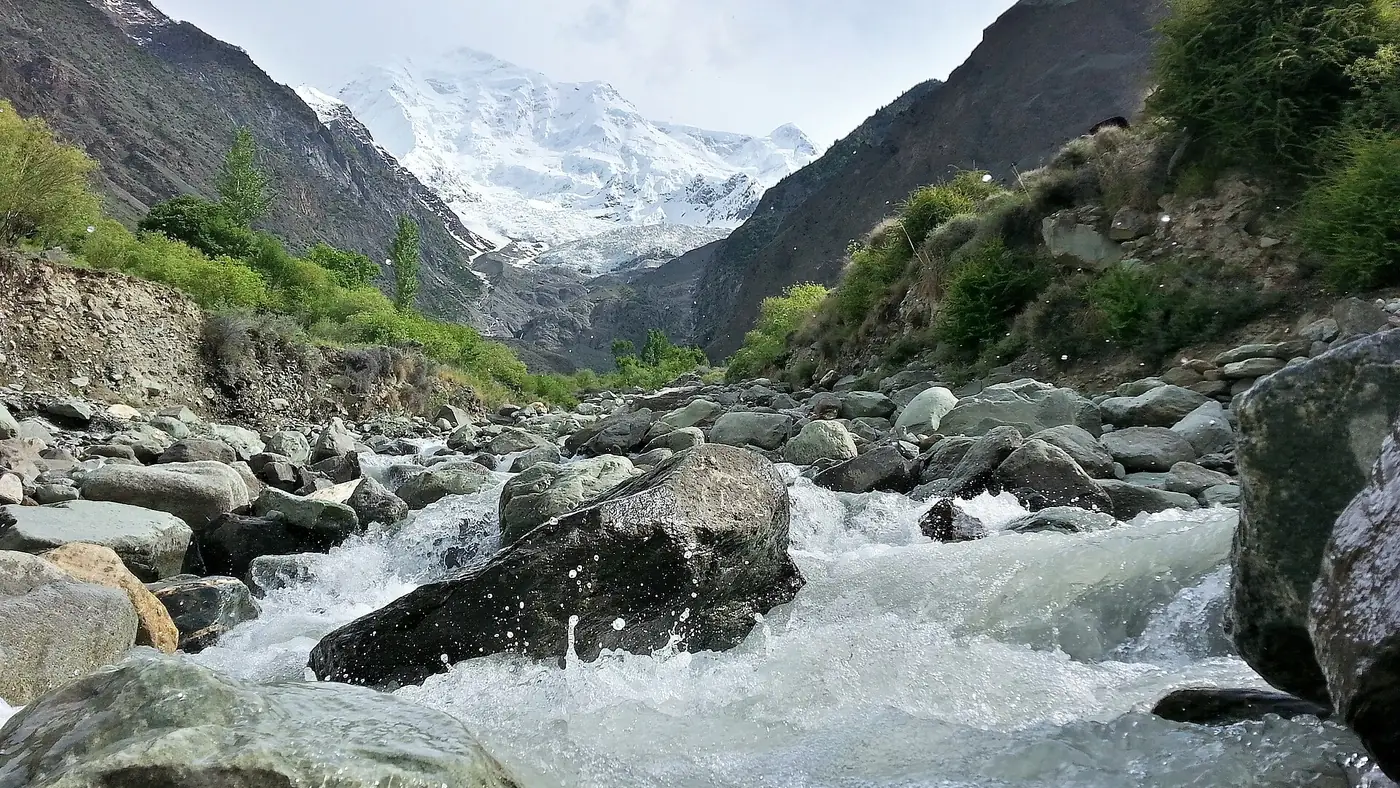
Deosai is an enormous open plateau you can see from a jeep with almost no walking, while Fairy Meadows is a forest clearing you reach on foot, with Nanga Parbat filling the view. If you only have time for one, Deosai suits a wider range of travellers and fits more easily into a Skardu trip; Fairy Meadows takes more effort but rewards it with a view very few other places in Pakistan can match.
Here is how they compare, and which one fits your trip.
| At a glance | Deosai | Fairy Meadows |
|---|---|---|
| What it is | A vast high plateau, the second-highest in the world | A forest clearing below Nanga Parbat |
| Altitude | About 4,114 metres | About 3,300 metres |
| How you get in | By jeep or 4x4, road all the way | Jeep to Tato, then on foot or by jeep on a rough track |
| Effort required | Low; mostly a scenic drive | Moderate; a walk or a hair-raising jeep ride is involved |
| Open season | Roughly June to late October | Roughly May to October |
| Typical visit | Day trip or one night from Skardu | One or two nights, arriving from Raikot Bridge |
What each place actually is
Deosai National Park is a rolling, largely treeless plateau at around 4,114 metres, the second-highest plateau of its kind in the world, reachable by road from Skardu. Once the snow clears for the season, usually by mid-June, it opens into wide grassland dotted with wildflowers, streams and small lakes, with a real chance of spotting the Himalayan brown bear. There is very little walking involved beyond stepping out of the vehicle at viewpoints; the experience is the drive and the openness of the landscape itself.
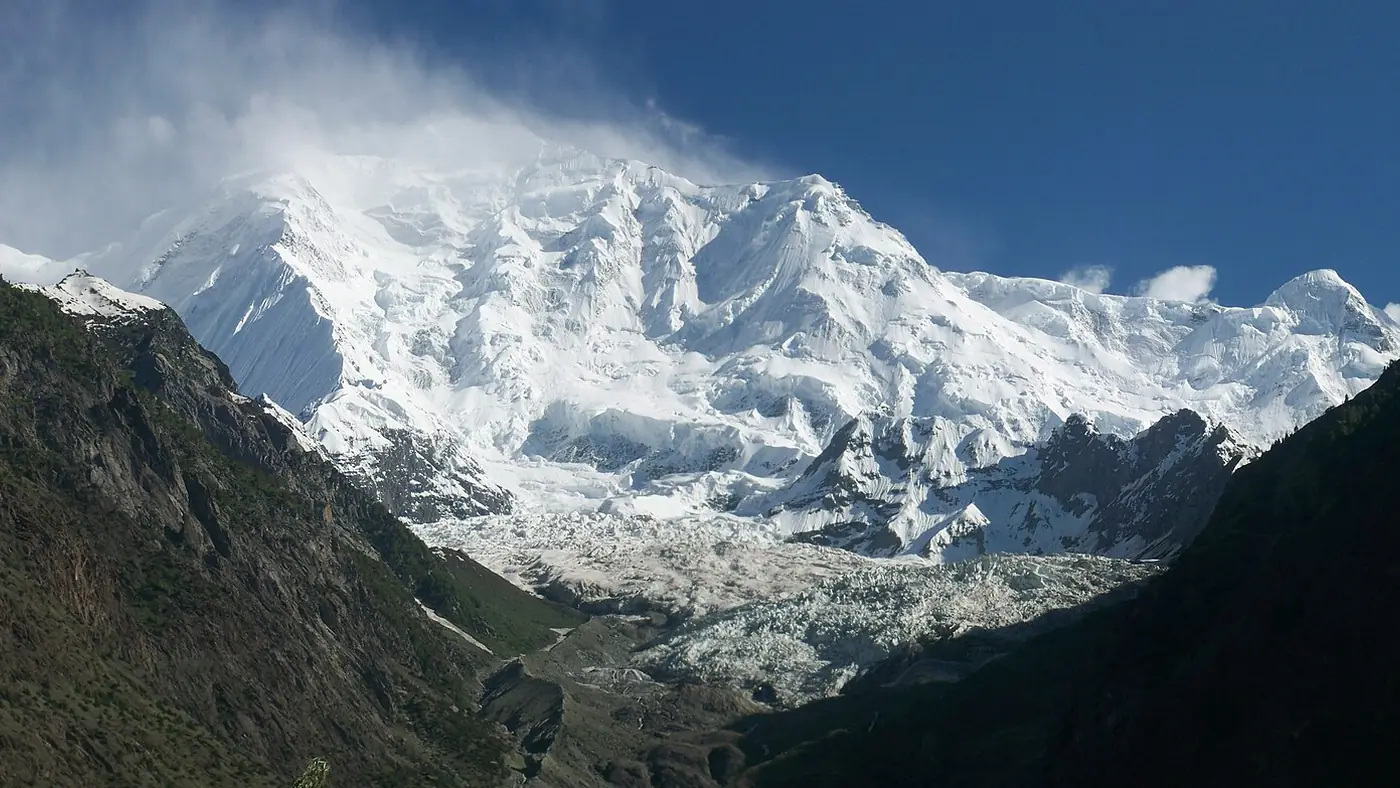
Fairy Meadows is a forest clearing at around 3,300 metres on the flank of Nanga Parbat, the ninth-highest mountain in the world. Getting there means a jeep ride from the Karakoram Highway up to Tato village on one of the more exposed roads in the region, then a walk of a few hours through pine forest to reach the meadow itself. What you get at the end is Nanga Parbat rising directly above the campsite, with no plateau or distance softening the scale of it.
Effort and access
Deosai asks little of you physically. You drive in, most of the sightseeing happens from or near the vehicle, and short walks to the edge of a lake or a viewpoint are about as demanding as it gets. It suits families, older travellers and anyone short on time.
Fairy Meadows asks more. The jeep track from Raikot Bridge to Tato is narrow, exposed in places and not for anyone nervous about mountain roads, and from Tato it is a walk of a few hours uphill through forest to reach the meadow, since vehicles cannot go all the way. It is manageable for most reasonably fit people, including children who walk comfortably, but it is not a place to arrive tired or unprepared.
Scenery: open plateau versus a single mountain
The two views could not be more different. Deosai's appeal is scale and openness: grassland running to the horizon in every direction, with distant peaks as a backdrop rather than the main subject. Fairy Meadows is the opposite: a single, enormous mountain filling the sky directly above a small clearing, with the forest closing in around it.
Neither is better; they are different kinds of dramatic, and travellers who have done both tend to remember them for different reasons.
Where you stay
Skardu is the usual base for Deosai, with the plateau itself offering only basic camping and a handful of simple huts; most visitors do it as a long day trip or add one night camping if the weather is settled. Our Skardu and Deosai tour builds the plateau into a longer Baltistan trip.
Fairy Meadows has a cluster of simple guesthouses and campsites at the meadow itself, and most people stay at least one night to see Nanga Parbat at sunrise, when the light on the summit is usually at its best.
Season: when each one is open
Deosai is only accessible roughly from June, once the snow clears, to late October, when it closes again; outside that window the road is blocked. Fairy Meadows has a longer window, roughly May to October, since it sits lower and the jeep track and trail are less snow-dependent, though the meadow itself is still cold outside summer.
Which to choose
If you are short on time, travelling with young children or older relatives, or already basing yourself in Skardu, Deosai is the easier and more flexible choice. If you have the extra day, are reasonably fit, and want a single, close-up mountain view rather than an open landscape, go to Fairy Meadows.
If your schedule allows it, doing both on the same broader trip north is entirely possible, since they sit in different parts of Gilgit-Baltistan and are usually visited from different bases.
Frequently asked questions
Can I visit both Deosai and Fairy Meadows on one trip?
Yes, but not on the same day. They are reached from different directions, Deosai from Skardu and Fairy Meadows from the Karakoram Highway near Raikot Bridge, so plan them as separate legs of a longer trip.
Which is easier for children or older travellers, Deosai or Fairy Meadows?
Deosai. It is reached by vehicle with little walking, while Fairy Meadows requires a jeep ride on an exposed track followed by a multi-hour walk.
Is Fairy Meadows worth the walk?
For most people, yes. Nanga Parbat seen directly from the meadow, especially at sunrise, is one of the most striking mountain views in Pakistan, and the walk itself is manageable for anyone reasonably fit.
Which is open for longer in the year, Deosai or Fairy Meadows?
Fairy Meadows has the longer season, roughly May to October, against Deosai's roughly June to late October, since Deosai sits higher and holds snow for longer.
.jpg)