Chitral town, at about 1,500 metres, has hot, dry summers and cold, wetter winters. Looking at Chitral weather by month, average highs run from about 9°C in January to 36°C in July, nights drop just below freezing in midwinter, and most of the year's rain and snow falls between December and May, with March the wettest month. The Kalash valleys are a few degrees cooler than the town, Upper Chitral is cooler again, and Shandur is cold even in July.
This guide gives the monthly averages for Chitral town, explains how to adjust them for the valleys around it, and covers what each season feels like, the weather risks, and what to pack.
Chitral town: monthly averages
These are long-term averages for the weather station in Chitral town, from official records for 1971 to 1990 published by the US National Oceanic and Atmospheric Administration. Individual years vary, and a hot spell can push July well past the average.
| Month | Average high | Average low | Rain and snow |
|---|---|---|---|
| January | 9°C | -1°C | 38 mm |
| February | 10°C | 1°C | 64 mm |
| March | 15°C | 4°C | 97 mm |
| April | 23°C | 9°C | 72 mm |
| May | 28°C | 13°C | 44 mm |
| June | 34°C | 18°C | 5 mm |
| July | 36°C | 20°C | 5 mm |
| August | 34°C | 19°C | 8 mm |
| September | 31°C | 13°C | 7 mm |
| October | 25°C | 7°C | 16 mm |
| November | 19°C | 3°C | 20 mm |
| December | 12°C | 0°C | 39 mm |
The year's total is about 415 mm, roughly two-thirds of it between January and April. June to September are almost dry, and June and July are also the sunniest months. Drosh, further down the valley at about 1,360 metres, is a little hotter and noticeably wetter: its July high averages close to 37°C, and March and April bring more than 100 mm of rain each.
How the Kalash valleys and Upper Chitral differ
We could not find reliable long-term records for the Kalash valleys or most of Upper Chitral, so the practical way to judge them is by height. As a rule of thumb, the air cools by about 6.5°C for every 1,000 metres you climb.
- The Kalash valleys. Bumburet lies at around 2,000 to 2,300 metres, several hundred metres above Chitral town. Expect days a few degrees cooler than the town, cooler nights, and more snow in winter.
- Garam Chashma. Also well above the town, at the head of the Lutkoh valley, with cold nights for much of the year.
- Booni and Mastuj. Booni sits at about 2,100 metres and Mastuj at about 2,360, so they run cooler than the town by roughly the same margin as the Kalash valleys or a little more. Summer days are still warm, and winter is long and hard.
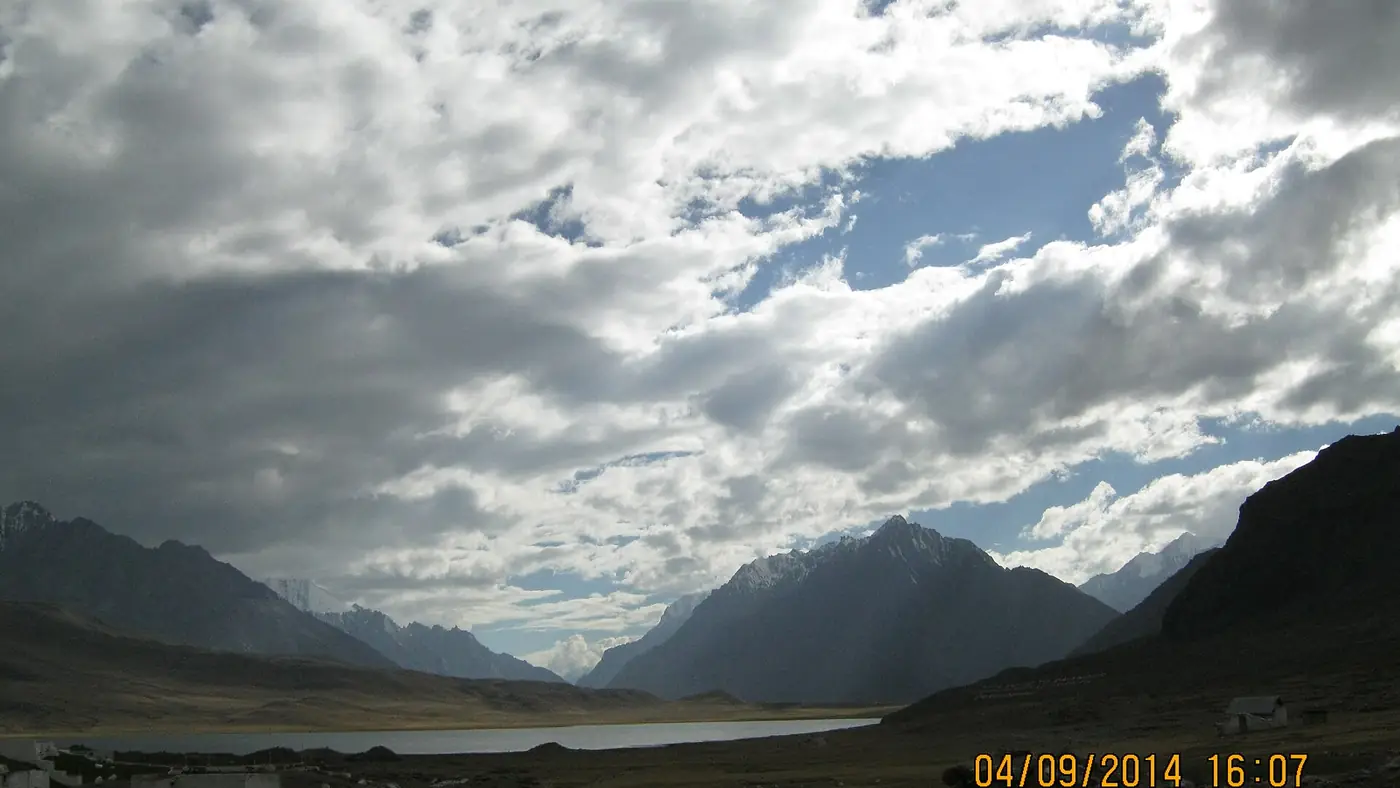
- Shandur and Broghil. The Shandur plateau is at about 3,700 metres, more than 2,000 metres above the town, and well over 10°C colder. Nights near freezing are possible even in summer, and snow covers it from late autumn to late spring.
Winter: December to February
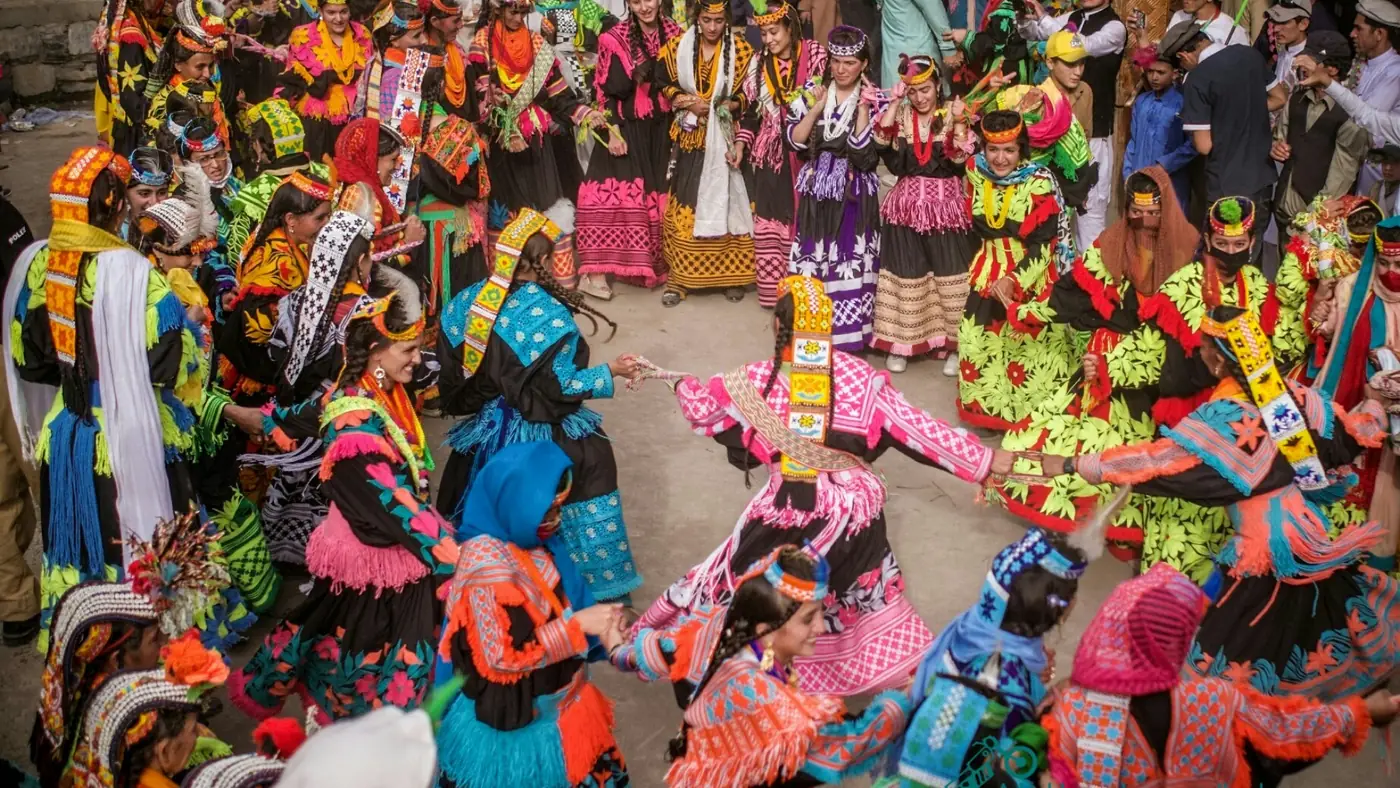
December averages 12°C by day and around freezing at night in the town. Snow is possible in the town and more likely in the side valleys, where the Kalasha hold the Chaumos festival around the solstice.
January is the coldest month, averaging about 9°C by day and just below freezing at night. Snow in the town is normal, and in the Kalash valleys and Upper Chitral it falls more heavily and lies longer.
February is still cold, with only a degree or two more warmth, and it is noticeably wetter than January. Heavy snow on the approaches to the Lowari tunnel can hold traffic for hours at this time of year.
Spring: March to May
March is the wettest month, with close to 100 mm of rain in the town from spring storms, and snow still on the higher ground. Days warm to around 15°C, but it is a grey, unsettled month.
April warms quickly, to about 23°C by day, though it is still wet. Blossom comes to the lower valleys, and the Kalash valleys and Upper Chitral are chilly in the mornings.
May is the first settled month: about 28°C in the town, far less rain, and green fields. The Kalash valleys are comfortable, and it is Chilam Joshi month. High ground towards Shandur can still be under snow.
Summer: June to August
June is hot and almost dry in the town, averaging 34°C. The valleys above 2,000 metres are pleasant, and the road over Shandur becomes dependable.
July is the hottest month, averaging about 36°C in the town and 20°C at night. It is the time to be in the Kalash valleys, Garam Chashma or Upper Chitral rather than the bazaar at midday. Chitral gets very little monsoon rain, but July and August are the flash-flood months.
August is a shade cooler than July and just as dry in the town, with the same flood risk in the side valleys and on the Mastuj road.
Autumn: September to November
September is many people's favourite: still hot by day in the town, about 31°C, but drier and sunnier than spring, with nights cooling to around 13°C. It is also the last full month of easy access to Shandur.
October is mild and dry, about 25°C by day and 7°C at night, with autumn colour in the poplars and walnuts. Upper Chitral turns cold at night, and early snow can close the high roads.
November brings the first real cold: about 19°C by day and close to freezing at night in the town, and colder still in the upper valleys.
Weather risks: heat, floods and snow
Heat. Chitral town in June, July and August is hotter than most visitors expect from the north. Plan outings for the morning, and spend afternoons higher up.
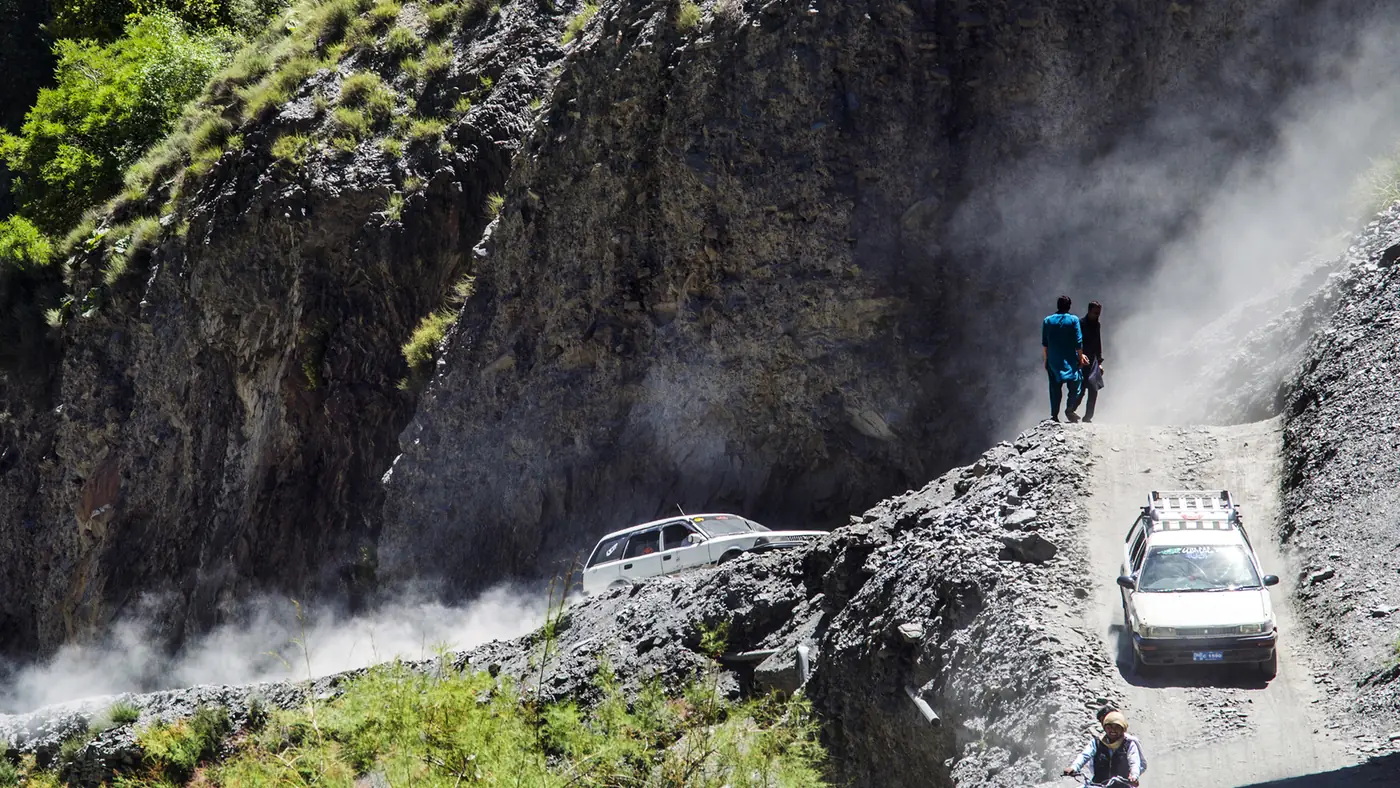
Flash floods. Glacier melt and summer storms cause floods in July and August. Bumburet was badly damaged in 2015, and in early August 2026 a glacial lake outburst and cloudbursts cut the roads to Peshawar and Shandur and killed two people. Keep a spare day in summer plans, and see our guide to Chitral road conditions for how to check before driving.
Spring storms and landslides. March and April rain brings slips on the mountain roads.
Snow. From December to February, snow can close the side-valley roads for days and hold traffic at the Lowari tunnel; our Lowari tunnel guide covers winter crossings.
What to pack
- June to August: light cotton for the town, sun hat, sunglasses and sunscreen, plus a fleece for evenings in the Kalash valleys and a warm jacket for Upper Chitral or Shandur.
- April, May, September and October: layers. Warm days, cool evenings, and properly cold nights higher up. A light waterproof in spring.
- November to March: full winter clothing, with a down jacket, hat, gloves and warm boots. Guesthouses in the valleys can be cold indoors, so ask about heating when you book.
- Any time of year: modest clothing that covers arms and legs, as you would wear anywhere in Chitral.
Which month suits you?
For warm days without the worst of the heat, choose May, late September or October. For the high country of Upper Chitral and Shandur, choose July to September, and accept a hot town and some flood risk. For snow and empty valleys, go in January or February, with warm clothes and a spare day for the roads. March is the month to avoid unless you don't mind rain.
Our guide to the best time to visit Chitral weighs up festivals, road openings and crowds, and our seasons page compares Chitral with the rest of the north.
Frequently asked questions
What is the hottest month in Chitral?
July, when Chitral town averages about 36°C by day and 20°C at night. The Kalash valleys and Upper Chitral are several degrees cooler.
Does it snow in Chitral town?
Yes. Snow is usual in the town in January and February, and it falls more heavily and lies longer in the Kalash valleys and Upper Chitral.
What is the wettest month in Chitral?
March, with close to 100 mm of rain and snow in the town. June to September are almost dry.
How cold is Chitral in winter?
January averages about 9°C by day and just below freezing at night in the town. The side valleys and Upper Chitral are colder still.
Is it cold at night in Chitral in summer?
Not in the town, where July nights average about 20°C. The Kalash valleys and Upper Chitral are cooler, and at Shandur nights can be close to freezing even in July.
Is Chitral safe to visit?
Pakistani visitors travel to Chitral throughout the season, but the UK advises against all travel on the N-45 through Dir to the edge of Chitral city and in the Kalash valleys, after attacks in Swat and Upper Dir in August 2026. Check local news and police advice before you go; overseas visitors should check their own government's advice, which can affect travel insurance.
What is the weather like in the Kalash valleys?
A few degrees cooler than Chitral town, because the villages sit several hundred metres higher. Summers are warm and pleasant, and winters bring heavy snow.