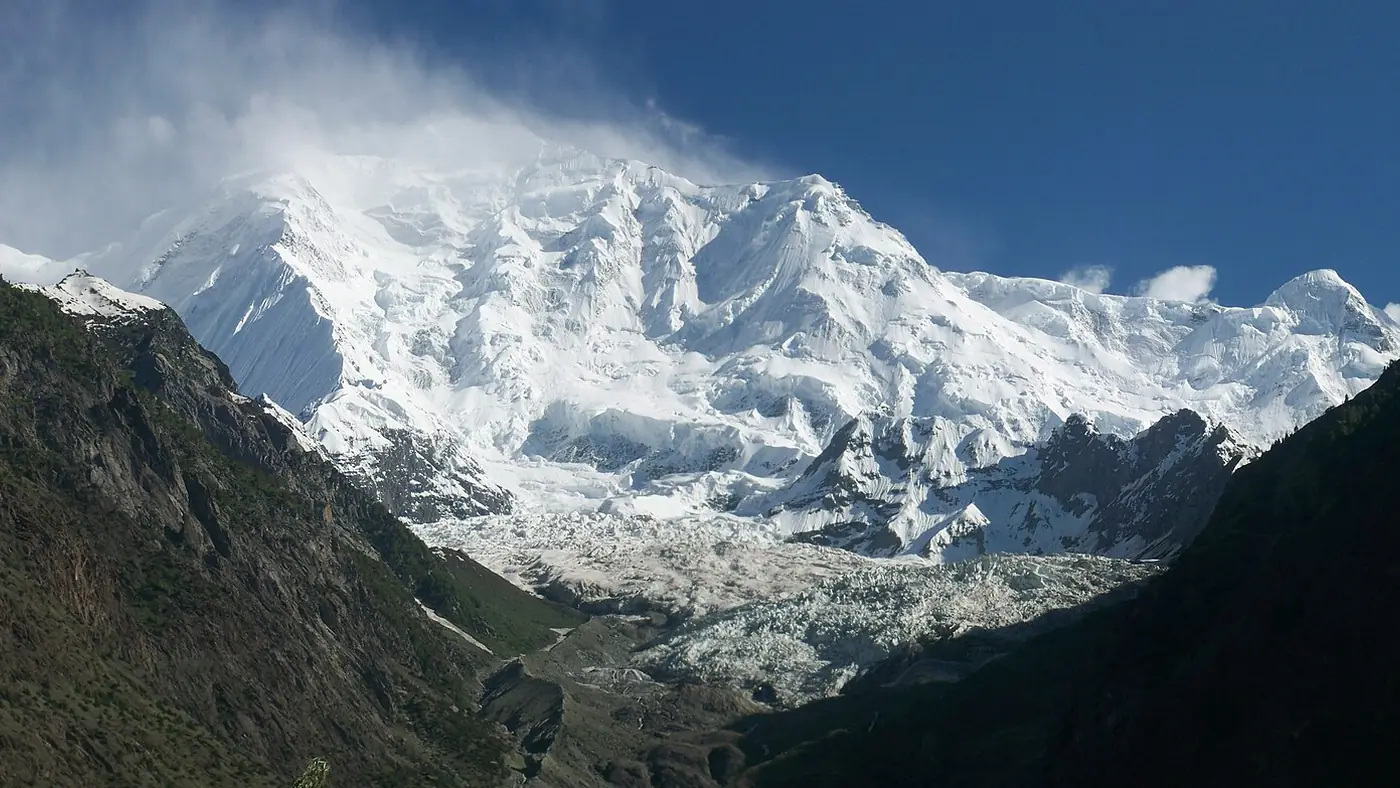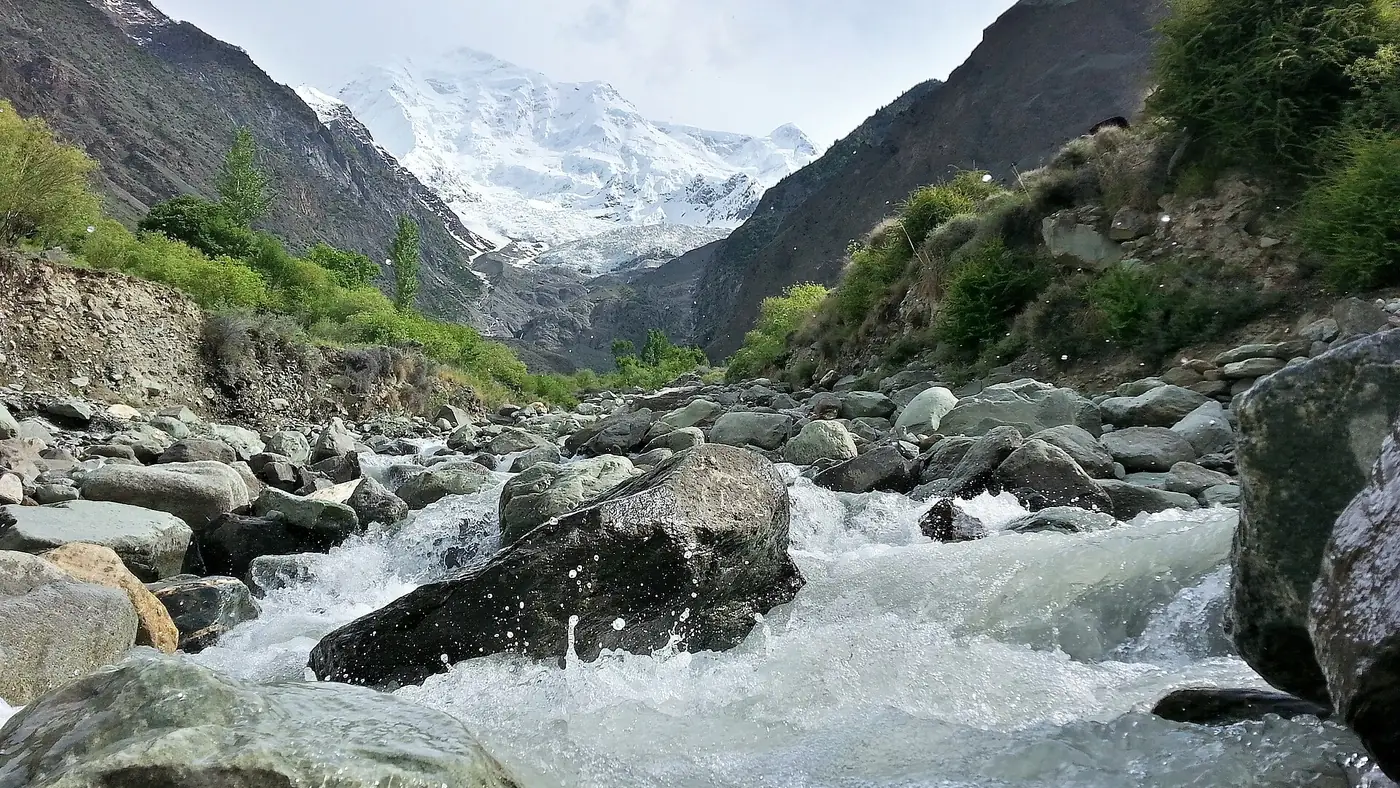
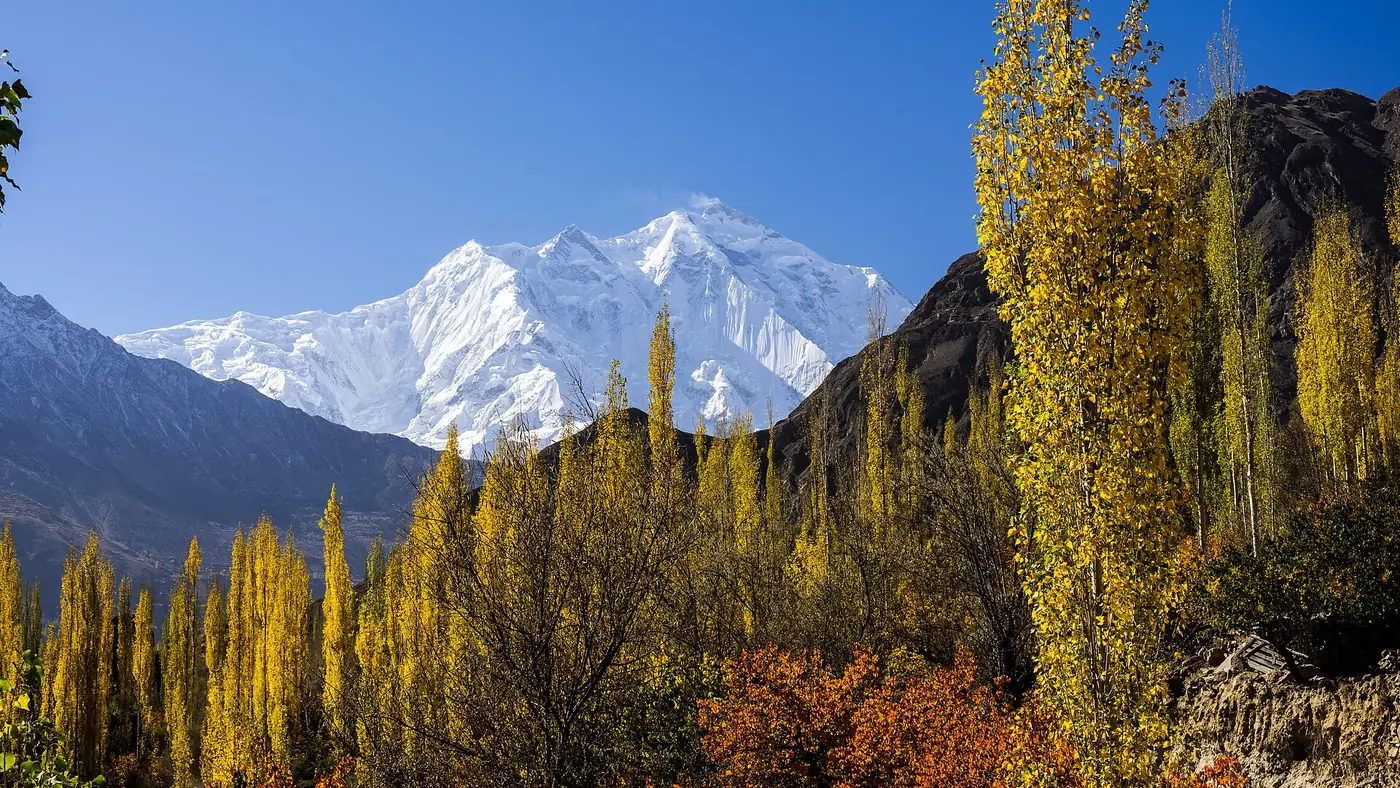
Gilgit-Baltistan sits on a bird migration corridor between Central Asia and the subcontinent, and its high lakes and plateaus hold some of the best birdwatching in Pakistan without any special detour. Borith Lake in upper Hunza is the standout site for migrating waterfowl, while Deosai and Khunjerab National Park are better for raptors and high-altitude residents than for numbers of species.
None of this needs specialist planning. A pair of binoculars and the right weeks in the calendar cover most of it.
| At a glance | |
|---|---|
| Best single site | Borith Lake, upper Hunza |
| Borith Lake peak weeks | Mid-February to mid-March, and mid-August to mid-September |
| Raptors | Deosai and Khunjerab National Park, May to September |
| Species recorded at Borith Lake | 161, across 18 orders (2021–22 survey) |
| Species recorded at Khunjerab | 45 |
| What to bring | Binoculars, a field guide or app, warm layers even in summer |
Borith Lake: the best waterfowl site in the region
Borith Lake sits at about 2,600 metres between Passu and Ghulkin, a short drive or walk off the Karakoram Highway. It is small and increasingly brackish, but it lies directly on a migration route, and a 2021–22 field survey recorded 161 migratory species there across 18 orders and 39 families, from ducks and waders to smaller passerines (Central Journal of Pure and Applied Sciences).
The same survey found two clear peaks: mid-February to mid-March, when spring migrants pass through in large numbers, and mid-August to mid-September, as birds move back south ahead of winter. Expect species such as mallard, pochard and teal on the water, with waders around the shoreline when water levels are low. Early morning is quieter and gives better light for photography.
Borith is an easy add-on to a Hunza itinerary: it sits close to Passu and Gulmit, both covered by our Gilgit, Hunza and Khunjerab tour. Walk the shoreline quietly, keep dogs and drones away from the water, and give nesting or resting birds space, particularly during the peak weeks.
Deosai: raptors over open plateau
Deosai National Park is a different kind of birdwatching: fewer waterbirds, more open-country raptors working the thermals above the plateau. Around 120 species have been recorded here, including golden eagle, lammergeier (bearded vulture), Himalayan griffon vulture, peregrine falcon and Eurasian sparrowhawk. Sheosar Lake and the wetter parts of the plateau also draw passing waterfowl such as bar-headed goose and ruddy shelduck.
The park is only open, and only accessible, from roughly June to September, which is also when raptors are most active over the plains hunting marmots and other small mammals. Bring a scope or strong binoculars if you can, since most sightings here are distant birds soaring rather than close views. Our Skardu and Deosai tour covers the road up and the best viewpoints.
Khunjerab National Park: fewer species, high-altitude specialists
Khunjerab, at the top of the Karakoram Highway towards the China border, has recorded around 45 bird species, a smaller list than Deosai or Borith but with some genuine high-altitude specialists. Look for Himalayan snowcock, snow partridge and chukar on the slopes, and raptors including golden eagle, lammergeier and saker falcon overhead. The snowcock breeds here from May to July, which is the best window to see and hear them calling on the ridgelines above the road.
Most visitors see Khunjerab as a day trip focused on the border itself; birders should slow down at the lower stretches of the park, near Dih, rather than rushing straight to the top.
When to go, by site
- Borith Lake: mid-February to mid-March for spring passage, mid-August to mid-September for the return migration. Both fall either side of the main tourist season, so expect quieter roads too.
- Deosai: June to September only, since the park is snowbound and closed the rest of the year.
- Khunjerab: May to July for breeding snowcock and the greenest slopes; the road itself is open into November.
If your main goal is birds rather than scenery, the February–March and August–September windows at Borith fall outside peak tourist season, which also means better hotel availability in Hunza. Our best time to visit guide covers the wider seasonal picture for the north.
What to bring and how to behave
- Binoculars are the single most useful piece of kit; a spotting scope helps at Deosai and Khunjerab, where birds are often distant.
- Warm, windproof layers, even in summer. Wind at altitude cuts through fast, especially standing still to watch a raptor circle.
- A field guide or app covering the western Himalaya and Central Asian flyway species, since local field guides in English are hard to find on the ground.
- Patience and distance. Approach shorelines and nesting areas slowly, keep noise down, and don't use a drone near birds, particularly during the Borith Lake migration peaks.
Frequently asked questions
What is the best place for birdwatching in Gilgit-Baltistan?
Borith Lake in upper Hunza, for the sheer number of migratory species passing through. For raptors specifically, Deosai National Park is the better choice.
When is the best time to see migratory birds at Borith Lake?
Mid-February to mid-March and mid-August to mid-September, based on a field survey that recorded peak numbers in those windows.
Can I visit Deosai just for birdwatching?
Yes, though the park is only open from roughly June to September. Outside that window the road is closed by snow and the park is inaccessible.
Do I need a permit or guide for birdwatching in the region?
No special permit is needed beyond the normal Deosai and Khunjerab National Park entry fees. A local guide is not required but can help find raptor perches and vantage points quickly.
Will I see a snow leopard while birdwatching in Deosai or Khunjerab?
Almost certainly not. Snow leopards are present in both parks but are rarely seen; plan the trip around birds and other wildlife such as marmots and ibex, and treat any big cat sighting as a bonus.