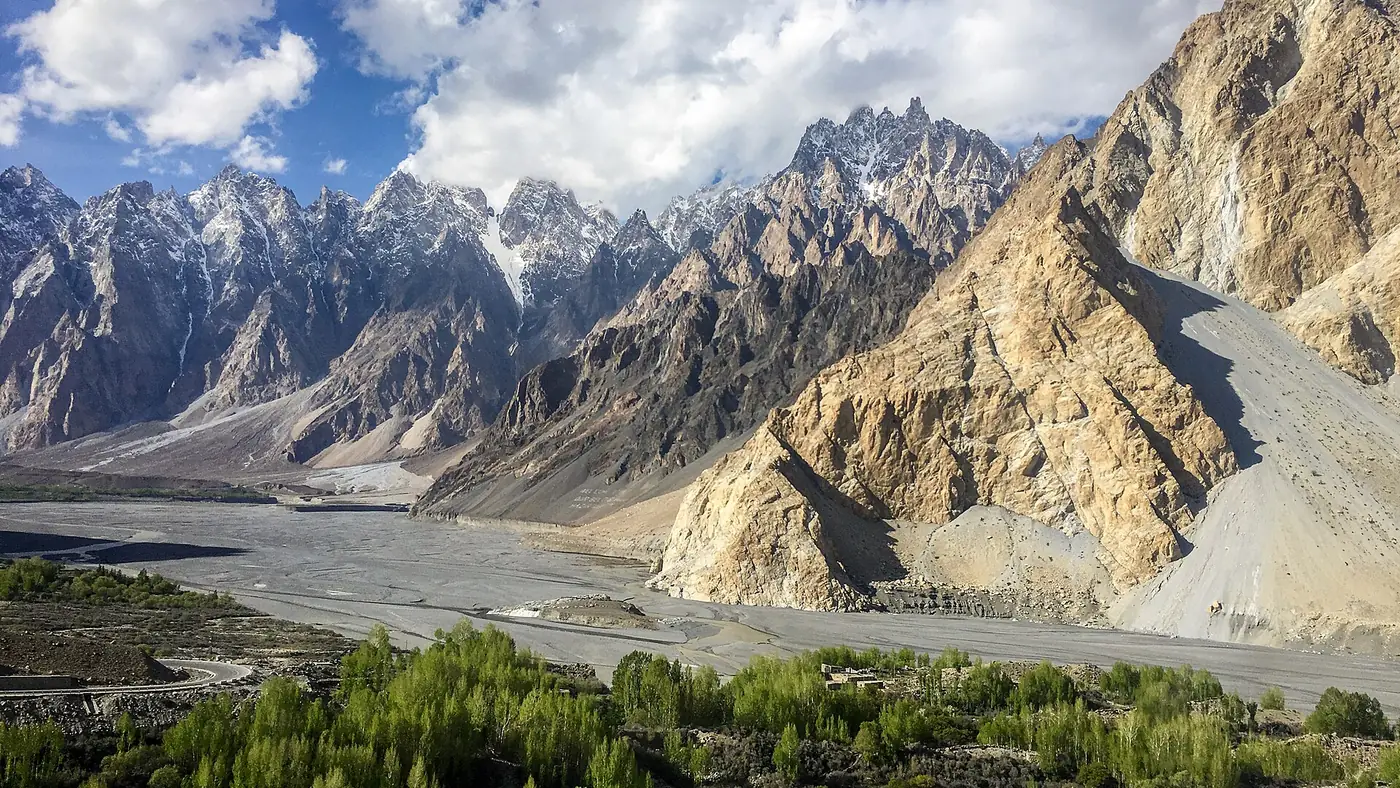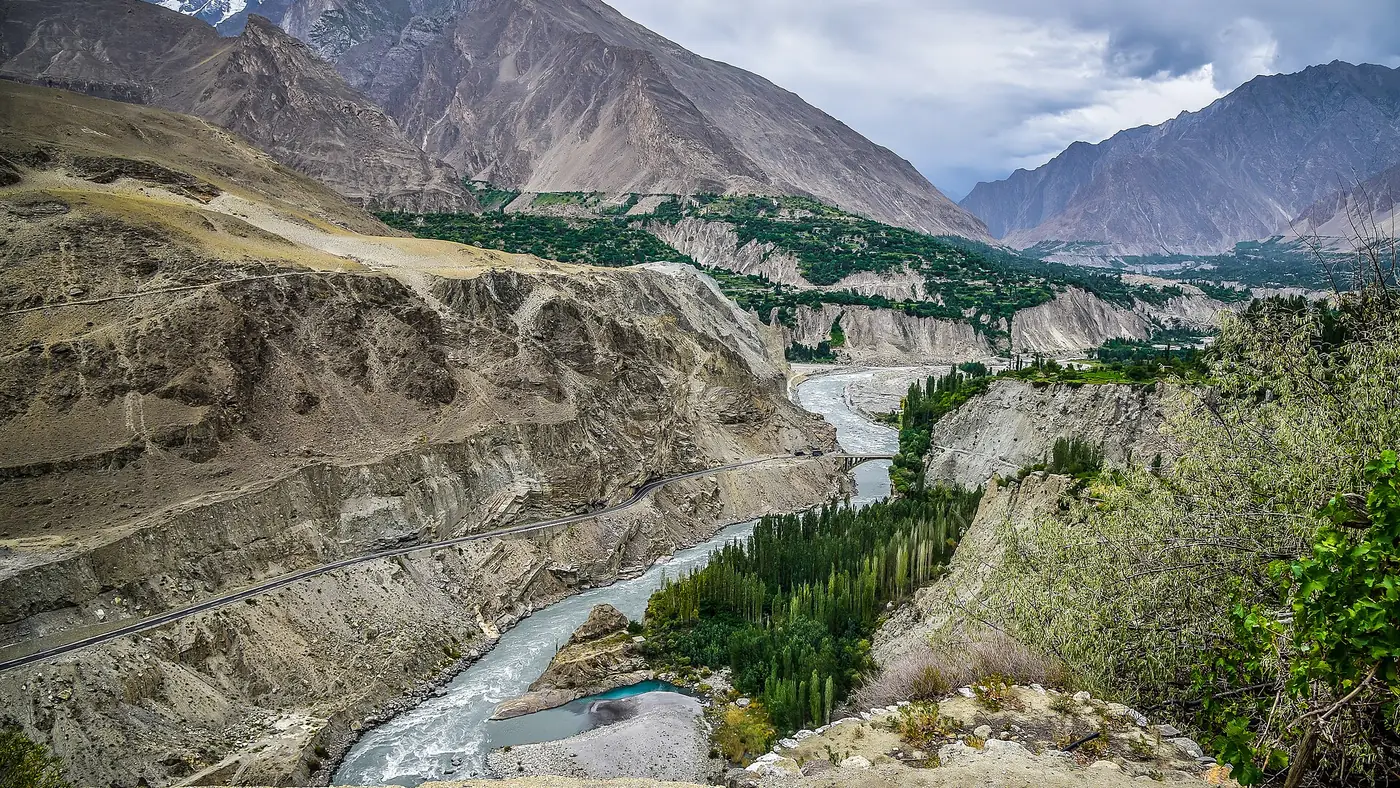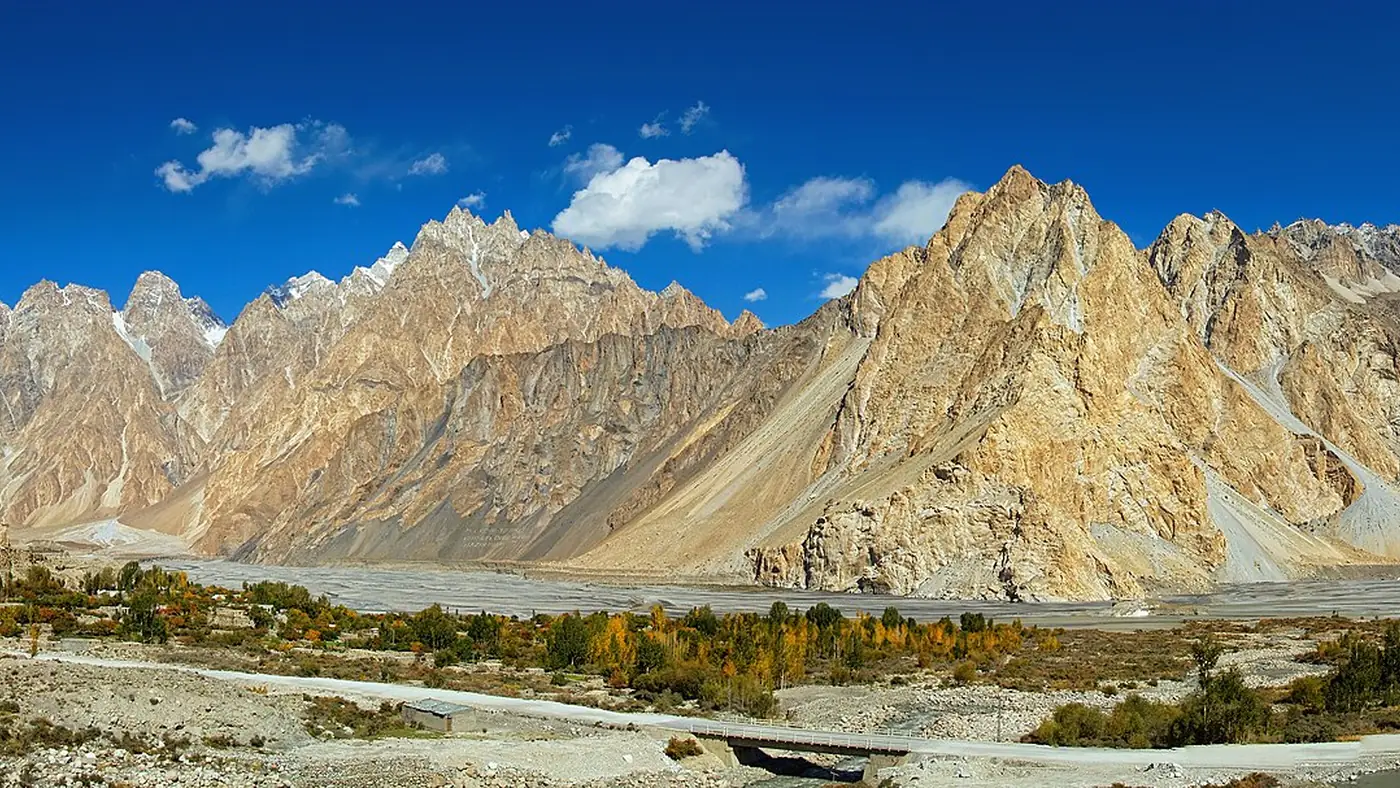
A bike tour to the northern areas as a group needs a different plan from a solo ride: a route the whole group can manage, fuel stops planned for the slowest bike rather than the fastest, and a riding formation that keeps everyone together on roads with blind curves and heavy trucks. The route itself, from Islamabad over the Babusar Pass in summer or along the Karakoram Highway year-round, is the same one solo riders take, but a group of six or eight bikes changes almost everything else about how the trip runs.
This guide is about touring as a group specifically: choosing a route together, planning fuel stops, riding formation and keeping a mixed-ability group together on the road. For bike preparation, gear and the route in full detail, see our guide to a motorbike trip to Gilgit-Baltistan.
| At a glance | |
|---|---|
| Route in summer | Babusar Pass via Naran, shorter and cooler |
| Route year-round | Karakoram Highway via Besham and Kohistan |
| Group size that works well | 4 to 8 bikes; larger groups split into smaller packs |
| Formation on mountain roads | Single file with a two-second gap, not staggered |
| Fuel planning | Around the slowest or least-prepared bike's range |
| Motorways | Closed to motorbikes of every size; ride the old N-35 out of Islamabad |
| Papers | CNIC, licence with motorcycle category, and the bike's registration papers, for every rider |
Choosing a route the whole group can ride
A route that suits one confident rider on a light bike is not always right for a mixed group. Before you go, agree as a group, not just as the fastest rider, which route you're taking and how far you'll ride each day.
The Babusar Pass route, through Naran and over the pass to Chilas, is shorter, cooler and far quieter with trucks than the alternative, but it is open only roughly from late May to the first autumn snow, and only in daylight. It suits a group that includes some less experienced riders, since the road is generally in better condition and the traffic lighter.
The Karakoram Highway, through Besham, Dasu and Kohistan, is the only way in winter and spring, but it carries far more truck traffic, is rougher in places, and has at times had a construction zone at Dasu that only opens in set windows. Send someone to check the Karakoram Highway road status close to your departure date, since conditions change with the season and with roadworks.
Whichever route you choose, plan for the slowest realistic pace in the group, not the fastest bike's potential. A group of riders on 70cc and 125cc bikes covers ground far more slowly than a rider on a larger imported bike, and pushing the group to match one rider's pace is how people get separated or hurt.
Bike preparation and gear, briefly
Every bike in the group should go through the same basic checks before setting off: chain and sprockets, brakes and cables, tyres, fresh oil, a clean air filter, a working headlight and horn. Riders should carry a full-face helmet, an armoured jacket with a thermal layer for the passes, warm and waterproof gloves, boots that cover the ankle, and a rain suit that also cuts the wind at altitude. Our motorbike trip to Gilgit-Baltistan guide covers bike preparation, gear and riding hazards in full.
For a group specifically, agree beforehand who is carrying the shared kit: a first aid kit, a tyre repair kit and pump, spare cables, and tools that cover every bike's fasteners, so nobody is stranded because the one spare tube is on a different bike.
Planning fuel stops as a group
Fuel is more available along the route than it once was, with stations now open in Gilgit, Aliabad, Gulmit and Passu as well as the towns on the way up, but there are still long stretches with nothing. Plan fuel stops around whichever bike in the group has the smallest tank or highest consumption, not the average.
- Naran, the last dependable fuel before Babusar Top and Chilas; fill up here even if your tank looks half full.
- Chilas, where both routes meet, and a sensible place for the whole group to fuel and regroup before continuing to Gilgit.
- Gilgit and Aliabad (Hunza), both reliable, and a natural stop to check everyone's bike before the higher stages.
- Sost, the last fuel stop before Khunjerab Pass; there is none beyond it, so fill up here even for a short trip to the border.
Carry a litre or two of spare fuel in a proper container per bike for anyone planning side trips off the main road, and agree as a group that nobody rides past a fuel stop on an empty-looking gauge, since the next one may be further than expected.
Riding in formation on mountain roads
The staggered formation used on wide highways elsewhere does not work well on the Karakoram Highway or the Babusar road: the lanes are narrow, the bends are blind, and trucks take up more than their share of the road. Ride single file instead, with at least a two-second gap to the bike ahead, opening out further on descents and in poor visibility.
- Agree hand signals before you set off: pointing at a hazard, a fuel stop, or a signal to slow the pace, so a hazard is passed back through the group quickly.
- Put your most experienced rider at the back, not just the front, to watch for anyone falling behind and to close gaps that open in traffic.
- Never split the group around a slow-moving truck one at a time. Wait for a clear stretch and let the whole group pass together, or not at all.
- Check mirrors regularly for the rider behind, and slow down rather than let the group stretch out of sight of each other.
- Agree a plan for what happens if someone falls behind: a fixed regrouping point, not everyone waiting at the roadside indefinitely.
Group logistics on the road
A group of bikes needs more from each stop than a solo rider does. Book rooms ahead in July, August and around Eid, when small hotels in Naran, Chilas and Karimabad fill quickly, and confirm the hotel has secure parking for several bikes overnight. Agree a daily budget and how you'll split shared costs, such as a support vehicle if you're using one, before the trip rather than at each stop. A WhatsApp group with everyone's live location, checked at each fuel stop, is a simple way to know the group hasn't quietly separated on a long stretch.
Hazards that matter more in a group
Riding together brings its own risks on top of the ones any rider faces on these roads:
- Convoy accidents, where one rider's sudden stop catches out the rider behind. Keep the gap, and brake early and visibly.
- Overtaking pressure. A slower rider can feel pushed to overtake before they're ready because the group is waiting. Agree that nobody overtakes on a blind bend, whatever the group's pace.
- Water crossings and rockfall, the same as for any rider on these roads: cross glacier-fed streams early in the day, before the afternoon melt raises them, and don't stop under loose slopes.
- Riding at night to catch up a lost group member. Don't. Stop and wait for daylight instead.
Is a group bike tour worth it?
For a group of confident riders on well-prepared bikes who can agree on pace and route beforehand, yes, and riding the Karakoram Highway together is one of the best group trips available in the country. It suits riders who have done long highway days before and are comfortable fixing a roadside puncture.
It suits a group less well if riders have very different bikes, experience levels or fitness, since a group is only as fast, and as safe, as its slowest member. In that case, consider splitting into two smaller packs with a clear regrouping plan, or driving up together and hiring bikes locally in Gilgit or Hunza for the day rides once you arrive. Our Gilgit and Hunza page has the wider picture of the valley for planning the rest of the trip around the ride.
Frequently asked questions
How many bikes should a group tour to the northern areas have?
Four to eight works well for keeping the group together and manageable. Larger groups are easier to run as two or three smaller packs with a shared regrouping plan than as one long line.
Should a group ride staggered or single file on the KKH?
Single file, with at least a two-second gap. The narrow lanes, blind bends and heavy truck traffic on the Karakoram Highway and the Babusar road make the staggered formation used on wider roads impractical.
Where should a group plan fuel stops between Islamabad and Hunza?
Naran, Chilas, Gilgit and Aliabad are the reliable stops, with fuel now also available in Gulmit and Passu. Plan around the bike with the smallest tank in the group, and fill up in Sost before any ride to Khunjerab Pass.
What happens if a rider falls behind the group?
Agree a fixed regrouping point before you set off, and put an experienced rider at the back of the pack to watch for gaps. Never leave someone to catch up alone on an unfamiliar mountain road.
Can motorbikes use the motorway out of Islamabad?
No. Motorbikes of every size are banned from Pakistan's motorways, including the Hazara Motorway. Ride the GT Road and the old N-35 through Abbottabad and Mansehra instead.
Is the Karakoram Highway route safe for overseas visitors?
Pakistani travellers use it all year, but as of September 2026 the UK government advises against all travel on the Karakoram Highway between Mansehra and Chilas, through Besham and Dasu. In summer the road over the Babusar Pass avoids that stretch. If you hold a foreign passport, check your own government's advice before you go, because travelling against it can void your insurance. Everyone should check local news and road conditions before setting out.