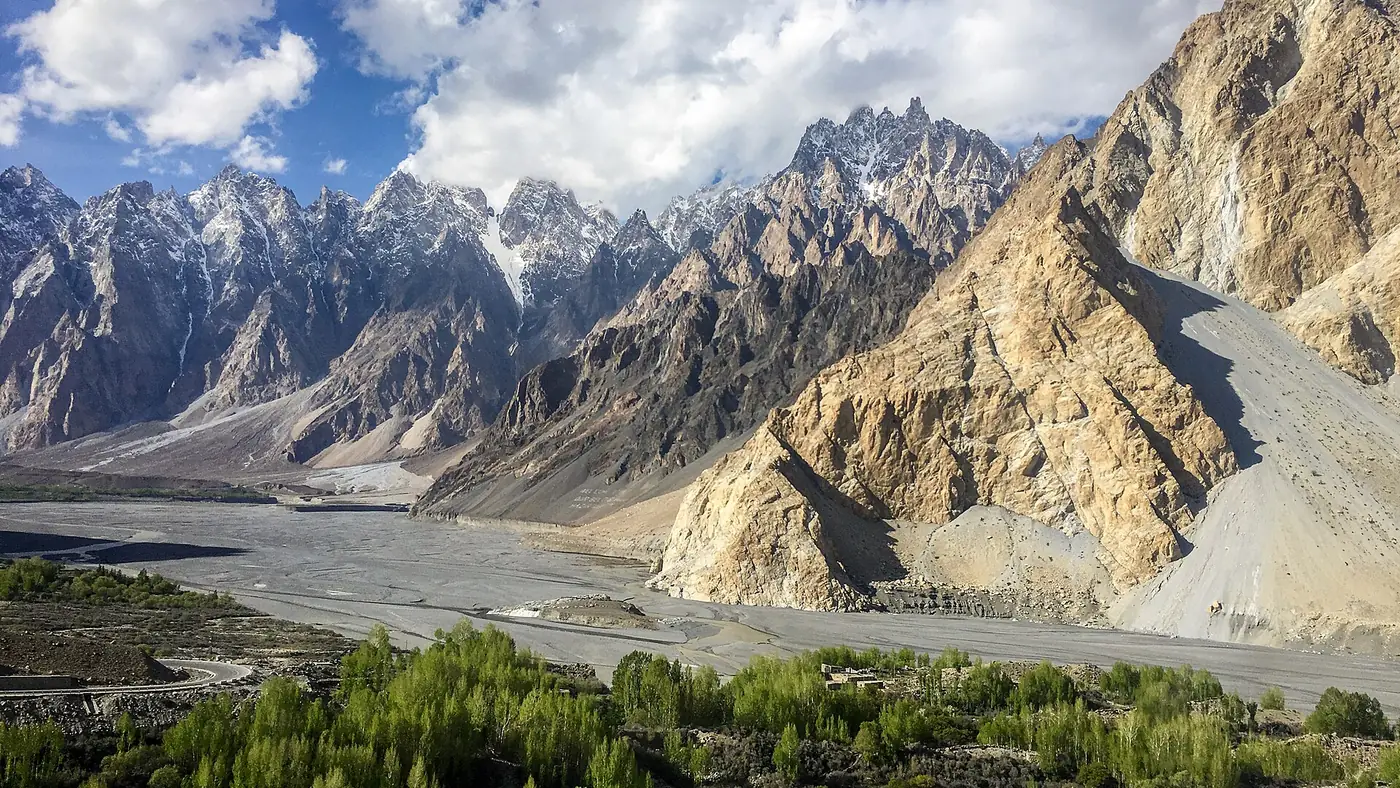
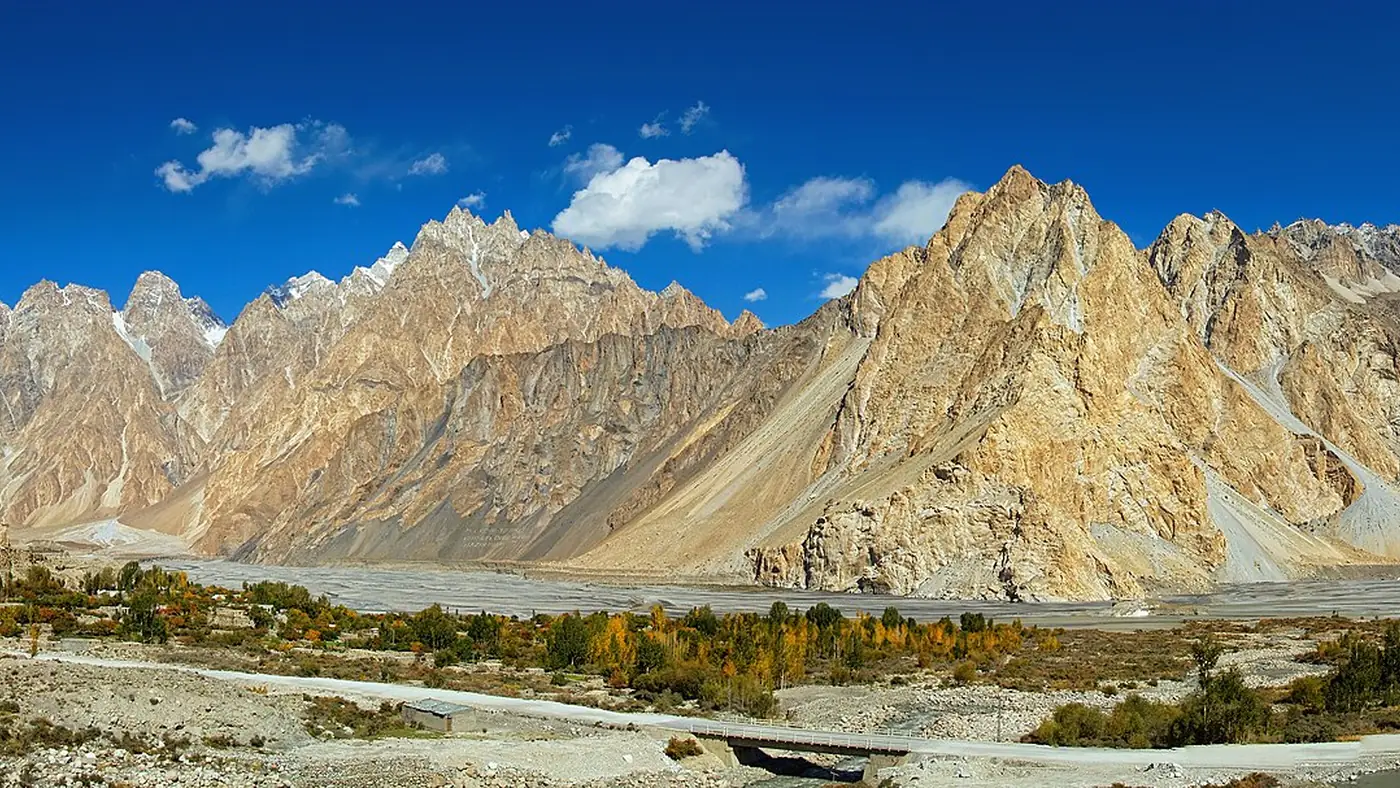
The best car for the northern areas depends on where you're actually going, not on how rugged the trip feels in your head. A sedan or hatchback is genuinely fine on the paved main roads, the Karakoram Highway to Hunza and the Khunjerab Pass, the Skardu road, the Babusar route in season. An SUV or crossover buys comfort and a margin for rough patches and bad weather. A proper 4x4 is only essential for a specific list of unpaved tracks: Deosai, the Fairy Meadows jeep track, Naltar, Kumrat's upper reaches, and a handful of side valleys.
This guide sorts vehicle classes by what they can actually do in the north, rather than treating "the northern areas" as one uniform destination that needs one kind of car.
| At a glance | |
|---|---|
| Sedan or hatchback | Fine on KKH, Skardu road, Babusar road, Naran, Swat main road |
| SUV or crossover | More comfortable margin; helps on rough diversions and light snow |
| 4x4 essential | Deosai, Fairy Meadows jeep track, Naltar Bala, Kumrat's upper valley, Ratti Gali jeep track |
| Ground clearance that matters | Roughly 170mm or more for most SUVs; hatchbacks sit closer to 160mm or less |
| Common local choices | Corolla, Civic, Cultus and similar for the paved routes; Vitara, Sportage, Fortuner or Prado for jeep tracks |
Where a sedan is genuinely fine
The main roads into and across the northern areas are paved, and Pakistani families drive them in ordinary sedans and hatchbacks every summer. The Karakoram Highway from Islamabad through Kohistan to Chilas, Gilgit, Hunza and on to the Khunjerab Pass is paved throughout. The Jaglot–Skardu road, rebuilt in recent years, and the valley roads on from Skardu to Kachura, Shigar and Khaplu are also sealed. In Khyber Pakhtunkhwa, the roads to Naran, Kalam and Mingora, and the Babusar Pass itself when it's open for the season, are paved as well, though narrow and slow in places.
What a sedan needs on these roads isn't four-wheel drive, it's a driver who takes the switchbacks slowly, a car that isn't overloaded, and brakes and tyres checked before setting off. Our guide to a small car in Gilgit-Baltistan goes route by route through where a hatchback like an Alto or a Cultus manages fine and where it struggles.
Where an SUV earns its place
An SUV or crossover, a Vitara, a Sportage or similar, doesn't open up any roads a sedan genuinely can't manage, but it buys a real margin of comfort and safety on a long mountain trip:
- Ground clearance for the rough patches, potholed diversions and stream crossings that appear on otherwise paved roads after monsoon damage or winter freeze-thaw.
- A stronger engine for the long climbs, which matters more with a full car of passengers and luggage than it does driving alone.
- Better stability on gravel shoulders and loose surfaces at the edge of the road, which show up more often on mountain roads than city driving prepares most drivers for.
- A bit more weather margin, for light snow at altitude in the shoulder seasons or an unexpected early snowfall on a pass.
For most families doing a standard Hunza or Skardu trip on the paved network, an SUV is a comfort upgrade rather than a necessity, but it's the class we'd recommend if you're choosing a car specifically for this kind of trip and don't already own one.
Where a 4x4 is genuinely necessary
A short list of well-known northern destinations sit off the paved network entirely, and no sedan or ordinary SUV should attempt them:
- Deosai National Park, reached by an unpaved, rocky mountain road from Skardu or Astore. A 4x4 is required, and local drivers and jeep hire are available in Astore and Skardu for exactly this reason.
- The Fairy Meadows jeep track, from Raikot Bridge on the Karakoram Highway up to Tato, a steep, narrow dirt track that is 4x4-only; everyone parks at the bridge and switches to a local jeep.
- Naltar Bala, above Gilgit, on a metalled but narrow and steep road that turns to rough track in its upper reaches.
- Kumrat's higher valley and side tracks, beyond the main paved road into Kumrat itself.
- Ratti Gali Lake and similar jeep tracks in Neelum Valley, where the last stretch to the lake is unpaved and steep.
On these routes, the choice isn't which car to bring, it's whether to bring your own 4x4 or leave your car at the trailhead and hire a local jeep, which is what most travellers, even those with a capable 4x4, end up doing anyway, since local drivers know the specific hazards of each track.
Ground clearance and what the numbers mean
Ground clearance is the single figure that best predicts how a car handles rough patches, though it's not the whole story. Small hatchbacks common in Pakistan typically sit at around 160mm or less, which is enough for paved roads with occasional potholes but leaves little margin on a rutted diversion. Compact SUVs and crossovers generally clear closer to 170 to 200mm, enough to handle most rough paved-road detours comfortably. True off-road 4x4s built for tracks like Deosai clear well beyond that, with the higher ride height, low-range gearing and stronger suspension that unpaved mountain tracks actually need, not just the height on paper.
If you're renting rather than bringing your own car, ask specifically what the vehicle is for: a trip that stays on the KKH and the Skardu road doesn't need the same vehicle as one that includes Deosai or Fairy Meadows, and paying for a 4x4 you won't use off-road is money better spent elsewhere in the budget.
Which should you actually choose?
If your whole trip stays on the paved network, Hunza, Skardu town, Khaplu, Naran, Swat's main valley, a sedan or hatchback in good mechanical order is genuinely enough, and it's what a large share of visiting families already drive. If you want a margin of comfort and don't already own a suitable car, an SUV is the sensible middle choice. If Deosai, Fairy Meadows or a similar jeep track is definitely on your itinerary, plan to either bring a real 4x4 or, more simply, drive a sedan or SUV as far as the paved road goes and hire a local jeep for the unpaved final stretch, which is standard practice and usually the better option even for 4x4 owners.
Frequently asked questions
Can a normal sedan reach Hunza and Skardu?
Yes. The Karakoram Highway to Hunza and the Khunjerab Pass, and the road to Skardu, are paved throughout, and sedans and hatchbacks make the trip every summer.
Do I need a 4x4 for Deosai?
Yes. The road into Deosai National Park is unpaved, rocky and steep in places, and a 4x4 is required. Local jeep hire is available in Skardu and Astore if you don't have one.
Is an SUV worth it if the roads are already paved?
It's a comfort and safety margin rather than a strict need: better ground clearance for rough patches, a stronger engine for long climbs, and more stability on loose shoulders. Not essential on the paved network, but a sensible choice if you're picking a car specifically for a mountain trip.
What ground clearance should I look for?
Roughly 170mm or more covers most paved-road rough patches comfortably. For genuine off-road tracks like Deosai, a proper 4x4 with higher clearance and low-range gearing is what local drivers actually use, not just a crossover with a slightly raised body.
Should I drive my own 4x4 on tracks like Deosai and Fairy Meadows, or hire a local jeep?
Most travellers, even 4x4 owners, hire a local jeep for these specific tracks. Local drivers know the hazards, and it saves wear on a vehicle you'll still need for the paved roads on the rest of the trip.