Banjosa Lake in winter, mainly December to February, gets snow on the pine forest around it and temperatures that fall to around −5°C at night. In a cold winter the lake itself freezes and people walk on the ice. The 18 km road up from Rawalakot generally stays open, but heavy snowfall can close it for a day or more at a time, and the boats and most of the lakeside stalls shut down for the season.
This guide sets out what actually happens at Banjosa in winter, how reliable the road is, and what a cold-weather visit needs.
| At a glance | Winter at Banjosa |
|---|---|
| Main snow months | December to February |
| Night temperatures | Around −5°C at the lake |
| Does the lake freeze? | Yes, in a cold winter, enough to walk on |
| Boating | Stops for the season |
| Road from Rawalakot | Usually passable; can close for a day or more after heavy snow |
| Accommodation | Limited; heating varies, ask before booking |
What winter actually looks like at Banjosa
Rawalakot town, at around 1,600 metres, sees night temperatures drop close to freezing or a little below in December and January. Banjosa, about 350 metres higher at roughly 1,980 metres, runs a few degrees colder again, with nights around −5°C in the coldest weeks. Snow typically falls from December into February, sometimes lingering into early March in a heavier year.
When conditions are cold enough for long enough, the lake surface freezes, and it is common for local visitors to walk, and sometimes skate, on the ice. How solid and how extensive the freeze is varies from one winter to the next, and there is no reliable way to predict it in advance; some winters bring a full freeze, others only a partial one at the edges.
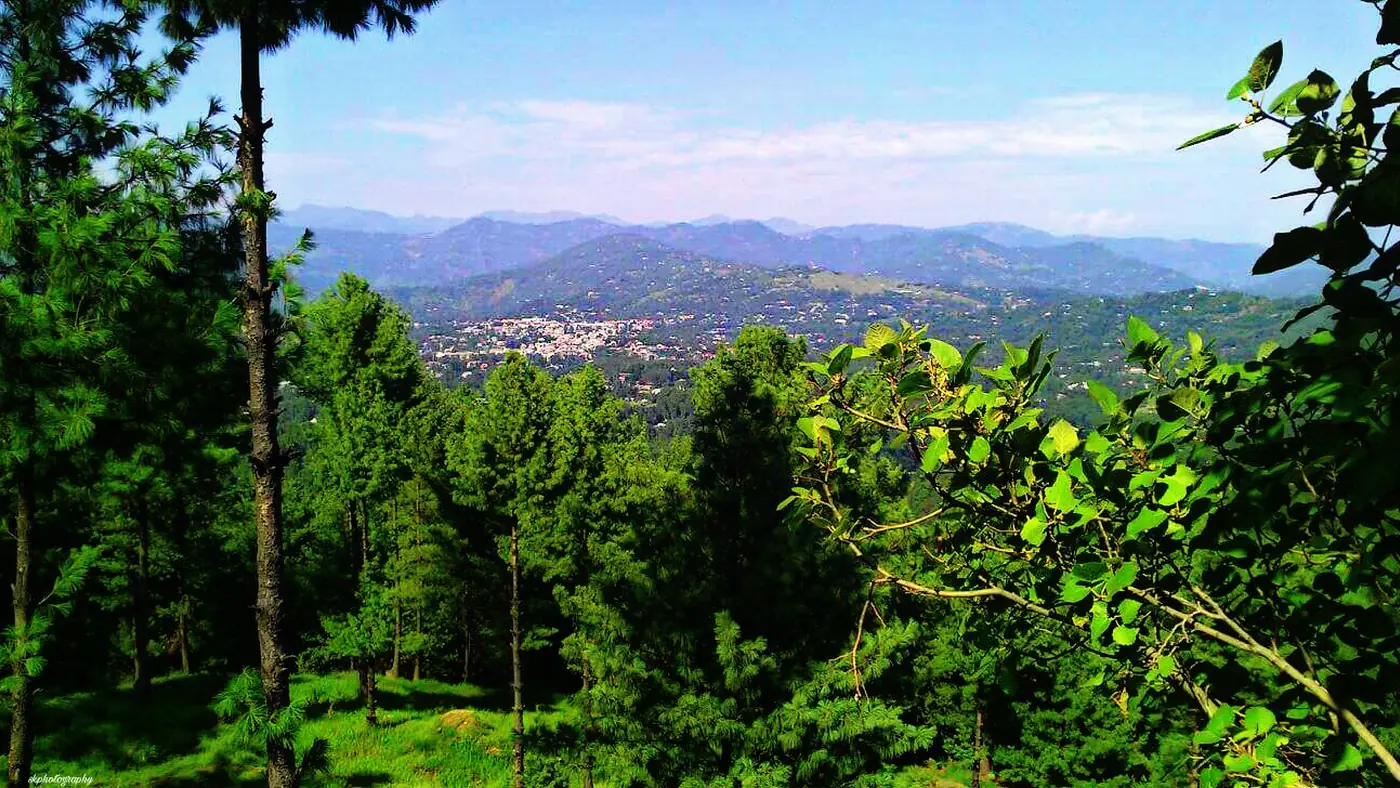
The pine forest around the lake carries snow well, and a clear winter's day here, snow on the branches and the lake edge frozen, is a different scene from the busy summer picnic spot. It is also a much quieter one: the boats, the swings and most of the tea stalls close for the season, and the crowds that fill Banjosa on an Eid weekend in June are absent.
Is the road to Banjosa open in winter?
The 18 km road from Rawalakot through Khai Gala generally stays passable through the winter, because Banjosa sits at a modest altitude compared with the high passes further north. It is not, however, guaranteed. After a heavy snowfall, hill roads across Poonch and Sudhnoti, including routes around Rawalakot, have been closed for a day or more while cleared, and the Pakistan Meteorological Department has issued specific warnings about the risk of road closures in this district during winter storms.
Practical points:
- Check locally before you drive up, especially after any fresh snowfall in the preceding day or two. Conditions on a shaded, icy bend can be very different from the main road through town.
- Keep a spare day if your trip depends on reaching the lake on a particular date. A short closure while a road is cleared is more likely in winter than at any other time of year.
- Drive in daylight only. Ice forms fastest on shaded stretches in the early morning and stays longest into the day; an afternoon drive back is safer than a dawn one.
- The road from Islamabad matters too. Getting to Rawalakot in the first place means the Azad Pattan or Kohala roads, both of which can be affected by winter weather in their own right. Our guide to Islamabad to Rawalakot compares the two, including which copes better with snow.
What is open, and what isn't
- Boating stops once the lake is cold enough, and certainly once it has frozen. Don't plan a trip around being on the water in winter.
- Most food stalls close for the season. What is open in Rawalakot, 18 km away, is far more reliable than what you will find at the lakeside in December or January.
- Accommodation is limited. The handful of rest houses and guest houses at Banjosa itself operate through winter, but rooms and standards are basic, and heating is not guaranteed to the same degree as in an established Rawalakot hotel. Our guide to Banjosa Lake hotels and resorts compares staying at the lake with staying in town.
- Toli Pir is usually out of reach. The higher ground above Rawalakot carries snow for longer and its access road is much more likely to be closed than the Banjosa road through the same months.
What to pack for a winter visit
- Proper winter layers, not just the jacket that gets you through a Lahore or Islamabad winter. Night temperatures around −5°C at the lake call for real insulation.
- Footwear with grip, for ice on the lakeside paths and on the road itself.
- A car in good condition, with tyres and brakes checked before you leave, and warm clothing and a torch kept in the car, not in the boot.
- Cash, since card payment cannot be assumed at winter opening hours, and internet disruptions in the district have at times affected digital payments more generally.
- A confirmed, heated room. Call ahead and ask specifically how the room is heated, whether that is gas, electric or a generator when the power goes.
Is a winter visit to Banjosa worth it?
For the right traveller, yes. A quiet, snow-dusted lake with the pine forest holding snow on its branches is a genuinely different experience from the packed summer weekends, and if you have already seen Banjosa in season, winter offers something new. It suits couples and small groups who are prepared for basic facilities, cold nights and the chance of a delayed drive home.
It is not the trip for families wanting boating, swings and an easy day out, and it is not the season to rely on Toli Pir being reachable. If snow and a frozen lake are the draw, go with flexible dates, a spare day either side, and a confirmed, heated room booked in advance.
Check the situation before you travel
Since June 2026 Rawalakot has been at the centre of protests in Azad Kashmir, with road blockades, transport disruption and a long suspension of internet services in Poonch and Sudhnoti that was still affecting the district in September 2026. Whatever the season, read current news and call ahead before setting out, and do not travel while roads are closed or restrictions are in force. Our seasons guide covers the rest of the north if you are weighing a winter trip elsewhere in the meantime.
Frequently asked questions
Does Banjosa Lake freeze in winter?
In a cold winter, yes, enough for people to walk on the ice. How much of the lake freezes varies from year to year and cannot be predicted in advance.
Is the road to Banjosa Lake open in winter?
Usually, but not guaranteed. Heavy snowfall can close hill roads around Rawalakot for a day or more while they are cleared, so check locally before you drive up.
How cold does it get at Banjosa Lake in winter?
Nights fall to around −5°C at the lake, a few degrees colder than Rawalakot town. Snow typically falls from December into February.
Can you go boating at Banjosa Lake in winter?
No. Boating stops once the weather turns cold, and certainly once the lake has frozen. It resumes with the warmer months.
Is Toli Pir accessible in winter?
Not reliably. The higher ground above Rawalakot holds snow for longer than Banjosa and its access road is much more likely to be closed through the winter months.
What should I pack for a winter trip to Banjosa?
Proper winter layers, footwear with grip for icy paths, cash, and confirmation from your accommodation on how the room is heated before you travel.