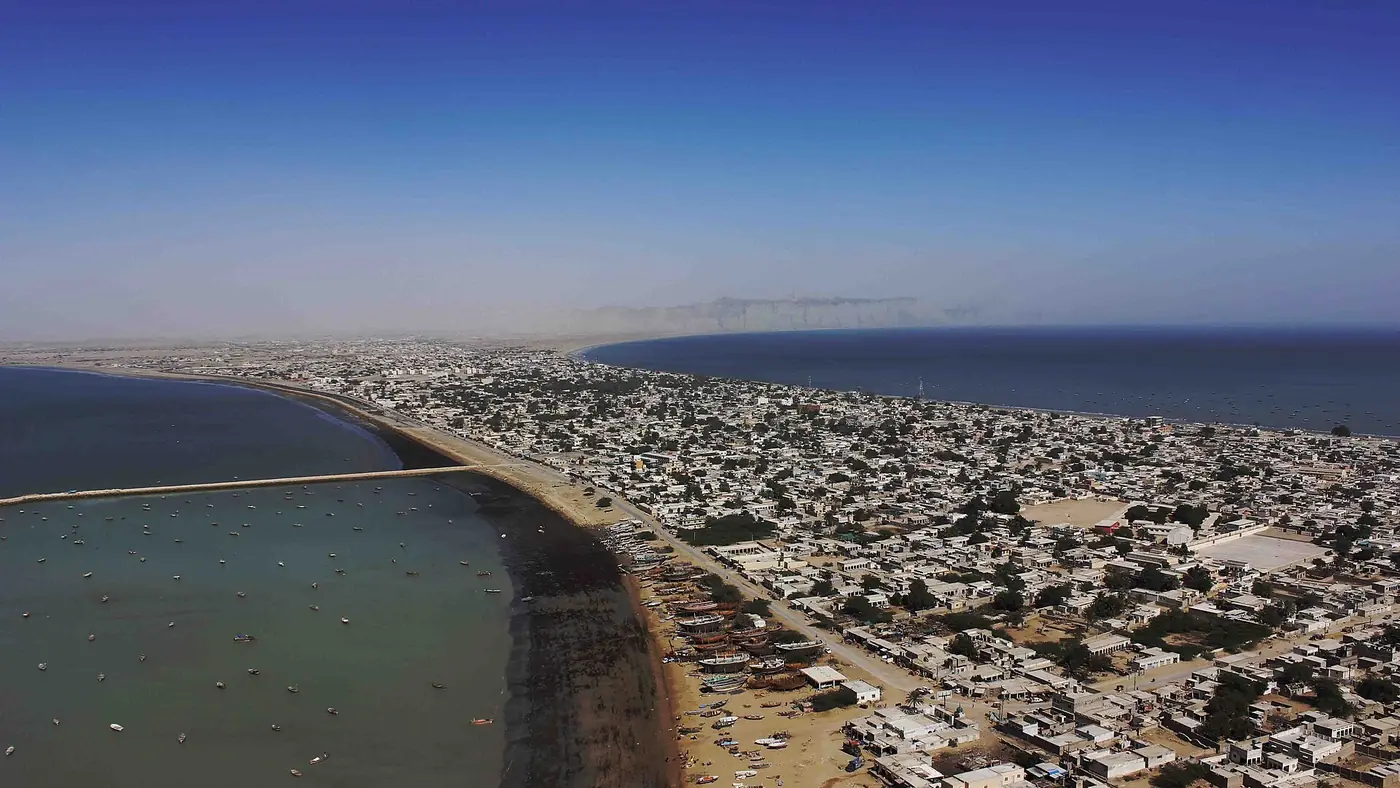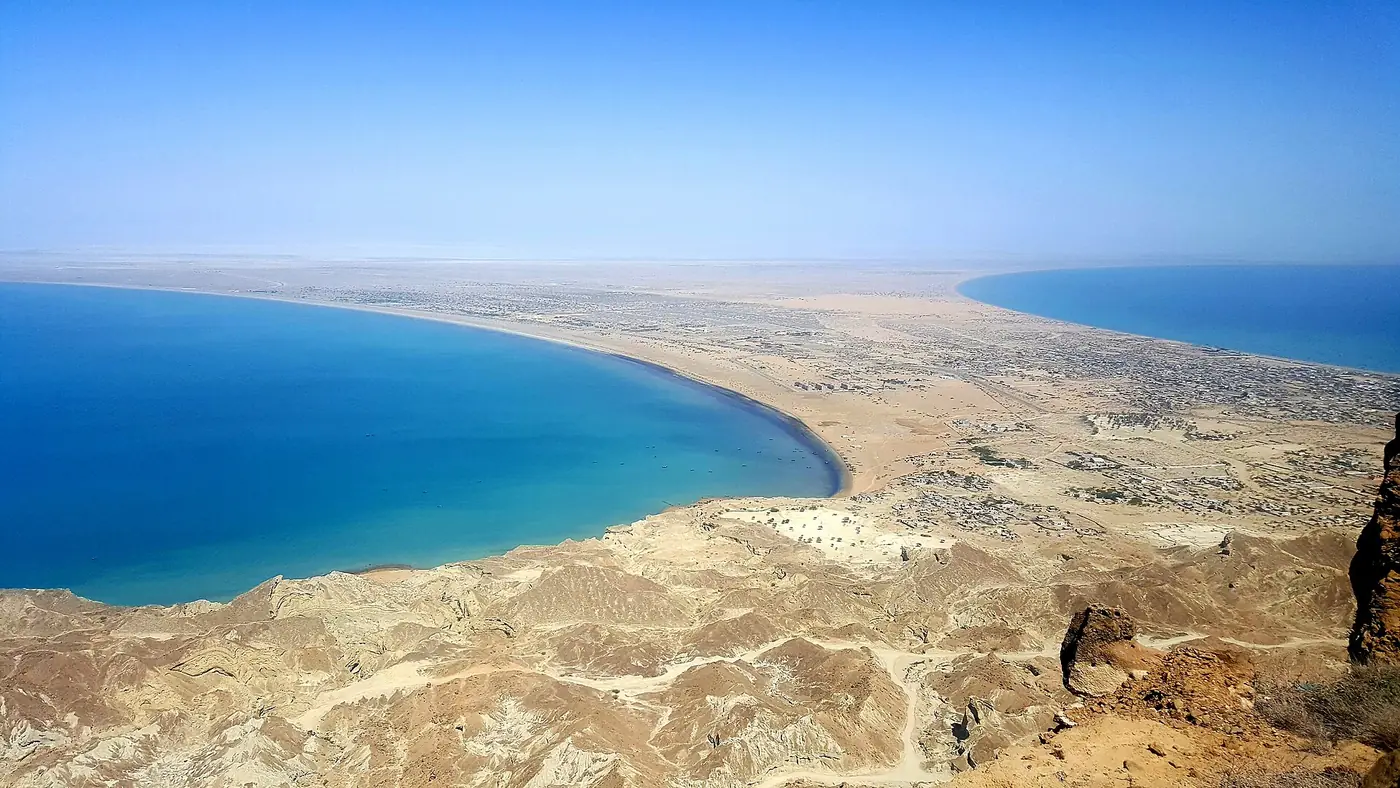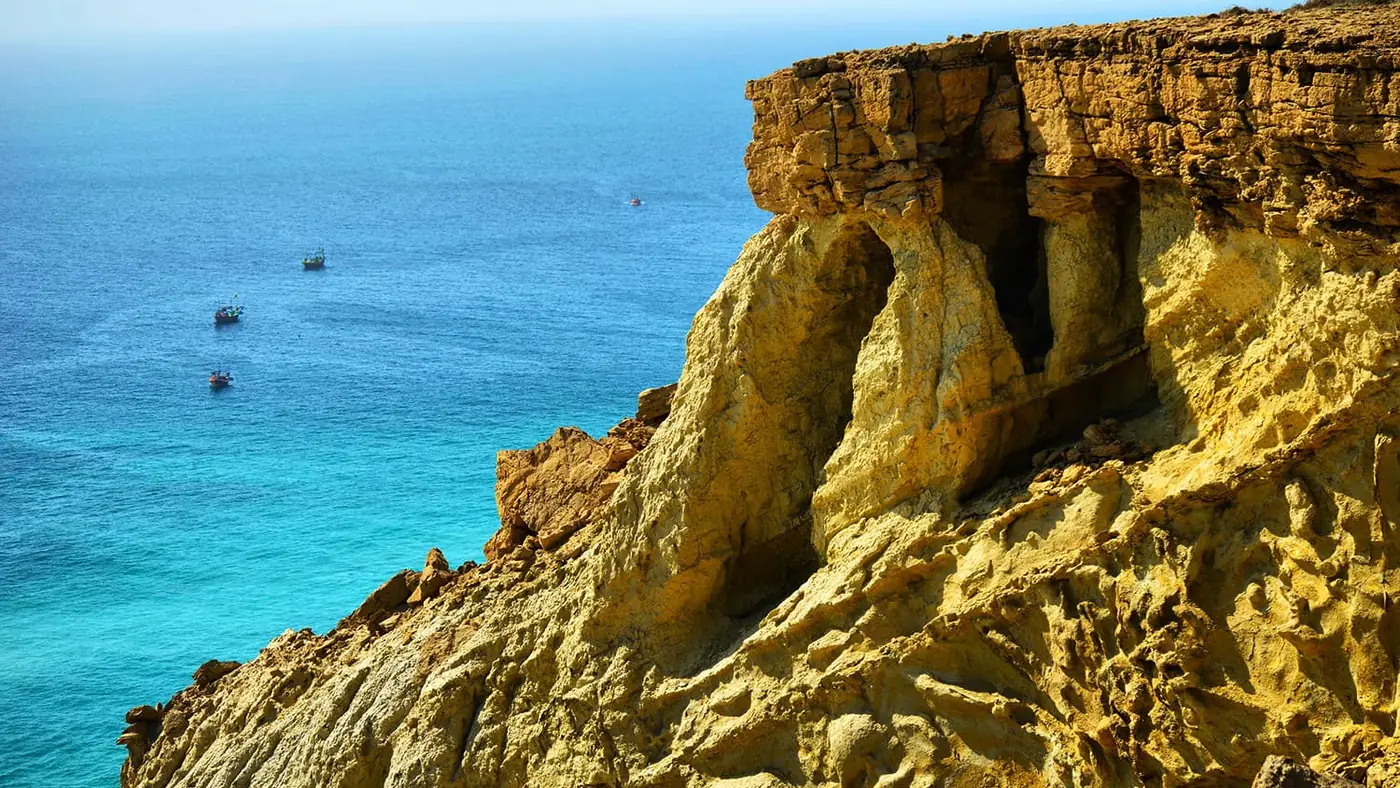
Astola Island, also called Jezira Haft Talar, is Pakistan's largest offshore island, an uninhabited outcrop of rock about 6.7 sq km in area, roughly 35 km southeast of the fishing port of Pasni on the Makran coast. It's reached only by boat, has no facilities of any kind, and is a marine protected area known for its turtle nesting beaches, coral and birdlife. This guide covers the crossing, the registration you need before you leave, what camping there actually involves, and when to go.
For the road that gets you to Pasni, see our Makran Coastal Highway guide.
| At a glance | |
|---|---|
| Distance from Pasni | About 35 km |
| Crossing time | Around 3 hours by boat in good conditions, longer in rough seas |
| Status | Pakistan's first Marine Protected Area (2017); Ramsar wetland since 2001 |
| Facilities | None; the island is uninhabited year-round |
| Turtle nesting | Green and hawksbill turtles |
| Best months | November to February |
| Before you go | Register with the Marine/Coast Guard in Pasni |
Getting there
The only way to Astola is by boat from Pasni, a fishing town on the Makran coast, a short detour off the coastal highway roughly two-thirds of the way from Karachi to Gwadar. Boats are arranged locally through the fishing community, generally motorised fishing boats rather than anything set up as a tourist ferry, and the crossing takes around three hours in calm conditions. In a rougher sea it takes longer, and in the roughest weather, particularly during the summer monsoon, boats don't run at all.
This isn't a trip to arrange spontaneously from Karachi. Get to Pasni first, allow time to find a boat and agree terms, and build in a spare day either side in case the sea isn't cooperating.
Registering before you leave
Before departure, visitors are required to register with the Marine Coast Guard in Pasni. This is a straightforward process, not a formal permit application, but it does mean building it into your timing rather than expecting to walk straight onto a boat. Carry your CNIC (or passport, for foreign nationals, along with the NOC required for travel in this part of Balochistan) and be ready to give details of your boat, your group and your planned return.
Given the isolation of the island and the total lack of facilities or rescue infrastructure there, this registration matters for safety as much as for permission: it's how anyone knows you're out there and when you're expected back.
Camping on the island
Astola has no lodging, no shop, no fresh water source you should rely on, and no permanent population; fishermen from the mainland use parts of it seasonally, but there's nothing set up for visitors. An overnight stay means camping, and camping here means bringing everything with you: tent, food, water for the whole trip, and a way to take your rubbish back out again, since there's no one to clear it.
A small mosque and the ruins of an old Hindu temple are the island's only structures beyond a solar-powered lighthouse, first built in 1982. Beyond that, it's rock, low scrub and the beaches, so temper expectations of comfort and plan the trip as a proper camping expedition rather than a resort stay with a boat ride attached.
Turtle nesting and wildlife
Astola's beaches are an important nesting site for green turtles and hawksbill turtles, both of which come ashore to lay eggs on the sand beneath the island's low cliffs. If you're there at the right time and come across a nesting turtle or a nest, keep well back, don't use flash photography, and don't handle any hatchlings; treat it the same way you would a nesting site on the mainland coast.
The island also supports a significant number of breeding seabirds and a healthy patch of coral reef around its shores, with dozens of recorded fish species, which is part of why it was designated Pakistan's first Marine Protected Area in 2017. An introduced population of feral cats, left behind by visiting fishermen, is a recognised threat to the island's seabirds and should be another reason to leave nothing behind that might feed or shelter them.
When to go
November to February is the best window: the sea is at its calmest, water visibility is best for anyone bringing snorkelling gear, and temperatures on the exposed, shadeless island are manageable. From around June to August, rough seas and high tides during the monsoon make the crossing unreliable and the island is largely left alone even by the fishermen who use it the rest of the year. Whatever the month, check conditions with the boat operators in Pasni before committing to a date; a crossing that looks fine on a forecast can still be too rough on the day.
Is it worth the trip?
For anyone who wants genuinely untouched coastline, and is comfortable with basic camping, no facilities and a boat crossing that depends on the weather, Astola is one of the most rewarding detours on the whole Makran coast. It isn't for a family expecting comfort, anyone who gets seasick badly, or a trip with a tight, fixed schedule, since the sea decides the timing more than you do. Agree the boat fare and the length of the trip with the operator before you leave Pasni, and always ask for life jackets.
Frequently asked questions
How do I get to Astola Island?
By boat from Pasni, a fishing town on the Makran coast. The crossing takes around three hours in calm weather, longer if the sea is rough, and boats are arranged locally through the fishing community.
Do I need permission to visit Astola Island?
You need to register with the Marine Coast Guard in Pasni before departure. This is a routine registration for safety and monitoring, and requires your CNIC or, for foreign nationals, a passport and the relevant NOC.
Can you stay overnight on Astola Island?
Yes, by camping; there's no lodging of any kind. Bring your own tent, food, water and a way to carry your rubbish back out, since the island has no facilities and no permanent population.
When is the best time to visit Astola Island?
November to February, when the sea is calmest and conditions are most reliable for the crossing. Avoid the monsoon months from around June to August, when rough seas can make the island inaccessible.
What wildlife can you see on Astola Island?
Green and hawksbill turtles nest on its beaches, and the island supports breeding seabirds and coral reef around its shores. It was designated Pakistan's first Marine Protected Area in 2017.
Is Balochistan safe for overseas visitors?
Pakistani travellers do visit, but as of September 2026 the UK government advises against all travel to Balochistan. If you hold a foreign passport, check your own government's advice before you go, because travelling against it can void your insurance. Everyone should check local news and current police advice before setting out.